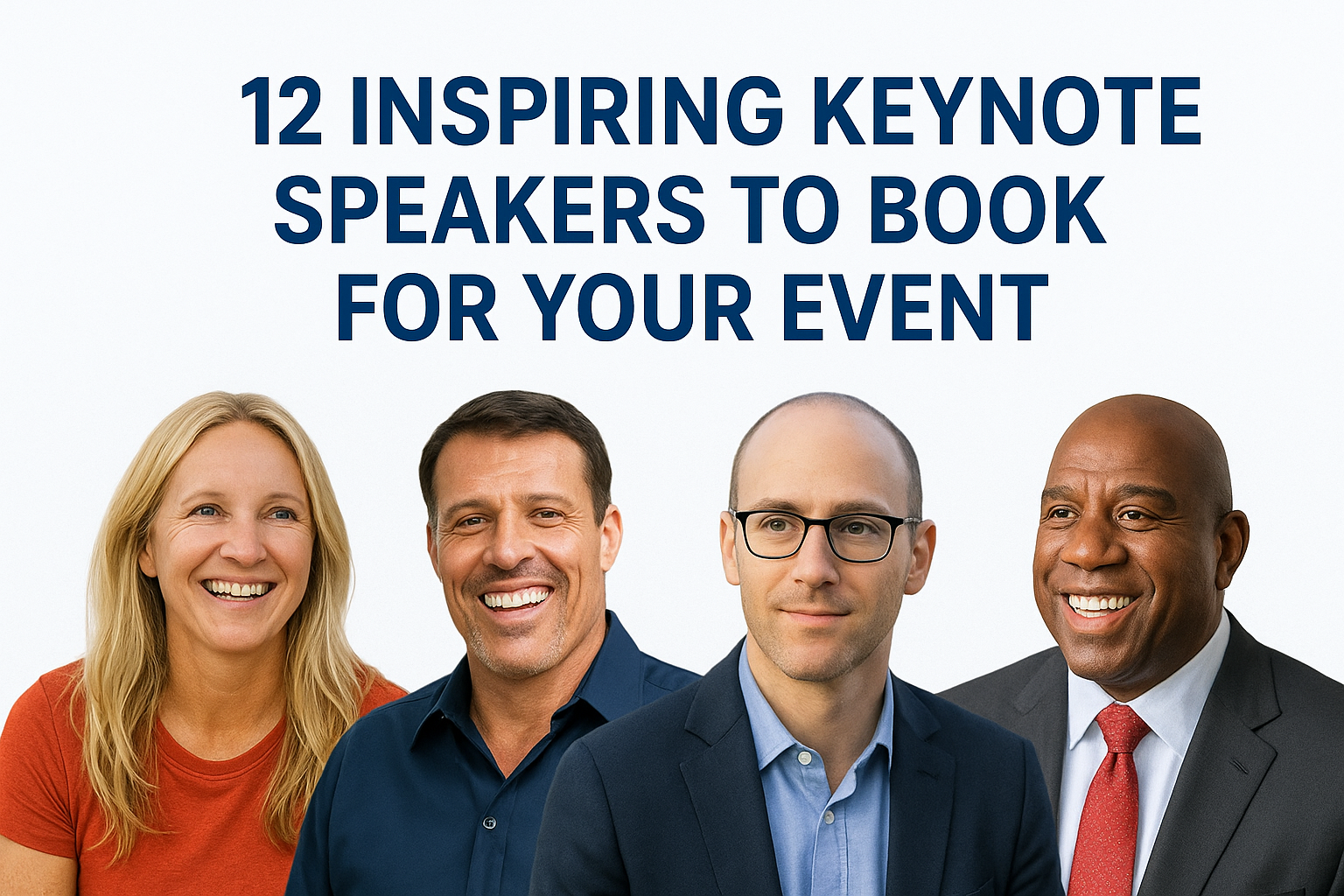
You’ve got a conference date on the calendar and a blank line where the keynote speaker should be. Pick the wrong one and you get polite applause and a room full of people checking email by the second slide. Pick the right one and your team is still quoting the talk six months later. Finding an inspiring keynote speaker who actually changes how people work together is harder than scrolling a speaker bureau website and picking a familiar face.
This list is built for event planners and HR leaders who need more than a big name. Each speaker here brings a proven track record of moving audiences from passive listening to real behavior change, whether that’s breaking down silos, rebuilding trust after a merger, or pushing a sales team to hit numbers they thought were out of reach. We looked at measurable business outcomes, not just applause meters.
Below you’ll find 12 speakers worth your budget, spanning adventure, sports, military, and business backgrounds. You’ll see why firefighter and world champion adventure racer Robyn Benincasa makes the cut, alongside others who know how to turn a keynote into a culture shift your team remembers long after the event ends.
1. Robyn Benincasa
Background and story
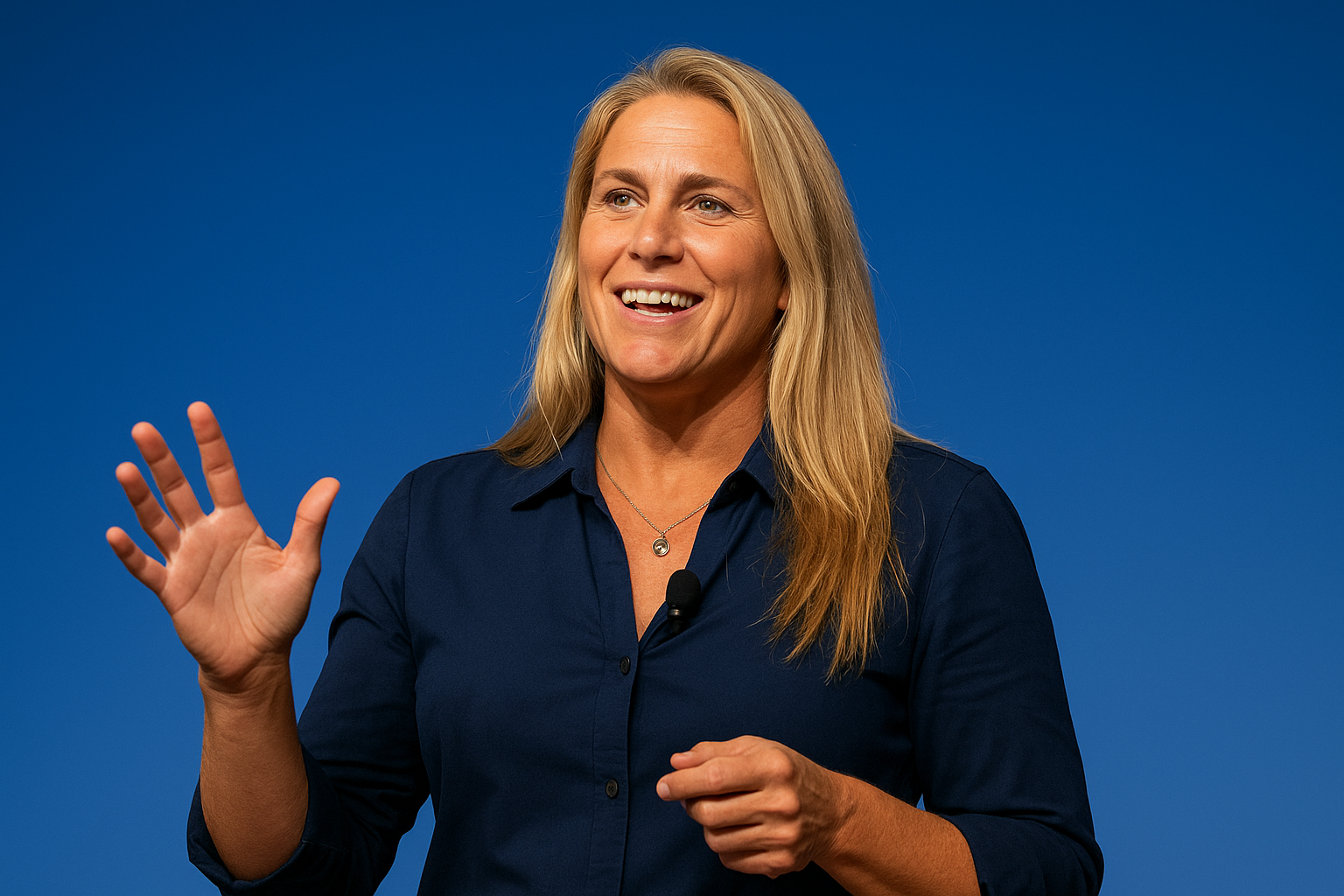
Robyn Benincasa spent over 20 years as a San Diego firefighter while also captaining Team Odyssey/Adventure, a world champion adventure racing team that dominated multi-day, multi-sport expedition races across deserts, jungles, and mountain ranges for 15 years. She didn’t win those races because her team had the strongest athletes. She won because she learned, race after grueling race, how to weld strangers into a unit that trusted each other in the worst conditions imaginable. That’s the story she brings to the stage, not a motivational anecdote borrowed secondhand, but a life spent testing leadership theory against real physical and organizational stakes. She’s also the founder of the Project Athena Foundation, a nonprofit supporting women recovering from major health crises, work that earned her recognition as a CNN Hero. Her book, How Winning Works, became a New York Times bestseller by translating those extreme-environment lessons into language corporate teams actually use.
Signature topics
Robyn’s keynotes run on frameworks built from firsthand experience, not borrowed slide decks. Her flagship talk, T.E.A.M.W.O.R.K., breaks down eight essential elements of a world-class team culture, and it’s become a go-to for organizations trying to name what’s broken in their own teams. Other signature topics include WIN AS ONE, which focuses on aligning departments around shared goals, INSPIRING GREATNESS THROUGH G.R.I.T., built for teams facing burnout or major change, and WHY WINNERS WIN, which digs into the mindset separating high performers from everyone else. Each talk is available live or virtually, and she customizes examples to match the client’s industry before she ever steps on stage.
A keynote only sticks when the speaker has actually lived the lessons they’re teaching.
Who she’s best for
Robyn works best for organizations navigating a specific inflection point: a merger that’s created silos, a sales team stuck mid-pack, or a workforce spread across departments that don’t talk to each other. Companies like Allstate, Northrop Grumman, Boston Scientific, and Indivior have booked her for exactly this reason, and the results show up in numbers, not just survey scores. One sales team she worked with moved from 17th to 1st nationally after applying the principles she teaches as a corporate culture keynote speaker. If your event planners need a speaker who can hold a room of executives and frontline employees equally well, she fits that range comfortably.
Speaking fee range
| Detail | Information |
|---|---|
| Format | In-person and virtual keynotes |
| Typical audience | Corporate leadership, sales teams, HR-led culture initiatives |
| Booking resource | Free 18-page team building and leadership guide available on request |
| Fee range | Available upon request through her booking page |
Exact pricing depends on your event date, location, and format, so reach out directly for a quote. Given the specificity of her frameworks and the customization she puts into every talk, most planners find the investment lines up with the measurable shifts their teams see afterward.
2. Tony Robbins
Background and story
Tony Robbins built his name from nothing more than a folding table and a cassette tape business in the early 1980s, and four decades later he’s coached everyone from Serena Williams to sitting heads of state. His own story starts rough: a chaotic childhood, four evictions before he turned 18, and a decision at 17 to teach himself the psychology of change instead of waiting for someone to fix his circumstances. That grit became the foundation for Unleash the Power Within, the multi-day event that’s turned him into arguably the most recognized name in personal development worldwide. Robbins doesn’t lecture from a podium so much as run the room, pulling volunteers on stage and pushing audiences through physical, emotional exercises most speakers wouldn’t attempt.
Signature topics
His core material centers on peak performance psychology, decision-making under pressure, and what he calls "state management," the idea that your physiology drives your results before your strategy ever does. Corporate audiences typically book him for talks on leadership under uncertainty, business growth, and personal mastery, often adapted from his bestselling books Awaken the Giant Within and Money: Master the Game.
The best motivational keynote speakers don’t just inspire a room, they physically move people out of their seats and into a different mindset.
Who he’s best for
Robbins fits large-scale conferences and sales kickoffs where the goal is high energy and a jolt of urgency, not quiet reflection. Organizations with budgets to match his celebrity status, and audiences of several hundred or more, get the most value from his format.
Speaking fee range
| Detail | Information |
|---|---|
| Format | Primarily in-person, large arena-style events |
| Typical audience | Sales conferences, large corporate events |
| Fee range | $300,000 to $1 million+ per engagement |
Companies planning smaller, more intimate sessions with a lower budget should look further down this list, or review what keynote speaker rates look like and why before setting one.
3. Simon Sinek
Background and story
Simon Sinek spent years working in advertising before a career slump pushed him to study why some leaders and organizations inspire loyalty while others just issue orders. That research turned into a 2009 TEDx talk, "How Great Leaders Inspire Action," which became one of the most-watched TED talks of all time and launched his career as a bestselling author and sought-after inspiring keynote speaker. He’s since written Start With Why, Leaders Eat Last, and The Infinite Game, each one built on the same core question: what makes people willing to follow a leader instead of just working for one. Unlike speakers who lean on personal survival stories, Sinek’s authority comes from pattern recognition across hundreds of organizations he’s studied and consulted for, from startups to the Pentagon.
Signature topics
His flagship concept, the Golden Circle, argues that organizations that lead with purpose ("why") before product ("what") build far more durable loyalty from customers and employees alike. Corporate audiences also book him for talks on infinite-mindset leadership, what Simon Sinek teaches about teamwork, and what he calls the "circle of safety," a framework for why some workplaces feel safe enough for people to do their best work.
People don’t buy what you do, they buy why you do it, and the same logic applies to why employees stay or leave.
Who he’s best for
Sinek suits leadership offsites, association conferences, and executive retreats where the goal is reframing how leaders think about purpose and culture rather than delivering a burst of stage energy. Organizations wrestling with employee retention or a muddled mission statement tend to get the most out of his material.
Speaking fee range
| Detail | Information |
|---|---|
| Format | In-person keynotes, occasional virtual sessions |
| Typical audience | Executive leadership, association conferences, purpose-driven organizations |
| Fee range | $100,000 to $200,000+ per engagement |
Planners with tighter budgets or a need for hands-on, customized team frameworks may find better fit and value further down this list, and it helps to know what keynote speakers cost in person or virtual before comparing.
4. Brené Brown
Background and story
Brené Brown spent two decades as a research professor at the University of Houston studying shame, vulnerability, and courage before most companies ever thought those words belonged in a boardroom. Her 2010 TEDx talk, "The Power of Vulnerability," turned academic research into one of the most-watched TED talks in history, and it reframed how a generation of leaders think about openness at work. Grounded in peer-reviewed research rather than personal survival stories, her authority comes from thousands of interviews she’s conducted on what separates people who show up fully from people who hide behind armor. She’s since written five number-one New York Times bestsellers, including Dare to Lead and Daring Greatly, and hosts a podcast that keeps her research current with how modern teams actually operate.
Signature topics
Her core keynote material centers on vulnerability as a leadership skill, not a weakness, alongside frameworks for building trust, giving and receiving feedback, and leading through uncertainty. Corporate audiences often book her for talks drawn directly from Dare to Lead, which lays out specific behaviors that separate armored leadership from what she calls "daring leadership."
Vulnerability isn’t weakness, it’s the birthplace of trust, and trust is what makes teams actually perform.
Who she’s best for
Brown fits organizations working through cultural change where leaders need permission to be honest about what isn’t working. HR teams tackling burnout, psychological safety, or a leadership bench that’s gone quiet under pressure tend to get the most value from her material. She also resonates with audiences that skew toward introspection over high-energy stage antics, think leadership summits and women-in-business conferences rather than sales kickoffs.
Speaking fee range
| Detail | Information |
|---|---|
| Format | Primarily in-person, select virtual sessions |
| Typical audience | Leadership summits, HR-led culture initiatives, executive retreats |
| Fee range | $200,000 to $300,000+ per engagement |
Her fee sits well above what most mid-size companies budget for a single keynote, so planners weighing cost against customization may want a speaker further down this list who tailors examples directly to their industry.
5. Mel Robbins
Background and story
Mel Robbins started as a CNN legal analyst and radio host before a rough personal stretch, including job loss and financial strain, pushed her to figure out why she couldn’t make herself follow through on the changes she knew she needed. That struggle led her to develop the 5 Second Rule, a simple countdown technique for beating hesitation before your brain talalks you out of taking action. The idea took off after her TEDx talk in Cleveland went viral, and it’s since turned into a bestselling book, a top-ranked podcast, and one of the most-booked keynote circuits in the country. Robbins built her authority the hard way, testing her own method on herself before she ever pitched it to an audience, which gives her material a lived-in honesty that resonates with people who are tired of theory.
Signature topics
Her core keynote centers on the 5 Second Rule and how it applies to decision-making, procrastination, and confidence under pressure in a work setting. She also speaks on motivation science, habit change, and what she calls "letting people be wrong about you," a framework aimed at leaders who get stuck seeking approval instead of taking action. Corporate audiences often request her material paired with her newer research on anxiety and high performance, drawn from her book The High 5 Habit.
Confidence isn’t a feeling you wait for, it’s an action you take first.
Who she’s best for
Robbins works well for sales teams and individual contributors who need a practical push past hesitation rather than a big-picture culture overhaul, and she belongs on any shortlist of sales motivational speakers. She also fits well-being-focused conferences, women’s leadership events, and any audience that responds better to a relatable, no-nonsense delivery than a celebrity-style production.
Speaking fee range
| Detail | Information |
|---|---|
| Format | In-person and virtual keynotes |
| Typical audience | Sales teams, well-being conferences, women’s leadership events |
| Fee range | $100,000 to $150,000 per engagement |
Planners who need someone with equally strong personal credibility but a background more directly tied to team performance metrics should keep reading.
6. Eric Thomas
Background and story
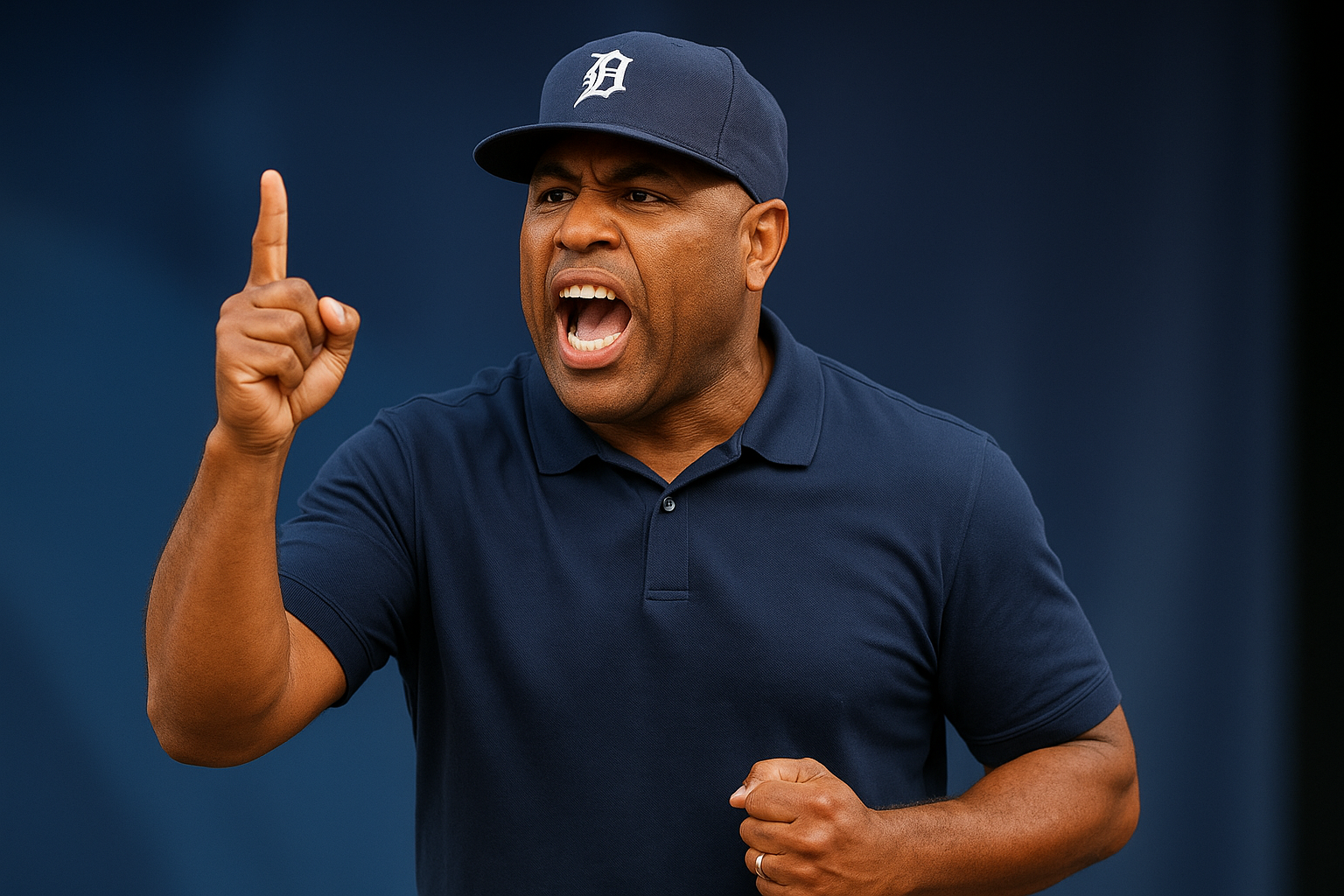
Eric Thomas grew up homeless as a teenager in Detroit, sleeping in abandoned houses and eating out of dumpsters before he found a mentor who pushed him back into school. That path took him from GED to doctorate, and it’s the raw material behind everything he now teaches from a stage. Known widely as "ET the Hip Hop Preacher," Thomas built his following through YouTube videos filmed in his car, long before any speakers bureau came calling, and his most famous clip, on wanting success as badly as you want to breathe, has been viewed tens of millions of times. Professional sports teams noticed first. He’s worked with the Pittsburgh Steelers, the Michigan football program, and Olympic athletes who wanted the same intensity he brought to his own comeback.
Signature topics
Thomas speaks on grit, work ethic, and turning pain into purpose, drawing directly from his own years without stable housing rather than borrowed case studies. His talks push audiences to examine their own excuses, and he’s blunt about the fact that most people quit right before the payoff arrives. Corporate versions of his material focus on sales performance, accountability, and building a culture where mediocrity isn’t tolerated.
You don’t inspire people by telling them it’ll be easy, you inspire them by showing them you survived when it wasn’t.
Who he’s best for
Thomas fits sales kickoffs, athletic organizations, and any team that’s grown complacent and needs a jolt rather than a gentle nudge. He resonates especially well with younger workforces and blue-collar or frontline teams who respond to direct, unfiltered delivery over polished corporate language. Planners looking for reflective, research-driven content should look elsewhere on this list.
Speaking fee range
| Detail | Information |
|---|---|
| Format | Primarily in-person, high-energy delivery |
| Typical audience | Sales teams, athletic programs, frontline workforces |
| Fee range | $50,000 to $75,000 per engagement |
His fee sits lower than several names on this list, making him a realistic option for mid-size companies that still want star power and stage intensity.
7. John Maxwell
Background and story
John Maxwell started out as a pastor leading small congregations before he realized that the leadership principles growing his churches applied just as well to boardrooms. He founded the John Maxwell Company and the John Maxwell Team, building a coaching and training network that’s certified tens of thousands of leadership coaches worldwide. Decades of writing, teaching, and mentoring turned him into one of the most cited names in leadership development, with over 30 million books sold across titles like The 21 Irrefutable Laws of Leadership and Developing the Leader Within You. Unlike speakers who lean on a single dramatic turning point, Maxwell’s authority comes from sheer repetition and refinement, decades spent testing the same principles against real organizations and adjusting what didn’t hold up.
Signature topics
His keynotes center on practical leadership frameworks, particularly how influence, not authority, is what actually moves a team forward. Corporate audiences often request material built around his 21 Laws, along with talks on developing leaders at every level of an organization rather than just at the top. He also speaks on intentional living and growth, themes that resonate with audiences looking for a long-term leadership philosophy rather than a one-time jolt of energy.
Leadership isn’t a title you’re given, it’s influence you earn one decision at a time.
Who he’s best for
Maxwell suits organizations building internal leadership pipelines, think mid-level manager training, succession planning events, and association conferences focused on developing talent rather than firing up a sales floor. Companies wanting a speaker whose material connects directly to ongoing coaching or executive leadership training programs tend to get the most value here.
Speaking fee range
| Detail | Information |
|---|---|
| Format | In-person and virtual keynotes |
| Typical audience | Leadership development programs, association conferences, manager training events |
| Fee range | $50,000 to $100,000 per engagement |
Planners looking for a speaker who pairs leadership theory with firsthand, high-stakes experience may find a closer fit elsewhere on this list.
8. Adam Grant
Background and story
Adam Grant became the youngest tenured professor at Wharton by studying something most business schools ignored: how generosity and motivation actually shape organizational performance. His research career produced peer-reviewed studies on workplace psychology long before he became a bestselling author, and that academic grounding still sets him apart from speakers who work off personal anecdotes alone. He’s written Give and Take, Originals, and Think Again, each one built from data rather than opinion, and he hosts the podcast WorkLife, where he interviews leaders about what’s actually broken inside their companies. Grant’s authority rests on published research, not a single dramatic turning point, which makes him a credible pick for organizations that want evidence behind every claim on stage.
Signature topics
His keynotes cover organizational psychology, rethinking assumptions, and building cultures where people give more than they take without burning out. Corporate audiences frequently book him for talks on psychological safety, decision-making under uncertainty, and what separates original thinkers from people who default to the status quo. He also speaks on feedback culture, drawing from Think Again to show leaders how to argue productively instead of avoiding conflict altogether.
The best ideas rarely come from the loudest voice in the room, they come from cultures built to reward rethinking.
Who he’s best for
Grant suits innovation-focused conferences and executive teams wrestling with rigid thinking or slow decision-making. Organizations that value research-backed content over motivational storytelling, think tech companies, consulting firms, and academic-adjacent industries, tend to get the most value from his material.
Speaking fee range
| Detail | Information |
|---|---|
| Format | Primarily in-person, select virtual sessions |
| Typical audience | Innovation teams, executive leadership, research-oriented organizations |
| Fee range | $100,000 to $200,000 per engagement |
Planners wanting a speaker whose stories come from lived, high-stakes team experience rather than academic study may prefer someone earlier on this list.
9. Bethany Hamilton
Background and story
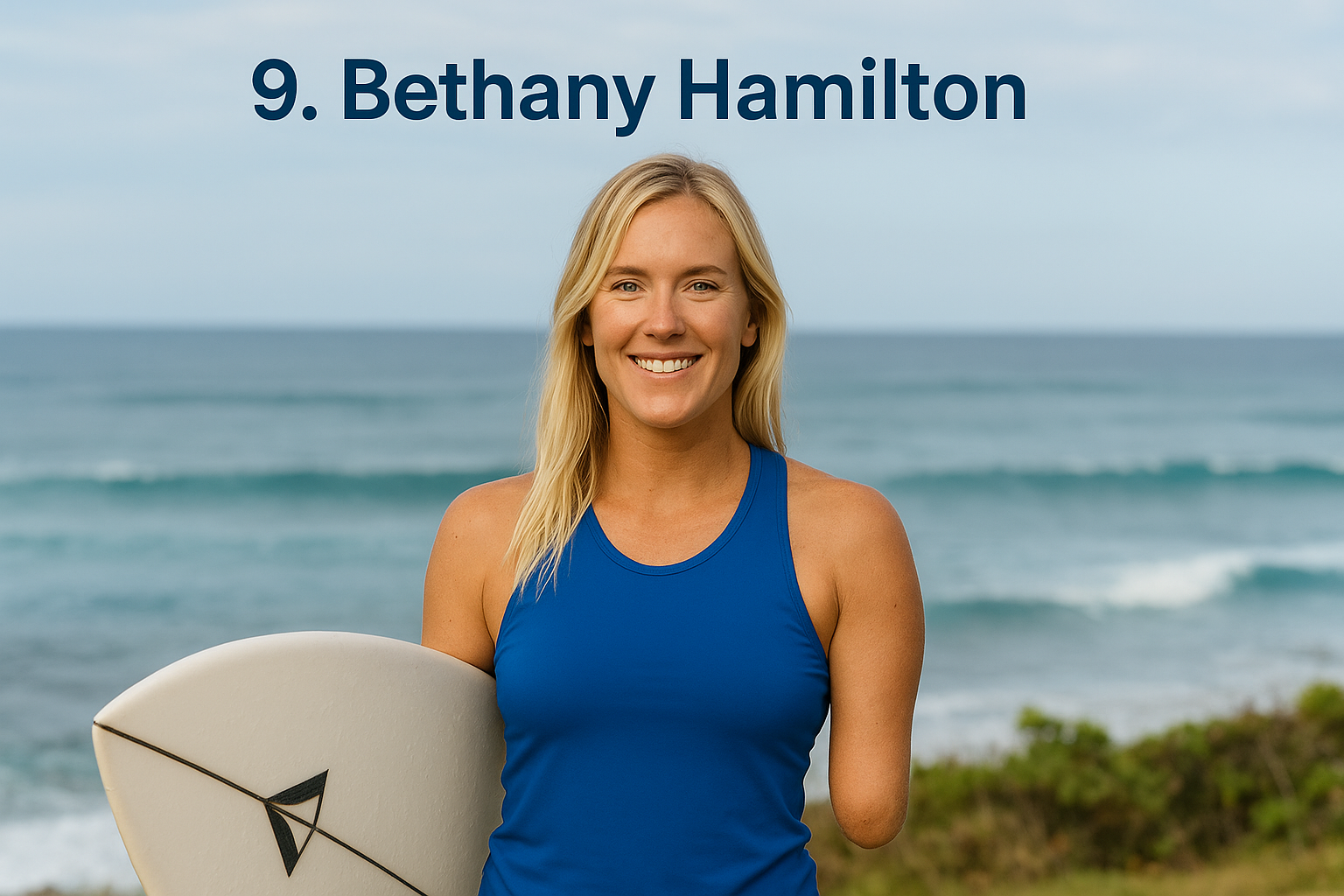
Bethany Hamilton lost her left arm to a 14-foot tiger shark while surfing off Kauai at age 13, and she was back on her board less than a month later. That decision alone became the story most people know, but her career since then is what actually built her authority as a keynote speaker: she went on to compete professionally, win national titles, and build a life around the sport that nearly ended it. Her memoir, Soul Surfer, became a major film, but she’s kept building past that early fame, adding motherhood, coaching, and continued competitive surfing to a resume that now spans two decades. Unlike speakers who lean on a single dramatic anecdote and little else, Hamilton keeps adding new chapters, which gives her material room to grow instead of repeating the same story on loop.
Signature topics
Her keynotes center on resilience after trauma, adapting to a body and a life that changed overnight, and choosing purpose over self-pity. She speaks on faith, perseverance, and what she calls staying "unstoppable," a theme that resonates with corporate audiences facing their own version of a sudden setback, whether that’s a layoff, a failed product launch, or a health scare.
Losing something you love doesn’t end your story, it just forces you to write the next chapter differently.
Who she’s best for
Hamilton suits healthcare organizations, wellness conferences, and teams navigating disability or major personal loss, where a story of physical adaptation and recovery lands harder than a business case study. She also works well for youth-focused events and women’s leadership conferences looking for an inspirational woman speaker whose credibility comes from lived, visible experience rather than research.
Speaking fee range
| Detail | Information |
|---|---|
| Format | In-person and virtual keynotes |
| Typical audience | Healthcare, wellness, youth, and women’s leadership events |
| Fee range | $30,000 to $50,000 per engagement |
Her fee sits on the more accessible end of this list, making her a strong option for organizations with a modest but meaningful speaker budget.
10. Jessica Cox
Background and story
Jessica Cox was born without arms due to a rare birth defect, and she grew up refusing every prosthetic her doctors suggested because she found she could do more with her feet than any artificial limb offered. That decision shaped everything that followed: she became the first person to fly a plane using only her feet, earned a black belt in Taekwondo, and learned to drive a car, type, and even put in contact lenses without ever touching them with her hands. Her flight certification came only after instructors told her it couldn’t be done, which is a pattern that runs through her entire life story. Cox built her authority the way most of the toughest keynote speakers do, by proving skeptics wrong in public, repeatedly, rather than by delivering a single dramatic comeback. Her memoir, Disarm Your Limits, and the documentary Rightfooted both track that same throughline: adaptation as a daily discipline, not a one-time act of will.
Signature topics
Her keynotes focus on redefining limitations, adaptability under pressure, and what she calls flying life "rightfooted," meaning finding your own unconventional path instead of forcing yourself into someone else’s method. She speaks on perseverance, inclusion, and disability awareness, often tailoring examples to show how teams can rethink processes that assume everyone works the same way.
Real adaptability isn’t finding a workaround once, it’s building a whole life out of workarounds that work better than the original plan.
Who she’s best for
Cox suits diversity and inclusion events, healthcare conferences, and teams pushing through a major operational change where the old way of doing things no longer applies. She also fits well at employee resource group events and any conference where the audience needs a concrete example of creative problem-solving rather than an abstract pep talk.
Speaking fee range
| Detail | Information |
|---|---|
| Format | In-person and virtual keynotes |
| Typical audience | DEI initiatives, healthcare, employee resource groups |
| Fee range | $20,000 to $40,000 per engagement |
Her fee makes her accessible for smaller conferences and internal company events without sacrificing a genuinely original story.
11. Magic Johnson
Background and story
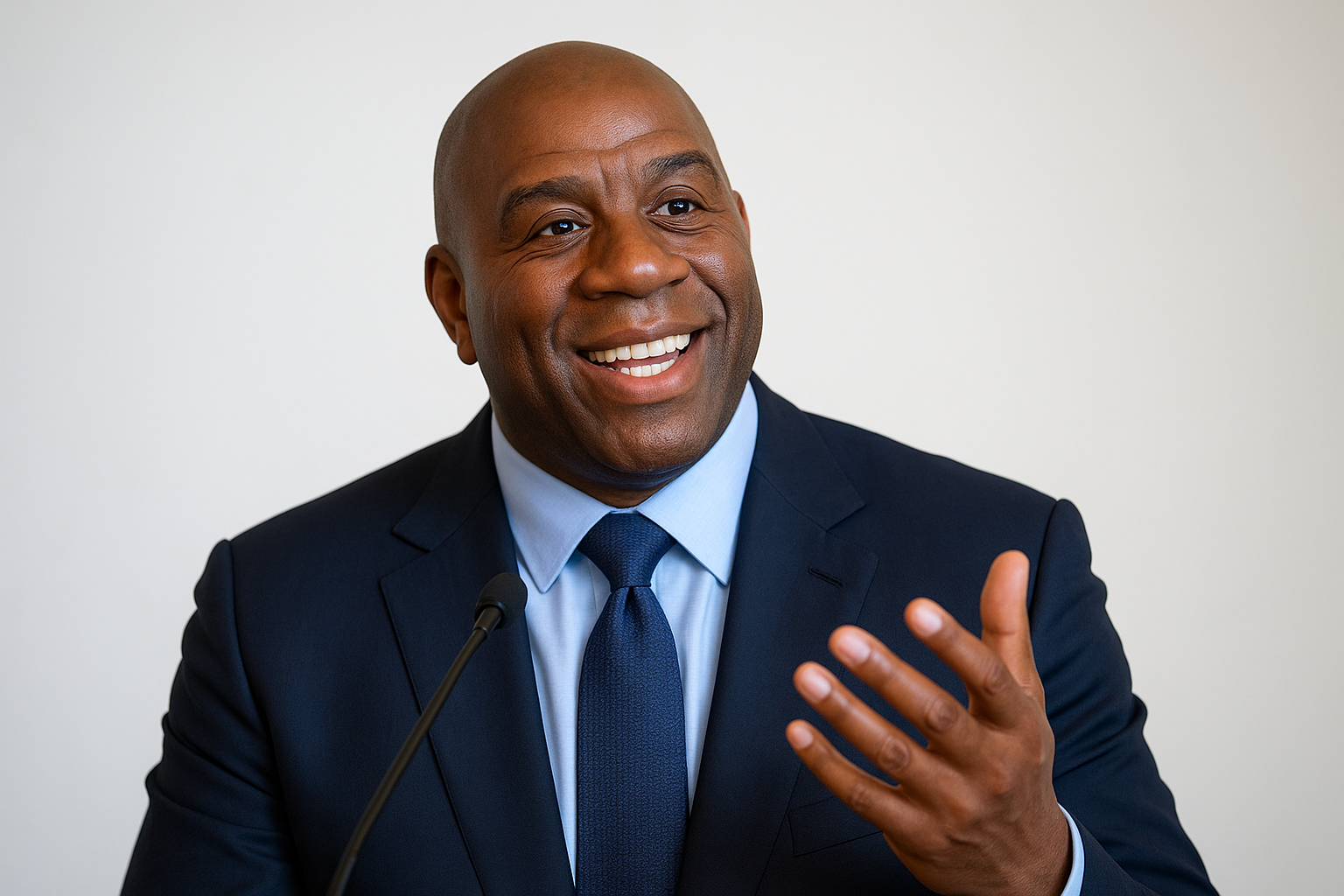
Magic Johnson won five NBA championships with the Lakers before HIV forced him into early retirement in 1991, a diagnosis that most people at the time treated as a death sentence. Instead of disappearing from public life, he became one of the most visible advocates for HIV education in the country, then rebuilt himself again as a business mogul, owning stakes in Starbucks franchises, movie theater chains, and eventually part of the Los Angeles Dodgers. That third act is what separates him from most athlete-turned-speakers: he didn’t just cash in on his playing days, he built Magic Johnson Enterprises into a genuine commercial force in underserved communities. Few keynote speakers can claim championship-level teamwork, a public health crisis survived in the spotlight, and a real balance sheet to back up their business advice.
Signature topics
Johnson speaks on leadership under public pressure, drawing from both his playing career and the years he spent proving wrong the people who assumed his career and health were finished. His corporate talks focus on team chemistry, reinvention after setback, and building businesses that serve the communities they operate in. He also covers diversity in entrepreneurship, a theme that resonates with companies looking to diversify supplier networks or leadership pipelines.
Reinvention isn’t a backup plan, it’s what separates people who peaked once from people who keep winning in new arenas.
Who he’s best for
Johnson fits sports-adjacent corporate events, entrepreneurship conferences, and diversity-focused business summits where audiences want one of those celebrity speakers worth booking whose name recognition comes paired with real business substance. Companies celebrating a comeback or major pivot of their own tend to connect with his story especially well.
Speaking fee range
| Detail | Information |
|---|---|
| Format | Primarily in-person |
| Typical audience | Sports business events, entrepreneurship conferences, diversity summits |
| Fee range | $200,000 to $500,000+ per engagement |
His fee reflects celebrity status more than customization, so planners wanting tailored frameworks built specifically around their industry should keep that in mind.
12. Robin Sharma
Background and story
Robin Sharma left a successful law career in his twenties to write The Monk Who Sold His Ferrari, a book so far outside his professional lane that he originally self-published it out of his car trunk before it became a global bestseller translated into more than 70 languages. Decades later he’s built one of the largest leadership training practices in the world, coaching billionaire entrepreneurs, professional athletes, and royal families while continuing to publish books that sell in the millions, including The 5AM Club and The Leader Who Had No Title. Sharma’s authority comes from that unusual combination: a formal legal mind trained to argue from evidence, paired with decades of direct coaching work inside organizations that most speakers only study from a distance. He built his platform slowly, through books and consulting, rather than a single viral moment, which gives his material a depth that holds up over a full-day workshop, not just a 45-minute keynote.
Signature topics
His keynotes center on personal mastery and peak performance habits, particularly the idea that world-class results start with a disciplined morning routine and a ruthless protection of your best hours. Corporate audiences often request his material on leadership without a title, the idea that influence has nothing to do with your position on an org chart, along with talks on productivity systems and mental toughness drawn from The 5AM Club.
Greatness isn’t a personality trait, it’s a routine you protect even when nobody’s watching.
Who he’s best for
Sharma suits executive retreats, entrepreneurship conferences, and leadership development programs built around personal habits as much as team strategy. Companies looking to pair a keynote with an ongoing coaching or training relationship tend to get strong long-term value from booking him.
Speaking fee range
| Detail | Information |
|---|---|
| Format | In-person and virtual keynotes |
| Typical audience | Executive retreats, entrepreneurship events, leadership development programs |
| Fee range | $50,000 to $100,000 per engagement |
Planners wanting a speaker whose material is grounded in team-tested, high-stakes experience rather than individual productivity habits may prefer a different fit from earlier on this list.
Bringing the right message to your stage
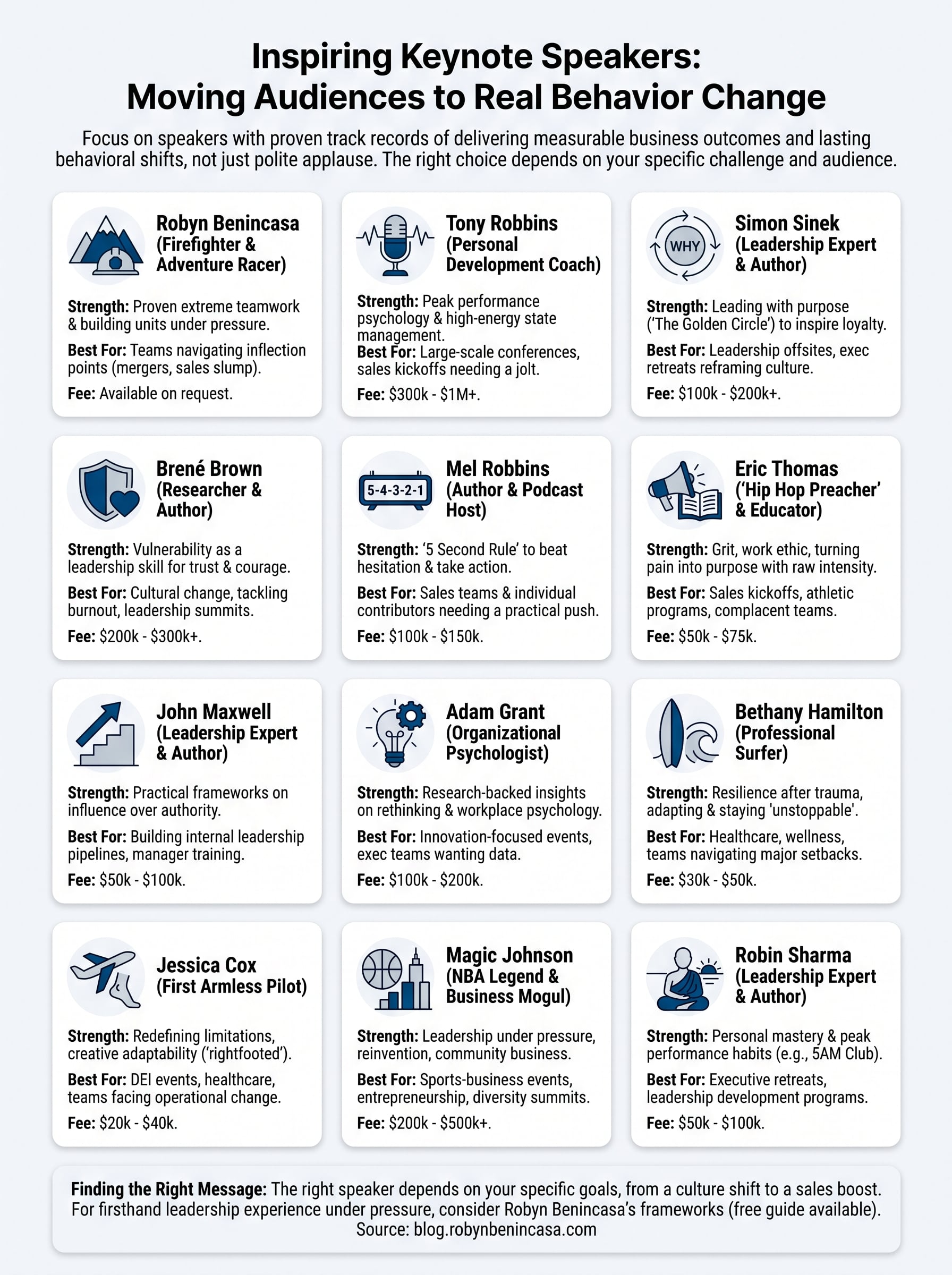
Twelve speakers, twelve different paths to the same goal: a room that leaves changed instead of just entertained. Some names here bring celebrity wattage and a price tag to match. Others bring research, resilience, or a story that reframes what your team thought was possible. The right pick depends on your budget, your audience, and the specific problem you’re trying to solve, whether that’s a merger that’s splintered departments or a sales floor stuck in neutral.
Getting this decision right matters more than most planners admit until after a flat event. If your team needs a speaker with firsthand, high-stakes leadership experience rather than borrowed theory, Robyn Benincasa’s frameworks come from two decades of real teams under real pressure, not a slide deck built for applause. Request her free 18-page guide to building a strong team culture and see if her story fits the culture shift you’re trying to create.