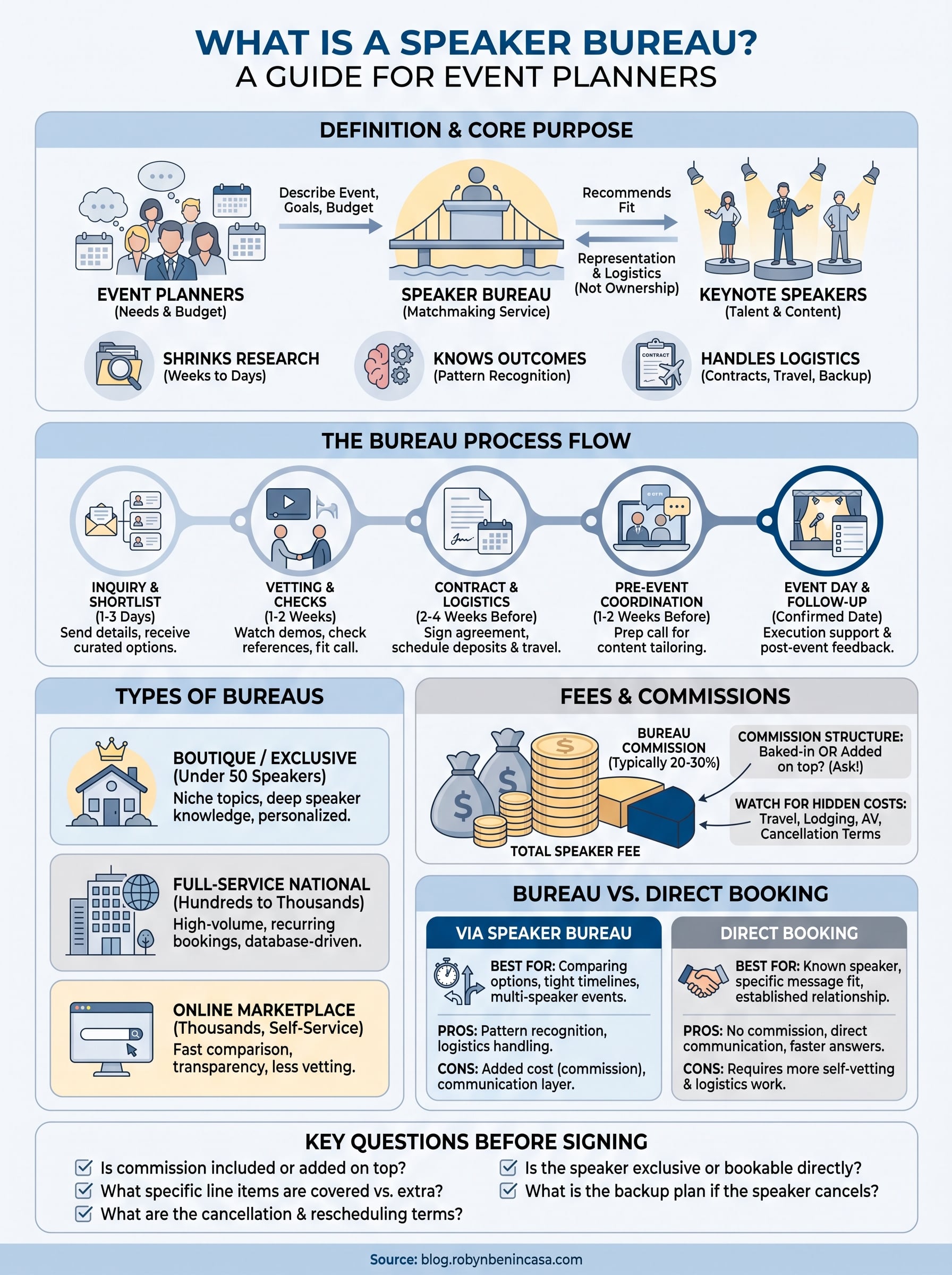
Author: admin

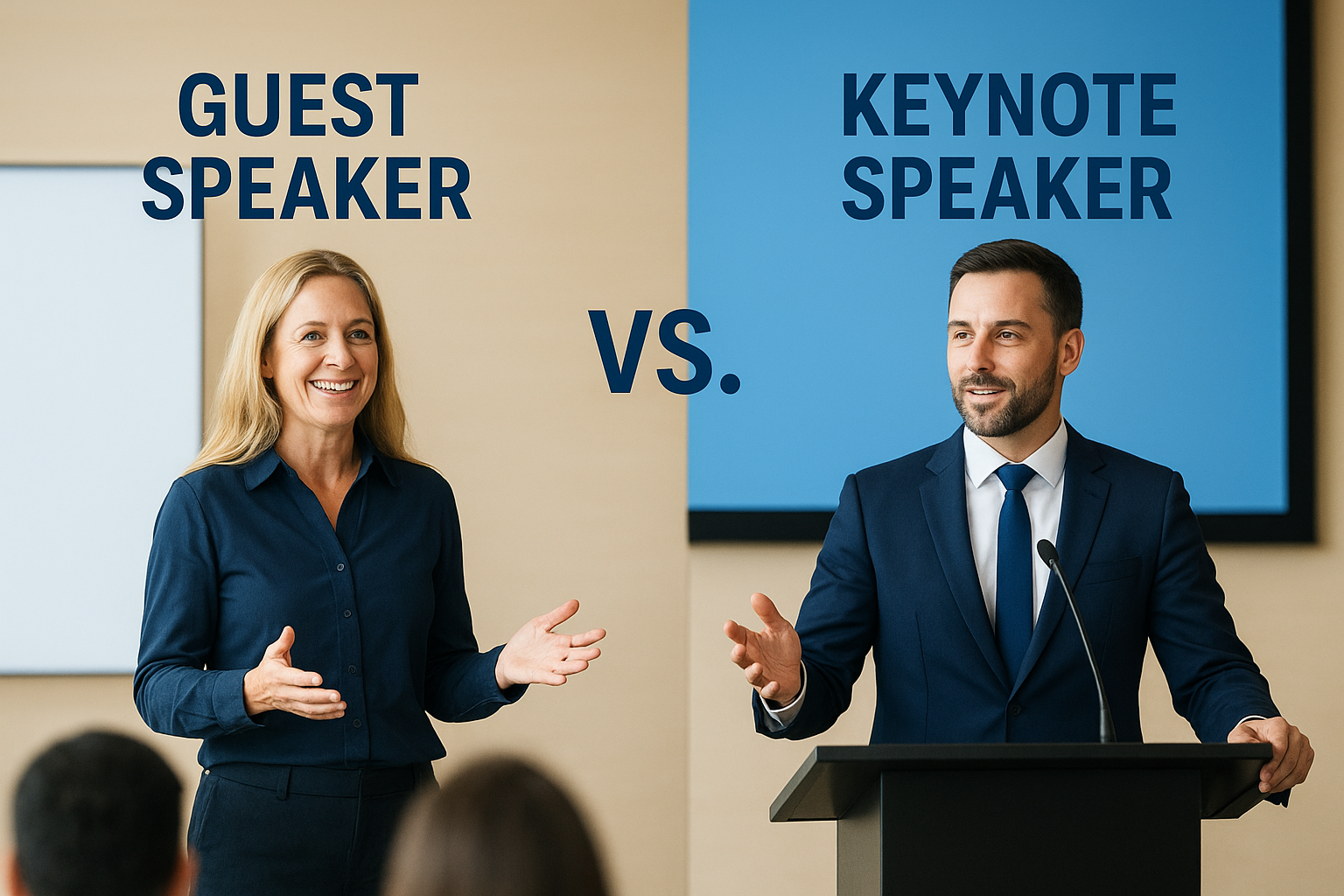
  • Guest Speaker vs. Keynote Speaker: What’s the Difference?

    Guest Speaker vs. Keynote Speaker: What’s the Difference?

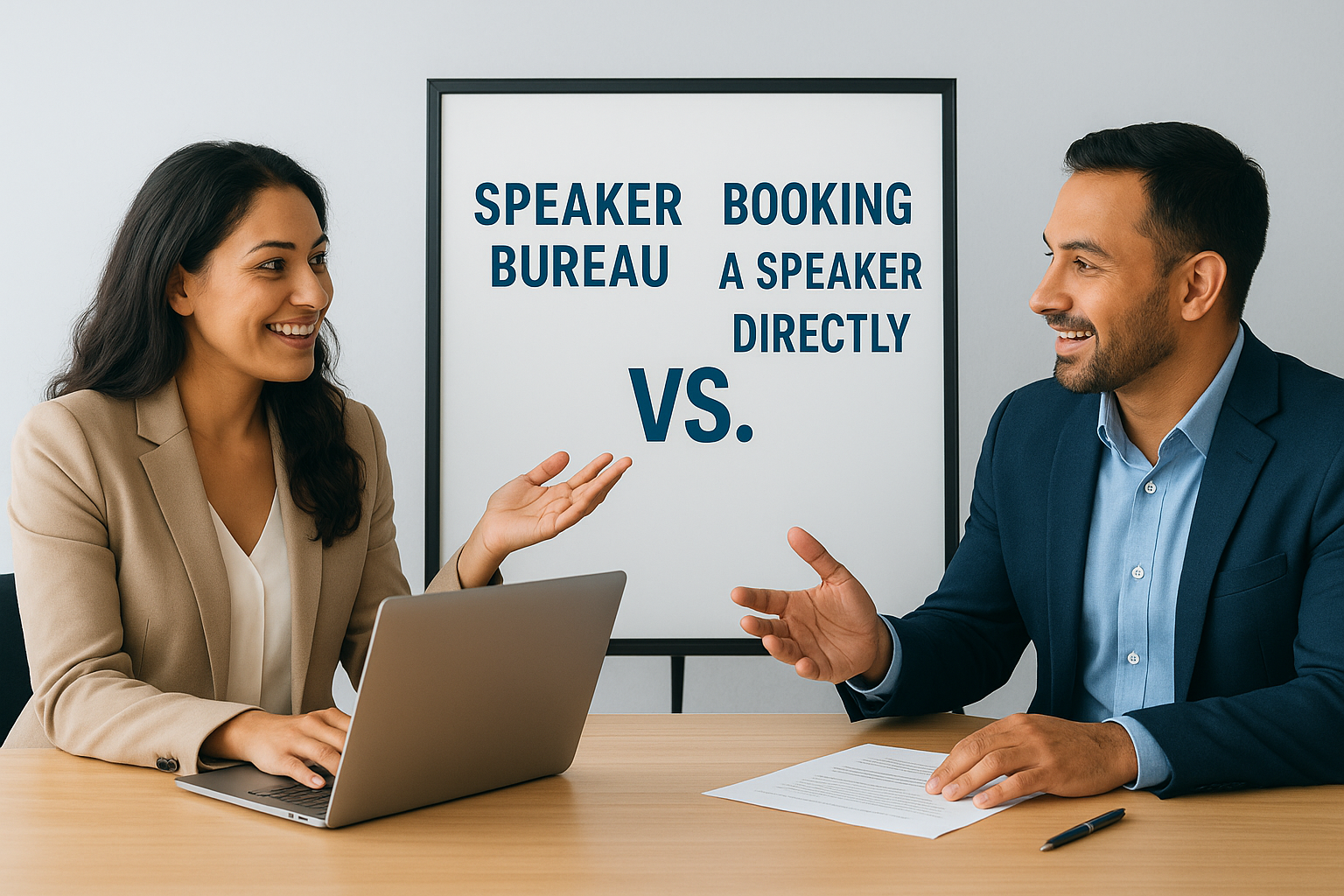
    You’re planning a conference or sales meeting and the agenda has a slot for a speaker, but you’re not sure which title to use in the contract, or what the role of a keynote speaker at a conference should actually be. The guest speaker vs keynote speaker question trips up a lot of event planners, and getting it wrong can mean booking the wrong person for the wrong role, or paying keynote rates for a shorter, less central slot.

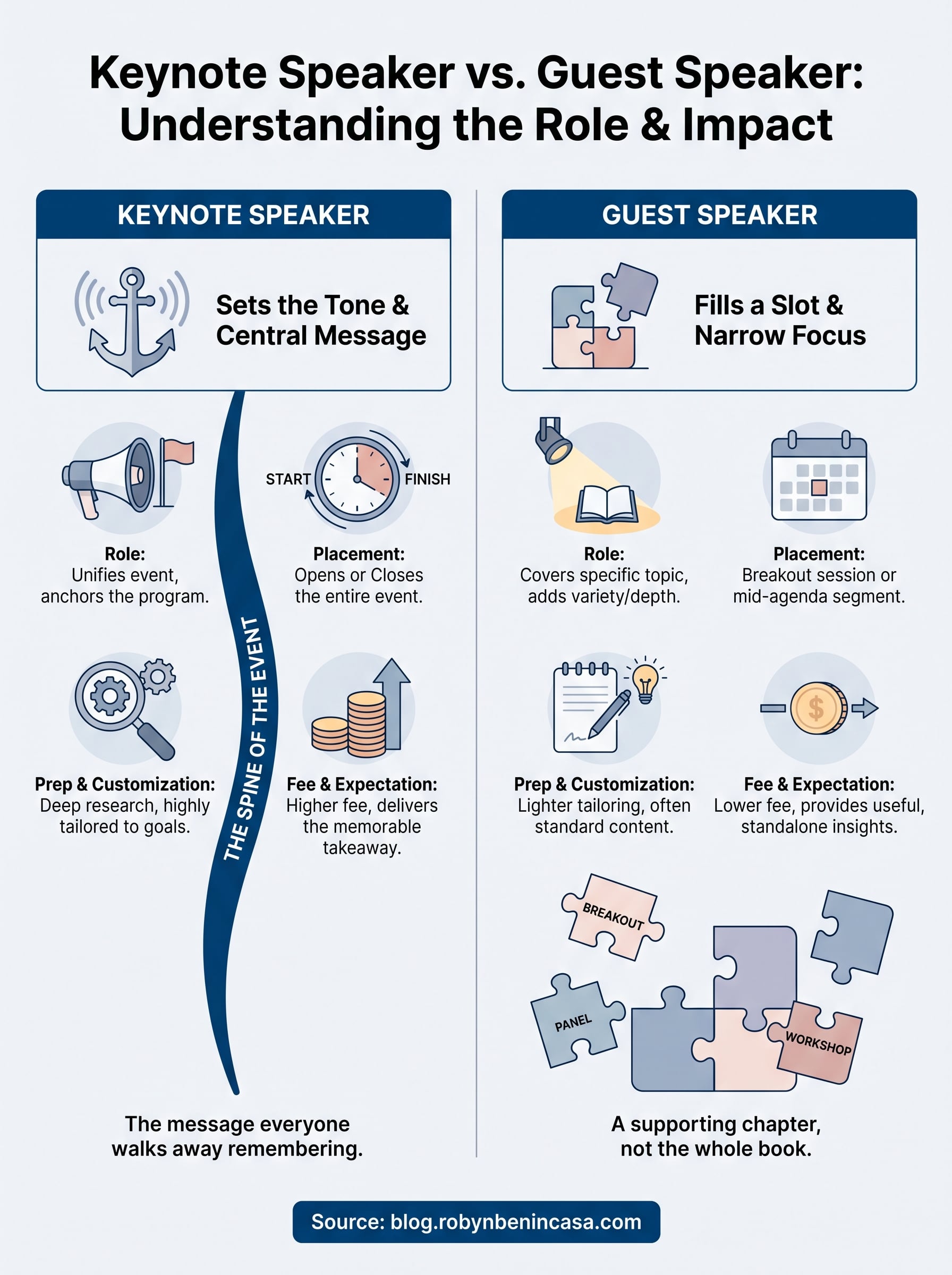
    Here’s the short answer: a keynote speaker sets the tone for the entire event and delivers the central message everyone walks away remembering, while a guest speaker typically fills a supporting slot, breakout session, or add-on segment with a narrower focus. The distinction matters for budget, billing, and what you expect the speaker to deliver.

    This article breaks down the real differences in role and responsibilities, how each fits into your event structure, and what to look for when you’re deciding which one your program actually needs. If you’re weighing options for a leadership summit, sales kickoff, or company offsite, you’ll walk away knowing exactly which booking makes sense.

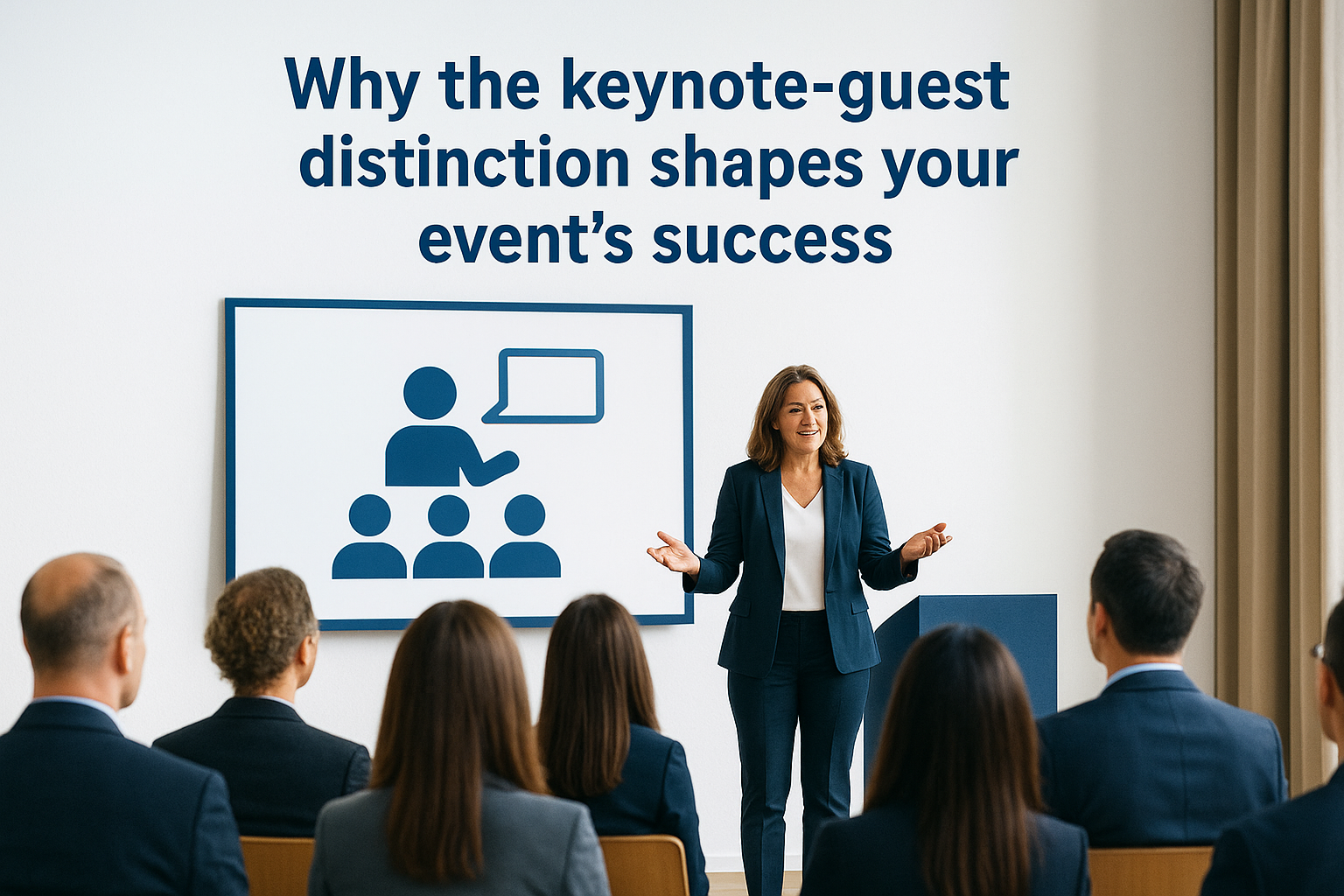
    Why the keynote-guest distinction shapes your event’s success

    Getting the label right isn’t just semantics. It determines how your audience experiences the entire event, and it determines how much you should expect to pay. A keynote speaker, by definition, is booked to anchor the program: their message ties together every breakout, panel, and workshop that follows. When you hire someone for that role, you’re hiring them to set the emotional and strategic tone for the whole day, not just fill 45 minutes on the agenda. A guest speaker, by contrast, is brought in for a specific, narrower purpose, maybe to cover a niche topic, energize a single breakout track, or add variety to a longer agenda.

    Why the keynote-guest distinction shapes your event's success

    Book the keynote to set the direction of your event, and everything else on the agenda should support that direction.

    This distinction has real budget consequences, and it’s worth knowing what a keynote speaker costs before you build the line item. Keynote speakers command higher fees because they’re expected to research your organization, tailor their talk to your specific challenges, and deliver a message with staying power. Robyn Benincasa’s approach, for example, involves understanding a client’s culture and business goals before she ever steps on stage, because a generic talk doesn’t move the needle for a sales team trying to climb from 17th to 1st in the country. Guest speakers, especially those filling shorter or more specialized slots, typically charge less because the scope of preparation and impact expected is smaller.

    What happens when you mix up the roles

    Confusing the two roles creates predictable problems on event day. If you book a guest speaker but expect keynote-level audience impact, you’ll end up with a talk that feels thin against the weight of your agenda. If you book (and pay for) a keynote speaker but slot them into a 20-minute afternoon breakout, you waste both budget and their ability to actually move the room. Here’s a quick look at how the mismatch plays out:

    Situation What goes wrong
    Guest speaker booked as closing keynote Talk lacks the depth and audience-specific tailoring attendees expect from a closer
    Keynote speaker slotted into a short breakout Underuses their prep and fee, no room to build the full arc of the message
    No clear brief given to either Speaker’s content doesn’t connect to the rest of the agenda, feels bolted on
    Keynote billed as "guest speaker" in marketing Attendees undervalue the session, lower engagement before it even starts

    The audience experience angle

    Audiences pick up on this mismatch even when they can’t name it. A keynote speaker vs guest speaker decision made without thinking through audience expectations often shows up as low energy in the room or attendees checking phones during a session that was supposed to be the highlight. Event planners who get this right treat the keynote slot as the spine of the day, the one talk that every other session references back to, while guest speakers fill in supporting content around that spine. Sorting this out before you finalize contracts saves you from awkward conversations about fees, timing, and what the speaker actually delivers on stage.

    How to decide which type of speaker your event needs

    Start with your agenda’s structure before you start calling speaker bureaus. Ask yourself what role this slot actually plays: is it the moment that frames everything else, or is it one piece of a bigger puzzle? A keynote speaker makes sense when you need a unifying message, something that ties your sales numbers, your culture initiative, or your merger integration into one story the whole room can rally around. A guest speaker makes sense when you’ve already got that spine in place and you need someone to add depth on a specific subtopic, like a breakout on negotiation tactics or a lunch session on wellness.

    If you can’t name the one idea you want the whole room repeating at the bar that night, you need a keynote, not a guest slot.

    Questions to ask before you book

    Run through these before you sign a contract or start the process of hiring a keynote speaker, since they’ll tell you which role you actually need:

    • Does this session open or close the event, or sit in the middle of a packed agenda? Opening and closing slots almost always call for a keynote.
    • Do you need the speaker to reference other sessions, or can their content stand alone? Standalone content fits a guest speaker.
    • What’s your budget ceiling, and does it match keynote-level customization? If you can’t afford the research and tailoring a real keynote requires, don’t bill it as one.
    • Is there one central challenge (declining sales, low morale, a rocky merger) you need addressed head-on? That’s keynote territory.
    • Are you filling out a longer conference with variety, or building toward one big takeaway? Variety points to guest speakers; one big takeaway points to a keynote.

    Matching format to your goals

    Your event’s goals should drive the decision more than habit or precedent. A sales kickoff built around hitting a specific number needs one of the speakers who can motivate a sales team, connecting performance to culture the way Robyn Benincasa’s talks link adventure racing lessons to sales teams climbing national rankings. A multi-track leadership summit with breakouts on communication, delegation, and conflict resolution can layer in several guest speakers under one leadership keynote umbrella. Weighing guest speaker vs keynote speaker against your actual agenda, rather than your budget alone, keeps you from underbooking the moment that matters most.

    Keynote vs. guest speaker: key differences at a glance

    Sometimes you just need the comparison laid out side by side instead of parsed through paragraphs. The table below captures how a keynote speaker and a guest speaker differ across the factors that actually affect your planning: fee, prep time, agenda placement, and audience expectations.

    Factor Keynote Speaker Guest Speaker
    Agenda placement Opens or closes the event Fills a breakout, session, or add-on slot
    Message scope Ties the whole event together Covers one topic or skill
    Customization Deep research into your organization’s goals Lighter tailoring, often a standard talk
    Typical fee range Higher, reflects prep and central role Lower, reflects narrower scope
    Audience expectation The talk people reference all day A useful, standalone session
    Booking lead time Often months out, especially for in-demand names Can be booked closer to the event date

    The keynote is the message your whole event is built around; the guest slot is a chapter, not the book.

    Why the fee gap exists

    Speaking fees reflect effort, not just reputation. A keynote booking usually involves pre-event calls, a review of company data or culture surveys, and a talk built specifically for that room, the kind of prep Robyn Benincasa puts into every keynote speaking engagement so the message lands for that specific sales team or leadership group. Guest speakers, especially those covering a defined skill or topic, can often reuse more of their existing material because the session doesn’t need to carry the whole event’s throughline.

    Why the placement matters more than the title

    Titles get misused constantly in contracts and marketing materials, so don’t rely on the label alone. Verify placement instead: if the session opens the day, closes it, or gets referenced by every other speaker afterward, you’re booking keynote-level work regardless of what the invoice calls it. Watching how a speaker’s content connects to the rest of your program tells you more about their real role than whatever title ends up on the printed agenda.

    Where panelists, plenary speakers, and guests of honor fit in

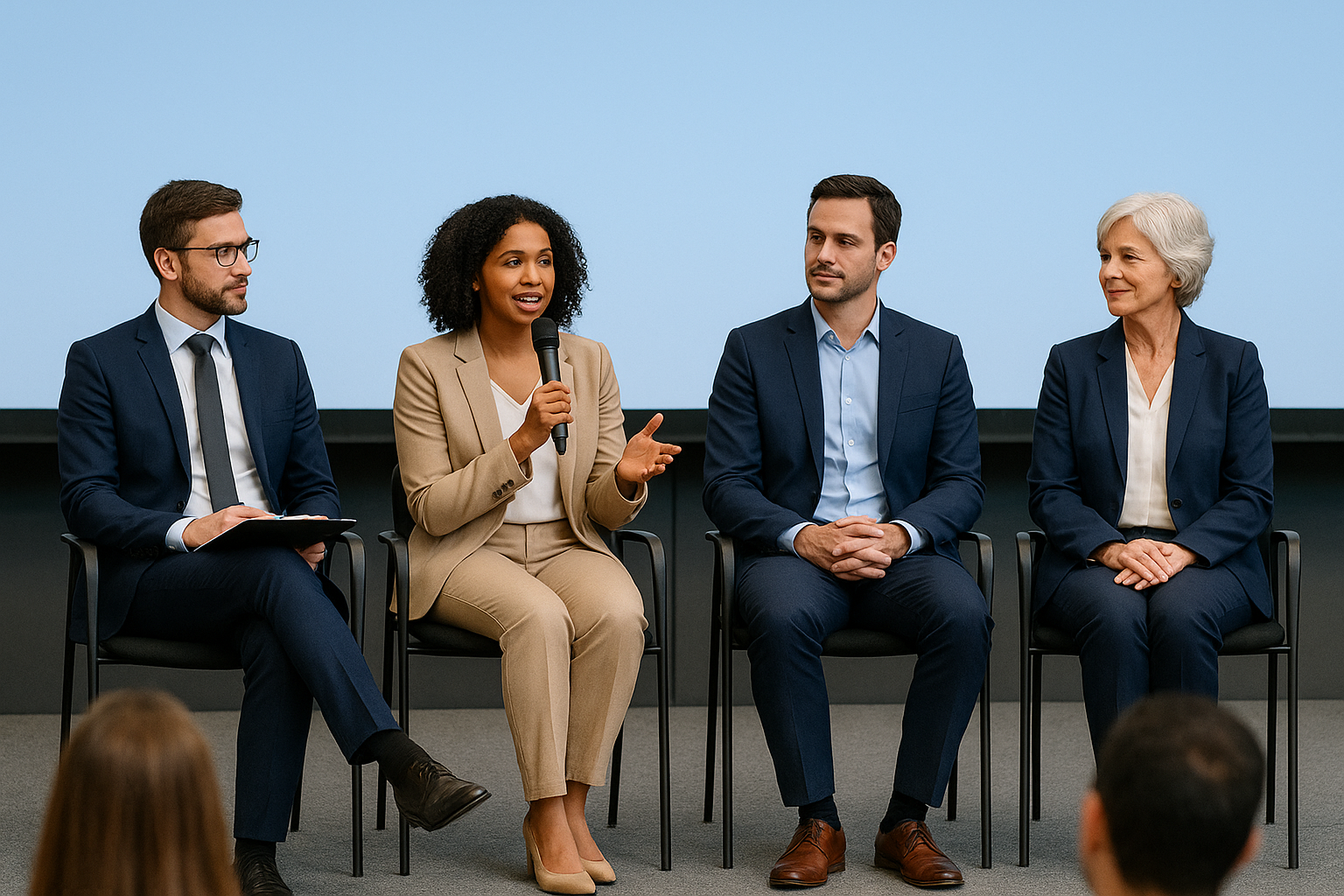
    Event programs often include roles that don’t fit neatly into the guest speaker vs keynote speaker split, and understanding how a keynote speaker differs from other speakers keeps you from mislabeling any of them. A panelist shares a stage with other experts, usually moderated, answering questions rather than delivering a single prepared talk. Panelists work well when you want multiple perspectives on one issue, like a discussion on hybrid work policy, but they don’t carry the unifying weight a keynote does. Booking a panel instead of a keynote for your opening session usually leaves attendees without the one clear message a strong event needs.

    Where panelists, plenary speakers, and guests of honor fit in

    Plenary speakers cause similar mix-ups because the term sounds interchangeable with keynote. Technically, a plenary session is simply one that all attendees join together, as opposed to breakout tracks running in parallel. A plenary speaker fills that combined session, and often that speaker is also your keynote. But not every plenary slot needs keynote-level customization. A plenary might host a shorter guest speaker delivering a focused update, like a product launch briefing, without needing the full arc of a tone-setting keynote.

    A title tells you where someone stands on stage. It doesn’t tell you what role they’re actually playing in your event’s story.

    Guests of honor round out the list, and they’re the easiest to separate from the other roles. A guest of honor is recognized for who they are, an achievement, a retirement, a milestone, rather than booked to deliver a strategic message. They might speak briefly, but their presence is ceremonial, not structural. Confusing a guest of honor with a keynote speaker means expecting content depth from someone who was invited to be celebrated, not to teach.

    Here’s a quick way to sort these roles when you’re building your program:

    • Keynote speaker: Sets the throughline for the whole event.
    • Guest speaker: Covers one topic in a supporting slot.
    • Panelist: Shares a stage, answers questions, no solo throughline.
    • Plenary speaker: Addresses the combined audience, may or may not be your keynote.
    • Guest of honor: Recognized for their identity or milestone, not booked for content.

    guest speaker vs keynote speaker infographic

    Matching the right speaker to your event

    Sorting out guest speaker vs keynote speaker roles before you sign a contract saves you from mismatched budgets and flat audience reactions. A keynote anchors your event’s message and deserves the deeper prep and fee that go with that job. A guest speaker fills a defined slot with focused content, and that’s a good thing when your agenda already has its spine in place. Panelists, plenary speakers, and guests of honor each play their own part, but none of them replace the unifying role a strong keynote provides.

    If your next event needs a speaker who can turn a room full of different teams into one focused group with a shared goal, that’s exactly the gap a keynote fills. Browse inspiring keynote speakers worth booking and see which message matches what your event needs to carry.

  • 12 Top Celebrity Motivational Speakers to Book Now

    12 Top Celebrity Motivational Speakers to Book Now

    Booking talent for a conference or leadership offsite is a high-stakes decision. You need someone who fills seats, holds a room, and leaves attendees talking about the event months later. That’s why so many event planners search for motivational celebrity speakers who bring both name recognition and a message that actually changes how people work. A recognizable name gets people to show up, but the right story is what makes them act on what they heard.

    If you’re comparing celebrity entrepreneur speakers against athletes, authors, or television personalities, the sheer number of options can stall your decision. Some of the best celebrity motivational speakers built their reputations in business, others in sports or the military, and each brings a different flavor of credibility to a stage. What matters most is matching that story to your audience’s actual challenges, whether that’s rebuilding morale after a merger or pushing a sales team toward a stretch goal.

    This list covers 12 famous celebrity speakers worth booking right now, including proven performers who’ve addressed Fortune 500 sales meetings and leadership summits, and it pairs well with our roundup of celebrity speakers to book for your next event. You’ll get a quick read on each speaker’s background, their signature talk, and the kind of event where they deliver the most value, so you can shortlist candidates faster and book with confidence.

    1. Robyn Benincasa

    Background

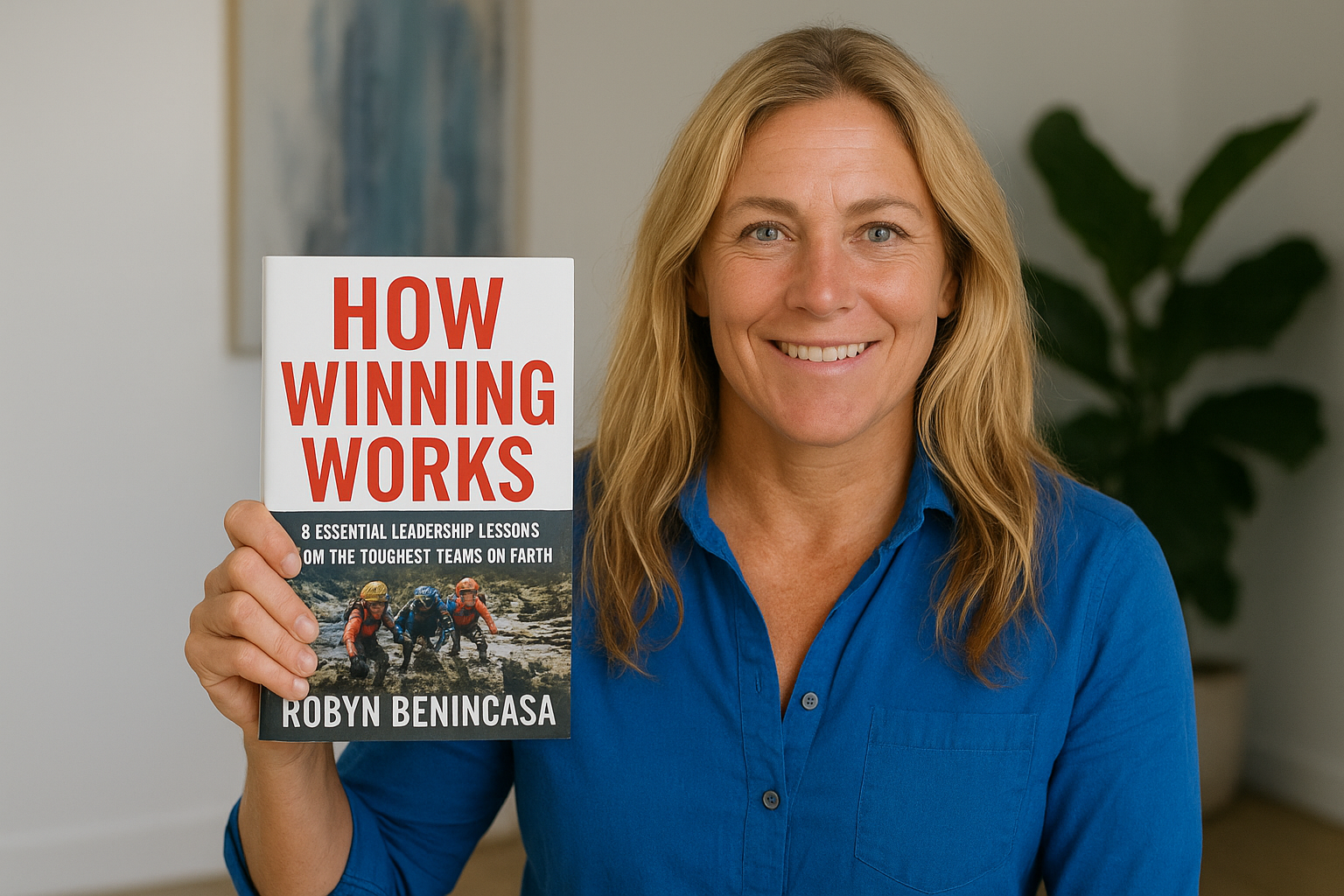
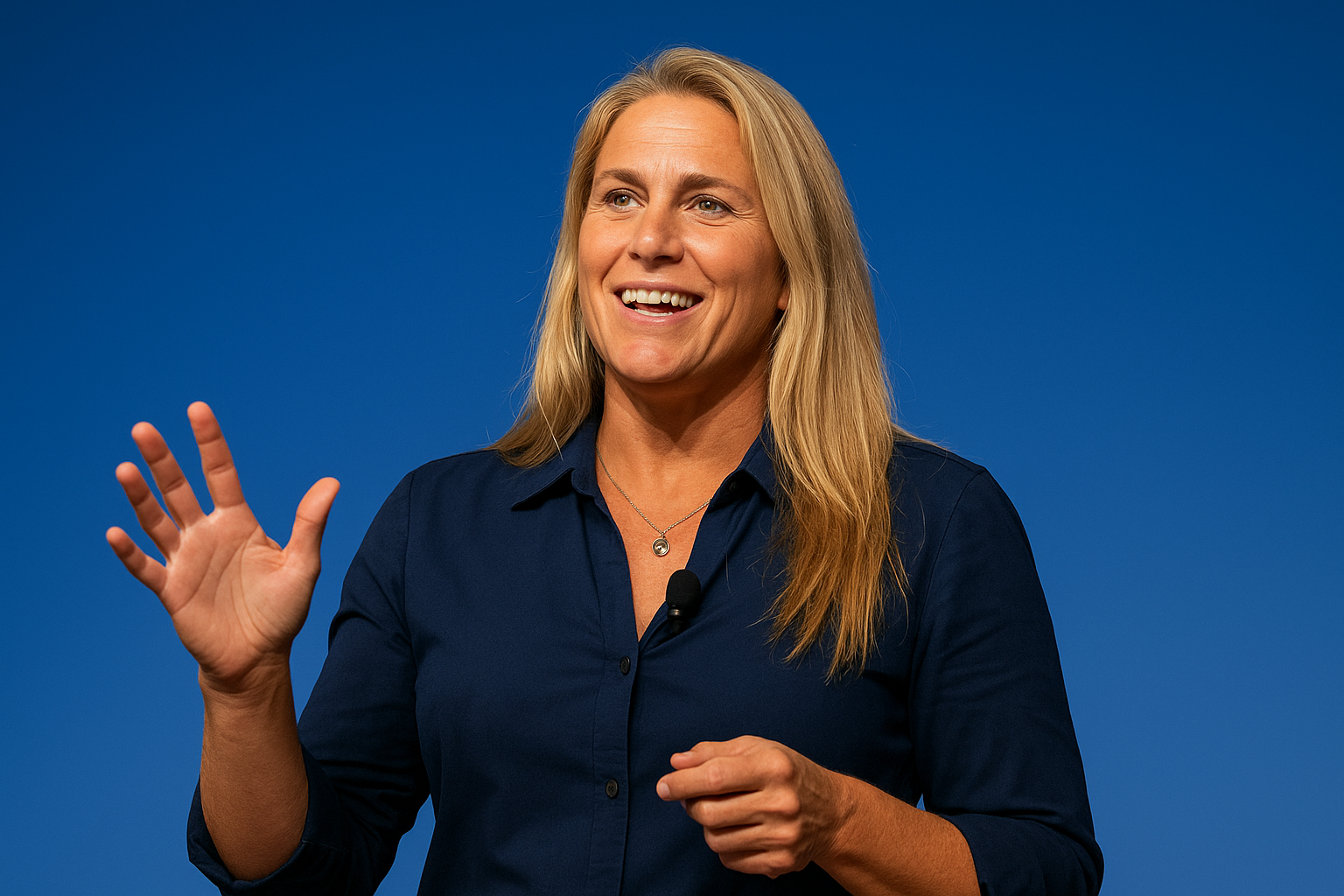
    Robyn Benincasa spent over 20 years as a San Diego firefighter while also captaining Team Odyssey, the adventure racing squad that dominated the sport for a decade and a half. She’s a world champion adventure racer, a CNN Hero for founding The Project Athena Foundation, and the New York Times best-selling author of "How Winning Works: 8 Essential Leadership Lessons From The Toughest Teams on Earth." Before any of that, she worked as a pharmaceutical and hospital supply sales rep, which means she’s sat on both sides of the table event planners care about: the boardroom and the burning building. That combination of blue-collar grit and corporate sales experience is rare among motivational celebrity speakers, and it’s part of why her stories land with audiences who are skeptical of speakers who’ve only ever competed or only ever sold.

    Signature topics

    Robyn built her keynotes around real team performance instead of motivational platitudes. Her flagship talk, T.E.A.M.W.O.R.K., breaks down the eight essential elements of a world-class team culture using stories pulled directly from multi-day expedition races where a single weak link ends the whole team’s race. She also delivers WIN AS ONE, focused on cross-functional collaboration, and INSPIRING GREATNESS THROUGH G.R.I.T., built for teams navigating adversity or change. Each talk is customizable for sales kickoffs, leadership offsites, or full conference audiences, and she offers both in-person and virtual formats, which is why she shows up on shortlists of sales motivational speakers.

    The best team stories don’t come from watching from the sidelines, they come from someone who’s led teams through actual life-or-death stakes.

    Best for your event

    Organizations facing a merger, a sales slump, or a culture reset get the most out of booking Robyn. Companies like Allstate, Northrop Grumman, and Boston Scientific have brought her in specifically because her frameworks translate into measurable outcomes, not just applause. One sales team she worked with moved from 17th to 1st nationally after adopting her team culture principles, which is the kind of result HR leaders and executives can point to when justifying a speaker budget internally.

    Speaking fee range

    Fees for top celebrity motivational speakers with Robyn’s résumé typically fall in the $30,000 to $50,000 range depending on format, travel, and customization, in line with what keynote speakers cost across the industry. Virtual keynotes generally run lower than in-person bookings. You can request exact availability and pricing through her booking page, where her team will match the talk to your event’s size and goals.

    2. Magic Johnson

    Background

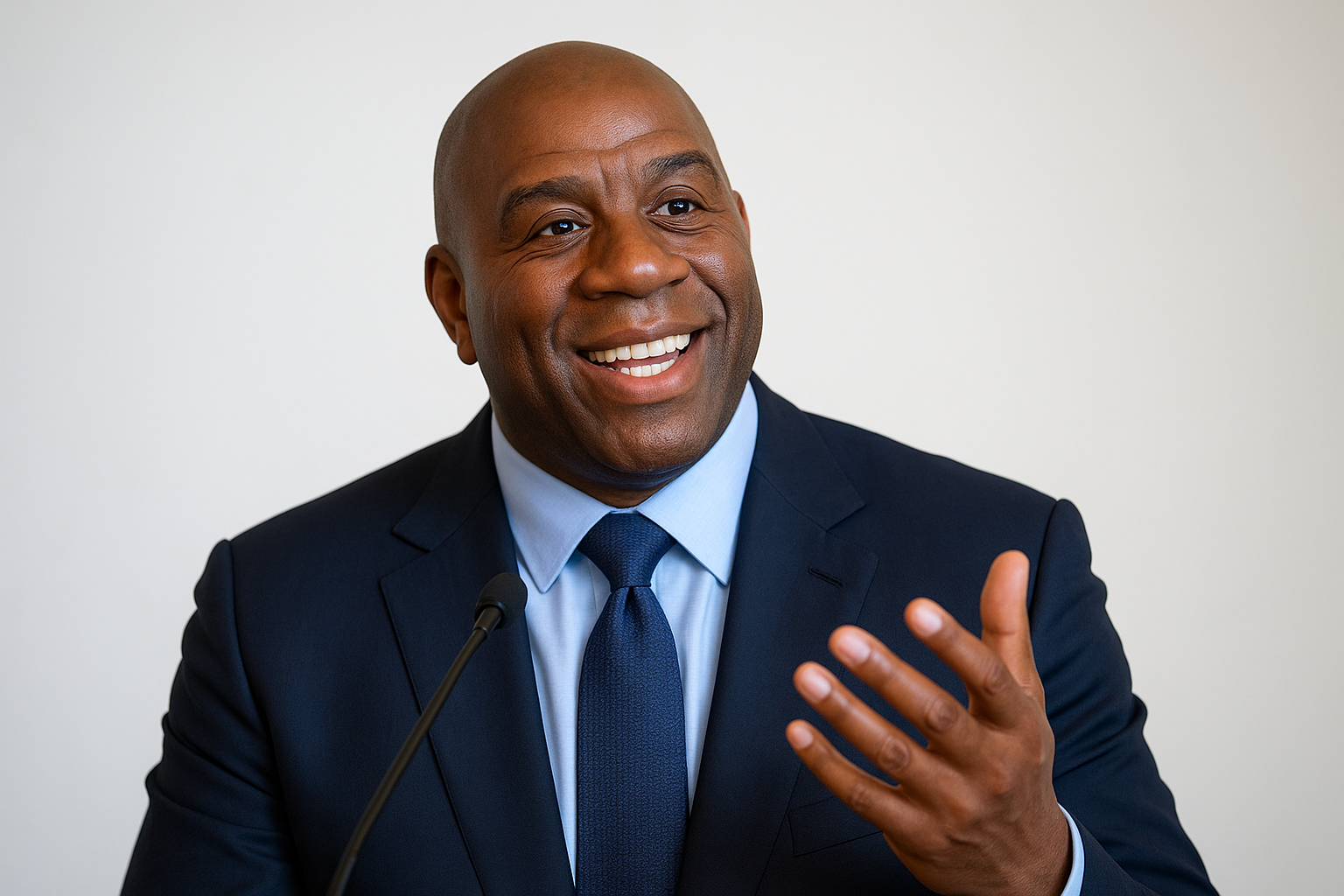
    Earvin "Magic" Johnson won five NBA championships with the Los Angeles Lakers before building a business empire worth billions through Magic Johnson Enterprises, Starbucks franchise ownership, and stakes in sports teams including the Los Angeles Dodgers. His public disclosure of his HIV diagnosis in 1991 reshaped how the country talked about the disease, and he turned that moment into decades of advocacy and business reinvention rather than retreat. Few conference celebrity speakers can claim championship pedigree and a second career as a serious investor, which is exactly why corporations booking growth-focused events want him on stage.

    Signature topics

    Magic speaks on transforming setbacks into opportunity, building winning organizational cultures, and translating athletic discipline into business success. His talks draw heavily on his transition from point guard to entrepreneur, covering how he built partnerships with companies like Starbucks and Burger King by studying markets the way he once studied opposing defenses. He also addresses diversity, resilience after public health crises, and leadership under scrutiny.

    A championship mindset isn’t about talent alone, it’s about what you do after the moment everyone thought would end your career.

    Best for your event

    Companies looking for one of the best celebrity public speakers to headline a major sales conference or shareholder event often turn to Magic because his name recognition guarantees attendance and media attention. He suits large-scale conferences, franchise conventions, and diversity and inclusion summits where his personal story adds weight to the business content.

    Speaking fee range

    Booking Magic Johnson typically costs between $100,000 and $200,000, reflecting his global name recognition and business stature. Virtual appearances, when available, run lower but are limited given his active business schedule.

    3. Daymond John

    Background

    Daymond John built FUBU from a Queens rowhouse into a $6 billion streetwear brand before reinventing himself as one of the original sharks on ABC’s "Shark Tank." He grew up making hats at his kitchen table, financed his first FUBU run by mortgaging his mother’s house, and now invests in and mentors small businesses on national television every week. That path from bootstrapped founder to household name makes him one of the most requested celebrity entrepreneur speakers and motivational business speakers on the corporate circuit, especially for companies that want a speaker who’s actually built and sold a product rather than just talked about business theory.

    Signature topics

    John speaks on brand building, the power of broke, and what he calls "the sharks’ code" for spotting opportunity before competitors do. His talks walk audiences through real negotiation stories from the Shark Tank set, showing how founders pitch, pivot, and close deals under pressure. He also covers diversity in entrepreneurship and how to scale a company without losing the scrappy instincts that built it.

    The founders who win aren’t the ones with the most money, they’re the ones who refuse to quit when they have the least.

    Best for your event

    Sales conferences, entrepreneurship summits, and franchise conventions get outsized value from booking Daymond John. His stories resonate with growth-stage companies and startups looking for permission to take bigger risks, and his television fame guarantees a packed room and strong social media buzz around the event.

    Speaking fee range

    Expect to pay between $75,000 and $150,000 for a Daymond John keynote, with pricing shaped by format, location, and whether the engagement includes a meet-and-greet or workshop add-on.

    4. Mel Robbins

    Background

    Mel Robbins spent years as a CNN legal analyst and radio host before a viral TEDx talk turned her into one of the most recognized motivational celebrity speakers working today. She’s the author of multiple bestsellers, including "The 5 Second Rule" and "The Let Them Theory," and her podcast regularly tops Apple’s charts. Robbins built her career on translating brain science into practical habits, which sets her apart from speakers who lean purely on personal anecdote and keeps her on lists of the best keynote speakers of 2025.

    Signature topics

    Her keynotes center on the 5 Second Rule, a countdown technique for beating hesitation and pushing through fear before your brain talks you out of action. She also speaks on confidence-building, breaking self-sabotaging habits, and, more recently, the Let Them Theory, a framework for letting go of what you can’t control at work and at home. Audiences leave with a tool they can use the next morning, not just a feeling.

    Confidence isn’t a trait some people are born with, it’s a skill you build one five-second decision at a time.

    Best for your event

    Robbins works well for sales kickoffs, women’s leadership conferences looking for a female keynote speaker, and any audience that needs a jolt of personal accountability rather than abstract strategy. HR teams booking wellness or resilience-themed offsites also request her often, since her content ties directly to burnout and decision fatigue.

    Speaking fee range

    Expect fees between $50,000 and $100,000 for a Mel Robbins keynote, with virtual sessions priced lower. Her team typically customizes talk length and Q&A format based on event size.

    5. Tony Robbins

    Background
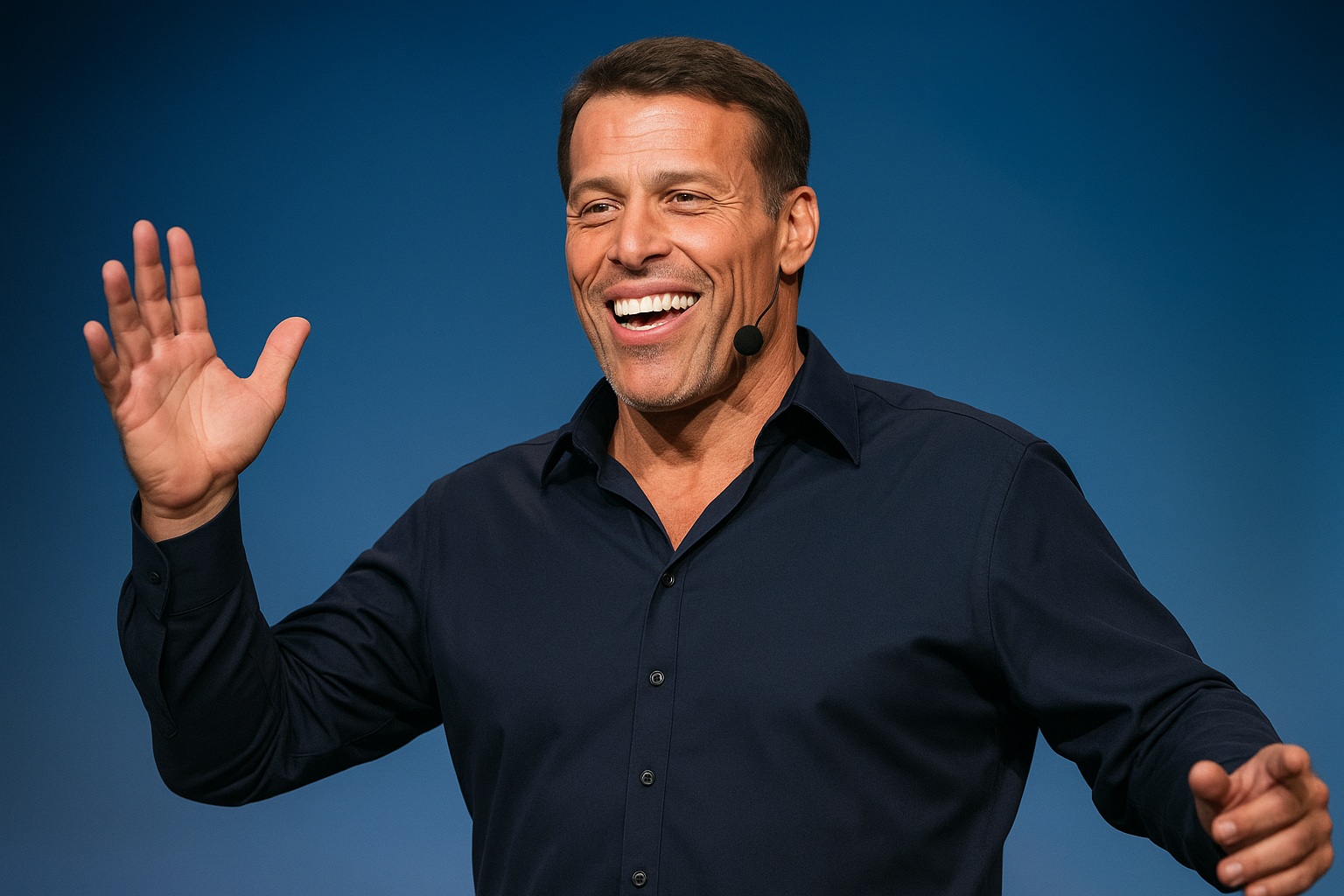
    5. Tony Robbins

    Tony Robbins built his reputation over four decades as the most recognizable name in personal development, moving from a self-help cassette-tape hustler in the early 1980s to an advisor who’s coached presidents, athletes, and Fortune 500 CEOs. His Unleash the Power Within events pack stadiums with thousands of attendees walking across hot coals, a stunt that’s become shorthand for his entire brand of high-intensity transformation. Few famous celebrity speakers command the same instant recognition, which makes him a default shortlist name for planners chasing maximum ticket sales and media coverage.

    Signature topics

    Gigantic energy defines his keynotes, which cover peak performance psychology, breaking through limiting beliefs, and what he calls "immediate massive action." He draws on his private coaching work with elite performers to teach audiences how to identify the invisible patterns sabotaging their results, then replace them on the spot. Financial mindset and business scaling also show up frequently, pulling from his bestselling books "Awaken the Giant Within" and "Money: Master the Game."

    Real change doesn’t happen through motivation alone, it happens the moment you decide the pain of staying the same outweighs the pain of changing.

    Best for your event

    Large-scale conferences and sales conventions built around big, sweeping transformation get the most out of Robbins. Companies willing to invest heavily in a single headline moment, rather than a quieter, more customized talk, should put him at the top of their list among top celebrity motivational speakers.

    Speaking fee range

    Organizers should budget between $300,000 and $1 million for a Tony Robbins appearance, among the highest in the industry. His scale and production requirements mean smaller companies rarely have the budget to secure him, even for a single hour on stage.

    6. Brené Brown

    Background

    Brené Brown spent two decades as a research professor at the University of Houston before her 2010 TEDx talk on vulnerability became one of the most viewed talks in the platform’s history. She’s the author of five number-one New York Times bestsellers, including "Dare to Lead" and "Daring Greatly," and her research on shame, courage, and connection has been adopted by companies far outside academia looking to build a healthier team culture. Among famous celebrity speakers with an academic background, she’s the rare one whose research holds up under scrutiny from skeptical executives, which is exactly why so many leadership teams trust her over speakers selling pure inspiration.

    Signature topics

    Brown’s keynotes focus on daring leadership, the connection between vulnerability and innovation, and what she calls "armored leadership" versus leadership rooted in courage. She draws on her own data collected from interviews with thousands of leaders to show why teams that avoid hard conversations underperform teams that lean into discomfort. Her talks also cover trust-building, feedback culture, and rebuilding psychological safety after periods of organizational stress.

    Courage is a collection of four teachable skills, not a personality trait some leaders happen to have.

    Best for your event

    Organizations rebuilding trust after layoffs, restructuring, or leadership turnover get outsized value from booking Brown. She suits leadership offsites, HR-led culture initiatives, and executive retreats where the goal is deeper behavioral change rather than a quick morale boost.

    Speaking fee range

    Expect fees between $100,000 and $200,000 for a Brené Brown keynote, reflecting her academic credibility and heavy demand from corporate leadership programs. Virtual sessions, when offered, come in below that range.

    7. Simon Sinek

    Background

    Simon Sinek built his reputation as an unaffiliated thinker rather than a former athlete or CEO, which sets him apart from most motivational celebrity speakers on this list. His 2009 TEDx talk on "How Great Leaders Inspire Action" remains one of the most-watched talks in TED’s history, and it launched his bestselling book "Start With Why." Sinek trained as an ethnographer before turning to leadership consulting, and that research background shows up in how he builds arguments from patterns rather than personal anecdote. Companies hire him because his frameworks feel more like tested theory than motivational fluff, which matters to executive audiences who’ve sat through plenty of hollow inspiration.

    Signature topics

    His core keynote, built around the Golden Circle, teaches audiences to lead with purpose before product or process. He also speaks on "Leaders Eat Last," covering Simon Sinek’s take on teamwork, trust, and safety inside teams, and on infinite versus finite thinking in business strategy, drawn from his book "The Infinite Game." Each talk pushes leaders to define why their organization exists before asking employees to perform.

    People don’t buy what you do, they buy why you do it, and the same rule applies to why employees stay.

    Best for your event

    Sinek suits leadership summits looking for leadership keynote speakers, brand strategy conferences, and executive retreats where the goal is aligning a team around mission rather than tactics. He’s a strong fit for companies rebranding or clarifying purpose after a merger, and among conference celebrity speakers, he draws especially strong interest from marketing and strategy-focused audiences.

    Speaking fee range

    Booking Simon Sinek typically runs between $100,000 and $200,000, with virtual keynotes priced lower depending on format and customization requests from the host organization.

    8. Eric Thomas

    Background

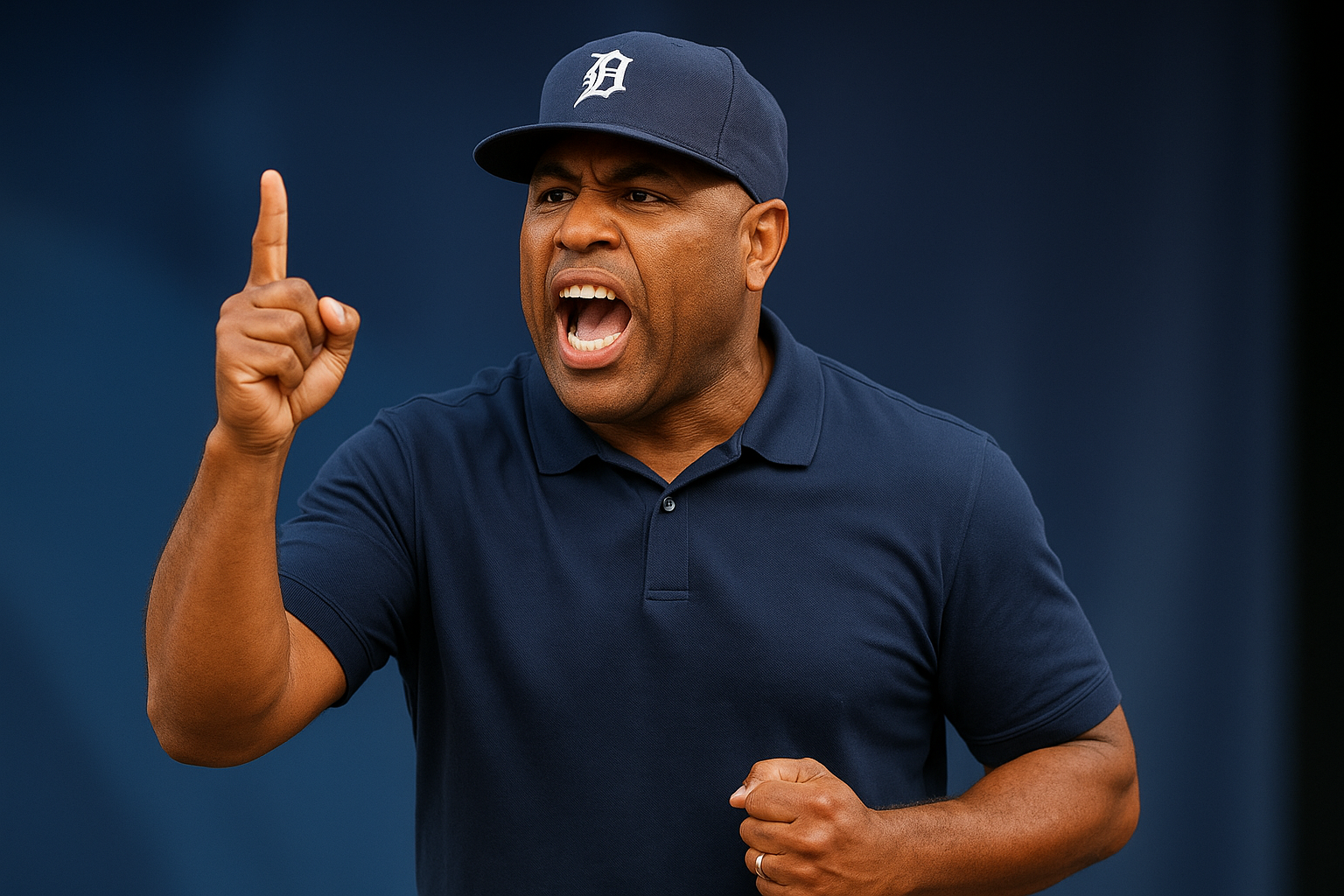
    Eric Thomas grew up homeless as a teenager in Detroit, sleeping in abandoned houses and eating out of dumpsters before he found his way into a GED program and eventually earned a doctorate in education. He built his reputation as "the hip-hop preacher," a nickname earned from a raw, rhythmic delivery style that feels more like a sermon than a slide deck. His YouTube clip "How Bad Do You Want It?" has been viewed by millions of athletes, coaches, and sales teams looking for a jolt of urgency, and it’s what first put him on the radar of conference celebrity speakers bookers outside the sports world.

    Signature topics

    Thomas speaks on grinding through adversity, defining your "why," and what he calls disrupting your own comfort to force growth. His talks lean heavily on his own survival story, using it to push audiences past excuses about circumstance or bad luck. He also works with professional sports teams and locker rooms specifically on mental toughness before big games, which gives his corporate talks an intensity most speakers can’t match.

    You don’t find motivation waiting around for good conditions, you find it the moment you decide bad conditions aren’t a good enough excuse.

    Best for your event

    Sales teams facing a tough quarter, athletic organizations, and audiences that respond to high-energy, no-excuses delivery get the most out of Thomas. He’s less suited to quieter executive retreats and works best as a closing keynote meant to send a room out fired up rather than reflective.

    Speaking fee range

    Booking Eric Thomas generally costs between $50,000 and $100,000, with pricing shaped by travel, format, and whether the event includes a workshop or locker-room-style session alongside the main keynote.

    9. Erik Weihenmayer

    Background

    9. Erik Weihenmayer

    Erik Weihenmayer lost his sight completely by age 13, and instead of treating blindness as a limit, he turned it into a launching pad. He’s the only blind person to reach the summit of Mount Everest, and he’s climbed the Seven Summits, kayaked the length of the Grand Canyon, and ice climbed frozen waterfalls most sighted athletes wouldn’t attempt. Among famous celebrity speakers who address adversity, few have a resume built on quite so much physical risk, and that credibility carries real weight with audiences who’ve heard plenty of speakers talk about overcoming obstacles without ever facing one this extreme.

    Signature topics

    Weihenmayer’s keynotes center on what he calls "no barriers," a philosophy built around treating limitations as information rather than stop signs. He covers building trust within a team when members depend on each other to survive, adapting quickly when a plan falls apart mid-climb, and reframing fear as fuel rather than a warning to retreat. His talks work well for organizations navigating disruption that would otherwise book change management speakers, since his stories are literally about recalculating a route when the mountain doesn’t cooperate.

    A barrier only becomes permanent the moment you decide it is.

    Best for your event

    Companies pushing through a difficult transition, product failure, or market disruption benefit most from booking Weihenmayer. He’s a strong fit for innovation summits, healthcare and disability-focused conferences, and any leadership offsite where the audience needs permission to keep experimenting after a setback rather than settling for the status quo.

    Speaking fee range

    Booking Erik Weihenmayer typically runs between $30,000 and $50,000, making him one of the more accessible best celebrity motivational speakers with genuine extreme-adventure credentials. Virtual sessions and shorter formats often come in below that range depending on availability and travel requirements.

    10. Cal Ripken Jr.

    Background

    Cal Ripken Jr. played 21 seasons at shortstop and third base for the Baltimore Orioles, and his run of 2,632 consecutive games remains one of the most cited records in professional sports. Fans call it The Streak, and it earned him the nickname "Iron Man," a label that now anchors his entire speaking career around reliability and showing up when it’s least convenient. Since retiring, he’s built a youth baseball empire through Ripken Baseball and become one of the more grounded best celebrity public speakers on the corporate circuit, favoring substance over showmanship.

    Signature topics

    Ripken speaks on consistency, work ethic, and what sustained excellence actually requires over a career instead of a single season. His keynotes cover handling slumps without losing confidence, mentoring younger teammates without ego, and building a personal brand around dependability rather than flash. He often ties these lessons back to specific games and seasons, giving audiences concrete proof rather than abstract principle.

    Talent gets you noticed once, showing up gets you remembered for twenty years.

    Best for your event

    Sales organizations and manufacturing or operations teams that prize dependable performance over dramatic wins respond well to Ripken. He fits leadership offsites focused on employee retention, tenure recognition events, and any conference where the goal is honoring steady contributors rather than chasing a single big moment.

    Speaking fee range

    Booking Cal Ripken Jr. typically costs between $75,000 and $150,000, depending on format and whether the engagement includes a meet-and-greet or memorabilia signing. Virtual keynotes run lower, though his team books relatively few of them compared to in-person appearances.

    11. Amy Purdy

    Background
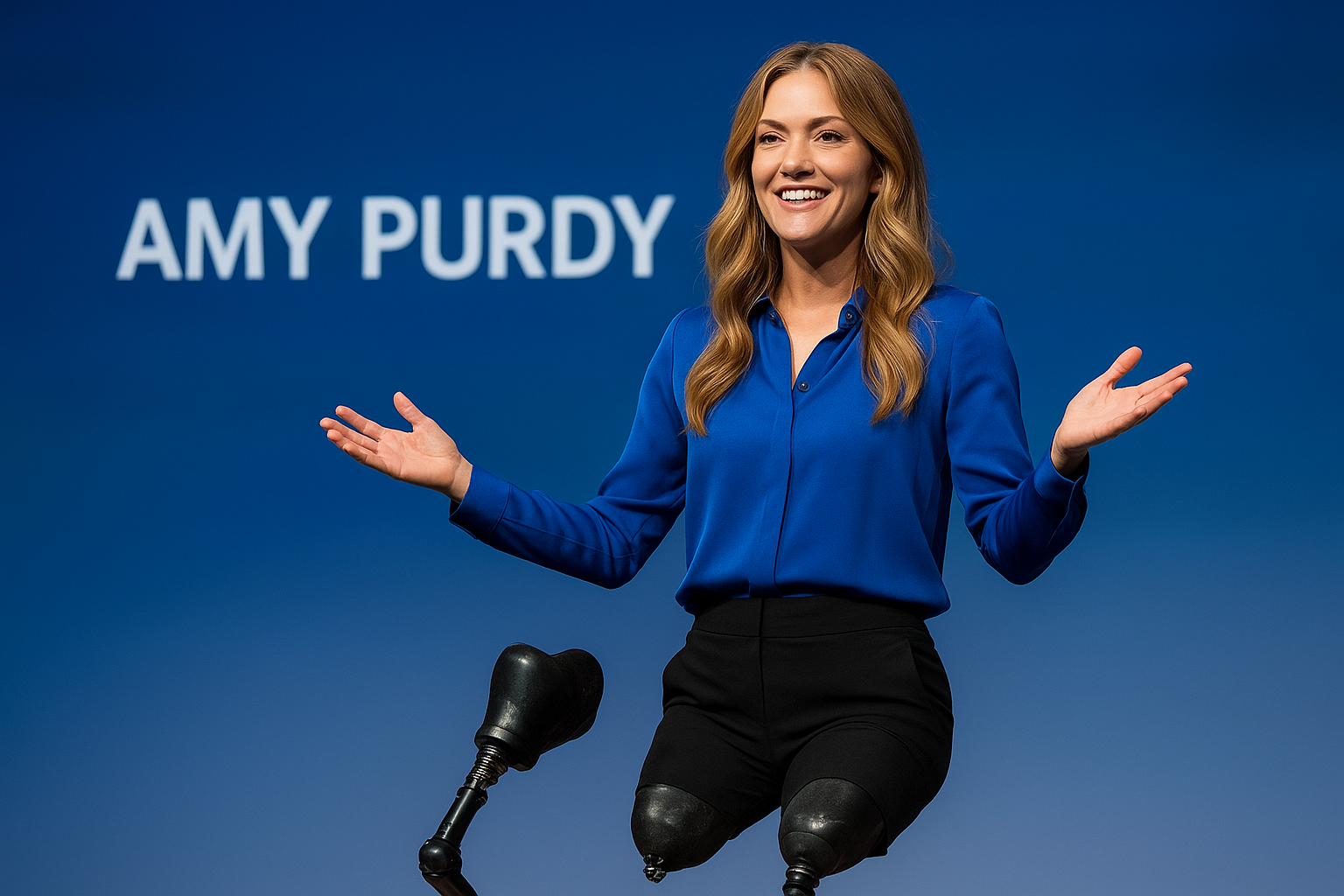
    11. Amy Purdy

    Amy Purdy lost both legs below the knee at age 19 after bacterial meningitis nearly killed her, and she rebuilt her life as a Paralympic snowboarder who’s won multiple medals and co-founded Adaptive Action Sports. She placed third on "Dancing with the Stars" using prosthetic legs, a moment that introduced her to millions of viewers who’d never seen adaptive athletics up close. Judges and organizers who book inspirational women speakers for resilience-themed events often point to Purdy first, since her story covers medical crisis, physical reinvention, and competing at an elite level after most people would have called it quits.

    Signature topics

    Her keynotes focus on reframing setbacks as redesigns rather than endings, a lesson she pulls directly from relearning how to walk, then snowboard, then dance on new legs. She speaks on adaptability under pressure, building an identity around what you can still do instead of what you lost, and turning a public setback into a bigger platform. Purdy also addresses disability inclusion and accessible design, drawing on her own work developing better prosthetic technology for other amputees.

    Losing your legs doesn’t end your story, it just forces you to write a different one.

    Best for your event

    Healthcare conferences, disability and inclusion summits, and any team recovering from a major setback or restructuring benefit most from booking Purdy. She also fits well alongside other conference celebrity speakers on programs built around resilience, since her story pairs naturally with sports or medical-industry audiences looking for a personal, high-stakes example.

    Speaking fee range

    Booking Amy Purdy generally runs between $30,000 and $50,000, with virtual keynote formats priced lower. Her team typically customizes the talk length based on whether the event includes a Q&A or meet-and-greet segment.

    12. Katie Ledecky

    Background
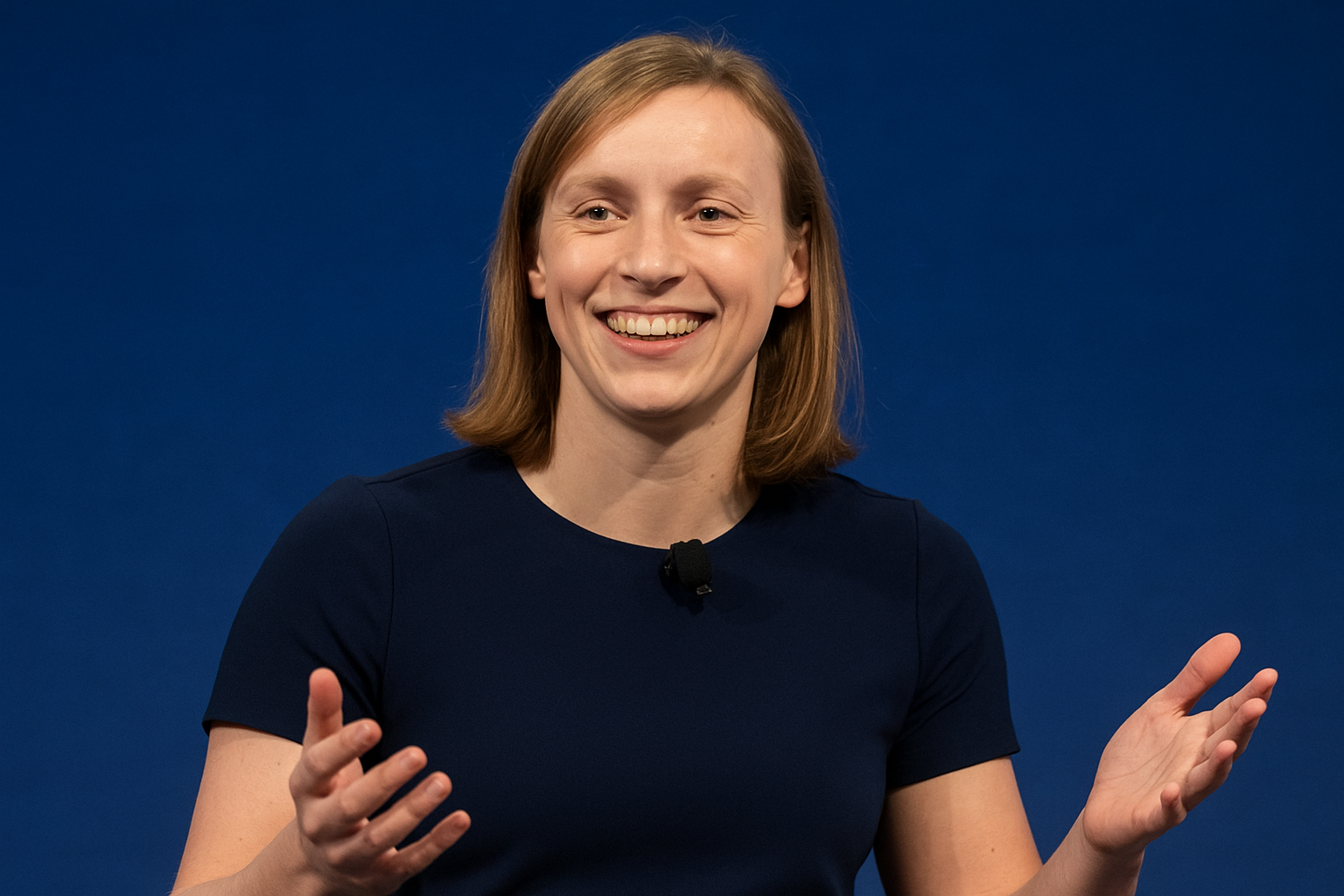
    12. Katie Ledecky

    Katie Ledecky became the most decorated female swimmer in Olympic history before she turned 27, collecting multiple gold medals across four Olympic Games and setting world records that have stood for years. She swims distances most competitors avoid because the pain threshold is too high, and that willingness to specialize in the hardest events is the foundation of her entire speaking platform. Younger than most names on this list of motivational celebrity speakers, Ledecky brings a fresh perspective that resonates strongly with companies trying to reach next-generation talent and younger sales teams.

    Signature topics

    Her keynotes center on relentless preparation, the discipline of training for years toward a single race, and staying mentally steady when the whole world expects you to win. She talks openly about setbacks, including races that didn’t go as planned, and how she rebuilt her training after disappointment instead of chasing a shortcut back to form. Ledecky also addresses balancing elite performance with education, since she completed her Stanford degree while training at an Olympic level.

    Winning a race years in the future starts with a decision you make in an ordinary practice nobody else is watching.

    Best for your event

    Companies targeting younger workforces, women’s leadership programs, and sports-adjacent brands get strong value from booking Ledecky. She fits well at recruiting events and university partnership programs where the audience responds to a peer closer to their own generation rather than a legacy figure.

    Speaking fee range

    Booking Katie Ledecky typically runs between $50,000 and $100,000, with pricing shaped by Olympic training schedules and format. Her team books a limited number of engagements each year around competition, so early outreach matters more with her than with most best celebrity motivational speakers on this list.

    13. How to choose the right celebrity speaker for your event

    Matching a speaker to your event starts with your audience’s actual problem, not the name that gets the most applause on a highlight reel. A sales team fighting complacency needs a different energy than an executive team rebuilding trust after layoffs, and the speakers above cover both ends of that spectrum. Before you hire a keynote speaker and request a proposal, write down the one shift you want attendees to make on Monday morning, then work backward to the speaker whose story supports that shift.

    Budget narrows the list fast, and it’s worth setting that range before you fall in love with a name your finance team will reject. Speaking fees for in-person and virtual keynotes among this group span from $30,000 for accessible, high-credibility names like Robyn Benincasa and Erik Weihenmayer up to seven figures for Tony Robbins, so decide early whether you’re optimizing for name recognition or for a tighter, more customizable fit.

    The right speaker isn’t the biggest name you can afford, it’s the story your audience will still be quoting a year later.

    Questions worth asking before you book:

    • Does this speaker’s story map directly to a challenge our team is currently facing?
    • Can they customize the talk for our industry, or do they deliver a fixed keynote?
    • Do past clients report measurable outcomes, not just positive feedback scores?
    • Does the fee include travel, a workshop add-on, or a meet-and-greet?
    • Is a virtual format available if travel budget or scheduling becomes a constraint?

    Running your shortlist through these filters keeps the decision focused on outcomes rather than star power alone.
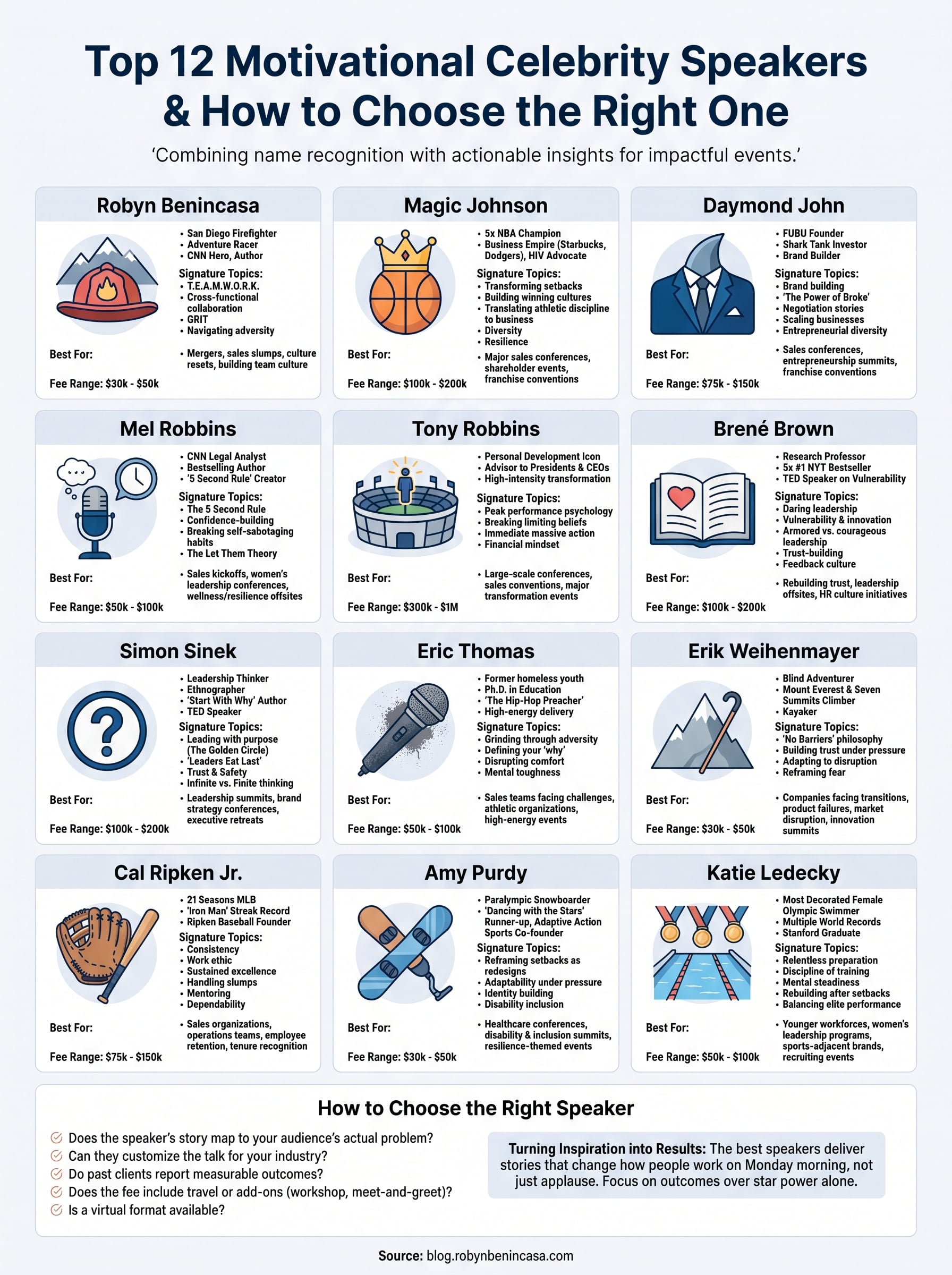
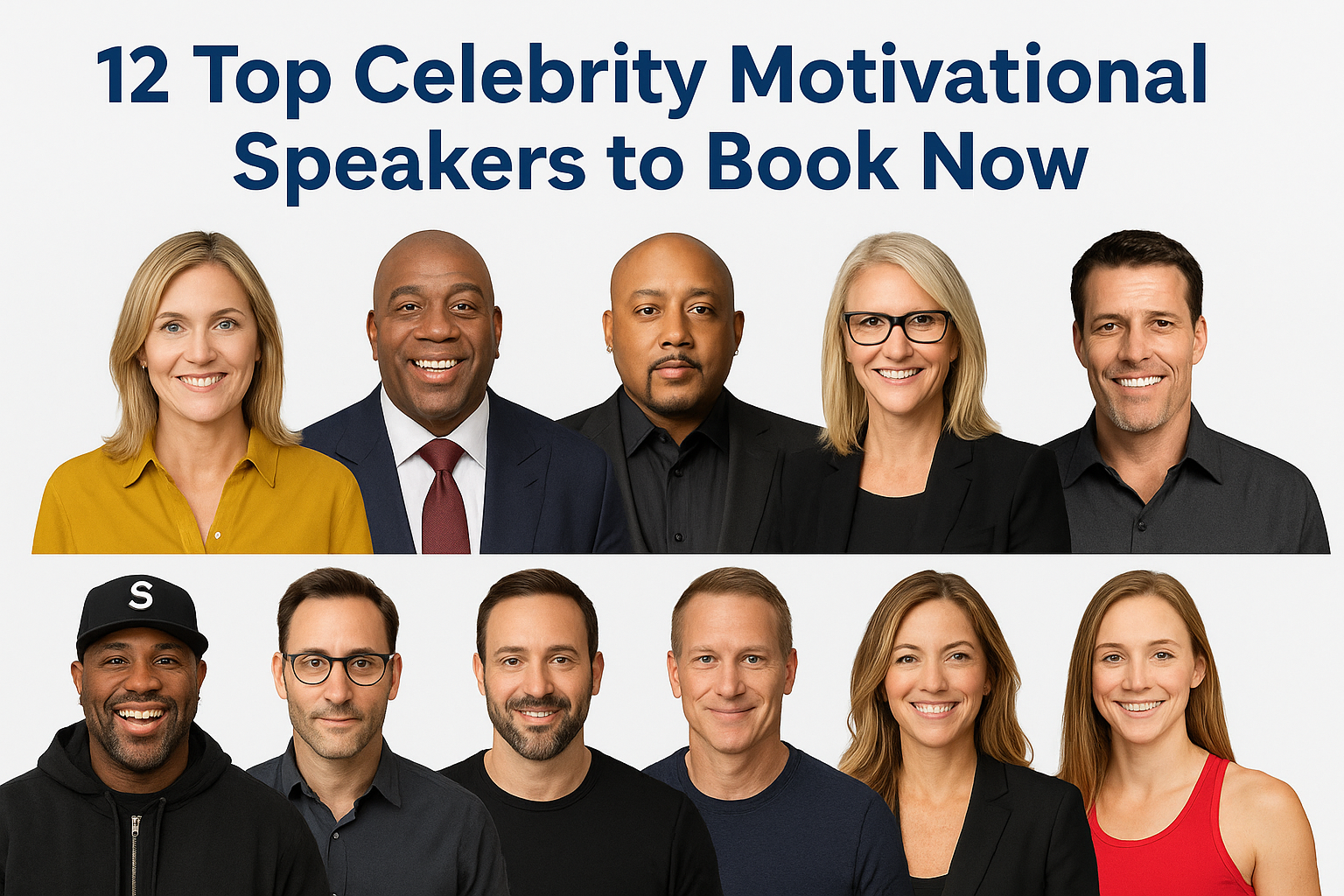
    motivational celebrity speakers infographic

    Turning celebrity inspiration into real results

    Big names fill seats, but the speakers who actually change how a team works are the ones whose stories map to a real problem in the room. Each name on this list brings a different kind of proof, whether that’s an Olympic record, a billion-dollar brand, or a decade of expedition racing, and the right fit depends entirely on the shift you need your audience to make once the applause fades. Motivational celebrity speakers earn their fee when attendees leave with something to act on Monday morning, not just a story to repeat at happy hour.

    If your team is rebuilding trust, chasing a stretch goal, or trying to break down silos before the next quarter starts, Robyn Benincasa’s track record of turning championship team culture into measurable business results makes her worth a serious look. See why she belongs at the top of your list of corporate culture keynote speakers, then check availability and request a proposal for your next event.
  • 5 Best Motivational Speakers Books to Read Right Now

    5 Best Motivational Speakers Books to Read Right Now

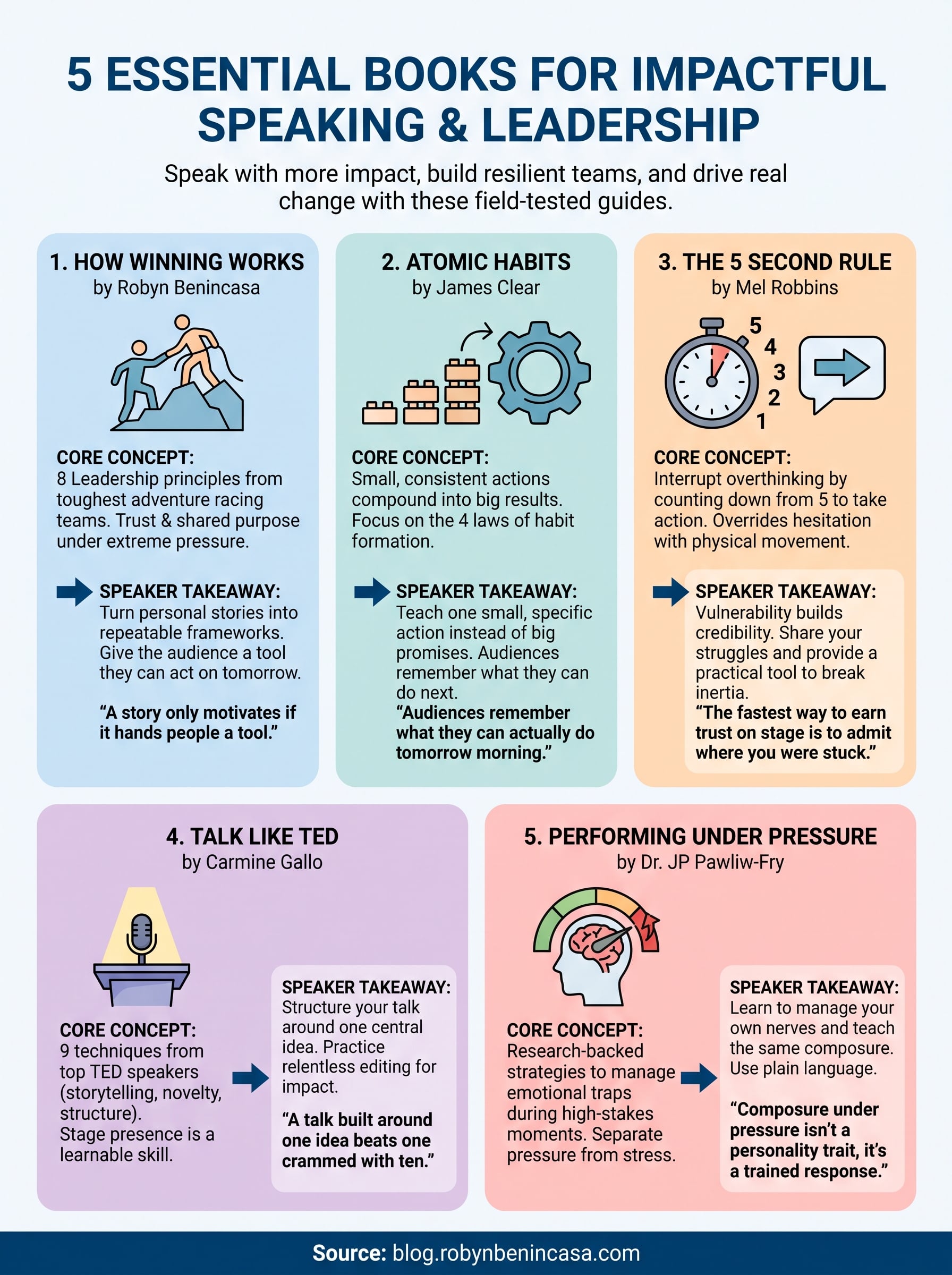
    You want to speak with more impact, whether that’s on stage, in a sales meeting, or leading your own team through change. Reading the right motivational speakers books is one of the fastest ways to get there, because you learn directly from people who have already tested their ideas in front of tough rooms and tougher audiences. The trick is knowing which books actually teach something useful versus which ones just repeat the same recycled advice about positive thinking.

    This list skips the fluff. Each book here comes from a speaker who built a track record of measurable results, not just a talent for sounding inspiring. You’ll find lessons on team culture, resilience under pressure, and what separates a forgettable talk from one that changes how people work together.

    Below, I break down five books worth your time right now, including insights from my own book on leadership lessons drawn from elite adventure racing teams and firefighting crews. If you’re preparing a keynote, coaching your team, or just want sharper communication skills, these picks will give you real frameworks you can apply immediately, not just a temporary motivational boost.

    1. How Winning Works by Robyn Benincasa

    My own book, How Winning Works: 8 Essential Leadership Lessons From The Toughest Teams on Earth, grew out of fifteen years of racing multi-day expedition races across jungles, deserts, and mountain ranges with teams that had every reason to fall apart under pressure. Instead, they won. This isn’t a collection of abstract theories from a corner office. It’s a New York Times bestseller built from real moments where trust, communication, and shared purpose meant the difference between finishing first and not finishing at all.

    1. How Winning Works by Robyn Benincasa

    What the book is about

    The book breaks down eight leadership principles I watched play out again and again on adventure racing courses and later inside corporate teams I’ve coached. It covers how elite teams handle exhaustion, conflict, and setbacks without losing cohesion, and how those same patterns show up in sales floors, hospitals, and executive suites. Each chapter pairs a firsthand racing story with a practical takeaway you can use the next time your own team hits a wall.

    Key lessons for speakers

    Speakers get a blueprint for turning personal experience into a repeatable framework. You’ll see how to structure a story so the audience walks away with something they can act on immediately, not just a feel-good moment.

    A story only motivates a room if it hands people a tool they can use the next morning.

    Who should read it

    Any speaker, HR leader, or executive trying to build a team culture that survives real pressure, not just a good quarter, will find something usable here.

    How to get it

    You can find the book plus a free companion guide on my books page, along with details on booking me as a leadership keynote speaker for a talk built around these same lessons.

    2. Atomic Habits by James Clear

    James Clear isn’t a traditional motivational speaker, but his book has shaped how thousands of speakers, coaches, and executives talk about behavior change. Atomic Habits built its reputation on one simple idea: small, consistent actions compound into results far bigger than any single burst of willpower.

    What the book is about

    Clear breaks down the science of habit formation into four laws: make it obvious, make it attractive, make it easy, make it satisfying. He backs each principle with research and real examples, from Olympic cyclists to everyday people rebuilding their routines after failure.

    Key lessons for speakers

    Speakers can borrow Clear’s structure directly. Instead of promising a big transformation, teach your audience one small, specific action they can start today, the way peak performance habits get built. That approach sticks longer than a rousing speech that fades by Monday morning.

    Audiences remember what they can actually do tomorrow morning, not what impressed them tonight.

    Who should read it

    Anyone coaching teams through slow, steady change, especially leaders tired of quick-fix pep talks, will get real value here.

    How to get it

    You’ll find Atomic Habits at any major bookstore or through Penguin Random House, its publisher.

    3. The 5 Second Rule by Mel Robbins

    Mel Robbins built her speaking career on a single, almost embarrassingly simple technique: count down from five, then move before your brain talks you out of it. The 5 Second Rule turns hesitation into action, which matters for anyone who freezes before walking on stage or making a hard call.

    What the book is about

    Robbins explains how she discovered the countdown trick during a personal low point and how it interrupts the brain’s habit of overthinking. The book mixes her own story with research on procrastination and anxiety, showing why small physical actions override mental resistance faster than motivation ever could.

    Key lessons for speakers

    Speakers learn how vulnerability builds credibility. Robbins doesn’t hide her struggles, she leads with them, then hands the audience a practical tool they can use before she’s even finished her talk.

    The fastest way to earn trust on stage is to admit where you were stuck before you show people the way out.

    Who should read it

    This one suits speakers and leaders who deal with chronically hesitant teams, plus anyone who freezes before big moments.

    How to get it

    Grab it through Hay House, its publisher, or any major bookstore.

    4. Talk Like TED by Carmine Gallo

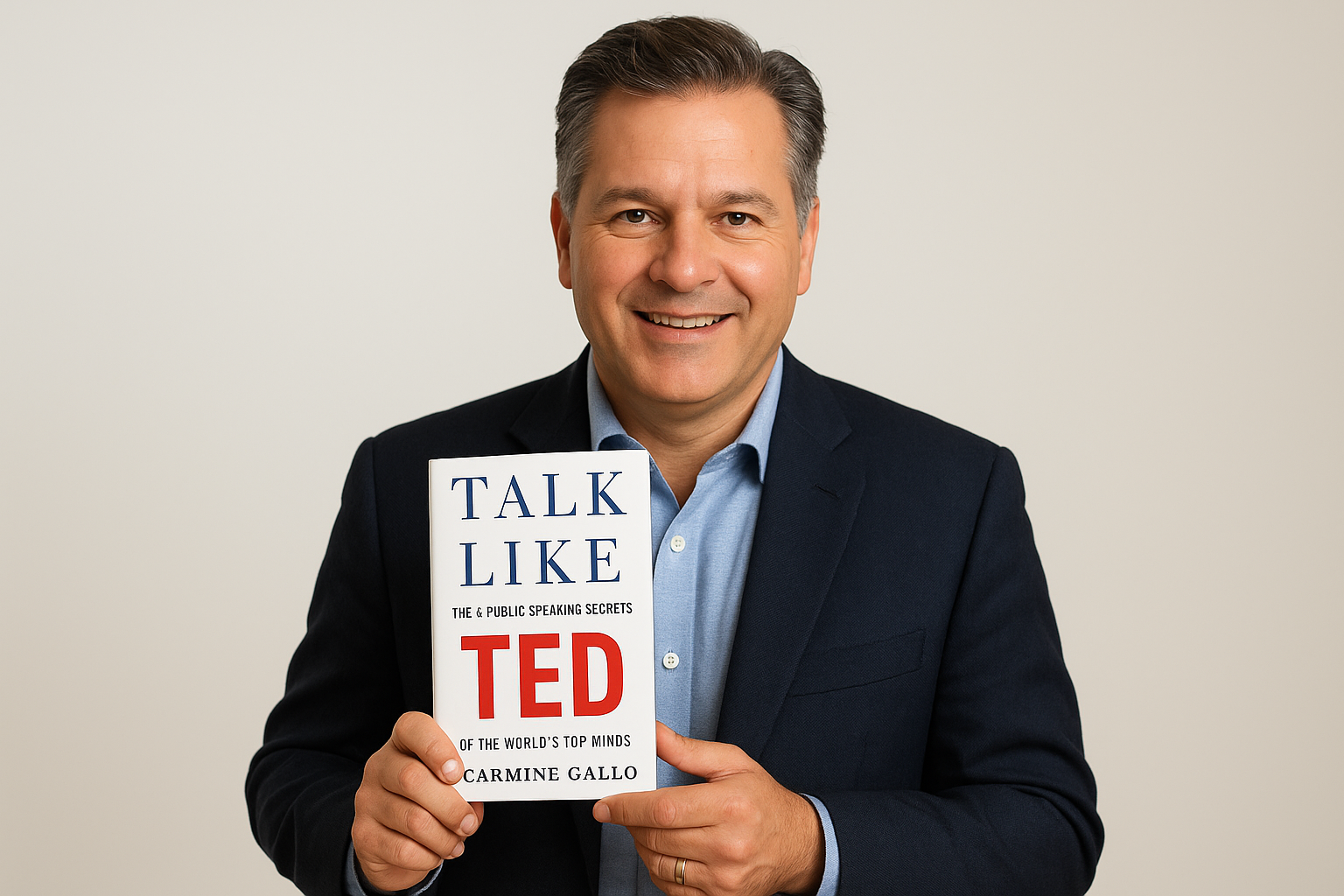
    Carmine Gallo studied hundreds of the most-watched TED talks to figure out what separates a forgettable presentation from one that hits 10 million views. Talk Like TED distills that research into patterns any speaker can copy, whether you’re addressing a stadium or a conference room of twelve people.

    4. Talk Like TED by Carmine Gallo

    What the book is about

    Gallo identifies nine techniques shared by the most compelling TED speakers, including emotional storytelling, novel information delivery, and rehearsed spontaneity. He pulls examples from scientists, entrepreneurs, and educators, showing that stage presence is a learnable skill, not a personality trait some people are born with.

    Key lessons for speakers

    Speakers get concrete techniques for pacing, humor, and structuring a talk around one central idea instead of ten scattered ones. Gallo pushes for relentless editing, cutting anything that doesn’t serve the core message.

    A talk built around one idea beats one crammed with ten.

    Who should read it

    This book suits anyone preparing a first keynote or pitch who wants a structural checklist rather than vague inspiration, especially if you’re still figuring out what a keynote speaker actually does.

    How to get it

    Find it through St. Martin’s Press or any major bookstore.

    5. Performing Under Pressure by Dr. JP Pawliw-Fry

    Dr. JP Pawliw-Fry spent two decades studying elite athletes, surgeons, and executives to answer one question: why do some people crumble under pressure while others perform their best work in it. Performing Under Pressure pulls from his research at the Institute for Health and Human Potential, backed by data from over 12,000 people across high-stakes professions.

    What the book is about

    Pawliw-Fry identifies the specific emotional and cognitive traps that derail performance during big moments, then offers research-backed strategies for staying composed and holding a peak performance mindset. He separates pressure from stress, showing why the two require entirely different responses on stage or in a boardroom.

    Key lessons for speakers

    Speakers learn to manage their own nerves before walking out, plus how to teach audiences the same skill using plain, memorable language instead of clinical jargon.

    Composure under pressure isn’t a personality trait, it’s a trained response.

    Who should read it

    This book suits speakers, sales leaders, and executives who need to perform consistently when stakes and scrutiny are highest.

    How to get it

    Find it through Crown Publishing or any major bookstore.

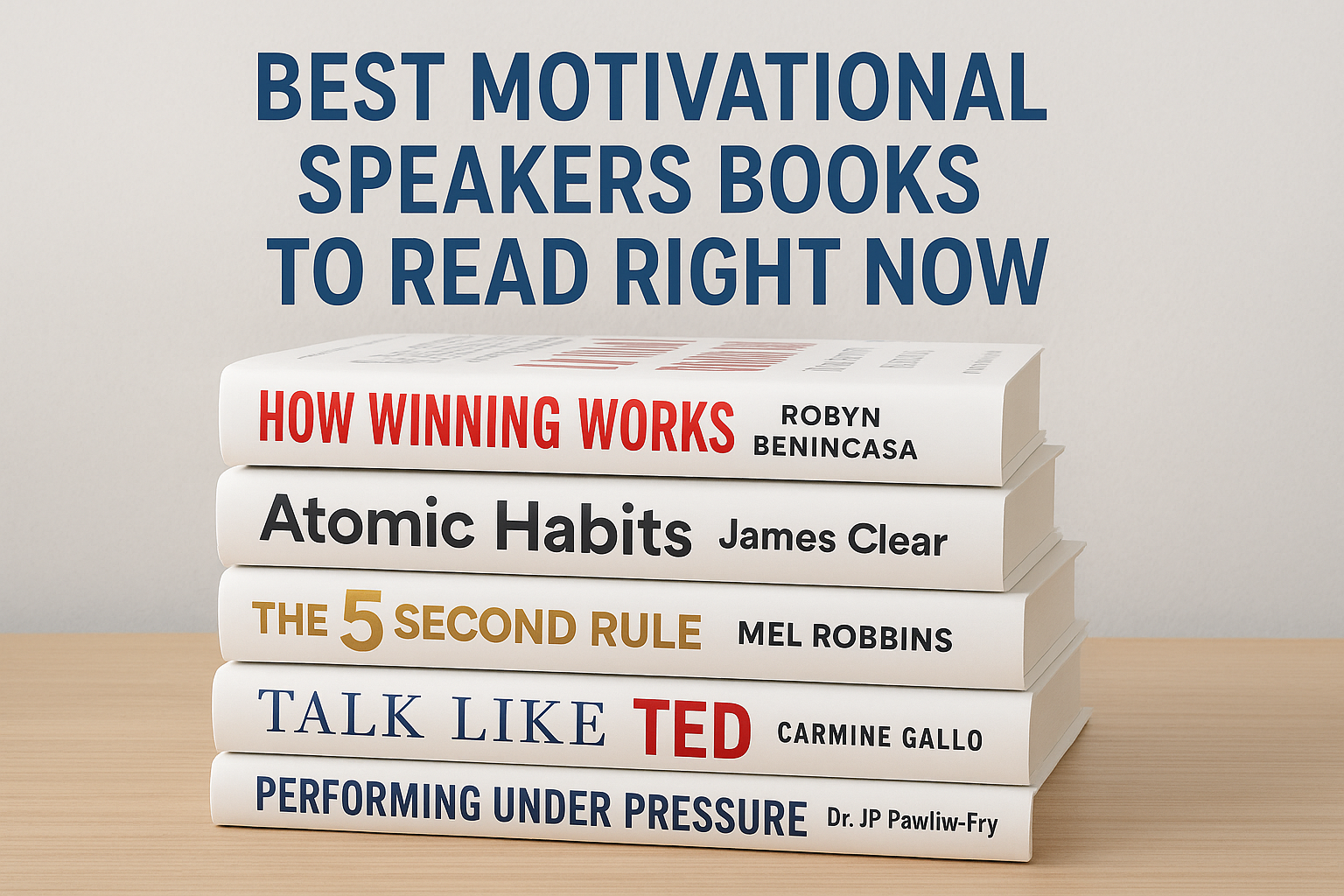
    motivational speakers books infographic

    Which book will you pick up first?

    Five books, five different angles on the same goal: speaking and leading in a way that actually changes behavior. Atomic Habits teaches small steps, The 5 Second Rule teaches action over hesitation, Talk Like TED teaches structure, and Performing Under Pressure teaches composure. My own book ties these threads together with lessons pulled from real teams facing real stakes, not hypothetical scenarios dreamed up in a conference room.

    Start wherever your current challenge points you. If your team is losing cohesion under pressure, start with mine. If you’re rebuilding daily habits, start with Clear’s. Either way, don’t just read and move on. Pick one framework and test it in your next meeting or talk this week.

    If you want to see these leadership lessons in action, here’s how to hire a keynote speaker for your next event, plus where to grab the free guide.

  • 12 Inspiring Keynote Speakers to Book for Your Event

    12 Inspiring Keynote Speakers to Book for Your Event

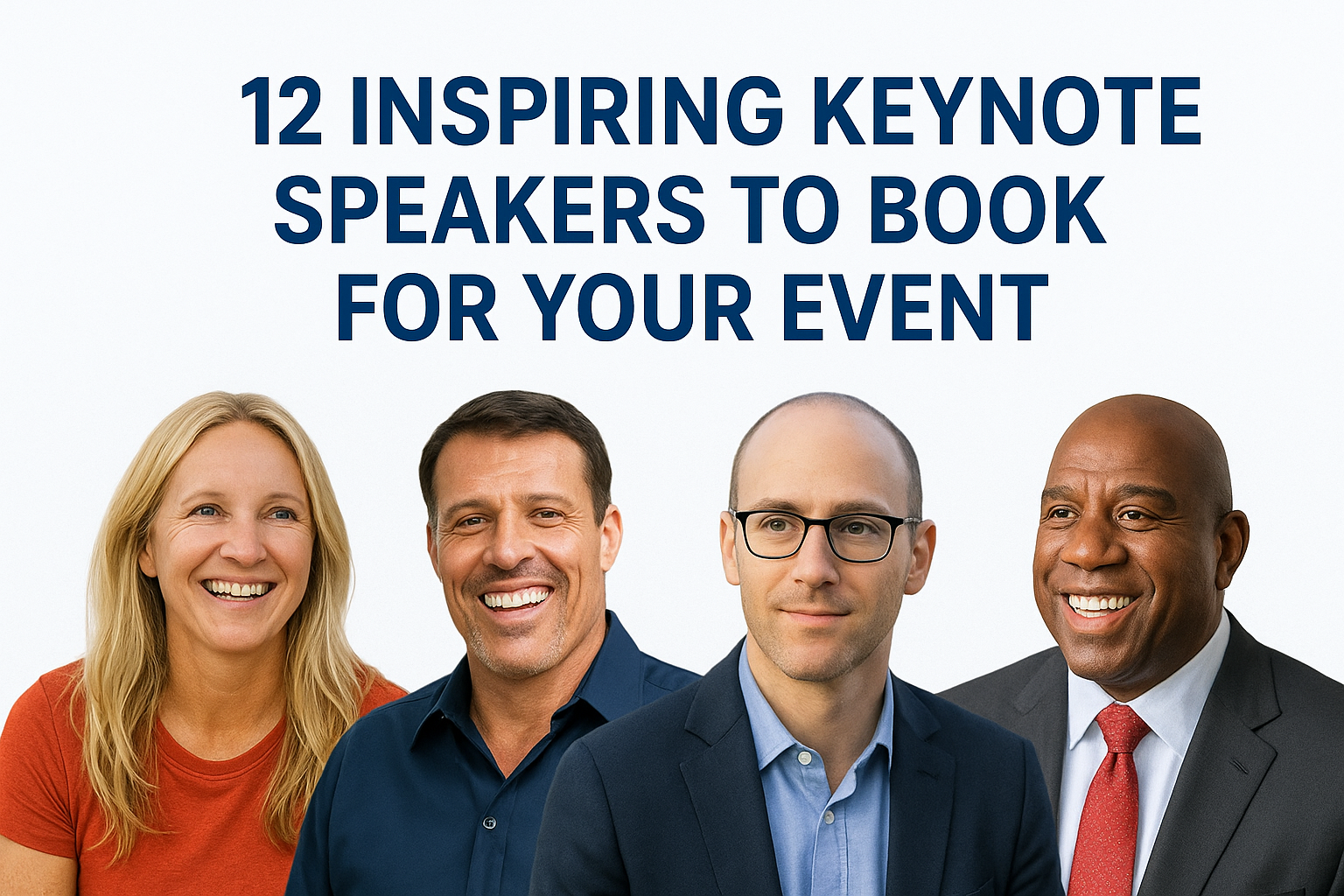
    You’ve got a conference date on the calendar and a blank line where the keynote speaker should be. Pick the wrong one and you get polite applause and a room full of people checking email by the second slide. Pick the right one and your team is still quoting the talk six months later. Finding an inspiring keynote speaker who actually changes how people work together is harder than scrolling a speaker bureau website and picking a familiar face.

    This list is built for event planners and HR leaders who need more than a big name. Each speaker here brings a proven track record of moving audiences from passive listening to real behavior change, whether that’s breaking down silos, rebuilding trust after a merger, or pushing a sales team to hit numbers they thought were out of reach. We looked at measurable business outcomes, not just applause meters.

    Below you’ll find 12 speakers worth your budget, spanning adventure, sports, military, and business backgrounds. You’ll see why firefighter and world champion adventure racer Robyn Benincasa makes the cut, alongside others who know how to turn a keynote into a culture shift your team remembers long after the event ends.

    1. Robyn Benincasa

    Background and story

    1. Robyn Benincasa

    Robyn Benincasa spent over 20 years as a San Diego firefighter while also captaining Team Odyssey/Adventure, a world champion adventure racing team that dominated multi-day, multi-sport expedition races across deserts, jungles, and mountain ranges for 15 years. She didn’t win those races because her team had the strongest athletes. She won because she learned, race after grueling race, how to weld strangers into a unit that trusted each other in the worst conditions imaginable. That’s the story she brings to the stage, not a motivational anecdote borrowed secondhand, but a life spent testing leadership theory against real physical and organizational stakes. She’s also the founder of the Project Athena Foundation, a nonprofit supporting women recovering from major health crises, work that earned her recognition as a CNN Hero. Her book, How Winning Works, became a New York Times bestseller by translating those extreme-environment lessons into language corporate teams actually use.

    Signature topics

    Robyn’s keynotes run on frameworks built from firsthand experience, not borrowed slide decks. Her flagship talk, T.E.A.M.W.O.R.K., breaks down eight essential elements of a world-class team culture, and it’s become a go-to for organizations trying to name what’s broken in their own teams. Other signature topics include WIN AS ONE, which focuses on aligning departments around shared goals, INSPIRING GREATNESS THROUGH G.R.I.T., built for teams facing burnout or major change, and WHY WINNERS WIN, which digs into the mindset separating high performers from everyone else. Each talk is available live or virtually, and she customizes examples to match the client’s industry before she ever steps on stage.

    A keynote only sticks when the speaker has actually lived the lessons they’re teaching.

    Who she’s best for

    Robyn works best for organizations navigating a specific inflection point: a merger that’s created silos, a sales team stuck mid-pack, or a workforce spread across departments that don’t talk to each other. Companies like Allstate, Northrop Grumman, Boston Scientific, and Indivior have booked her for exactly this reason, and the results show up in numbers, not just survey scores. One sales team she worked with moved from 17th to 1st nationally after applying the principles she teaches as a corporate culture keynote speaker. If your event planners need a speaker who can hold a room of executives and frontline employees equally well, she fits that range comfortably.

    Speaking fee range

    Detail Information
    Format In-person and virtual keynotes
    Typical audience Corporate leadership, sales teams, HR-led culture initiatives
    Booking resource Free 18-page team building and leadership guide available on request
    Fee range Available upon request through her booking page

    Exact pricing depends on your event date, location, and format, so reach out directly for a quote. Given the specificity of her frameworks and the customization she puts into every talk, most planners find the investment lines up with the measurable shifts their teams see afterward.

    2. Tony Robbins

    Background and story

    Tony Robbins built his name from nothing more than a folding table and a cassette tape business in the early 1980s, and four decades later he’s coached everyone from Serena Williams to sitting heads of state. His own story starts rough: a chaotic childhood, four evictions before he turned 18, and a decision at 17 to teach himself the psychology of change instead of waiting for someone to fix his circumstances. That grit became the foundation for Unleash the Power Within, the multi-day event that’s turned him into arguably the most recognized name in personal development worldwide. Robbins doesn’t lecture from a podium so much as run the room, pulling volunteers on stage and pushing audiences through physical, emotional exercises most speakers wouldn’t attempt.

    Signature topics

    His core material centers on peak performance psychology, decision-making under pressure, and what he calls "state management," the idea that your physiology drives your results before your strategy ever does. Corporate audiences typically book him for talks on leadership under uncertainty, business growth, and personal mastery, often adapted from his bestselling books Awaken the Giant Within and Money: Master the Game.

    The best motivational keynote speakers don’t just inspire a room, they physically move people out of their seats and into a different mindset.

    Who he’s best for

    Robbins fits large-scale conferences and sales kickoffs where the goal is high energy and a jolt of urgency, not quiet reflection. Organizations with budgets to match his celebrity status, and audiences of several hundred or more, get the most value from his format.

    Speaking fee range

    Detail Information
    Format Primarily in-person, large arena-style events
    Typical audience Sales conferences, large corporate events
    Fee range $300,000 to $1 million+ per engagement

    Companies planning smaller, more intimate sessions with a lower budget should look further down this list, or review what keynote speaker rates look like and why before setting one.

    3. Simon Sinek

    Background and story

    Simon Sinek spent years working in advertising before a career slump pushed him to study why some leaders and organizations inspire loyalty while others just issue orders. That research turned into a 2009 TEDx talk, "How Great Leaders Inspire Action," which became one of the most-watched TED talks of all time and launched his career as a bestselling author and sought-after inspiring keynote speaker. He’s since written Start With Why, Leaders Eat Last, and The Infinite Game, each one built on the same core question: what makes people willing to follow a leader instead of just working for one. Unlike speakers who lean on personal survival stories, Sinek’s authority comes from pattern recognition across hundreds of organizations he’s studied and consulted for, from startups to the Pentagon.

    Signature topics

    His flagship concept, the Golden Circle, argues that organizations that lead with purpose ("why") before product ("what") build far more durable loyalty from customers and employees alike. Corporate audiences also book him for talks on infinite-mindset leadership, what Simon Sinek teaches about teamwork, and what he calls the "circle of safety," a framework for why some workplaces feel safe enough for people to do their best work.

    People don’t buy what you do, they buy why you do it, and the same logic applies to why employees stay or leave.

    Who he’s best for

    Sinek suits leadership offsites, association conferences, and executive retreats where the goal is reframing how leaders think about purpose and culture rather than delivering a burst of stage energy. Organizations wrestling with employee retention or a muddled mission statement tend to get the most out of his material.

    Speaking fee range

    Detail Information
    Format In-person keynotes, occasional virtual sessions
    Typical audience Executive leadership, association conferences, purpose-driven organizations
    Fee range $100,000 to $200,000+ per engagement

    Planners with tighter budgets or a need for hands-on, customized team frameworks may find better fit and value further down this list, and it helps to know what keynote speakers cost in person or virtual before comparing.

    4. Brené Brown

    Background and story

    Brené Brown spent two decades as a research professor at the University of Houston studying shame, vulnerability, and courage before most companies ever thought those words belonged in a boardroom. Her 2010 TEDx talk, "The Power of Vulnerability," turned academic research into one of the most-watched TED talks in history, and it reframed how a generation of leaders think about openness at work. Grounded in peer-reviewed research rather than personal survival stories, her authority comes from thousands of interviews she’s conducted on what separates people who show up fully from people who hide behind armor. She’s since written five number-one New York Times bestsellers, including Dare to Lead and Daring Greatly, and hosts a podcast that keeps her research current with how modern teams actually operate.

    Signature topics

    Her core keynote material centers on vulnerability as a leadership skill, not a weakness, alongside frameworks for building trust, giving and receiving feedback, and leading through uncertainty. Corporate audiences often book her for talks drawn directly from Dare to Lead, which lays out specific behaviors that separate armored leadership from what she calls "daring leadership."

    Vulnerability isn’t weakness, it’s the birthplace of trust, and trust is what makes teams actually perform.

    Who she’s best for

    Brown fits organizations working through cultural change where leaders need permission to be honest about what isn’t working. HR teams tackling burnout, psychological safety, or a leadership bench that’s gone quiet under pressure tend to get the most value from her material. She also resonates with audiences that skew toward introspection over high-energy stage antics, think leadership summits and women-in-business conferences rather than sales kickoffs.

    Speaking fee range

    Detail Information
    Format Primarily in-person, select virtual sessions
    Typical audience Leadership summits, HR-led culture initiatives, executive retreats
    Fee range $200,000 to $300,000+ per engagement

    Her fee sits well above what most mid-size companies budget for a single keynote, so planners weighing cost against customization may want a speaker further down this list who tailors examples directly to their industry.

    5. Mel Robbins

    Background and story

    Mel Robbins started as a CNN legal analyst and radio host before a rough personal stretch, including job loss and financial strain, pushed her to figure out why she couldn’t make herself follow through on the changes she knew she needed. That struggle led her to develop the 5 Second Rule, a simple countdown technique for beating hesitation before your brain talalks you out of taking action. The idea took off after her TEDx talk in Cleveland went viral, and it’s since turned into a bestselling book, a top-ranked podcast, and one of the most-booked keynote circuits in the country. Robbins built her authority the hard way, testing her own method on herself before she ever pitched it to an audience, which gives her material a lived-in honesty that resonates with people who are tired of theory.

    Signature topics

    Her core keynote centers on the 5 Second Rule and how it applies to decision-making, procrastination, and confidence under pressure in a work setting. She also speaks on motivation science, habit change, and what she calls "letting people be wrong about you," a framework aimed at leaders who get stuck seeking approval instead of taking action. Corporate audiences often request her material paired with her newer research on anxiety and high performance, drawn from her book The High 5 Habit.

    Confidence isn’t a feeling you wait for, it’s an action you take first.

    Who she’s best for

    Robbins works well for sales teams and individual contributors who need a practical push past hesitation rather than a big-picture culture overhaul, and she belongs on any shortlist of sales motivational speakers. She also fits well-being-focused conferences, women’s leadership events, and any audience that responds better to a relatable, no-nonsense delivery than a celebrity-style production.

    Speaking fee range

    Detail Information
    Format In-person and virtual keynotes
    Typical audience Sales teams, well-being conferences, women’s leadership events
    Fee range $100,000 to $150,000 per engagement

    Planners who need someone with equally strong personal credibility but a background more directly tied to team performance metrics should keep reading.

    6. Eric Thomas

    Background and story

    6. Eric Thomas

    Eric Thomas grew up homeless as a teenager in Detroit, sleeping in abandoned houses and eating out of dumpsters before he found a mentor who pushed him back into school. That path took him from GED to doctorate, and it’s the raw material behind everything he now teaches from a stage. Known widely as "ET the Hip Hop Preacher," Thomas built his following through YouTube videos filmed in his car, long before any speakers bureau came calling, and his most famous clip, on wanting success as badly as you want to breathe, has been viewed tens of millions of times. Professional sports teams noticed first. He’s worked with the Pittsburgh Steelers, the Michigan football program, and Olympic athletes who wanted the same intensity he brought to his own comeback.

    Signature topics

    Thomas speaks on grit, work ethic, and turning pain into purpose, drawing directly from his own years without stable housing rather than borrowed case studies. His talks push audiences to examine their own excuses, and he’s blunt about the fact that most people quit right before the payoff arrives. Corporate versions of his material focus on sales performance, accountability, and building a culture where mediocrity isn’t tolerated.

    You don’t inspire people by telling them it’ll be easy, you inspire them by showing them you survived when it wasn’t.

    Who he’s best for

    Thomas fits sales kickoffs, athletic organizations, and any team that’s grown complacent and needs a jolt rather than a gentle nudge. He resonates especially well with younger workforces and blue-collar or frontline teams who respond to direct, unfiltered delivery over polished corporate language. Planners looking for reflective, research-driven content should look elsewhere on this list.

    Speaking fee range

    Detail Information
    Format Primarily in-person, high-energy delivery
    Typical audience Sales teams, athletic programs, frontline workforces
    Fee range $50,000 to $75,000 per engagement

    His fee sits lower than several names on this list, making him a realistic option for mid-size companies that still want star power and stage intensity.

    7. John Maxwell

    Background and story

    John Maxwell started out as a pastor leading small congregations before he realized that the leadership principles growing his churches applied just as well to boardrooms. He founded the John Maxwell Company and the John Maxwell Team, building a coaching and training network that’s certified tens of thousands of leadership coaches worldwide. Decades of writing, teaching, and mentoring turned him into one of the most cited names in leadership development, with over 30 million books sold across titles like The 21 Irrefutable Laws of Leadership and Developing the Leader Within You. Unlike speakers who lean on a single dramatic turning point, Maxwell’s authority comes from sheer repetition and refinement, decades spent testing the same principles against real organizations and adjusting what didn’t hold up.

    Signature topics

    His keynotes center on practical leadership frameworks, particularly how influence, not authority, is what actually moves a team forward. Corporate audiences often request material built around his 21 Laws, along with talks on developing leaders at every level of an organization rather than just at the top. He also speaks on intentional living and growth, themes that resonate with audiences looking for a long-term leadership philosophy rather than a one-time jolt of energy.

    Leadership isn’t a title you’re given, it’s influence you earn one decision at a time.

    Who he’s best for

    Maxwell suits organizations building internal leadership pipelines, think mid-level manager training, succession planning events, and association conferences focused on developing talent rather than firing up a sales floor. Companies wanting a speaker whose material connects directly to ongoing coaching or executive leadership training programs tend to get the most value here.

    Speaking fee range

    Detail Information
    Format In-person and virtual keynotes
    Typical audience Leadership development programs, association conferences, manager training events
    Fee range $50,000 to $100,000 per engagement

    Planners looking for a speaker who pairs leadership theory with firsthand, high-stakes experience may find a closer fit elsewhere on this list.

    8. Adam Grant

    Background and story

    Adam Grant became the youngest tenured professor at Wharton by studying something most business schools ignored: how generosity and motivation actually shape organizational performance. His research career produced peer-reviewed studies on workplace psychology long before he became a bestselling author, and that academic grounding still sets him apart from speakers who work off personal anecdotes alone. He’s written Give and Take, Originals, and Think Again, each one built from data rather than opinion, and he hosts the podcast WorkLife, where he interviews leaders about what’s actually broken inside their companies. Grant’s authority rests on published research, not a single dramatic turning point, which makes him a credible pick for organizations that want evidence behind every claim on stage.

    Signature topics

    His keynotes cover organizational psychology, rethinking assumptions, and building cultures where people give more than they take without burning out. Corporate audiences frequently book him for talks on psychological safety, decision-making under uncertainty, and what separates original thinkers from people who default to the status quo. He also speaks on feedback culture, drawing from Think Again to show leaders how to argue productively instead of avoiding conflict altogether.

    The best ideas rarely come from the loudest voice in the room, they come from cultures built to reward rethinking.

    Who he’s best for

    Grant suits innovation-focused conferences and executive teams wrestling with rigid thinking or slow decision-making. Organizations that value research-backed content over motivational storytelling, think tech companies, consulting firms, and academic-adjacent industries, tend to get the most value from his material.

    Speaking fee range

    Detail Information
    Format Primarily in-person, select virtual sessions
    Typical audience Innovation teams, executive leadership, research-oriented organizations
    Fee range $100,000 to $200,000 per engagement

    Planners wanting a speaker whose stories come from lived, high-stakes team experience rather than academic study may prefer someone earlier on this list.

    9. Bethany Hamilton

    Background and story

    9. Bethany Hamilton

    Bethany Hamilton lost her left arm to a 14-foot tiger shark while surfing off Kauai at age 13, and she was back on her board less than a month later. That decision alone became the story most people know, but her career since then is what actually built her authority as a keynote speaker: she went on to compete professionally, win national titles, and build a life around the sport that nearly ended it. Her memoir, Soul Surfer, became a major film, but she’s kept building past that early fame, adding motherhood, coaching, and continued competitive surfing to a resume that now spans two decades. Unlike speakers who lean on a single dramatic anecdote and little else, Hamilton keeps adding new chapters, which gives her material room to grow instead of repeating the same story on loop.

    Signature topics

    Her keynotes center on resilience after trauma, adapting to a body and a life that changed overnight, and choosing purpose over self-pity. She speaks on faith, perseverance, and what she calls staying "unstoppable," a theme that resonates with corporate audiences facing their own version of a sudden setback, whether that’s a layoff, a failed product launch, or a health scare.

    Losing something you love doesn’t end your story, it just forces you to write the next chapter differently.

    Who she’s best for

    Hamilton suits healthcare organizations, wellness conferences, and teams navigating disability or major personal loss, where a story of physical adaptation and recovery lands harder than a business case study. She also works well for youth-focused events and women’s leadership conferences looking for an inspirational woman speaker whose credibility comes from lived, visible experience rather than research.

    Speaking fee range

    Detail Information
    Format In-person and virtual keynotes
    Typical audience Healthcare, wellness, youth, and women’s leadership events
    Fee range $30,000 to $50,000 per engagement

    Her fee sits on the more accessible end of this list, making her a strong option for organizations with a modest but meaningful speaker budget.

    10. Jessica Cox

    Background and story

    Jessica Cox was born without arms due to a rare birth defect, and she grew up refusing every prosthetic her doctors suggested because she found she could do more with her feet than any artificial limb offered. That decision shaped everything that followed: she became the first person to fly a plane using only her feet, earned a black belt in Taekwondo, and learned to drive a car, type, and even put in contact lenses without ever touching them with her hands. Her flight certification came only after instructors told her it couldn’t be done, which is a pattern that runs through her entire life story. Cox built her authority the way most of the toughest keynote speakers do, by proving skeptics wrong in public, repeatedly, rather than by delivering a single dramatic comeback. Her memoir, Disarm Your Limits, and the documentary Rightfooted both track that same throughline: adaptation as a daily discipline, not a one-time act of will.

    Signature topics

    Her keynotes focus on redefining limitations, adaptability under pressure, and what she calls flying life "rightfooted," meaning finding your own unconventional path instead of forcing yourself into someone else’s method. She speaks on perseverance, inclusion, and disability awareness, often tailoring examples to show how teams can rethink processes that assume everyone works the same way.

    Real adaptability isn’t finding a workaround once, it’s building a whole life out of workarounds that work better than the original plan.

    Who she’s best for

    Cox suits diversity and inclusion events, healthcare conferences, and teams pushing through a major operational change where the old way of doing things no longer applies. She also fits well at employee resource group events and any conference where the audience needs a concrete example of creative problem-solving rather than an abstract pep talk.

    Speaking fee range

    Detail Information
    Format In-person and virtual keynotes
    Typical audience DEI initiatives, healthcare, employee resource groups
    Fee range $20,000 to $40,000 per engagement

    Her fee makes her accessible for smaller conferences and internal company events without sacrificing a genuinely original story.

    11. Magic Johnson

    Background and story

    11. Magic Johnson

    Magic Johnson won five NBA championships with the Lakers before HIV forced him into early retirement in 1991, a diagnosis that most people at the time treated as a death sentence. Instead of disappearing from public life, he became one of the most visible advocates for HIV education in the country, then rebuilt himself again as a business mogul, owning stakes in Starbucks franchises, movie theater chains, and eventually part of the Los Angeles Dodgers. That third act is what separates him from most athlete-turned-speakers: he didn’t just cash in on his playing days, he built Magic Johnson Enterprises into a genuine commercial force in underserved communities. Few keynote speakers can claim championship-level teamwork, a public health crisis survived in the spotlight, and a real balance sheet to back up their business advice.

    Signature topics

    Johnson speaks on leadership under public pressure, drawing from both his playing career and the years he spent proving wrong the people who assumed his career and health were finished. His corporate talks focus on team chemistry, reinvention after setback, and building businesses that serve the communities they operate in. He also covers diversity in entrepreneurship, a theme that resonates with companies looking to diversify supplier networks or leadership pipelines.

    Reinvention isn’t a backup plan, it’s what separates people who peaked once from people who keep winning in new arenas.

    Who he’s best for

    Johnson fits sports-adjacent corporate events, entrepreneurship conferences, and diversity-focused business summits where audiences want one of those celebrity speakers worth booking whose name recognition comes paired with real business substance. Companies celebrating a comeback or major pivot of their own tend to connect with his story especially well.

    Speaking fee range

    Detail Information
    Format Primarily in-person
    Typical audience Sports business events, entrepreneurship conferences, diversity summits
    Fee range $200,000 to $500,000+ per engagement

    His fee reflects celebrity status more than customization, so planners wanting tailored frameworks built specifically around their industry should keep that in mind.

    12. Robin Sharma

    Background and story

    Robin Sharma left a successful law career in his twenties to write The Monk Who Sold His Ferrari, a book so far outside his professional lane that he originally self-published it out of his car trunk before it became a global bestseller translated into more than 70 languages. Decades later he’s built one of the largest leadership training practices in the world, coaching billionaire entrepreneurs, professional athletes, and royal families while continuing to publish books that sell in the millions, including The 5AM Club and The Leader Who Had No Title. Sharma’s authority comes from that unusual combination: a formal legal mind trained to argue from evidence, paired with decades of direct coaching work inside organizations that most speakers only study from a distance. He built his platform slowly, through books and consulting, rather than a single viral moment, which gives his material a depth that holds up over a full-day workshop, not just a 45-minute keynote.

    Signature topics

    His keynotes center on personal mastery and peak performance habits, particularly the idea that world-class results start with a disciplined morning routine and a ruthless protection of your best hours. Corporate audiences often request his material on leadership without a title, the idea that influence has nothing to do with your position on an org chart, along with talks on productivity systems and mental toughness drawn from The 5AM Club.

    Greatness isn’t a personality trait, it’s a routine you protect even when nobody’s watching.

    Who he’s best for

    Sharma suits executive retreats, entrepreneurship conferences, and leadership development programs built around personal habits as much as team strategy. Companies looking to pair a keynote with an ongoing coaching or training relationship tend to get strong long-term value from booking him.

    Speaking fee range

    Detail Information
    Format In-person and virtual keynotes
    Typical audience Executive retreats, entrepreneurship events, leadership development programs
    Fee range $50,000 to $100,000 per engagement

    Planners wanting a speaker whose material is grounded in team-tested, high-stakes experience rather than individual productivity habits may prefer a different fit from earlier on this list.

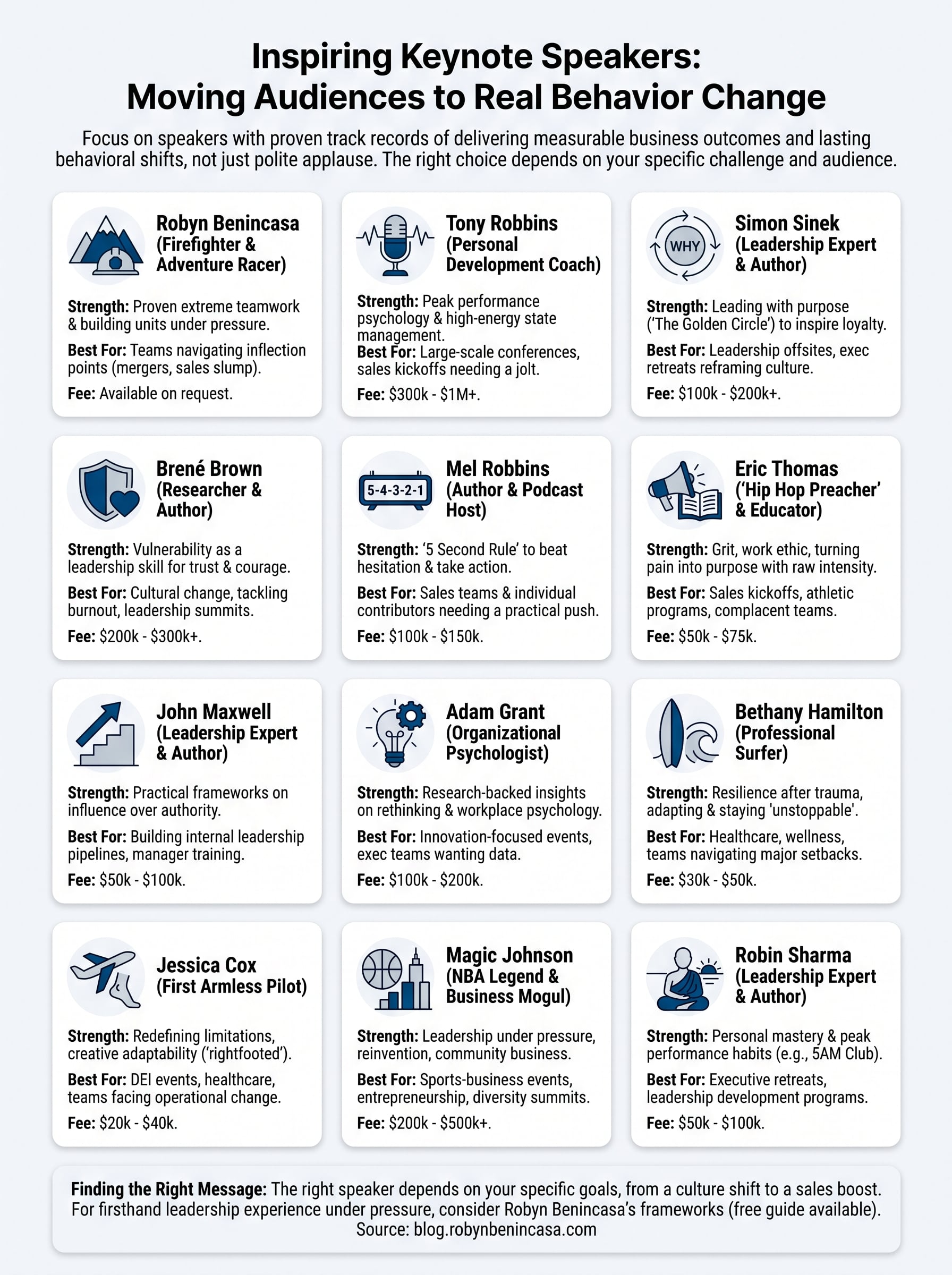
    inspiring keynote speaker infographic

    Bringing the right message to your stage

    Twelve speakers, twelve different paths to the same goal: a room that leaves changed instead of just entertained. Some names here bring celebrity wattage and a price tag to match. Others bring research, resilience, or a story that reframes what your team thought was possible. The right pick depends on your budget, your audience, and the specific problem you’re trying to solve, whether that’s a merger that’s splintered departments or a sales floor stuck in neutral.

    Getting this decision right matters more than most planners admit until after a flat event. If your team needs a speaker with firsthand, high-stakes leadership experience rather than borrowed theory, Robyn Benincasa’s frameworks come from two decades of real teams under real pressure, not a slide deck built for applause. Request her free 18-page guide to building a strong team culture and see if her story fits the culture shift you’re trying to create.

  • Team Culture in Sports: What It Is and How to Build It

    Team Culture in Sports: What It Is and How to Build It

    Talented rosters lose to average ones all the time, and it usually comes down to one thing: culture. If you coach a team that has skill but still underperforms in big moments, or players who compete hard alone but fall apart together, you’re watching a culture problem, not a talent problem. Team culture in sports is the set of shared values, habits, and unspoken rules that decide how a group behaves when nobody is watching and when everything is on the line.

    This article gives you a working definition of sports team culture and breaks down what separates teams that fold under pressure from teams that find another gear. You’ll see how culture shows up in practice habits, communication, and how a team responds to a bad loss.

    I spent 15 years racing on world championship adventure racing teams, where physical talent mattered far less than building team culture that held up through 24 hours of exhaustion and chaos. Below, I’ll walk through concrete strategies for building a sports team culture that actually holds up, plus real examples you can borrow from and adapt for your own team.

    Why team culture matters in sports

    Every coach has watched a talented team crumble in the fourth quarter while a less gifted opponent finds a way to win. That gap is culture, not talent. Sports team culture decides whether players trust each other enough to take a risk, cover for a teammate’s mistake, or speak up when the game plan isn’t working, which is why culture is important to any organization. Skill gets a team to the starting line. Culture decides who’s still standing at the finish.

    Culture determines what happens under pressure

    Adrenaline and fatigue strip away everything except habit. In my years racing 24-hour adventure races, I saw teams with superior fitness fall apart at hour eighteen because they’d never done the work of building trust within a team enough to ask for help or admit they were struggling. The teams that finished strong had practiced their communication and accountability so often that it held up even when everyone was exhausted, lost, and running on no sleep. Sports teams face a smaller version of this every single game: a blown call, a missed assignment, a ten-point deficit. Team culture in sports is what a group defaults to when the stakes rise and the easy choice is to point fingers instead of solve the problem together.

    A team’s culture is what shows up automatically once talent and fatigue run out.

    Culture affects who stays and who performs

    Players don’t just chase playing time and paychecks. They chase environments where they feel valued and where their effort actually matters to the group. Teams with a toxic or indifferent culture bleed talent, even when the X’s and O’s are sound. I’ve watched this play out in corporate sales teams too: one organization I worked with moved from 17th to 1st in national rankings, and the shift wasn’t a new product or a smarter strategy. It was a culture shift that made every rep believe the team’s success was personal, a reminder of how closely culture and performance are tied. Sports teams work the same way. A locker room where veterans mentor rookies instead of hazing them, and where players hold each other accountable instead of letting coaches do it alone, keeps talent invested season after season.

    Culture is the multiplier, not the extra

    Treat culture as a bonus and you’ll always be outcoached by someone who treats it as the foundation. A sport team culture built deliberately turns a roster of individuals into a unit that plays bigger than the sum of its parts. That’s the whole premise behind the T.E.A.M.W.O.R.K. framework I built after 15 years of world championship racing: the eight elements that separate teams that dominate from teams that just compete. You don’t get that multiplier by accident. It comes from coaches and captains who name their values out loud, hold everyone to them, including the stars, and repeat the same standards so often they stop feeling like rules and start feeling like identity. Once that identity is set, it survives losing streaks, injuries, and roster turnover, which is exactly when most teams without a real culture fall apart.

    How to build a strong team culture in sports

    Building a sports team culture isn’t a one-off speech at preseason camp. It’s a set of repeatable habits that coaches and captains reinforce until the team runs on them without thinking. Building culture in a team starts with naming what you actually stand for, then designing every practice, meeting, and postgame routine around those values.

    Start with shared, non-negotiable standards

    Gather your captains and coaching staff and write down three or four standards everyone must meet, regardless of talent or seniority. Vague values like "work hard" don’t hold up under pressure. Specific standards do.

    • Communication: every player calls out mistakes and adjustments out loud, immediately
    • Accountability: players own errors before a coach points them out, which is the heart of creating a culture of accountability
    • Effort: no dogging it in drills, ever, starters included
    • Support: teammates cover for each other’s weak spots without resentment

    A team culture built on vague values collapses the first time it gets tested.

    Model it before you demand it

    Coaches and senior players set the ceiling for building athletic team culture. If a star player skips the standard and nothing happens, the standard is dead. Enforce it with your best player first, and the rest of the roster believes you’re serious.

    Build rituals that repeat the culture

    Repetition turns values into identity. Add a short postgame huddle where players name one teammate who lived the standard that day. Run a weekly film session where accountability, not blame, is the tone. These small rituals compound over a season the same way daily training compounds over a race.

    Recruit and cut for culture fit

    Talented players who undermine the standard cost you more than they contribute. When you’re building a sports team culture, evaluate recruits and even veterans on whether they’ll protect what you’ve built, not just their stat line. I break this process down further in the free team building and leadership guide available on my site, drawn from the same principles that carried my racing teams to fifteen years of world championships.

    Real-world examples of team culture in sports

    Abstract principles only click once you see them applied. These sports team culture examples span professional rugby, my own adventure racing career, and college athletics, and much like examples of culture inside organizations, they all prove the same point: culture is built through specific, repeatable practices, not slogans on a locker room wall.

    The All Blacks and the "no dickheads" rule

    New Zealand’s national rugby team, the All Blacks, runs one of the most studied team culture in sports systems in the world. Their unwritten standard, often called the "no dickheads" rule, screens out talented players who won’t put the team above their ego. Rookies sweep the locker room after wins. Veterans mentor instead of haze. The result is a program that has stayed dominant across generations of roster turnover, because the culture, not any single star, carries the standard forward.

    The All Blacks and the "no dickheads" rule

    The teams that outlast their talent are the ones that never let ego outrank the standard.

    My own world championship racing teams

    During my fifteen years racing internationally, the strongest teams I raced with had a rule that whoever was struggling got help immediately, no exceptions, no shame. Weaker teams hid their exhaustion until it became a crisis. That single habit, built through hundreds of hours of training together, decided who finished races and who didn’t.

    Comparing culture in action

    Team Core Standard How It Shows Up
    All Blacks No egos above the team Rookies do chores, veterans mentor
    Adventure racing crews Ask for help immediately Teammates flag fatigue before it becomes a crisis
    Winning sales teams Shared ownership of results Reps coach each other, not just compete

    Grasping building a culture on a sports team this way makes it concrete. It’s not a poster in the gym. It’s a specific behavior, repeated until it’s automatic, that separates programs which sustain success from ones that flame out after one good season.

    Signs your sports team culture needs work

    Diagnosing a broken culture is harder than diagnosing a broken play, because the symptoms hide behind the box score. A team can string together wins and still run on a foundation that collapses the moment real adversity hits. If you’re serious about building a team culture in sport, learn to spot dysfunction before it costs you a season, not after.

    Blame replaces ownership

    Listen to how players talk after a loss. A healthy team says "I missed that assignment." A team with a culture problem says "he should have covered me." When accountability disappears from the locker room and gets replaced by finger-pointing, no talent upgrade will fix what’s broken underneath.

    When players explain losses instead of owning them, the culture is already cracked.

    Effort only shows up when someone’s watching

    Watch a practice, not just a game. If starters coast through drills and only turn it on for scrimmages, your standard has quietly become optional. Team culture in sports reveals itself in the moments nobody’s grading, and those moments are the real scoreboard.

    Effort only shows up when someone's watching

    Talent leaves without much of a fight

    Track roster turnover honestly, and ask the same kind of culture survey questions any organization uses to hear the truth. If capable players transfer, quit, or check out emotionally season after season, don’t blame recruiting first. Ask what your culture is actually rewarding, because talent doesn’t leave winning environments quietly.

    Some common warning signs worth tracking on any roster:

    • Veterans exclude or haze rookies instead of mentoring them
    • Players celebrate individual stats over team wins
    • Nobody speaks up when the game plan isn’t working
    • Postgame conversations focus on excuses, not adjustments
    • The locker room splits into cliques along position or seniority lines

    Each one of these, left unaddressed, quietly tells the rest of the roster what actually gets tolerated.

    team culture in sports infographic

    Bringing it all together on the field

    Talent wins games. Culture wins seasons. Every example in this article, from the All Blacks to my own racing teams to the sales team that jumped from 17th to 1st, points at the same truth: standards you name, model, and repeat until they’re automatic will outlast any single roster. Team culture in sports isn’t a preseason speech or a poster in the locker room. It’s what your team defaults to at hour eighteen, down ten points, when nobody’s watching.

    Start small. Pick one standard, enforce it with your best player first, and build the rituals that make it stick. That’s how you turn a group of talented individuals into a team that plays bigger than the sum of its parts.

    If you want the full framework behind these principles, see how to build a high performing team and grab the free team building and leadership guide I put together from fifteen years of world championship racing.

  • How to Find the Best Leadership Training Programs Near You

    How to Find the Best Leadership Training Programs Near You

    Typing "leadership training programs near me" into Google gets you a list of local colleges, chambers of commerce, and generic online courses. Some are solid. Many are outdated theory with no connection to how teams actually perform under pressure. If you’re an HR leader or executive trying to fix a real problem, low morale, siloed departments, a sales team stuck in the middle of the pack, you need more than a certificate on a wall.

    This guide gives you a practical framework for evaluating local and virtual leadership training options, so you can tell the difference between a program that changes behavior and one that just fills a training budget line. You’ll learn what to look for, what questions to ask providers, and which red flags mean you should keep looking.

    We’ll walk through where to search, how to vet instructors and content for real-world relevance, and why the best options often blend live, in-person sessions with virtual formats to reach distributed teams. Along the way, we’ll point to what separates a memorable, results-driven keynote or training experience, the kind built on tested team dynamics rather than recycled slides, from the forgettable ones filling most search results.

    1. Corporate keynote speakers and team-building workshops

    When you search for leadership training programs near me, a keynote speaker booked for a corporate event, sales kickoff, or offsite is one of the fastest ways to shift how a team thinks about performance. Unlike a semester-long course, a keynote delivers a concentrated, high-energy session that reframes leadership around real-world stakes, not textbook theory.

    1. Corporate keynote speakers and team-building workshops

    What it offers

    A strong keynote pairs a compelling personal story with a repeatable framework your team can apply immediately. Robyn Benincasa’s keynote topics, built from her years as a world champion adventure racer and San Diego firefighter, translate directly into workplace behavior: communication under pressure, trust-building, and shared accountability. Many bookings pair the keynote with a hands-on team-building workshop, so the lessons get practiced, not just heard.

    Who it’s best for

    This format suits organizations facing a specific cultural problem, siloed departments, low morale, or a sales team stuck mid-pack that needs a sales motivational speaker, rather than a general skills gap. It works especially well for leadership offsites, annual conferences, and sales meetings where you need to energize a room and leave people with a shared vocabulary for teamwork.

    A great keynote doesn’t just inspire for an afternoon. It gives your team language and tools they’ll reference for years.

    What it typically costs

    What a keynote speaker costs varies widely based on speaker recognition, format, and event length.

    Format Typical range
    Virtual keynote $5,000-$15,000
    In-person keynote (half-day) $15,000-$40,000+
    Keynote + workshop combo $25,000-$50,000+

    How to book one near you

    Start by identifying your core problem, then search for speakers whose track record matches it. Check testimonials from comparable industries, confirm availability for your event date, and reach out directly through the speaker’s booking page to discuss virtual or in-person formats.

    2. University and college leadership certificate programs

    Search "leadership training courses near me" and you’ll find local universities and community colleges offering executive education certificates. These programs sit between academic theory and corporate practice, often taught by business school faculty with real consulting experience.

    What it offers

    Most certificate programs run 6 to 12 weeks, covering the core topics leadership training programs are built around, like organizational behavior, conflict resolution, and strategic decision-making. You’ll get structured coursework, case studies, and a credential you can list on a resume or LinkedIn profile. Some schools, including extension programs at state universities, offer evening or weekend formats built for working professionals.

    Who it’s best for

    These programs suit individual managers building credentials for promotion, not teams trying to fix a specific culture problem right now. HR departments sometimes subsidize tuition as part of a broader professional development benefit.

    A certificate builds individual credibility. It rarely shifts how a whole team works together.

    What it typically costs

    Expect $1,500 to $6,000 depending on the institution and program length, with Ivy League and top-tier business schools charging more.

    How to find and enroll

    Check your local university’s continuing education or executive education division, compare syllabi against your actual goals, and confirm whether the format is in-person, hybrid, or fully online before enrolling.

    3. Professional association leadership development courses

    Industry groups like SHRM, ATD, and local chambers of commerce run their own leadership development courses, often tied to certification tracks in your specific field. If you search for leadership development courses near you, these associations usually rank high because they host regular in-person chapter events alongside national conferences.

    What it offers

    Expect workshops, multi-day seminars, and sometimes year-long cohort programs built around leadership development topics for a specific professional discipline, HR, project management, sales leadership, or engineering management. Content tends to be practical and field-specific, taught by practitioners rather than academics, with networking built into every session.

    Who it’s best for

    Mid-level managers who want to stay current in their profession while building a peer network benefit most. It suits individuals more than intact teams looking to fix a shared culture problem.

    Association courses build your professional network as much as your leadership skills.

    What it typically costs

    Membership dues plus course fees typically run $500 to $3,000 annually, cheaper than university programs but requiring ongoing membership.

    How to find and enroll

    Search your industry’s national association website, then check for a local chapter offering in-person sessions near you.

    4. Corporate training and consulting firms

    Search for leadership training near you and you’ll also surface regional consulting firms that build custom leadership programs for a single company rather than open-enrollment classes. These firms diagnose your specific culture or performance gap first, then design training around it.

    4. Corporate training and consulting firms

    What it offers

    Consulting firms typically start with an assessment, surveys, interviews, or 360-degree reviews, before building a multi-month engagement. Expect workshops, manager coaching, and follow-up sessions designed to change behavior over time rather than in a single event.

    Consulting firms sell a process, not a single day of content.

    Who it’s best for

    This option fits larger organizations with budget for a sustained engagement and a specific, measurable problem, like declining retention or a leadership pipeline gap.

    What it typically costs

    Engagements run $10,000 to $100,000+ depending on company size, scope, and duration. Most firms price by project, not by seat.

    How to find and book one near you

    Search "leadership consulting firm" plus your city, compare it against organizational change management consulting firms, request references from similar-sized clients, and ask for a clear measurement plan before signing a contract.

    5. Online and hybrid leadership training platforms

    Searching for leadership training programs near me increasingly turns up platforms that aren’t local at all, they’re digital-first courses that blend recorded lessons with live virtual coaching. These options exist because distributed teams need training that doesn’t depend on everyone being in the same building.

    What it offers

    Expect self-paced video modules paired with live cohort calls, discussion boards, and sometimes a virtual keynote or workshop woven into the curriculum, much like the better-known online leadership training programs. Many platforms now license content from recognized speakers and authors, giving smaller companies access to material that once required a five-figure booking fee.

    Who it’s best for

    This format suits remote or hybrid teams spread across multiple offices or time zones, plus companies with limited travel budgets. It works less well when your real problem is trust or communication breakdowns that need face-to-face practice to fix.

    Online platforms scale content cheaply, but they can’t replicate the energy of a room that’s actually working together.

    What it typically costs

    Subscriptions typically run $50 to $500 per seat monthly, while cohort-based programs with live coaching cost $2,000 to $10,000 per group.

    How to find and enroll

    Request a demo session before committing, and confirm whether live coaching is included or sold separately.

    leadership training programs near me infographic

    Finding the right program for your team

    Five options, five different problems solved. Universities build individual credentials. Associations build professional networks. Consulting firms fix specific, measurable performance gaps over months. Online platforms scale content across distributed teams cheaply. None of them move a room the way a live keynote does when your real issue is culture, trust, or a team that’s stopped pulling in the same direction.

    Go back to the problem you started with. If it’s a certificate you need, pick the university program. If it’s a genuine shift in how your people work together, under pressure, across silos, before the next big deadline, that’s what a results-driven keynote is built for. Robyn Benincasa has spent decades proving what actually builds winning teams, on racecourses, in firehouses, and in boardrooms.

    Ready to see if she’s the right fit for your next event? See how she stacks up against the other keynote speakers near you, then book her for your team.

  • 7 Best Executive Leadership Training Programs to Try

    7 Best Executive Leadership Training Programs to Try

    Picking a leadership program for yourself or your executive team is a real investment. You’re looking at tuition costs that run into five figures, weeks away from the office, and a bet that the curriculum actually changes how your leaders show up at work. Search around and you’ll find dozens of options that all claim to be the best executive leadership training programs, with little to help you tell them apart.

    This article cuts through that noise. We reviewed executive leadership development training from top business schools and institutions, looking at curriculum depth, faculty credentials, format, cost, and the kind of measurable outcomes companies like Allstate and Northrop Grumman actually care about. Whether you’re an HR leader vetting corporate leadership development training for your whole bench or a director evaluating options for your own growth, you’ll find a program here that fits.

    Below, we break down seven standout programs, what makes each one worth considering, who it’s built for, and what you can expect to pay. If you’re also weighing outside speakers and workshops as part of your leadership strategy, knowing how to hire a keynote speaker is exactly the kind of complementary investment worth exploring alongside formal coursework.

    1. Robyn Benincasa’s leadership and team culture keynotes

    Most executive leadership training programs teach frameworks from a whiteboard. Robyn Benincasa teaches them from a mountain ridge at mile 200 of an adventure race, where a team either pulls together or falls apart. As a world champion adventure racer and 20-plus year San Diego firefighter, she built her reputation leading teams through conditions where individual talent means nothing without trust and shared commitment. Her work as a corporate culture keynote speaker translates that hard-won field experience directly into corporate settings, making her one of the more distinctive entries among top executive leadership training programs on this list.

    1. Robyn Benincasa's leadership and team culture keynotes

    How it works

    Robyn structures her sessions around signature frameworks like T.E.A.M.W.O.R.K. (the 8 Essential Elements of a World-Class Team Culture) and WIN AS ONE, both built from real case studies of teams she led to championship results. She pairs storytelling from her racing and firefighting careers with concrete, actionable takeaways that leaders can apply the following Monday, not abstract theory that stays in the conference room.

    A team culture built on trust and shared commitment beats individual talent every time.

    Who it’s for

    These programs suit HR leaders and executives at mid-size to large organizations who need to unify teams around a common goal, especially during mergers, market pressure, or performance slumps. Companies like Allstate, InterWest Insurance, and Northrop Grumman have booked Robyn specifically to break down silos between teams and rebuild sales and operations culture from the ground up.

    Format and duration

    Engagements run as in-person or virtual keynote sessions, typically 45 to 90 minutes, and slot easily into sales meetings, leadership offsites, or full conferences. Organizations wanting deeper engagement often pair a keynote with team-building activities that actually strengthen teams or her book, "How Winning Works," for a longer cultural shift.

    Cost

    What a keynote speaker costs varies by format, location, and event length, so the best step is to request a custom quote directly through the booking page. Every organization also gets access to Robyn’s free 18-page leadership guide as a starting point before committing to a full engagement.

    2. Harvard’s executive leadership training programs

    Harvard Business School’s Executive Education division runs some of the most recognized executive leadership training programs in the world, built on the same case-method teaching that fills its MBA classrooms. Programs like the General Management Program and Advanced Management Program pull from decades of Harvard research on strategy, finance, and organizational behavior, giving participants a rigorous academic foundation rather than a single speaker’s point of view.

    How it works

    Sessions rely heavily on the Harvard Business School case method, where small groups debate real business dilemmas before faculty weigh in. Cohorts work through modules on negotiation, finance, and strategic decision-making, with heavy peer interaction built into every session.

    Rigorous case debate forces leaders to defend their thinking, not just absorb it.

    Who it’s for

    These executive training programs in leadership target senior executives, general managers, and C-suite candidates who already carry P&L responsibility and want a credential that signals top-tier strategic training.

    Format and duration

    Most programs run in-person on Harvard’s Boston campus, ranging from two-week intensives to the Advanced Management Program’s eight-week residency, with limited hybrid options.

    Cost

    Tuition typically runs from $15,000 for shorter programs to over $80,000 for the full Advanced Management Program, not including travel and lodging.

    3. Center for Creative Leadership’s executive programs

    The Center for Creative Leadership (CCL) takes a different angle than the big business schools. Instead of case studies, it built its reputation on decades of behavioral research into what actually makes leaders effective, then packaged that research into hands-on leadership training programs for directors and senior managers navigating real organizational change.

    3. Center for Creative Leadership's executive programs

    How it works

    CCL leans on 360-degree feedback assessments, one-on-one coaching, and simulation-based exercises rather than lectures. Participants get direct, sometimes uncomfortable, feedback from peers and direct reports, then work with coaches to build a personal leadership development plan they carry back to the job.

    Feedback from the people you actually lead teaches more than any case study ever will.

    Who it’s for

    These programs suit directors and senior managers who need to sharpen self-awareness and influence skills, particularly those stepping into broader leadership roles or managing through organizational change. CCL also runs custom cohorts for companies wanting to train an entire management layer at once.

    Format and duration

    Most flagship programs, like the Leadership Development Program, run five to six days in person at CCL’s campuses in Colorado Springs, Greensboro, or San Diego. Virtual and blended formats are available for teams that can’t travel, spreading the same content across several weeks of shorter sessions.

    Cost

    Expect to pay between $6,000 and $12,000 per participant for flagship programs, depending on format and location, according to CCL’s own program listings.

    4. Wharton’s advanced management program

    Wharton’s Advanced Management Program (AMP) leans hard into finance and analytics, reflecting the school’s reputation as one of the top executive leadership training programs for leaders who need to speak fluently to boards and investors. Where Harvard debates cases, Wharton runs the numbers, pairing strategic leadership content with deep dives into valuation, risk, and data-driven decision-making.

    How it works

    Faculty structure the curriculum around modules in corporate finance and strategic leadership, blending lectures with small-group simulations that force participants to model real business scenarios under pressure. Executive coaching sessions run alongside the coursework, helping each participant translate financial insight into a personal leadership plan.

    Numbers convince a boardroom faster than a good story ever will.

    Who it’s for

    Wharton built this program for senior executives and general managers who already understand strategy but want sharper financial fluency before stepping into a C-suite or board-facing role. It suits leaders from finance, operations, and general management backgrounds equally well.

    Format and duration

    The flagship residency runs about four weeks on Wharton’s Philadelphia or San Francisco campus, split into two two-week sessions with a break between them. A shorter, condensed version exists for executives who can’t commit to a full month away.

    Cost

    Tuition for the full Advanced Management Program runs roughly $70,000, covering materials, most meals, and campus housing, though travel costs sit outside that figure.

    5. MIT Sloan’s executive program in general management

    MIT Sloan built its Executive Program in General Management (EPGM) around a simple premise: leaders who understand systems thinking and technology strategy outperform those who only know finance and operations. Given MIT’s reputation in engineering and analytics, this program stands out among executive leadership development training options for leaders managing technical teams or digital transformation projects.

    How it works

    Faculty combine systems thinking frameworks with real-time business simulations, pushing participants to model how decisions ripple across an entire organization rather than just one department. Sessions also cover innovation strategy and organizational design, taught by researchers who consult directly with Fortune 500 companies on digital transformation.

    Leaders who see the whole system make fewer decisions that backfire elsewhere.

    Who it’s for

    General managers and functional leaders transitioning into broader operational roles get the most from this program, especially those overseeing technology-heavy or engineering-driven businesses. It also suits directors who need to speak credibly with technical teams while still owning bottom-line results.

    Format and duration

    The program runs about three weeks in person on MIT’s Cambridge campus, structured as an intensive residency with limited breaks. Some cohorts split the schedule into two shorter sessions for executives who can’t leave the office for a full month.

    Cost

    Tuition runs approximately $18,000, according to MIT Sloan Executive Education’s published pricing, with housing and meals available at additional cost.

    6. Kellogg’s executive development program

    Kellogg School of Management built its Executive Development Program (EDP) around relationship-driven leadership, reflecting the school’s reputation for marketing and organizational behavior research. Among corporate leadership development training options, Kellogg stands out for pushing participants to master persuasion and cross-functional influence, skills that matter as much as strategy once you’re leading peers who don’t report to you.

    How it works

    Faculty build the curriculum around negotiation simulations and team-based projects, forcing participants to practice influence tactics in real time rather than just discuss theory. Sessions also cover change management and personal branding, taught by professors who consult with Fortune 500 marketing and operations teams.

    Influence without authority is the skill that separates good managers from great leaders.

    Who it’s for

    Kellogg designed this program for directors and general managers who lead cross-functional teams and need buy-in from stakeholders outside their direct chain of command, much like dedicated cross-functional collaboration training does. It also draws marketing and sales executives looking to sharpen their strategic storytelling.

    Format and duration

    The flagship residency runs three weeks on Kellogg’s Evanston campus, with a hybrid track available that splits content across shorter in-person modules and virtual coursework.

    Cost

    Tuition runs approximately $24,000, according to Kellogg Executive Education’s program listings, excluding travel and lodging expenses.

    best executive leadership training programs infographic

    Finding the right fit for your leaders

    The seven programs above tackle leadership from different angles, and that’s the point. Harvard sharpens strategic debate, Wharton builds financial fluency, MIT Sloan teaches systems thinking, and Kellogg trains influence without authority. CCL digs into self-awareness through direct feedback. Each one works well for a specific gap in a leader’s skill set, but none of them replace the visceral, team-first culture shift that comes from hearing what actually happens when a team faces real stakes and no shortcuts.

    That’s where Robyn Benincasa’s approach stands apart from typical executive leadership training programs. Her keynotes and team-building sessions give organizations the cultural spark that formal coursework often skips, the kind that gets a sales team talking about trust and shared commitment the next morning instead of filing a binder away. If your leaders need that jolt alongside their formal training, see which leadership keynote speakers are worth booking and find out what a battle-tested team culture actually looks like.

  • 8 Best Women’s Leadership Training Programs to Try

    8 Best Women’s Leadership Training Programs to Try

    You’ve hit a wall a lot of women hit around mid-career: you’re good at your job, you’re delivering results, but the path to the next title isn’t obvious and nobody’s handing you a roadmap. That’s exactly why women leadership training programs exist, and why so many ambitious professionals go looking for one right now. If you’re vetting options for yourself or your team, you need a shortlist that separates real, credentialed development from generic workshops with a pink logo slapped on them.

    This article gives you that shortlist. I’ve pulled together eight standout programs, from university-backed executive education to focused nonprofit leadership development training and industry-specific cohorts, so you can compare format, cost, and outcomes side by side instead of digging through a dozen browser tabs. Each one is built to sharpen decision-making under pressure and strengthen the influence skills that get women promoted, not just praised.

    I’ve spent two decades building teams under extreme conditions, first as a firefighter, then as a world champion adventure racer, and I know the difference between training that changes behavior and training that just fills a day. As you read through these eight programs, think about which format matches your career stage and what specific gap you’re trying to close before your next performance review.

    1. GW’s executive women’s leadership program

    George Washington University runs one of the most established women leadership training programs in the country through its School of Business, and it’s built for women who already manage people but want the strategic fluency to sit at the executive table. This isn’t a motivational seminar. It’s structured around real organizational challenges: negotiating for resources, managing up, and building influence in rooms where you’re often the only woman present.

    What it covers

    The curriculum leans heavily on negotiation tactics and executive presence, taught through case studies pulled from GW’s own faculty research rather than generic leadership theory. You’ll work through modules on strategic decision-making, managing organizational politics, and building a personal brand that carries weight in performance reviews. Small group coaching sessions push you to apply each concept to a live situation from your own job, which is what separates this from a lecture-style course.

    The program works because it forces you to practice the hard conversation before you have to have it for real.

    Who it’s for

    This program suits mid-to-senior level managers who are already leading teams but haven’t yet cracked the director or VP tier, the same audience served by leadership training for middle managers. If you’ve been told you’re "not quite ready" for the next promotion without a clear explanation why, this is the kind of leadership development program designed to close that gap. It’s less useful for early-career professionals who haven’t managed anyone yet; the case discussions assume you’ve already navigated team conflict and budget decisions firsthand.

    Format and cost

    GW offers the program both in-person on its Washington, D.C. campus and as a live virtual cohort, typically running over three to four days. Tuition runs in the $3,000 to $4,500 range depending on format and whether you book early. Details and current dates are listed on the GW School of Business executive education site. Many companies cover this through professional development budgets, so check with HR before you pay out of pocket. If you’re weighing this against other options, ask whether your organization prioritizes a credential from a known university or a more customized, culture-specific approach, since that distinction matters more than the price tag.

    2. CCL’s women’s leadership development program

    The Center for Creative Leadership has been researching leadership behavior for over 50 years, and its women’s program reflects that research base rather than trendy frameworks. Unlike a lot of women leadership training programs built around theory, CCL leans on data pulled from thousands of 360-degree assessments to show you exactly where your leadership style helps or hurts you.

    2. CCL's women's leadership development program

    What it covers

    Participants get a personalized 360 assessment before the program even starts, so the sessions address your actual blind spots instead of generic leadership traits. The curriculum covers assertiveness, resilience under pressure, and how to build a support network that survives a promotion, which maps closely to the essential leadership skills most managers are measured on. Coaches walk you through your results one-on-one, which is rare at this price point.

    Data-driven feedback beats a workshop full of feel-good affirmations every time.

    Who it’s for

    This fits women who want hard evidence before changing how they lead, not just encouragement. It works well for mid-career professionals moving into their first director-level role, especially those who’ve never received structured feedback on their management style. If you already know your weaknesses and just want tactics, this program might feel slower than you need.

    Format and cost

    CCL runs this as a multi-day, in-person cohort, with virtual options added in recent years. Pricing typically falls between $4,000 and $5,500, covering the assessment, coaching, and materials. Full details live on the Center for Creative Leadership site.

    3. Yale’s women’s leadership program

    Yale School of Management brings its academic weight to this program, and it shows in how the sessions are structured. Rather than a loose collection of tips, Yale organizes the curriculum around behavioral science, pulling from research on decision-making and persuasion that its faculty actually publish. It’s one of the more rigorous women’s executive education options on this list, and it draws a global cohort of professionals who want a credential that carries weight beyond the room.

    What it covers

    Expect deep work on negotiation strategy and how cognitive bias shapes the way women’s ideas get received in meetings. Sessions also cover conflict management and how to reframe setbacks as data rather than personal failure. Faculty use Yale’s case method throughout, so you’re debating real scenarios instead of absorbing slides.

    Understanding the psychology behind why your ideas get dismissed matters more than any speaking trick.

    Who it’s for

    This program suits women already operating at a senior manager or director level who want an Ivy League credential attached to their leadership training. It’s a strong fit if your organization values pedigree when evaluating internal candidates for VP roles. Early-career professionals will likely find the material too abstract without prior management experience to anchor it.

    Format and cost

    Yale runs the program as a short, intensive on-campus session, usually two to three days, with tuition landing between $3,500 and $5,000. Check the Yale School of Management executive education page for current cohort dates.

    4. MIT’s women in leadership online program

    MIT Sloan takes a different approach than the campus-based programs above: this one runs entirely online, built for women who want an MIT credential without blocking off a week of travel. It’s a self-paced-meets-cohort model, structured around short video lectures from Sloan faculty paired with live discussion sessions, making it one of the more flexible online leadership training programs on this list.

    What it covers

    The curriculum focuses on systems-level thinking, teaching you to diagnose organizational dysfunction the way an engineer diagnoses a broken process rather than relying on personality-based leadership advice. Modules cover negotiation, digital-era team management, and building influence remotely, which matters if you’re leading a hybrid team. Peer discussion boards connect you with other participants working through the same case studies in real time.

    A credential you can earn between meetings still counts if the material actually changes how you lead.

    Who it’s for

    This fits remote-first managers and women who can’t take a week away from the office for an in-person cohort. It also suits participants outside major metro areas who still want access to top-tier faculty. If you learn best through in-person debate and networking, the online format will feel isolating compared to Yale or GW.

    Format and cost

    The program runs six to eight weeks, a few hours weekly, with tuition around $2,800 to $3,200. Check the MIT Sloan Executive Education site for current cohort dates.

    5. AMA’s women’s leadership certificate program

    The American Management Association built this certificate program for women who want a credential recognized across industries, not tied to one university’s name. It’s practical by design, favoring workshop repetition over academic theory, which makes it one of the more accessible women’s leadership training programs for someone who wants tools she can use the following Monday.

    What it covers

    Sessions focus on assertive communication and conflict resolution, with heavy role-play so you practice pushback in real time instead of just discussing it. The curriculum also covers time management, delegation, and building credibility with peers who outrank you on paper. AMA layers in a strengths assessment early on, then ties every later module back to your specific results.

    Practice under pressure sticks longer than any slide about assertiveness ever will.

    Who it’s for

    This program suits new and aspiring managers, women stepping into their first supervisory role who need concrete scripts more than strategic frameworks, and it sits alongside other strong training options for first-time managers. It’s a weaker fit for senior executives who’ve already mastered the basics of team management and want boardroom-level strategy instead.

    Format and cost

    AMA runs this as a two-day workshop, offered both in-person in several U.S. cities and live online. Tuition typically runs $2,000 to $2,500, with member discounts available. Current schedules are posted on the American Management Association site.

    6. The leadership institute’s women’s leadership program

    The Leadership Institute runs a lesser-known but well-regarded cohort aimed squarely at operational leaders, the women managing budgets, shift schedules, and cross-functional teams rather than sitting in a corner office yet. Compared to the university programs above, this one skips the academic framing and gets straight to the mechanics of running a team well under real deadline pressure.

    6. The leadership institute's women's leadership program

    What it covers

    Sessions center on conflict resolution and building accountability systems that don’t require you to micromanage every task, the same ground covered by dedicated leadership communication training. You’ll also work through modules on delegation, giving feedback that actually changes behavior, and reading team dynamics before they turn into a morale problem. The program pairs each concept with a workplace scenario you bring in yourself.

    A leadership program only earns its price tag if you leave with a system, not just a pep talk.

    Who it’s for

    This fits frontline and mid-level supervisors who inherited a team but never got formal training in how to lead one. It’s a strong choice among women’s leadership training programs for someone managing people day-to-day in operations, retail, or healthcare settings rather than steering enterprise strategy.

    Format and cost

    The program runs as a two-day, in-person workshop offered in regional cities throughout the year, with tuition typically landing between $1,800 and $2,400. Group discounts apply when an employer sends more than one participant, which makes it a practical pick for HR teams training several supervisors at once.

    women leadership training programs infographic

    Finding the right program for your next step

    Picking from these women leadership training programs comes down to one honest question: what specific gap is holding you back right now? A director who needs boardroom credibility belongs at Yale or GW, not in a two-day workshop built for new supervisors. A frontline manager drowning in scheduling conflicts needs the Leadership Institute’s practical systems, not academic case studies. Match the program to the actual problem, not the name on the certificate, and understand how leadership training programs actually work before you commit a budget to one.

    Beyond enrolling in a course, real growth happens when you keep learning from people who’ve actually led teams through pressure and change. That’s the same reason organizations bring me in to speak, to give teams a shared language for building trust fast and performing when it counts. If you’re planning a leadership offsite or sales kickoff and want that conversation started for your team, see which female keynote speakers are worth booking and what fits your next event.
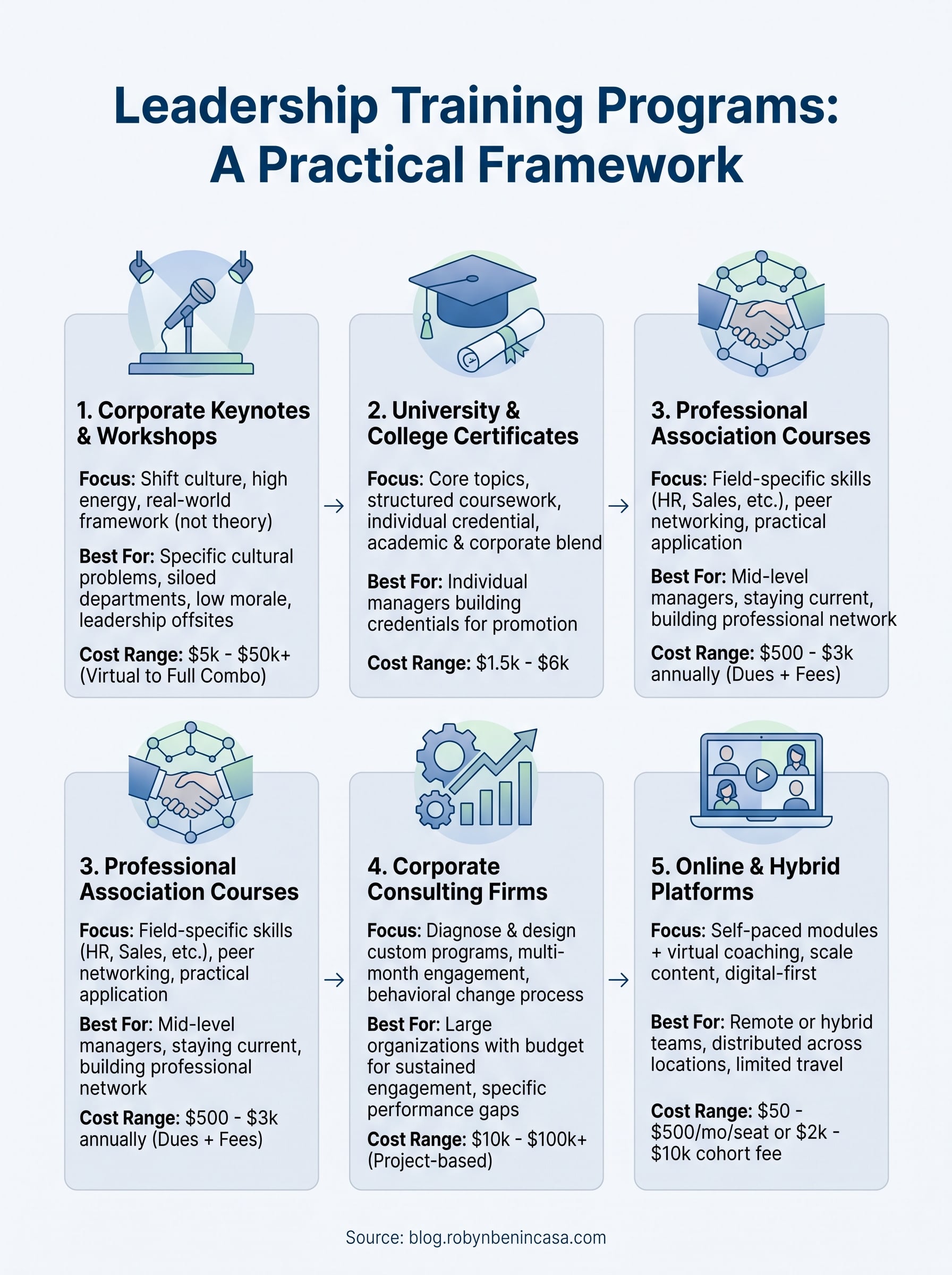
  • How to Build Culture in a Team: 8 Proven Steps

    How to Build Culture in a Team: 8 Proven Steps

    Most teams don’t fail because of talent. They fail because nobody deliberately built the culture holding them together. If you’re wondering how to build culture in a team that actually performs under pressure, you already know the free-pizza-Fridays approach isn’t cutting it. Culture is built through daily decisions, not slogans on a wall, and it helps to be clear on what team culture actually is before you try to shape it.

    I spent 15 years racing on world championship adventure racing teams, where a bad culture doesn’t just hurt morale, it gets people hurt in the wilderness. I’ve since spent two decades as a San Diego firefighter watching the same principles save lives in burning buildings. The teams that win aren’t the ones with the most talented individuals. They’re the ones with a shared commitment to each other that shows up when things get hard, whether that’s a canyon at midnight or a quarter with missed targets.

    This article breaks down eight proven steps for building a strong team culture at work, drawn from those extremes and translated for boardrooms, sales floors, and remote teams alike. You’ll get specific, actionable moves you can start using this week, not vague theory about values statements.

    1. Define your team’s shared purpose and values

    Every world-class team I’ve raced with or worked alongside inside a firehouse could answer one question instantly: why does this team exist, beyond hitting a number or crossing a finish line? That’s the starting point for creating a strong team culture from the ground up, and most organizations skip it entirely. They write a mission statement once, hang it in the break room, and wonder why nobody references it during a tough sprint or a bad shift.

    What this step looks like

    Defining shared purpose means your team can articulate, in their own words, what winning looks like and why it matters to them personally, not just to the shareholders. On my adventure racing teams, our purpose was never just "finish first." It was proving that ordinary people, working as one unit, could outlast athletes with far more raw talent. That purpose shaped every decision, from who we recruited to how we handled a broken paddle at 2 a.m. Shared values work the same way. They’re the non-negotiable behaviors your team agrees to live by, like "we never leave a teammate behind" or "we surface problems immediately instead of hiding them."

    Why it matters for team culture

    Purpose and values act as the decision-making filter when you’re not in the room. A team with a clear purpose doesn’t need a manager micromanaging every call because everyone already knows what matters. Without that filter, teams default to self-interest the moment pressure rises, and that’s exactly when culture cracks.

    A team without a defined purpose will invent one under pressure, and it’s rarely the purpose you wanted.

    This matters just as much for developing team culture in a brand-new group as it does for fixing a struggling one. Early teams that skip this step tend to drift toward whoever talks loudest, rather than what the mission actually requires.

    How to put it into practice

    Don’t outsource this to HR or a consultant deck. Get your actual team in a room, virtual or otherwise, and work through it together, the same way you’d run exercises built for leadership teams:

    • Ask each person to write down, privately, what they think the team’s purpose is. Compare answers. The gaps tell you everything.
    • Identify three to five behaviors that support that purpose, stated as actions, not adjectives ("we tell each other the truth even when it’s uncomfortable" beats "we value honesty").
    • Put those behaviors into onboarding, performance reviews, and team meetings, not just a poster.
    • Revisit the purpose statement quarterly. Markets shift, teams change, and a purpose that fit eighteen months ago might not fit now.

    If you want a structured way to walk your leadership team through this exercise, my free team building and leadership guide breaks down the exact framework I use with corporate clients before I ever step on stage.

    2. Model the culture you want to see as a leader

    Leaders set the ceiling for every team’s culture, not the floor. On my racing teams, if the captain complained about the mud or cut corners on gear checks, that behavior spread through the group faster than any pep talk could counter it. Building a positive team culture starts with the person in charge deciding to go first, every single time, especially when it’s inconvenient.

    What this step looks like

    Modeling culture means your actions match the values you asked the team to adopt in step one. If you preach transparency but hide bad news from your own team, they’ll notice within a week. If you ask for accountability but blame others when a project slips, you’ve just taught everyone that accountability is optional, which is exactly the gap accountability training is designed to close. I learned this in firehouses too: the captain who shows up first to a call and stays last to clean the rig earns a kind of trust that no memo can manufacture.

    Why it matters for team culture

    Teams copy behavior, not language. Your daily conduct becomes the unwritten rulebook people actually follow, regardless of what the employee handbook says.

    Culture isn’t what leaders say in meetings, it’s what they do when no one’s grading them.

    This is why developing a team culture stalls out in so many organizations, and why organizational culture and leadership can never really be separated. Leadership drafts great values, then exempts themselves from living them, and the team quietly does the same.

    How to put it into practice

    Start small and stay consistent:

    • Admit your own mistakes out loud, in front of the team, before asking others to do the same.
    • Show up early to the hard shifts, not just the visible wins.
    • Ask for feedback on your leadership, then actually act on it publicly.
    • Never let a double standard slide, even a small one, because your team is always watching for the exception that proves the values were never real.

    3. Build psychological safety and trust

    Psychological safety sounds like a soft HR term until you’ve watched a teammate stay silent about a cracked carabiner because they didn’t want to look weak in front of the group. Building healthy team culture depends on people believing they can raise a concern, admit a mistake, or challenge a decision without getting punished for it. Trust isn’t a nice-to-have here. It’s the mechanism that gets the truth on the table before it becomes an emergency.

    3. Build psychological safety and trust

    What this step looks like

    Safety shows up in small moments: a junior team member questioning a senior leader’s plan in a meeting, or a firefighter radioing that they’re not ready to enter a structure yet. On my racing teams, we built a rule that anyone could call a stop, no explanation required, and nobody would second-guess them later. That single rule saved us from disaster more than once.

    Why it matters for team culture

    Google’s own Project Aristotle research found psychological safety was the single biggest predictor of high-performing teams, ahead of skill or experience. Teams without trust hide problems until they’re too big to fix quietly.

    A team that’s afraid to speak up will let small problems become disasters before anyone says a word.

    Without it, you get silence in meetings, quiet resentment, and talented people who stop volunteering ideas because it’s not worth the risk.

    How to put it into practice

    Start building trust deliberately, not by accident:

    • Respond to bad news with curiosity, not anger, especially the first time someone brings you a mistake.
    • Ask for dissenting opinions by name in meetings, not just "any objections?" to the room.
    • Share your own uncertainty openly instead of projecting false confidence.
    • Follow through visibly when someone raises a concern, so the team sees speaking up actually changes outcomes.

    4. Communicate openly and transparently

    Radio silence kills teams faster than bad news ever will. On adventure races, the moment someone stopped reporting their real condition, hydration, injuries, morale, we lost the ability to make good decisions as a group. Building team culture at work requires the same discipline: information has to move freely, in both directions, even when it’s uncomfortable to share.

    What this step looks like

    Open communication means people hear about layoffs, budget cuts, or strategy shifts from leadership directly, not through the rumor mill. It means status updates include the real number, not the rounded-up version that looks better in a meeting. In firehouses, incident commanders give unfiltered updates over the radio because a sanitized version gets someone killed. Businesses rarely face that literal stake, but the habit of plain, honest updates should be identical.

    Why it matters for team culture

    Teams fill information gaps with worst-case assumptions. Silence from leadership doesn’t read as neutral, it reads as something is being hidden.

    Whatever you don’t communicate, your team will invent, and their version is almost always worse than the truth.

    Transparent teams move faster because nobody wastes energy decoding hidden agendas or protecting themselves from surprises.

    How to put it into practice

    Make transparency a habit, not a one-time announcement, and reinforce it with regular communication exercises for teams:

    • Share the bad news yourself, quickly, before it leaks out sideways.
    • Explain the reasoning behind decisions, not just the decisions themselves.
    • Hold a regular open forum where any question gets a straight answer, including "I don’t know yet."
    • Close the loop publicly once you do know, so people trust the next update too.

    Get this right and you remove the guesswork that quietly erodes team trust over time, which is where the real work of building trust in a team at work happens.

    5. Recognize wins and celebrate contributions

    Crossing a finish line after 30 hours of racing means nothing if nobody acknowledges what it took to get there. Recognizing wins isn’t about trophies or plaques, it’s about making sure every person on the team knows their specific contribution mattered. Building a good team culture without recognition is like training for a race and never crossing the finish line, the effort just fades into the background.

    5. Recognize wins and celebrate contributions

    What this step looks like

    Genuine recognition names the specific action, not just the outcome. On my racing teams, we didn’t just celebrate the win, we called out the teammate who fixed a broken bike chain in the dark or the navigator who found the right trail after three wrong turns. In a firehouse, that looks like a captain naming the rookie who caught a mistake before it became a problem. Specific praise always beats generic applause because it proves someone actually paid attention.

    Why it matters for team culture

    People repeat behavior that gets acknowledged and quietly abandon behavior that gets ignored. Skip recognition and your best contributors start wondering why they bother going above the minimum.

    A team that never celebrates its wins slowly stops trying to earn them.

    This is a core part of building a winning team culture, and it’s the clearest link between culture and employee engagement, because recognition tells people their work is seen, not just measured against a quota.

    How to put it into practice

    Make recognition a habit, not an afterthought:

    • Call out contributions by name and by specific action, in front of the team, not just in a private message.
    • Celebrate the effort behind failed attempts, not just clean wins, especially when someone took a smart risk.
    • Let peers nominate each other for recognition, since credit from a teammate often lands harder than credit from a boss.
    • Keep celebrations proportional and frequent, small wins acknowledged weekly build more momentum than one big annual awards night.

    6. Invest in continuous learning and growth

    Stagnant teams lose their edge quietly, then all at once. On the racecourse, the teams that kept improving year after year were the ones who treated every finish, win or loss, as a debrief opportunity. Developing team culture means building an expectation that everyone is getting better at their craft, not just clocking hours until retirement.

    What this step looks like

    Continuous growth shows up as regular skill-building, cross-training, and honest after-action reviews, not just an annual training budget nobody uses. My racing teams reviewed every leg of every race, what worked, what nearly killed us, what we’d do differently next time. Firehouses run drills constantly even after decades on the job, because competence erodes the moment you stop practicing. Ongoing skill development should feel like part of the job, not an extra assignment squeezed in when things slow down.

    Why it matters for team culture

    People stay engaged with teams that invest in their future, and they disengage fast from teams that treat them as replaceable. Growth signals that leadership sees a long-term relationship, not just short-term output.

    A team that stops learning together starts drifting apart, even if nobody notices right away.

    This is central to creating a high-performance culture, because skills gaps compound quietly until a crisis exposes them all at once.

    How to put it into practice

    Treat learning as infrastructure, not a perk:

    • Run a short after-action review after every major project, win or lose, asking what to repeat and what to change.
    • Pair newer team members with veterans for real mentorship, not a one-time orientation session.
    • Budget time, not just money, for skill-building, since a training budget nobody can use during work hours gets ignored.
    • Rotate stretch assignments so people grow into new capabilities before you desperately need them.

    7. Handle conflict and failure constructively

    Conflict isn’t the enemy of a strong culture, avoidance is. On my racing teams, the crews that imploded weren’t the ones who argued, they were the ones who stayed quiet while resentment built until someone quit mid-race. Creating team culture that lasts means training your team to fight about the right things, the plan, the process, the decision, without it turning personal.

    What this step looks like

    Constructive conflict looks like two people disagreeing loudly about strategy in a meeting, then grabbing coffee together an hour later. It looks like a firehouse crew doing a blunt post-incident review where nobody softens the truth to spare feelings. Failure gets treated as data, not a verdict on someone’s worth. When my team blew a navigation call and cost us six hours, we didn’t hunt for someone to blame, we asked what the map, the timing, and the communication broke down and how to fix all three.

    Why it matters for team culture

    Teams that suppress conflict don’t eliminate it, they just push it underground where it festers longer and does more damage, which is the heart of Patrick Lencioni’s team dysfunctions model. Unresolved tension shows up later as passive resistance, missed deadlines, or quiet quitting.

    A team that never argues isn’t peaceful, it’s just hiding a problem that hasn’t exploded yet.

    Handled well, conflict actually strengthens trust because people learn disagreement won’t cost them the relationship.

    How to put it into practice

    Build the habit deliberately:

    • Separate the person from the problem in every disagreement, attack the plan, never the individual.
    • Run a blameless post-mortem after failures, focused on systems and decisions, not fault.
    • Address tension within 48 hours instead of letting it simmer through another meeting.
    • Ask the quieter voice in the room what they see differently before closing the discussion.

    8. Measure your culture and keep evolving it

    Culture isn’t a project you finish, it’s a system you monitor. On my racing teams, we debriefed after every leg because a culture that worked at hour ten might crack by hour thirty. Building a positive team culture at work demands the same discipline: you check the pulse regularly instead of assuming last year’s values statement still fits this year’s team.

    8. Measure your culture and keep evolving it

    What this step looks like

    Measuring culture means gathering real signals, not just gut feel from the leadership team. Pulse surveys built on the right culture survey questions, exit interviews, retention numbers, and honest one-on-ones all tell you something a quarterly all-hands never will. In firehouses, we track near-misses the same way, small warning signs that predict bigger failures if ignored. Tracking these signals consistently is how you catch culture drift before it shows up in your attrition report.

    Signal What it reveals
    Pulse survey scores Trust and engagement trends over time
    Voluntary turnover Whether people want to stay and grow here
    Exit interview themes Recurring, unresolved cultural gaps
    Peer recognition volume Whether wins are actually being noticed

    Why it matters for team culture

    What gets measured gets managed, and culture is no exception. Teams that never check their own health tend to discover problems only after their best people have already quit.

    A culture you never measure is a culture you’re only guessing about.

    Evolving deliberately beats reacting to a crisis every time.

    How to put it into practice

    Build a simple, repeatable rhythm:

    • Run a short, anonymous pulse survey quarterly using a simple organizational culture assessment tool, and actually share the results with the team.
    • Track voluntary turnover and exit interview themes as culture data, not just HR paperwork.
    • Revisit your purpose and values from step one annually, adjusting language as the team grows.
    • Bring in outside perspective when you’re too close to see your own blind spots, whether that’s a mentor, consultant, or a keynote that resets the whole room’s thinking.

    how to build culture in a team infographic

    Bringing these steps to life on your team

    None of these eight steps work in isolation. Purpose without psychological safety collapses under pressure. Recognition without honest conflict resolution turns hollow fast. Building a strong team culture means running all eight at once, consistently, not picking your favorite and hoping it carries the rest. Start with whichever step exposes your biggest gap right now, then layer in the others over the next few quarters.

    Your team is watching what you do this week, not what you posted about culture last year. Pick one practice from this list and put it into action tomorrow morning. Small, consistent moves compound into the kind of culture that holds together when things get hard, whether that’s a missed quarter or a canyon at midnight.

    If you want help translating these principles into a live session for your leadership team or sales force, see what a corporate culture keynote speaker can do for where your team stands today.

  • Speaker Bureau: What It Is and How It Works

    Speaker Bureau: What It Is and How It Works

    You’re planning a conference or sales kickoff, and someone on your team says, "Let’s just call a speaker bureau." If you’re not sure what that means or whether it’s the right move, you’re not alone. Most event planners hear the term long before anyone explains it clearly.

    So what is a speaker bureau? In plain terms, it’s an agency that represents keynote speakers and connects them with organizations looking to book talent for events. Think of it as a matchmaking service: you describe your event, your budget, and your goals, and the bureau recommends speakers who fit. The speaker bureau meaning boils down to representation and logistics, not ownership of the speaker’s schedule or message.

    This article breaks down how bureaus actually operate, what they charge, how they differ from booking a speaker directly, and what event planners need to know before signing a contract. Whether you’re weighing a bureau against a direct booking with a speaker like Robyn Benincasa, you’ll walk away knowing exactly how the process works and what to expect.

    Why speaker bureaus matter for event planners

    Event planners don’t call a speaker bureau because they’re lazy. They call one because vetting keynote speakers is a specialized skill most people only need once or twice a year. A good bureau has already screened hundreds of speakers for stage presence, audience fit, and reliability, so you’re not starting from a blank Google search and a pile of YouTube clips. That head start matters when you’re juggling catering, AV, and a dozen other event details at the same time.

    They save you from a mountain of research

    Finding the right voice for a leadership conference or sales kickoff takes real digging: watching demo reels, checking references, comparing fees, and figuring out who’s actually available on your date. A bureau does that legwork daily, which means they can hand you three or four solid options in a day or two instead of the two weeks it might take you to sort through the noise yourself. If you’ve got a tight timeline, that turnaround alone justifies the call.

    A speaker bureau exists to shrink your search from weeks to days.

    They know what actually works for your event

    Bureaus track outcomes across hundreds of events, so they know which speakers land well with a room of insurance executives versus a sales team fresh off a rough quarter. That pattern recognition is hard to replicate on your own, especially if you’re booking a keynote speaker for the first time. A speaker bureau meaning something more than a directory becomes clear here: it’s a filter built on experience, not just a list of names and headshots.

    They handle contracts, insurance, and logistics

    Booking talent involves more than agreeing on a fee. Contracts need to cover cancellation terms, travel expectations, AV requirements, and liability, and getting any of that wrong can leave you scrambling days before the event. A bureau typically manages:

    • Contract negotiation and standard rider terms
    • Travel and lodging coordination
    • Backup plans if a speaker cancels
    • Coordination between your internal team and the speaker’s team on content and timing

    That’s a meaningful chunk of administrative work off your plate, especially if you’re planning the event alone or as part of a small committee.

    When a bureau isn’t the right fit

    Here’s the honest counterpoint: bureaus add a layer between you and the speaker, and that layer comes with a cost, both in dollars and in how much direct input you get into the speaker’s message. If you already know exactly who you want, say you’ve seen Robyn Benincasa speak before or you’ve read her book and know her T.E.A.M.W.O.R.K. framework fits your culture goals, going straight to the speaker’s own booking page often gets you faster answers and a more tailored conversation about your event.

    Organizations turn to bureaus most often in three situations: they’re booking a speaker for the first time and don’t know where to start, they need to compare multiple options quickly against a set budget, or they’re planning a large multi-speaker event and need one point of contact managing several bookings at once. If none of those describe your situation, a direct relationship with the speaker may serve you better, and we’ll walk through that comparison in more detail later in this article.

    Understanding why bureaus exist sets up the rest of the picture. Once you know what problem they’re solving, it’s easier to judge whether the fee and the added layer of communication are worth it for your specific event, or whether a direct booking gets you the same result with less friction.

    How speaker bureaus work, from inquiry to event day

    Once you decide to work with a speaker bureau, the process follows a fairly predictable path. Knowing the sequence ahead of time helps you spot delays early and keeps you from getting blindsided by a step you didn’t expect, like a rehearsal call two weeks before your event.

    How speaker bureaus work, from inquiry to event day

    The initial inquiry and shortlist

    You start by contacting the bureau with your event details: date, location, audience size, budget range, and the general theme you’re going for, whether that’s leadership, sales performance, or team culture on stage. A booking agent then sends back a shortlist, usually three to six speakers who could be the best keynote speaker for a corporate event like yours, along with demo reels, sample topics, and fee ranges. This step typically takes anywhere from a few hours to a few days depending on how specific your request is and how many speakers fit your criteria.

    Vetting and reference checks

    From that shortlist, you narrow things down by watching more footage, checking references from past clients, and sometimes hopping on a call with the speaker or their team to talk through your event’s specific goals. This is where you find out if a speaker’s style actually matches your room. A speaker who kills it at a 200-person sales conference might not land the same way at an intimate 40-person leadership offsite, so ask pointed questions about audience size and format during this stage.

    Contract and logistics

    Once you pick a speaker, the bureau drafts a contract covering fee, cancellation terms, travel and lodging arrangements, AV requirements, and any content customization the speaker will build for your event. This is also when deposits get scheduled, usually a percentage upfront with the balance due closer to the event date. A typical timeline looks like this:
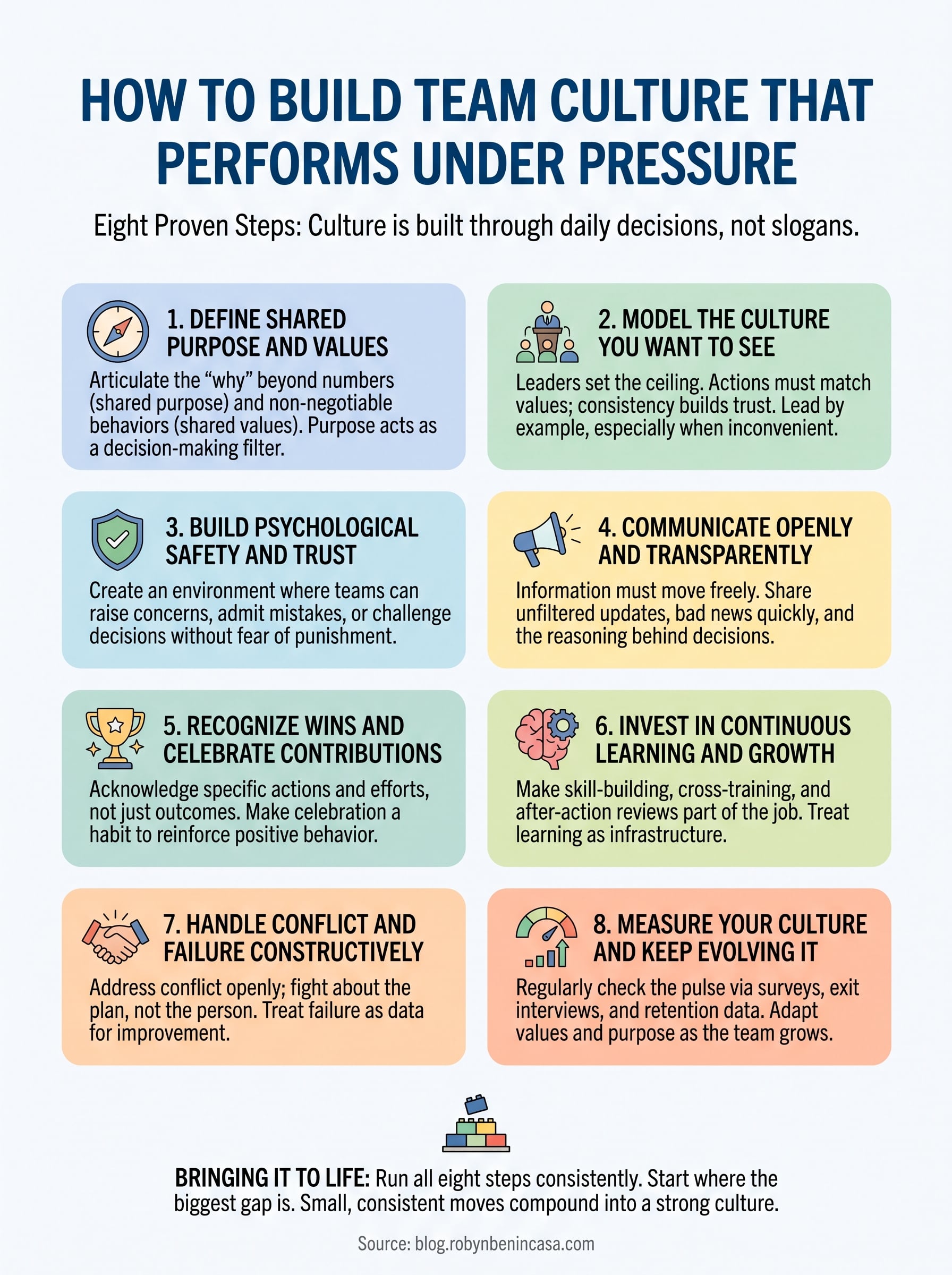
    Stage Typical timeframe
    Initial inquiry to shortlist 1-3 days
    Vetting and reference checks 1-2 weeks
    Contract signed 2-4 weeks before event
    Speaker prep call 1-2 weeks before event
    Event day Confirmed date

    Pre-event coordination

    In the weeks leading up to the event, the bureau usually facilitates a prep call between your team and the speaker so the speaker can tailor examples and language to your industry or company culture. This is the point where a speaker like Robyn Benincasa might ask about your recent wins, challenges, or team dynamics so her T.E.A.M.W.O.R.K. framework lands with specifics your audience recognizes rather than generic examples.

    The best speaker bureau engagements feel less like a transaction and more like a relay handoff, with everyone clear on their leg of the race.

    Event day and follow-up

    On event day, the bureau’s job is mostly done, though a good one stays reachable in case a flight gets delayed or a tech issue pops up. Afterward, some bureaus follow up for feedback, which helps them recommend that speaker again to future clients with similar needs.

    Types of speaker bureaus you may encounter

    Not every speaker bureau operates the same way, and knowing the differences helps you pick the right partner instead of the first name that shows up in a search. Some bureaus represent a small, curated roster of speakers exclusively. Others work more like open marketplaces, pulling from thousands of names across every topic imaginable. The type you choose shapes how personalized the recommendations feel and how much the bureau actually knows about the speakers it’s pitching you.

    Types of speaker bureaus you may encounter

    Exclusive and boutique bureaus

    Exclusive bureaus represent a limited roster, often fewer than fifty speakers, and they know each one well enough to match personality and message to your specific event. Boutique agencies fall into this category too, usually focusing on a niche like leadership, sales, or wellness. Because the roster is small, the recommendations tend to be sharper, and the agent on the phone can usually answer detailed questions about a speaker’s style without having to check notes.
    The smaller the roster, the deeper the bureau’s knowledge of each speaker on it.

    Full-service national bureaus

    Full-service bureaus work with hundreds or even thousands of speakers across every industry and topic, and they typically handle large corporate accounts with recurring booking needs. These bureaus lean heavily on databases and filters rather than personal familiarity with every name on the list, which works fine if you know exactly what topic and budget you’re targeting. Where this model can fall short is nuance: an agent juggling thousands of speakers may not know that a particular keynote speaker’s team-building framework needs a specific audience size to really land.
    Online marketplaces and aggregator platforms

    A newer category has emerged in the form of online marketplaces, where you search a database yourself, compare rates and reviews, and contact speakers with little or no agent involvement. This model gives you speed and transparency on pricing, but you lose the vetting layer that a traditional agent provides. It works best for planners who already know the speaker they want and just need help with logistics.

    Bureau type Roster size Best for
    Exclusive/boutique Under 50 Niche topics, personalized matches
    Full-service national Hundreds to thousands High-volume, recurring bookings
    Online marketplace Thousands, self-service Fast comparison, known speakers

    Understanding what is speaker bureau structure fits your event helps you set expectations before you ever pick up the phone. A boutique agency might take longer to respond but offer sharper insight, while a marketplace gets you moving fast but leaves more of the vetting work on your plate.

    How speaker bureau fees and commissions work

    Money is usually the first question on an event planner’s mind, and it’s a fair one. A speaker bureau doesn’t charge you a separate invoice most of the time. Instead, it earns a commission built into what you’ll really pay to hire a keynote speaker, typically 20% to 30% of whatever the speaker charges for the engagement. So if a speaker’s standard fee is $20,000, the bureau might add its cut on top or take a percentage from that total, depending on the arrangement they have with the speaker.

    Who actually pays the commission

    Commission structures vary more than most planners expect, and it’s worth asking directly rather than assuming. Some speakers set one flat fee that already includes the bureau’s cut, so you never see the split. Others work on a straight percentage where the bureau adds its commission on top of the speaker’s quoted rate, meaning you pay more than you would booking directly. Neither approach is dishonest, but you deserve to know which one you’re dealing with before you sign anything.

    Ask whether the bureau’s commission is baked into the fee or added on top. That single question tells you whether you’re getting a fair price.

    Typical fee ranges and what drives them

    Speaker fees for in-person or virtual events shift based on the speaker’s name recognition, the event’s location, and the format itself. A rough breakdown looks like this:

    Factor Impact on fee
    Speaker’s stature and demand Higher-profile speakers command higher base fees
    Virtual vs. in-person Virtual is often 30-50% less than in-person
    Travel distance Long-haul travel adds cost for flights and lodging
    Custom content requests Tailored keynotes cost more than off-the-shelf talks

    Getting a speaker bureau to break down these line items upfront saves you from surprise add-ons two weeks before your event.

    Negotiating through a bureau versus direct

    Bureaus can sometimes negotiate a discount if you’re booking multiple speakers or committing to a multi-year relationship, since they want to keep your business coming back. But that negotiating room shrinks the commission, and some bureaus resist cutting their own cut even when it would help you close the deal. Reaching out to a speaker’s own team, the way you would through Robyn Benincasa’s booking page, sometimes opens up more flexibility because there’s no middleman commission to protect.

    Watch for hidden costs

    Specific line items to clarify before signing anything include travel and lodging reimbursement, cancellation and rescheduling penalties, and whether AV or recording rights carry an extra fee. None of these are unusual, but they catch planners off guard when they show up as surprises on the final invoice instead of the original quote.

    Speaker bureau vs. booking a speaker directly

    Once you understand how a speaker bureau operates, the real question becomes whether you need one at all. Booking a keynote speaker directly, without an agent in the middle, is a completely normal path, especially when you already know who you want on stage. The right choice depends less on which option is "better" and more on how much certainty you already have about your speaker and your event’s needs.

    Speaker bureau vs. booking a speaker directly

    What you gain with a bureau

    Working through a bureau makes the most sense when you’re comparing multiple speakers, booking on a tight deadline, or coordinating several speakers for one event. Agents bring pattern recognition from hundreds of past bookings, and they absorb the contract and logistics work that eats up hours you don’t have. That convenience carries a real cost, though, since the bureau’s commission gets folded into your total spend one way or another.

    What you gain by booking direct

    Going straight to the speaker cuts out the commission and often speeds up communication, since you’re talking to the person or team who actually knows the content inside and out. Direct booking also gives you a clearer read on customization. When you reach out through a page like Robyn Benincasa’s booking page, you’re talking to people who can immediately discuss how her T.E.A.M.W.O.R.K. framework applies to your industry, rather than relaying questions through a third party who has to check with the speaker’s team anyway.

    The fewer people between you and the speaker, the fewer chances for your event’s specific needs to get lost in translation.

    Side-by-side comparison

    Factor Speaker bureau Direct booking
    Cost Commission built into fee (20-30%) No commission markup
    Speed of first response Fast shortlist, slower final details Slower shortlist, faster specifics
    Customization depth Filtered through agent Direct conversation with speaker’s team
    Best for Comparing multiple speakers, first-time bookers Known speaker, established relationship
    Contract handling Managed by bureau Managed by speaker’s team or you

    Which route fits your event

    Questions about speaker bureau meaning and function usually resolve into one practical decision: do you need help finding a speaker, or do you already know who you want? If you’re still comparing five names against a budget, a bureau earns its keep. If you’ve already seen a speaker in action, read their book, or gotten a recommendation from a colleague whose event matched yours, reaching out directly usually gets you a faster answer and a lower total cost. Robyn Benincasa’s team, for example, handles contracts, travel, and content customization the same way a bureau would, just without the added layer or the commission on top.

    Questions to ask before hiring a speaker bureau

    Before you sign anything, a short list of pointed questions can save you from a mismatched speaker or a surprise invoice. Treat this like an interview, because you’re hiring the bureau just as much as you’re hiring the speaker they recommend. A speaker bureau that hesitates on any of these questions is telling you something worth paying attention to.

    Questions about the roster and matching process

    Getting clear on how a bureau builds its shortlist tells you whether you’re getting genuine matchmaking or a generic list pulled from a database. Ask directly:

    • How many speakers on your roster have you personally seen perform live?
    • What criteria do you use to match a speaker to our audience size and industry?
    • Can you connect me with a past client who booked a similar event?
    • Is this speaker exclusive to your bureau, or can I book them elsewhere for less?

    That last question matters more than planners realize. If a speaker works with multiple bureaus, or takes direct bookings through their own site, you may find a lower total cost by skipping the middleman entirely.

    If a speaker isn’t exclusive to the bureau, ask why you’d pay a commission to reach someone you could contact directly.

    Questions about fees and contracts

    Commission structures vary enough that you shouldn’t assume anything. Confirm these details before you get a formal quote:

    • Is the bureau’s commission included in the quoted fee, or added on top?
    • What’s covered in the base fee versus billed as an add-on, like travel, lodging, or recording rights?
    • What are the cancellation and rescheduling terms, for both us and the speaker?
    • Is there flexibility on price if we’re booking multiple speakers or a multi-year contract?

    Having these answers in writing before you sign protects you from line items that show up on the final invoice instead of the original quote.

    Questions about backup plans and guarantees

    Events don’t always go according to plan, so it’s worth knowing what happens when they don’t. Wondering what a bureau does if a speaker cancels close to your event date is a fair concern, not a paranoid one. Ask about their backup process, whether they guarantee a replacement of comparable quality, and who absorbs the cost if a last-minute swap is needed. Verifying insurance and liability coverage rounds out the list, since a bureau that can’t answer basic contract questions clearly probably isn’t managing your event’s logistics as carefully as you’d want.

    Running through this checklist takes maybe fifteen minutes on a call, but it separates bureaus that operate with real transparency from ones hoping you won’t ask.

    what is a speaker bureau infographic

    Finding the right speaker for your event

    A speaker bureau earns its fee when you need help narrowing options, comparing multiple names, or juggling several bookings at once. It’s a smart shortcut when you’re starting from scratch. But once you know what speaker bureau meaning actually covers, matchmaking, contracts, logistics, you can judge for yourself whether that layer adds value for your specific event or just adds cost.

    If you already have a speaker in mind, or you’re drawn to someone whose message fits your team’s exact challenges right now, going direct usually gets you faster answers and a lower total spend. That’s especially true when the speaker’s team handles contracts and customization the same way a bureau would.

    If leadership, culture, and team performance are on your agenda, see which motivational keynote speakers are worth hiring and reach out directly to skip the middleman altogether.