Author: admin

  • Master Resilience Training: What It Is and How It Works

    Master Resilience Training: What It Is and How It Works

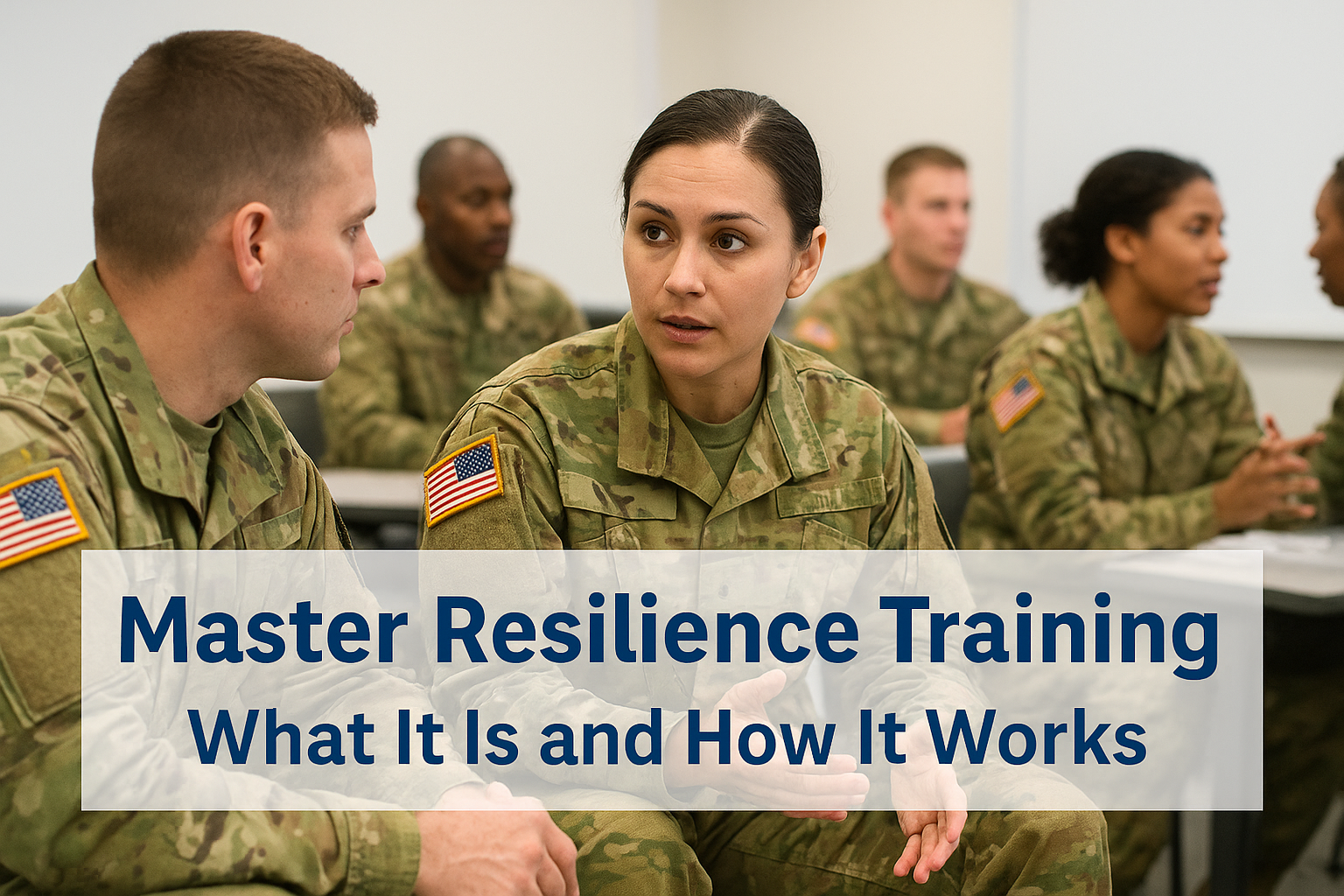
    You’ve probably heard the term tossed around in military circles or maybe in a leadership book, and now you want a straight answer: what actually is master resilience training? It’s fair to ask. The Army built this program to solve a real problem, soldiers and units cracking under sustained stress, and it turned to psychology research instead of guesswork to fix it.

    Here’s the direct answer. Army master resilience training is a course the U.S. Army developed with the University of Pennsylvania to teach soldiers specific, learnable skills for handling adversity, controlling reactions under pressure, and helping their teams bounce back from setbacks faster. It’s not a pep talk. It’s a structured master resilience training program built on cognitive techniques, and soldiers who complete it become certified to train others.

    In this article, I’ll walk you through what the course covers, how the training actually runs from classroom to practice, and the core skills it drills into soldiers. I’ve spent two decades leading teams through genuinely brutal conditions, firefighting and endurance racing, so I’ll also point out where these same principles show up in high-performing civilian teams and why that matters if you’re building resilience anywhere outside the military.

    Why the Army developed master resilience training

    The backstory here matters, because it explains why this program looks the way it does. In the mid-2000s, the Army was running two grinding wars at once, and the toll on soldiers went far beyond physical injury. Post-traumatic stress, depression, and suicide rates climbed among troops cycling through repeated deployments, and commanders realized that traditional discipline and toughness training weren’t stopping the bleeding. Something had to change in how the Army prepared soldiers mentally, not just physically, for what they’d face.
    Why the Army developed master resilience training

    A crisis that demanded a new approach

    General George Casey, the Army Chief of Staff at the time, pushed for a solution that treated psychological strength the same way the Army treated physical fitness: as something you train deliberately, not something you either have or don’t. That thinking led to the Comprehensive Soldier Fitness program, a broader Army initiative aimed at building strength across physical, emotional, social, family, and spiritual dimensions. Master resilience training became the flagship piece of that effort, the part specifically designed to teach mental skills soldiers could actually practice and measure.

    The Army stopped treating mental toughness as a personality trait and started treating it as a trainable skill.

    Partnering with psychology researchers instead of guessing

    Rather than build the curriculum in-house, the Army turned to Dr. Martin Seligman and his team at the University of Pennsylvania, pioneers in the field of positive psychology. Seligman had spent decades studying learned helplessness and, more importantly, how people learn optimism and resilience through specific cognitive habits. This wasn’t a random pick. His research on cognitive behavioral techniques gave the Army something it needed badly: an evidence-based framework instead of another motivational seminar. You can read more about the foundational research behind this approach through the American Psychological Association, which has documented much of Seligman’s work on resilience and learned optimism.

    The partnership formalized around 2008 and 2009, and the resulting curriculum drew directly from Penn’s Resilience Program, which had already been tested in schools and with at-risk populations before the Army adapted it for soldiers. This is worth pausing on. Master resilience training in the US Army wasn’t invented from scratch by military planners. It was adapted from psychology research that had already shown results in civilian settings, then reshaped for the specific stresses of combat deployment, family separation, and the unpredictable pace of military life.

    Building resilience before the crisis, not after

    Here’s the piece that separates this program from typical stress management training: it’s proactive, not reactive. Most military mental health resources at the time kicked in after a soldier was already struggling, after a diagnosis, after a crisis. The Army wanted something upstream of that. Leaders designed the master resilience training course to reach soldiers before deployment, before the traumatic event, so the mental skills were already in place when things got hard.

    Officials framed this shift plainly, arguing that resilience skills should be as routine as marksmanship or physical conditioning. That comparison shows up constantly in Army literature on the program, and it’s not just messaging. It reflects a genuine change in how the institution viewed psychological preparation. Soldiers train their bodies for combat for months before deployment. Why not train their minds the same way?

    The scale of the rollout tells its own story

    Quickly, this expanded from a pilot into a resilience initiative touching hundreds of thousands of soldiers. Numbers here give a sense of how seriously the Army committed to it:

    • Comprehensive Soldier Fitness launched Army-wide starting in 2009
    • Master resilience training became a required course for select non-commissioned officers
    • Certified trainers went on to teach the material to soldiers in their own units, creating a cascading model rather than relying on outside instructors
    • The program eventually reached well over a million soldiers through direct training or unit-level instruction

    Ultimately, the Army wasn’t just adding another training block to an already packed schedule. It was making a bet that mental skills, taught systematically and reinforced by peers rather than outside experts, could reduce the human cost of sustained operational stress. That bet is the reason the program still exists today, and it’s the reason its methods have since traveled well beyond military bases into corporate leadership programs and team-building initiatives.

    How master resilience training works

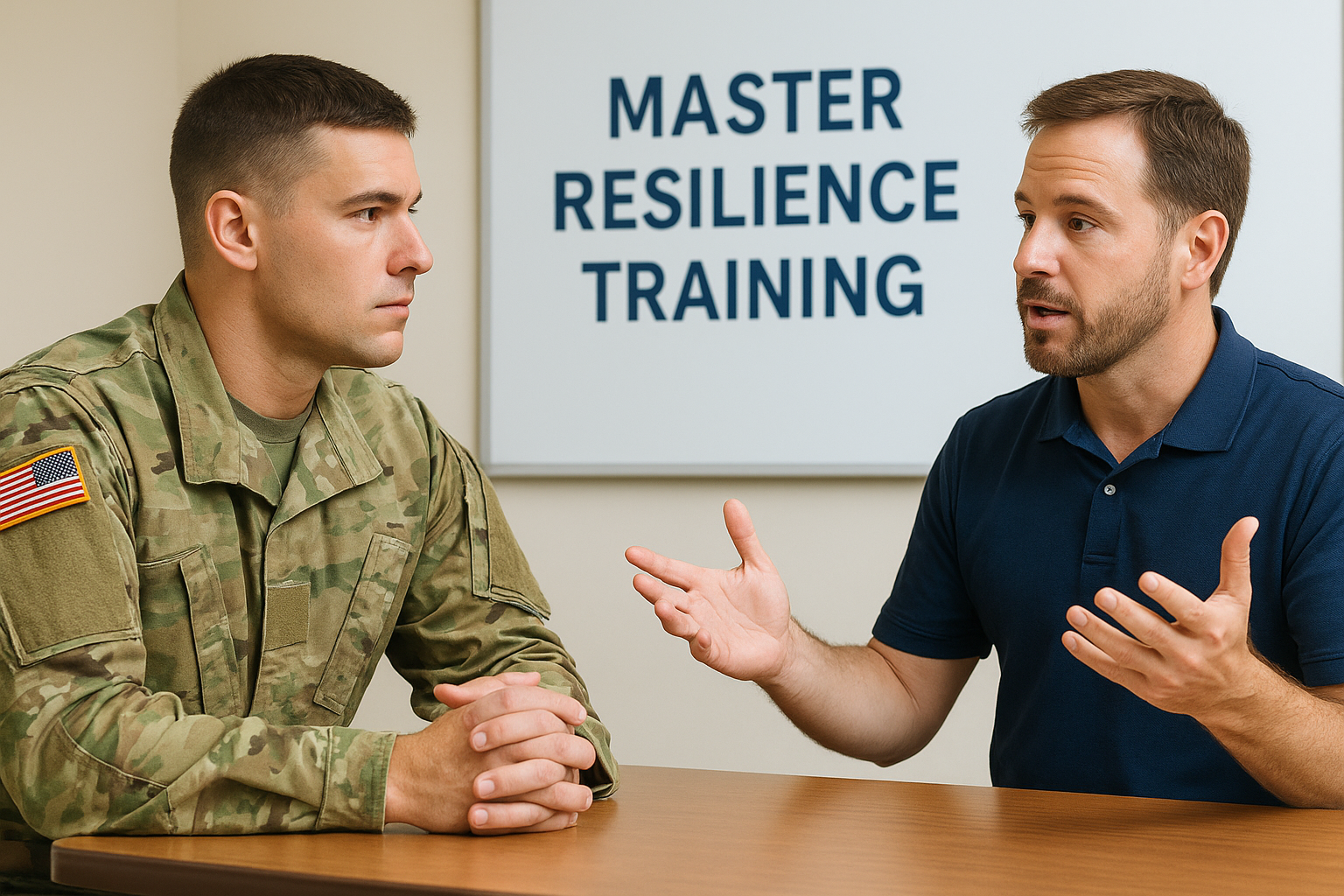
    Structurally, the master resilience training course runs as a 10-day residency, usually held at one of the Army’s designated training sites, where selected non-commissioned officers and soldiers attend full-time. This isn’t a lecture series you half-listen to between other duties. Attendees leave their regular unit responsibilities behind and focus entirely on the curriculum, which mixes classroom instruction with hands-on practice, small group discussion, and role-playing exercises that force soldiers to apply concepts in real time rather than just memorize them.

    The classroom-to-practice pipeline

    Generally, each day builds on the last, starting with a psychological concept, say, identifying automatic negative thoughts, and then moving into structured drills where soldiers practice catching those thoughts in themselves and in scenarios modeled after real deployment stressors. Instructors use case studies pulled from actual military experiences: a soldier struggling after a difficult deployment, a unit dealing with a leadership failure, a family coping with repeated separations. Soldiers work through these cases in small groups, applying the specific technique taught that day, then debrief as a full class. This cycle of teach, practice, debrief repeats throughout the course, which is deliberate. Seligman’s research showed that resilience skills stick when people rehearse them under realistic conditions, not when they just hear about them once.

    Resilience isn’t taught in a single lecture. It’s built through repetition until the skill becomes automatic under pressure.

    From student to certified trainer

    Completion of the course doesn’t just mean a soldier understands the material. It means they’re certified to teach it to others, which is the mechanism that lets the master resilience training program scale without an army of outside psychologists. Graduates return to their units as Master Resilience Trainers, responsible for running shorter sessions with their own soldiers, embedding the skills into regular training cycles rather than treating resilience as a one-time event.

    Here’s a simplified breakdown of how the format typically flows:

    Phase What Happens Purpose
    Days 1-3 Core concepts introduced (thinking traps, ATC model) Build foundational vocabulary and self-awareness
    Days 4-7 Skill-specific practice sessions (hunt the good stuff, energy management) Reinforce techniques through repetition
    Days 8-9 Small group teaching practice Prepare soldiers to instruct others
    Day 10 Certification and unit application planning Finalize readiness to train peers

    Institutionally, this peer-to-peer model matters more than it might seem at first glance. It means resilience training doesn’t depend on scarce clinical resources. A sergeant who’s been through combat can teach a technique to a private in language that lands, because the instructor has lived the same pressures the material is meant to address. That credibility gap, between a civilian consultant and a fellow soldier, is part of why the Army built the program to cascade this way instead of centralizing it.

    The six competencies and 14 skills at its core

    Underneath the training schedule sits a specific framework, six competencies that organize everything soldiers learn, and 14 distinct skills that put those competencies into practice. Every case study, every role-play, every worksheet in the master resilience training program ties back to one of these six pillars. Understanding this structure helps explain why the course covers what it does instead of feeling like a grab bag of feel-good exercises.

    The six competencies and 14 skills at its core

    The six competencies

    Each competency addresses a different piece of how a person responds to stress, from noticing your own reactions to managing relationships under pressure. Here’s the breakdown:

    Competency What It Targets
    Self-Awareness Recognizing your own thoughts, emotions, and physical reactions in real time
    Self-Regulation Controlling impulsive reactions and managing emotions constructively
    Optimism Building realistic, hopeful thinking rather than catastrophizing
    Mental Agility Considering multiple explanations for events instead of jumping to one conclusion
    Character Strengths Identifying and using personal strengths to solve problems
    Connection Building and maintaining strong relationships within a team

    Resilience isn’t one skill. It’s six trainable competencies working together under pressure.

    The 14 skills soldiers actually practice

    Beneath those six competencies, the curriculum breaks resilience down further into 14 concrete techniques, each one drilled through repetition rather than discussed abstractly. This is where master resilience training stops being theory and starts looking like a toolkit. Some of the most emphasized skills include:

    • ATC (Activating Event, Thoughts, Consequences), a model for tracing how thoughts drive emotional reactions
    • Thinking Traps, recognizing distorted patterns like jumping to conclusions or mind-reading
    • Detecting Icebergs, uncovering deep-seated beliefs that trigger outsized reactions
    • Hunt the Good Stuff, deliberately noticing positive events to counter negativity bias
    • Energy Management, regulating physical and mental energy before high-stakes moments
    • Real-Time Resilience, catching and reframing negative thoughts in the moment
    • Effective Praise, giving specific, behavior-based feedback that builds confidence
    • Building Character Strengths, matching individual strengths to team roles

    Additional skills round out the list, covering problem-solving accuracy, avoiding overreaction, and strengthening trust between teammates.

    Collectively, this structure explains why the master resilience training course takes 10 full days rather than an afternoon workshop. Soldiers aren’t just hearing about optimism or self-awareness once. They’re practicing each of the 14 skills across multiple scenarios until the response becomes closer to instinct than effort. That repetition, tied to a clear framework of six competencies, is what separates this program from a generic resilience seminar and gives certified trainers something specific to teach when they return to their units.

    Who can attend and how to become a certified trainer

    Access to this course isn’t open to just anyone wearing a uniform. The Army built the master resilience training course primarily for non-commissioned officers, sergeants and above, since these are the soldiers who lead squads and platoons day to day and have the most direct influence on how junior soldiers handle stress. Officers attend too, particularly those in leadership development pipelines, but the backbone of the program has always been the NCO corps. That choice wasn’t accidental. The Army wanted resilience skills taught by the people soldiers already trust and take direction from, not by outsiders parachuting in for a single briefing.

    Basic eligibility requirements

    Getting a seat in the course usually depends on a unit commander nominating a soldier, rather than a soldier signing up independently. Requirements typically include:

    • Active duty, National Guard, or Reserve status
    • Recommendation from a commanding officer or senior NCO
    • No major disciplinary flags that would interfere with attending a full 10-day residency
    • Willingness to serve as a unit-level trainer after certification, since the Army expects a return on the investment

    Quotas for each course cycle are limited, so units often prioritize soldiers heading toward leadership roles or units preparing for deployment, where the payoff from resilience training shows up fastest.

    The path to certification

    Completing the 10-day course is the first hurdle, but certification isn’t automatic just for showing up. Instructors evaluate soldiers on their grasp of the six competencies and 14 skills, and on their ability to teach the material convincingly during the small group practice sessions near the end of the course. Soldiers who pass leave as certified Master Resilience Trainers, a designation that goes on their record and qualifies them to run sessions back at their home unit.

    Certification isn’t a participation trophy. It means the Army trusts you to teach these skills to soldiers under your command.

    Once certified, trainers don’t just check a box and move on. Many attend refresher training periodically, and some go on to instruct at the Army’s Master Resilience Trainer schools, effectively becoming trainers of trainers. This layered structure is why master resilience training in the US Army has managed to reach such a large population of soldiers without needing a massive standing corps of outside psychologists. A single certified sergeant can run resilience sessions for dozens of soldiers a year, and that sergeant’s own trainer likely did the same thing a few years earlier.

    Worth noting, civilians occasionally encounter adapted versions of this certification path too, since some corporate resilience programs borrow directly from the Army’s model and train internal facilitators the same cascading way. The core idea travels well outside a military context: teach the people already leading teams, then let them teach everyone else.

    Is master resilience training still used today

    Yes, though the name and structure have evolved since the original rollout. The Army folded the program into a broader initiative called Ready and Resilient (R2), which absorbed Comprehensive Soldier Fitness around 2013 and expanded the mission to cover physical, emotional, and social readiness under one umbrella. If you search for master resilience training program materials today, you’ll often find them referenced under the R2 banner rather than the original CSF branding, but the core curriculum, the six competencies and 14 skills, remains largely intact.
    Is master resilience training still used today

    From MRT to R2 Performance Experts

    Today, certified instructors go by a slightly different title: R2 Performance Experts, sometimes shortened to R2PEs. These are the direct descendants of the original Master Resilience Trainers, and they still run through the same case study, small-group, debrief cycle that defined the 2009 course. The rebrand reflected a shift toward integrating resilience with physical performance and readiness metrics, not a rejection of the original psychology-based approach. Soldiers still learn ATC, Hunt the Good Stuff, and Real-Time Resilience under this newer name.

    The skills survived the rebrand. What changed was how the Army packages and delivers them.

    Where the program stands now

    Units across active duty, National Guard, and Reserve components continue to send NCOs through resilience certification courses, and the Army’s official Ready and Resilient resources confirm the program is still funded and staffed. A few things distinguish the current version from the early 2009 rollout:

    • Delivery has broadened beyond the original 10-day residency, with shorter refresher modules built into routine training cycles
    • Digital resources now supplement in-person instruction, letting soldiers review concepts like thinking traps or energy management between sessions
    • Family programs have expanded, extending resilience concepts to military spouses and children, not just the soldier
    • Data tracking has improved, with the Army collecting more consistent metrics on unit-level resilience outcomes than it could in the program’s first few years

    Ongoing demand also keeps the model relevant. Deployment tempo has shifted since the height of the Iraq and Afghanistan wars, but the underlying stressors, family separation, unpredictable schedules, high-consequence decision-making, haven’t disappeared. That’s kept resilience training a standing requirement rather than a wartime-only measure.

    Worth flagging: some critics have questioned whether the program’s early research base held up under later scrutiny, and the Army has adjusted messaging accordingly, framing resilience skills as complementary to clinical mental health care rather than a replacement for it. That distinction matters. Master resilience training in the US Army was never meant to substitute therapy for soldiers dealing with PTSD or severe trauma. It’s a preventive layer, built to reduce how often soldiers reach that point in the first place, and that framing has only gotten sharper as the program matured into its current R2 form.

    Applying MRT’s lessons beyond the military

    Outside the Army, the same six competencies show up wherever teams face sustained pressure, tight deadlines, high stakes, and constant change. I’ve watched this firsthand leading adventure racing teams through multi-day expeditions and running into burning buildings during my firefighting career. The mental skills that keep a soldier steady during deployment are the same ones that keep a sales team steady during a brutal quarter or a hospital staff steady during a crisis. Master resilience training was never designed to stay locked inside a military base. Its framework translates because stress doesn’t care what uniform you’re wearing.

    Why corporate teams borrow the framework

    Companies facing layoffs, mergers, or aggressive sales targets deal with a version of the same problem the Army faced in the mid-2000s: people cracking under weight they weren’t trained to carry. Executives increasingly recognize that resilience isn’t a personality trait some employees happen to have. It’s a trainable skill set, much like training grit and mental toughness, and that recognition is exactly what pushes HR leaders and event planners toward keynotes and workshops built on this same research. Skills like Hunt the Good Stuff and Real-Time Resilience work in a conference room the same way they work in a barracks, because the underlying psychology, catching distorted thoughts before they spiral, doesn’t change based on the industry.

    A team that hasn’t practiced resilience will crack the first time real pressure hits, no matter how talented its members are.

    Turning military-grade resilience into a team culture

    Building a strong team culture around this takes more than a slogan on a wall. It takes the same structure the Army used: teach it deliberately, practice it under realistic pressure, and let people closest to the team lead the training rather than outsourcing it entirely. A few practical moves that echo the master resilience training program:

    • Start with team building training for managers, since they influence day-to-day team culture the same way NCOs do in a unit
    • Build in short, repeatable practice sessions rather than a single all-day workshop
    • Normalize naming thinking traps out loud during high-stress projects, the same way soldiers do in small groups
    • Track morale and performance metrics before and after training, not just attendance numbers

    Speaking on this exact intersection, between elite team performance and psychological resilience, is the core of what I do in my keynotes. Companies like Allstate and Northrop Grumman have brought me in specifically because the parallel between adventure racing teams pushing through exhaustion and corporate teams pushing through market pressure isn’t a metaphor. It’s the same mechanism. My T.E.A.M.W.O.R.K. keynote draws directly on these same principles, translated from firefighting, racing, and yes, plenty of research adjacent to what the Army built with Seligman’s team.

    Ultimately, organizations that treat resilience as optional rather than core infrastructure, part of the same investment as high performance culture training, tend to find out the hard way, during the layoff, the merger, the missed quarter, that their people weren’t ready. The lesson from master resilience training in the US Army is blunt: build the mental skills before the crisis, not after. That timing is the whole point.
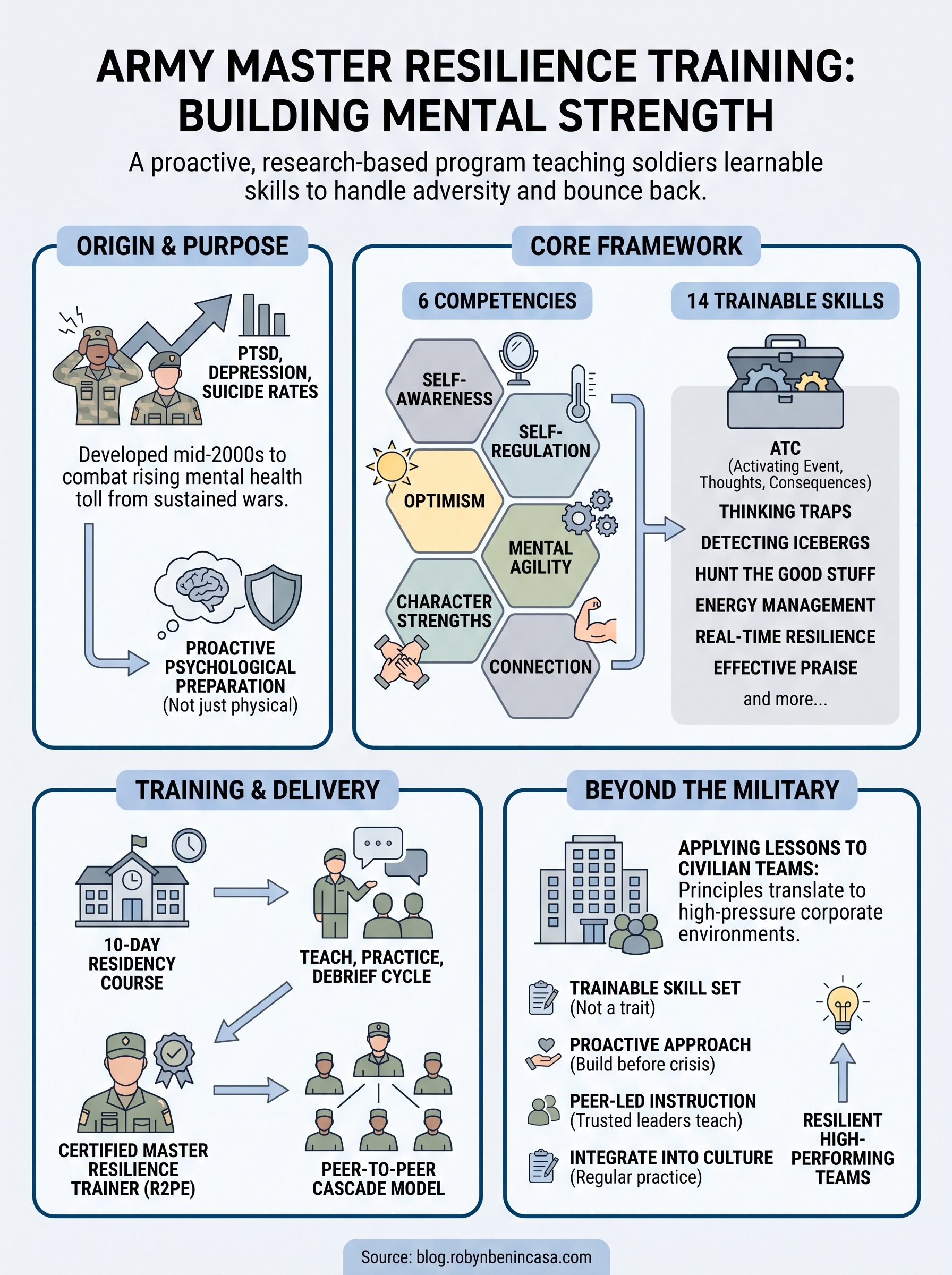
    master resilience training infographic

    Resilience as a skill worth building

    Strip away the acronyms and the Army jargon, and master resilience training comes down to one idea: people can learn to handle pressure the same way they learn to shoot straight or run a marathon, through deliberate practice, not luck of temperament. The Army proved this at scale with soldiers facing combat stress. I’ve proved it in burning buildings and multi-day expedition races. Neither of us stumbled onto tough people by accident. We built resilient ones on purpose.

    Your team faces its own version of deployment stress, whether that’s a brutal sales quarter, a merger, or constant change. Waiting for a crisis to teach resilience is a bad bet. Train it now, the same way the Army does, deliberately and before you need it.

    If you want to bring these principles into your organization, see how the best motivational keynote speakers to hire deliver them to a room, and let’s build that culture together.
  • Leadership Training for Middle Managers: What It Is and Why It Works

    Leadership Training for Middle Managers: What It Is and Why It Works

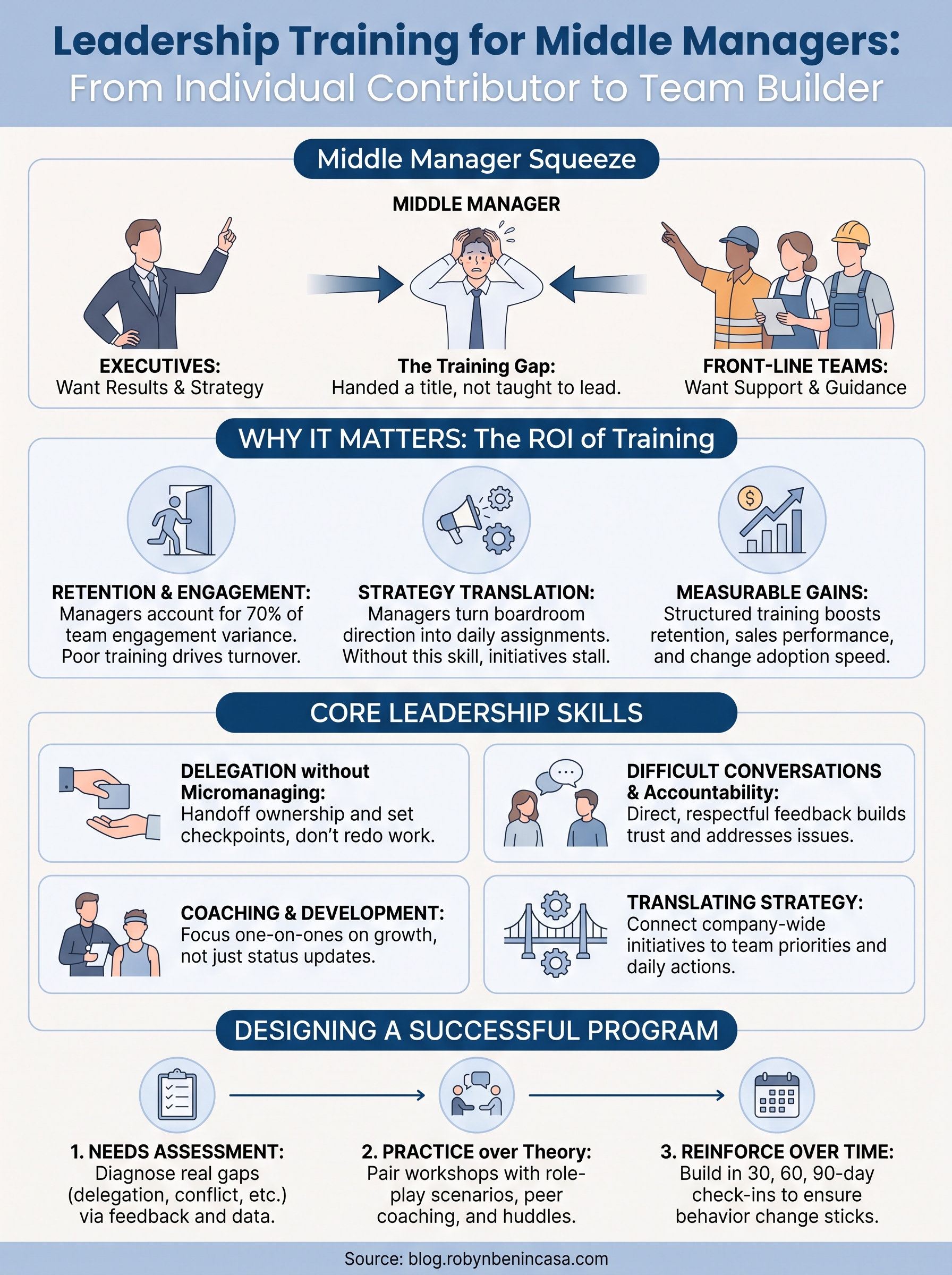
    Middle managers get squeezed from both directions. Executives want results, front-line teams want support, and most companies hand new managers a title without ever teaching them how to lead. That gap is exactly why leadership training for middle managers has become one of the fastest-growing investments in corporate learning budgets.

    Done right, this training isn’t a generic workshop on communication styles. It’s a targeted program that builds the specific skills a manager needs to run interference for their team, translate strategy into daily action, and hold people accountable without crushing morale. Whether your organization calls it leadership training for mid-level managers or something else, the goal stays the same: turn capable individual contributors into leaders who can actually build a team culture.

    I’ve spent 15 years leading world championship adventure racing teams and two decades as a San Diego firefighter, and the pattern is identical in both worlds: teams win or lose based on the people in the middle. In this article, you’ll get a clear definition of what this training actually covers, the core competencies it builds, and why organizations that invest in their mid level managers see measurable gains in retention, sales, and performance.

    Why leadership training matters for middle managers

    Most middle managers get promoted because they were excellent individual contributors, not because anyone tested whether they could lead people. That’s the core problem. Technical skill and leadership skill are different disciplines, and companies routinely conflate them. A top salesperson becomes a sales manager. A skilled nurse becomes a charge nurse. Neither one gets management and leadership skills training on how to run a difficult conversation, delegate without micromanaging, or rebuild trust after a team misses a target. Without structured leadership development, they default to whatever style their own worst boss modeled, which is exactly the gap formal leadership training programs exist to close.

    The turnover and engagement problem

    Gallup has found that managers account for at least 70% of the variance in team engagement scores, which means a poorly trained manager can single-handedly tank morale across an entire department, regardless of how strong the company culture looks on paper. When employees quit, they’re rarely quitting the company. They’re quitting the person they report to every day. That single fact should be enough to justify investing in middle management training as a retention strategy, not just a leadership development nice-to-have.

    A poorly trained middle manager doesn’t just underperform, they actively push good people out the door.

    The strategy translation gap

    Executives set direction from 30,000 feet. Middle managers are the ones who have to translate that direction into daily assignments, deadlines, and difficult tradeoffs on the ground. If they don’t understand how to communicate strategy in a way that makes sense to a front-line team, initiatives stall no matter how good the plan looked in the boardroom. I saw this constantly leading adventure racing teams: the strategy meeting matters far less than whether the team captain can actually get four exhausted people rowing in the same direction at 3 a.m. Middle managers are that team captain, and they need training that treats that translation role as a skill, not an assumption.

    The measurable business case

    Organizations that treat this seriously see it show up in the numbers, not just in employee satisfaction surveys.

    The measurable business case

    Investment area Typical outcome without training Typical outcome with structured training
    Employee retention Higher turnover on managed teams Measurably lower attrition
    Sales performance Inconsistent quotas across regions Teams moving from bottom-tier to top-tier rankings
    Change adoption Resistance and confusion during transitions Faster buy-in and execution
    Manager confidence Reactive, avoidance-based leadership Proactive coaching and accountability

    Ultimately, the case for leadership training for mid-level managers isn’t theoretical. It’s a direct line from how well you prepare the people in the middle to how well your entire organization performs, retains talent, and executes on strategy.

    How to design a leadership training program that works

    A generic slide deck on "leadership principles" won’t change behavior. Effective leadership training for middle managers starts with a diagnosis, not a curriculum. Before you choose a leadership training program, a format, or a speaker, figure out where your managers are actually struggling: is it delegation, difficult conversations, cross-department friction, or all three? Skipping this step is why so many training budgets get spent on programs nobody remembers six months later.

    Start with a real needs assessment

    Talk to the managers themselves, not just their bosses. Pull turnover data by department, review recent 360 feedback if you have it, and ask front-line employees what their manager does well and where they get stuck. This gives you a shortlist of the two or three skills that will move the needle fastest, rather than a broad, unfocused agenda.

    Build in practice, not just theory

    Adults retain leadership skills the same way athletes retain technique: through repetition under real conditions. A single keynote or workshop can reset mindset and create urgency, but it needs to be paired with role-play scenarios, peer coaching cohorts, or manager huddles where people practice the actual conversation they’re avoiding.

    Training that never leaves the classroom never makes it into the next tough conversation.

    Reinforce over time

    One-and-done sessions fade fast. Build in 30, 60, and 90-day check-ins where managers report what they tried, what worked, and what didn’t. This is where structured leadership development for mid level managers actually compounds instead of evaporating.

    Many organizations kick off this process with a keynote that resets the room and gives everyone shared language before smaller cohort work begins. If you’re evaluating leadership keynote speakers and formats built specifically around team leadership and culture, that’s a strong first move before you build out the rest of the program.

    Core skills every middle manager training should build

    Not every leadership topic deserves equal airtime. Skill-specific training works because it targets the handful of competencies that separate a manager people want to work for from one they tolerate. After running teams through high-stakes conditions for years, I’ve noticed the same five essential leadership skills show up as gaps in almost every organization, regardless of industry.

    Delegation without micromanaging

    Before anything else, a manager has to learn the difference between delegating a task and delegating an outcome. Managers who never got training default to checking every detail, which slows the team down and signals distrust. Effective delegation training teaches managers to hand off ownership, set clear checkpoints, and resist the urge to redo the work themselves.

    Difficult conversations and accountability

    Giving hard feedback is the single most avoided skill in middle management. Handled poorly, it either turns into conflict avoidance or a blowup that damages trust. Handled well, it’s a short, direct conversation that addresses the issue, keeps the relationship intact, and builds toward a culture of accountability.

    The managers who avoid hard conversations aren’t being kind, they’re just delaying a bigger problem.

    Coaching and development

    Good managers grow their people on purpose, not by accident. That means regular one-on-ones focused on growth, not just status updates, and knowing how to ask questions instead of handing down answers.

    Translating strategy into daily work

    Strategy means nothing until someone breaks it into this week’s priorities. Leadership communication training gives a manager the strategic communication skills to connect a company-wide initiative to what their team does on Monday morning.

    Core skills worth building in any program:

    • Delegation and ownership transfer
    • Direct, respectful feedback delivery
    • Coaching conversations that build capability
    • Translating strategy into team-level action
    • Conflict resolution across departments

    Each of these skills compounds the others, which is exactly why leadership training for mid level managers works best when it’s sequenced, not scattered.

    Choosing the right training format for your team

    Format matters as much as content. Leadership training for mid level managers can fail simply because it’s delivered in a way that doesn’t match how your team actually works, learns, or is distributed across locations. A 200-person sales org spread across five states needs a different delivery method than a single-site manufacturing plant where every manager eats lunch in the same room.

    Live keynotes vs. ongoing coaching

    Generally, a live keynote is the right tool for creating urgency and shared language across a large group fast. It’s not meant to replace deeper coaching, it’s meant to kick it off. Ongoing coaching, whether through cohorts, peer huddles, or manager-to-manager mentoring, is where the behavior change actually sticks over months.

    A keynote opens the door, coaching is what walks people through it.

    Virtual or in-person, and how to decide

    Here’s how the two formats typically compare for middle management audiences:

    Virtual or in-person, and how to decide

    Factor Virtual training In-person training
    Geographic reach Easy across multiple sites Best for single-location teams
    Cost per participant Lower Higher, includes travel
    Energy and buy-in Harder to sustain Stronger emotional impact
    Practice opportunities Breakout rooms, limited Live role-play, immediate feedback

    Instead of picking one format and forcing every team into it, many organizations blend both: online leadership training or a virtual keynote to reach everyone at once, followed by smaller in-person cohort sessions for the managers who need the deepest practice.

    Ultimately, the right choice depends on your team’s size, budget, and how spread out your managers are. If you’re weighing virtual and in-person keynote options for your next leadership initiative, start by mapping your team’s geography and urgency before committing to a single format.

    leadership training for middle managers infographic

    Investing in the managers in the middle

    Middle managers carry more weight than any other layer in your organization. They translate strategy into action, hold the line on culture, and decide whether good employees stay or quietly start job hunting. Leadership training for middle managers works when it’s targeted, practiced repeatedly, and reinforced over months, not delivered as a one-time slide deck nobody remembers by the next quarter.

    Skip this investment, and you’re gambling your retention, sales numbers, and execution speed on whatever leadership style your managers picked up by accident. Make it deliberate instead. Diagnose the real gaps, build in practice and reinforcement, and choose a format that actually fits how your team works.

    If you’re ready to give your managers a shared starting point and the language to build a real team culture, here’s how to hire a keynote speaker like Robyn for your next leadership event and get the process moving.

  • 9 Top Virtual Keynote Speakers Worth Booking in 2026

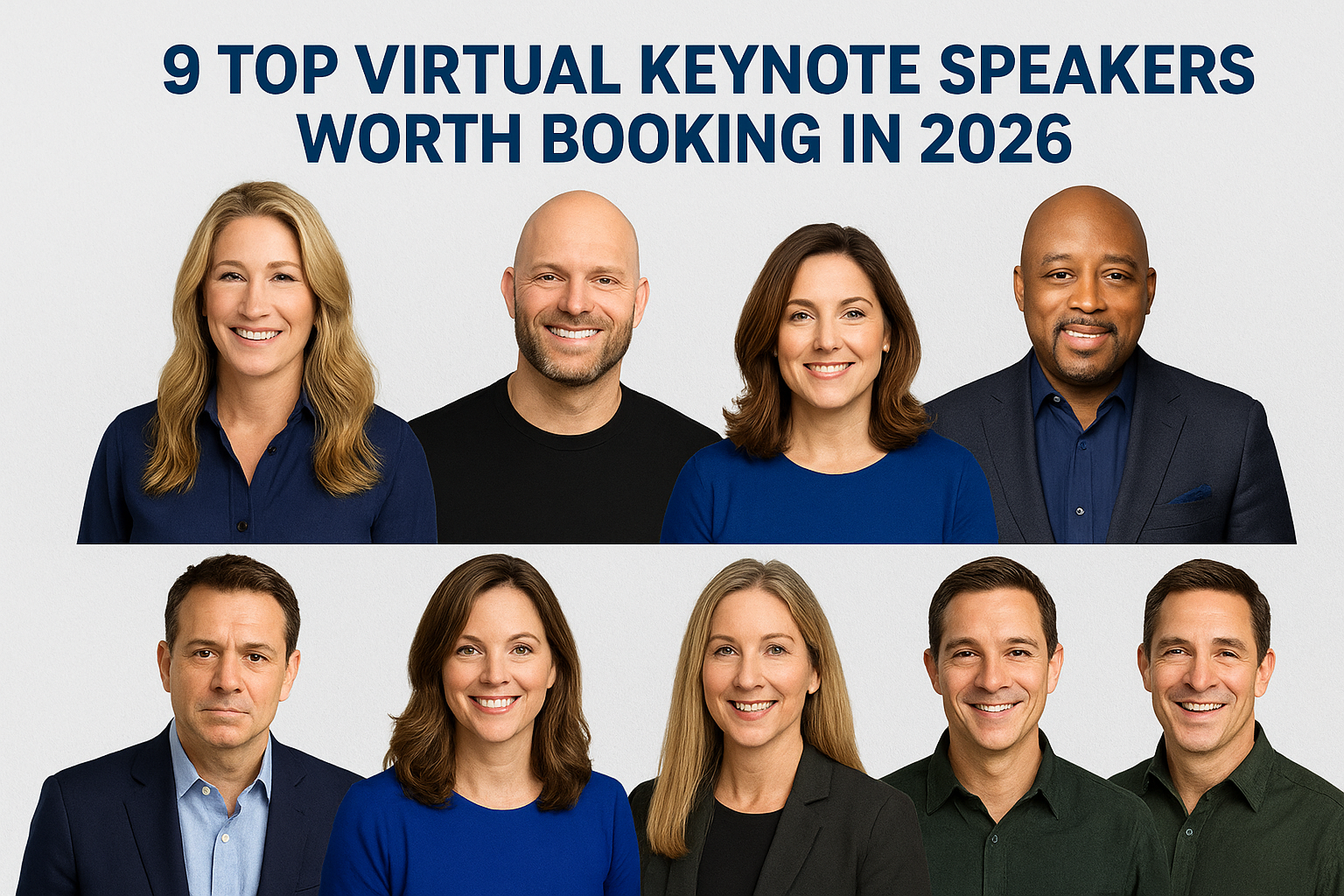
    9 Top Virtual Keynote Speakers Worth Booking in 2026

    Booking a virtual event speaker feels riskier than booking one for a live stage. You can’t read the room, you can’t rely on a packed ballroom to build energy, and one flat delivery kills momentum for the rest of your agenda. If you’re planning a sales kickoff, leadership offsite, or hybrid conference and searching for a virtual keynote speaker who can actually hold a screen full of attention, you already know the stakes are higher than they look.

    This list answers that search directly. Below you’ll find nine of the best virtual keynote speakers working today, chosen for proven engagement, real business results, and content that translates to a camera instead of losing impact behind it. Whether you need a virtual motivational speaker for a company-wide town hall or a sharper voice on team performance for a smaller leadership group, you’ll see who fits and why.

    We’ll cover each speaker’s specialty, the kind of event they’re built for, and what makes them a strong virtual conference speaker rather than just a name with a good highlight reel. You’ll walk away with a shortlist you can bring straight to your planning committee.”

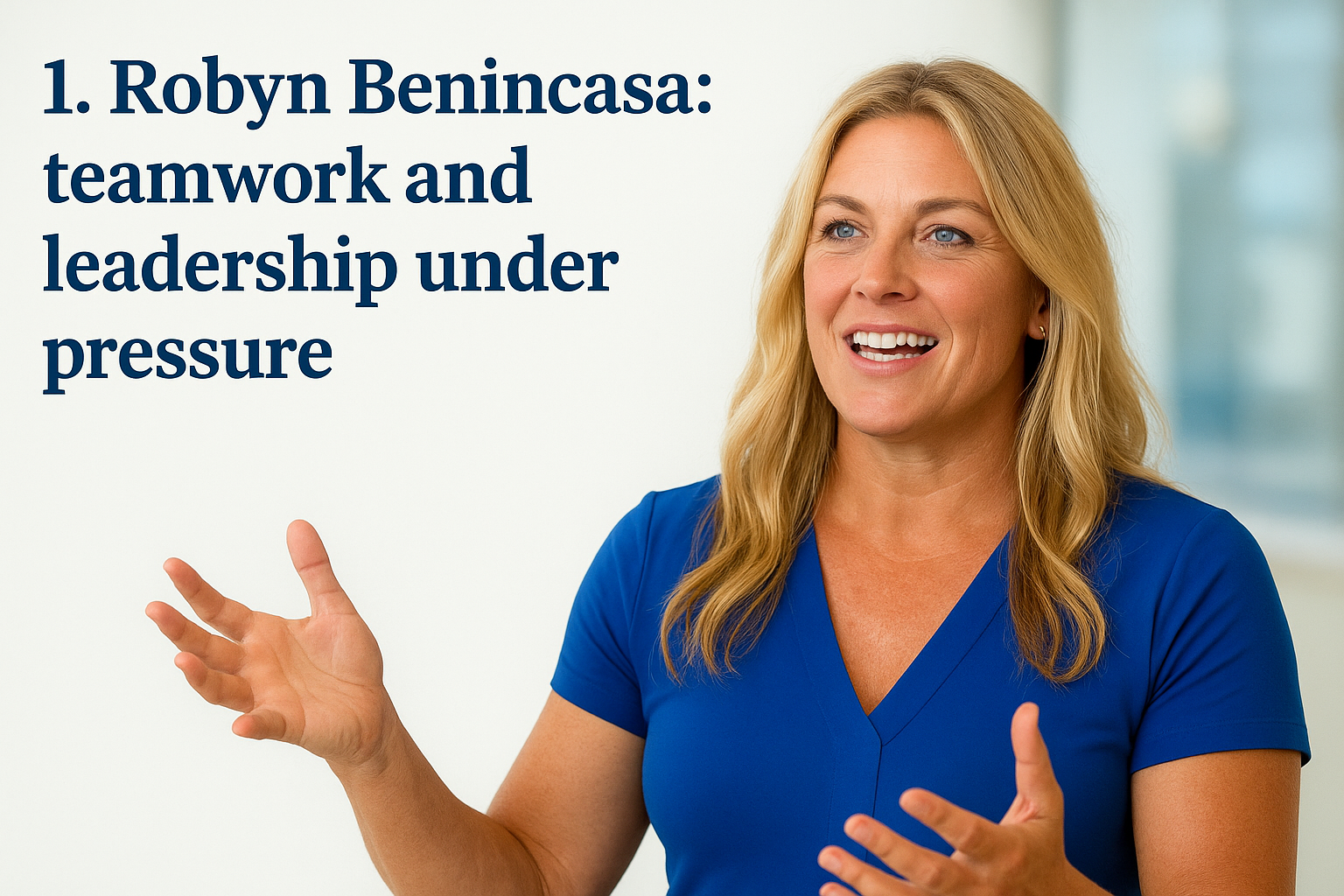
    1. Robyn Benincasa: teamwork and leadership under pressure

    Robyn Benincasa built her career proving that teams win through culture, not individual talent, first as a 20-plus year San Diego firefighter and then as captain of a world champion adventure racing team that dominated the sport for 15 years. She translates that field-tested experience into virtual keynotes that hit different than typical corporate speaker content, because the lessons come from life-or-death teamwork rather than theory. Her New York Times best-selling book, How Winning Works: 8 Essential Leadership Lessons From The Toughest Teams on Earth, backs up every keynote with a framework organizations can actually implement after the screen goes dark.

    1. Robyn Benincasa: teamwork and leadership under pressure

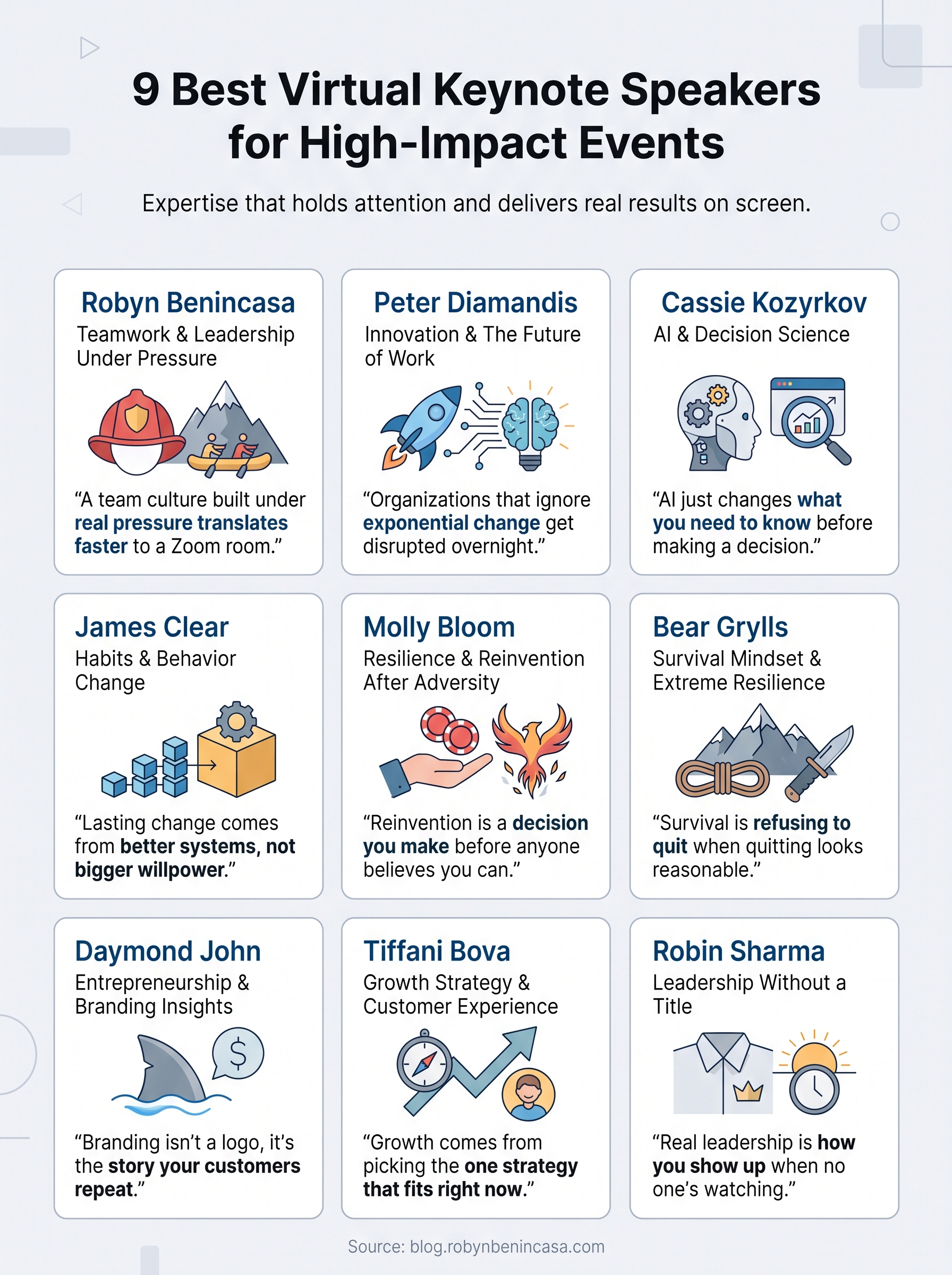
    A team culture built under real pressure translates faster to a Zoom room than one built in a boardroom.

    Signature keynote topics

    Robyn’s most-requested programs include T.E.A.M.W.O.R.K. (the 8 Essential Elements of a World-Class Team Culture), WIN AS ONE, INSPIRING GREATNESS THROUGH G.R.I.T., and WHY WINNERS WIN. Each topic adapts cleanly to a virtual format because they’re built around story, not slides, which keeps remote audiences locked in instead of checking email.

    Best fit for your event

    Companies navigating mergers, sales slumps, or plain old silo problems get the most out of booking her. She’s a strong match for sales kickoffs, leadership offsites, and company-wide town halls where the goal is unifying people around a shared culture rather than delivering a generic pep talk, which is exactly what a corporate culture keynote speaker is for. If your team spans varied experience levels and needs one message everyone can rally around, her content scales across departments without losing specificity.

    Notable credentials

    Robyn has spoken for organizations including Allstate, Northrop Grumman, Boston Scientific, and Indivior, with case studies showing measurable results like a sales team jumping from 17th to 1st nationally after her engagement. She’s also a CNN Hero for founding The Project Athena Foundation, which supports women recovering from major health crises through adventure and team challenges.

    Typical fee range

    Fees vary by event length, format, and customization, so the most reliable step is requesting a quote directly through her booking page. Planners can also grab her free 18-page team building guide before reaching out, which gives a clear preview of the frameworks she’ll bring to your event alongside ideas for virtual team building activities.

    2. James Clear: habits and behavior change for teams

    James Clear turned a blog about tiny habits into Atomic Habits, one of the best-selling nonfiction books of the last decade, and he built a virtual keynote practice around the same core idea: small, consistent systems beat big, motivational pushes. His talks work well on screen because he leans on clear frameworks and visual models rather than crowd energy, which is exactly what a virtual public speaker needs to hold attention through a laptop camera.

    Lasting change comes from better systems, not bigger willpower, and that message lands just as hard on a screen as on a stage.

    Signature keynote topics

    His flagship talk, Atomic Habits: Tiny Changes, Remarkable Results, adapts into shorter modules on team habits, identity-based leadership, and building systems that stick after the meeting ends.

    Best fit for your event

    Organizations rolling out new processes, sales methodologies, or performance initiatives get the most value here, much like they would from a dedicated change management speaker. He suits leadership training sessions and manager development programs where the goal is behavior change, not just inspiration.

    Notable credentials

    Clear has sold over 20 million copies of Atomic Habits worldwide and has advised NFL, NBA, and Fortune 500 teams on building habit-based performance cultures.

    Typical fee range

    Planners should expect fees in the $100,000 to $150,000 range for virtual bookings, though exact pricing depends on availability and customization requests, and it helps to know what you’ll really pay to hire a keynote speaker before you budget.

    3. Daymond John: entrepreneurship and branding insights

    Daymond John built FUBU from a $40 startup into a $6 billion global brand, then spent over a decade as a shark on Shark Tank, and that combination gives him rare credibility as a virtual keynote speaker for audiences hungry for real entrepreneurial insight instead of recycled business platitudes. His delivery style translates well to remote screens because he treats the camera like a one-on-one pitch meeting, pulling viewers in with direct eye contact and story-driven examples rather than relying on stage movement or crowd reaction.

    Branding isn’t a logo, it’s the story your customers repeat when you’re not in the room.

    Signature keynote topics

    His core programs include The Power of Broke, Success Formula, and branding-focused talks built around turning limited resources into competitive advantage, all adaptable into shorter virtual formats for sales meetings or product launches.

    Best fit for your event

    Companies in retail, consumer products, and financial services book him most often, especially for events centered on innovation, brand growth, or entrepreneurial thinking inside larger organizations. He works well for sales conferences and leadership summits where the audience wants tactical branding advice alongside inspiration.

    Notable credentials

    John has built or advised brands generating hundreds of millions in revenue through his FUBU legacy and Shark Tank investments, and he’s a New York Times best-selling author of multiple business books, including The Power of Broke.

    Typical fee range

    Virtual keynote fees for John typically fall between $100,000 and $200,000, with pricing shifting based on event length, exclusivity, and whether Q&A or a fireside chat format is added.

    4. Peter Diamandis: innovation and the future of work

    Peter Diamandis co-founded Singularity University and the XPRIZE Foundation, and he’s spent decades studying exponential technologies like AI, robotics, and biotech before most executives even knew the terms. As a virtual keynote speaker, he thrives because his content is inherently forward-looking, giving remote audiences a reason to stay glued to the screen instead of drifting into a side conversation about quarterly numbers.

    Organizations that ignore exponential change don’t get disrupted gradually, they get disrupted overnight.

    Signature keynote topics

    His best-known programs include Abundance: The Future Is Better Than You Think and Exponential Organizations, both built around how emerging technology reshapes competitive advantage and workforce strategy.

    Best fit for your event

    Technology, healthcare, and financial services companies book him most often, particularly for innovation summits, board retreats, and executive offsites where leadership needs a wake-up call about industry disruption. He also fits well as a virtual conference speaker for larger hybrid events focused on future-of-work strategy.

    Notable credentials

    Diamandis founded over 20 companies in the space and longevity sectors, co-authored multiple New York Times best-sellers including Abundance and The Future Is Faster Than You Think, and built the XPRIZE Foundation into one of the most recognized innovation platforms in the world.

    Typical fee range

    Expect virtual fees between $100,000 and $150,000, with premium pricing for exclusive industry content or extended executive briefings added to the keynote.

    5. Molly Bloom: resilience and reinvention after adversity

    Molly Bloom ran the highest-stakes private poker game in Los Angeles and New York before a federal indictment took it all away, and she rebuilt her career from scratch into a sought-after speaker and the subject of the film Molly’s Game. As a virtual keynote speaker, she works because her story is a case study in reinvention under public scrutiny, and remote audiences relate to rebuilding something after a public setback more than they relate to another success-only narrative.

    Reinvention isn’t a comeback story, it’s a decision you make before anyone believes you can pull it off.

    Signature keynote topics

    Her core programs include Molly’s Game: Building Resilience Through Crisis and talks on risk management, decision-making under pressure, and leading through public failure, each adaptable into shorter virtual segments for leadership audiences.

    Best fit for your event

    Companies facing reputational challenges, leadership transitions, or high-pressure sales environments book her most. She suits executive offsites, women-in-leadership programs, and risk-focused industries like finance and insurance where the audience needs a real framework for recovering from setbacks rather than generic resilience talk.

    Notable credentials

    Bloom’s memoir became a bestseller and a major motion picture starring Jessica Chastain, and she now advises executives on crisis communication and personal brand rebuilding after her own experience navigating federal prosecution.

    Typical fee range

    Virtual fees typically range from $50,000 to $75,000, with pricing shifting based on whether the event adds a moderated Q&A or fireside chat format.

    6. Tiffani Bova: growth strategy and customer experience

    Tiffani Bova spent years as a top analyst at Gartner and Salesforce before writing the Wall Street Journal bestseller Growth IQ, and she built her speaking career around a simple premise: companies grow by choosing the right strategy for their specific stage, not by copying whatever worked for a competitor. Booking her as a virtual keynote speaker works especially well for revenue-focused teams because her frameworks translate into concrete decisions a sales or customer success org can apply the same quarter.

    Growth doesn’t come from doing more, it comes from picking the one strategy that actually fits where your business stands right now.

    Signature keynote topics

    Her flagship talk, Growth IQ: Get Smarter About the Choices That Will Make or Break Your Business, breaks down ten proven growth paths, and she also delivers sessions on customer experience strategy and digital transformation tailored to sales and marketing audiences.

    Best fit for your event

    Sales kickoffs, customer experience summits, and marketing leadership offsites get the most value from Bova. She fits organizations wrestling with stalled growth or a fragmented customer journey and wanting a data-backed roadmap instead of motivational filler.

    Notable credentials

    Bova was named one of the Top 15 Business Growth Experts by Inc. Magazine and has advised executive teams at Salesforce, Gartner, and dozens of Fortune 500 companies on growth and CX strategy.

    Typical fee range

    Virtual keynote fees generally run between $40,000 and $60,000, depending on session length and whether a strategy workshop is added.

    7. Cassie Kozyrkov: artificial intelligence and decision science

    Cassie Kozyrkov spent years as Google’s first Chief Decision Scientist, building the internal discipline that helped the company apply AI responsibly across thousands of products, and she now translates that experience into keynotes that cut through the AI hype cycle. Unlike speakers who treat artificial intelligence as a buzzword, she explains decision science in plain language, making her one of the best virtual keynote speakers, and one of the top female keynote speakers worth booking, for executives who need to make real calls about AI adoption rather than just feel inspired by it.

    AI doesn’t make decisions for you, it just changes what you need to know before you make one yourself.

    Signature keynote topics

    Her core programs include Making Big Decisions with AI, The Art of Statistical Thinking, and sessions on data-driven leadership that walk audiences through frameworks for separating genuine AI value from vendor noise.

    Best fit for your event

    Technology, finance, and healthcare organizations book her most, particularly for innovation offsites and executive briefings where leadership needs clarity before greenlighting an AI initiative. She also suits data and analytics conferences where the audience wants substance over sales pitches.

    Notable credentials

    Kozyrkov built and led Google’s decision intelligence practice, has written extensively for Harvard Business Review, and is regularly cited as one of the most influential voices in applied AI leadership.

    Typical fee range

    Virtual fees typically fall between $50,000 and $75,000, with pricing rising for extended executive workshops or custom AI strategy sessions.

    8. Bear Grylls: survival mindset and extreme resilience

    Bear Grylls spent two decades hosting survival television from the Amazon to the Arctic, and before that he served in the British Special Forces, which gives him a rare kind of authority when he talks about performing under pressure. Hiring him as a virtual motivational speaker works because his content doesn’t rely on stage props or physical stunts to land, the stories themselves carry enough tension to hold a remote audience through a full session.

    8. Bear Grylls: survival mindset and extreme resilience

    Survival isn’t about being the toughest person in the room, it’s about refusing to quit when quitting looks reasonable.

    Signature keynote topics

    His flagship programs include Survival of the Fittest, focused on adapting fast under pressure, and Leading at the Extreme Edge, which applies Special Forces decision-making to corporate crisis moments.

    Best fit for your event

    Organizations facing layoffs, restructuring, or a genuinely difficult quarter book him most often. He suits leadership summits and company-wide town halls where people need permission to push through discomfort rather than another polished success story.

    Notable credentials

    Grylls hosted Man vs. Wild across more than 100 countries, served in the 21 SAS Regiment, and became the youngest Chief Scout of the UK’s Scout Association.

    Typical fee range

    Virtual bookings generally run between $150,000 and $250,000, reflecting his global television profile, which puts him in the same tier as other celebrity speakers to book for your next event, and the production value his team brings to remote sessions.

    9. Robin Sharma: leadership without a title

    Robin Sharma spent years as a litigation lawyer before walking away to study peak performance, and he built his speaking career around one core idea: leadership is a mindset anyone can practice, regardless of job title. His book The Leader Who Had No Title sold millions of copies worldwide, and that same accessible framework makes him a natural virtual keynote speaker, and one of the leadership keynote speakers worth booking, for organizations trying to build leadership habits at every level, not just in the executive suite. Sharma’s calm, teacher-like delivery style translates cleanly to a laptop screen, since his content relies on clear mental models rather than stage energy to keep remote audiences engaged.

    Real leadership has nothing to do with your business card and everything to do with how you show up when no one’s watching.

    Signature keynote topics

    His flagship talk, The Leader Who Had No Title, covers personal mastery and leading from any position, while The 5am Club focuses on morning routines that drive peak daily performance.

    Best fit for your event

    Companies rolling out leadership development programs or manager training initiatives get the most value here. He suits mid-level leadership summits and all-employee town halls where the goal is building leadership behavior company-wide.

    Notable credentials

    Sharma has sold over 15 million books across 92 countries and has advised executives at Nike, Microsoft, and GE on personal leadership development.

    Typical fee range

    Virtual keynote fees generally range from $50,000 to $75,000, depending on session length and customization requests.

    virtual keynote speaker infographic

    Choosing the right voice for your virtual stage

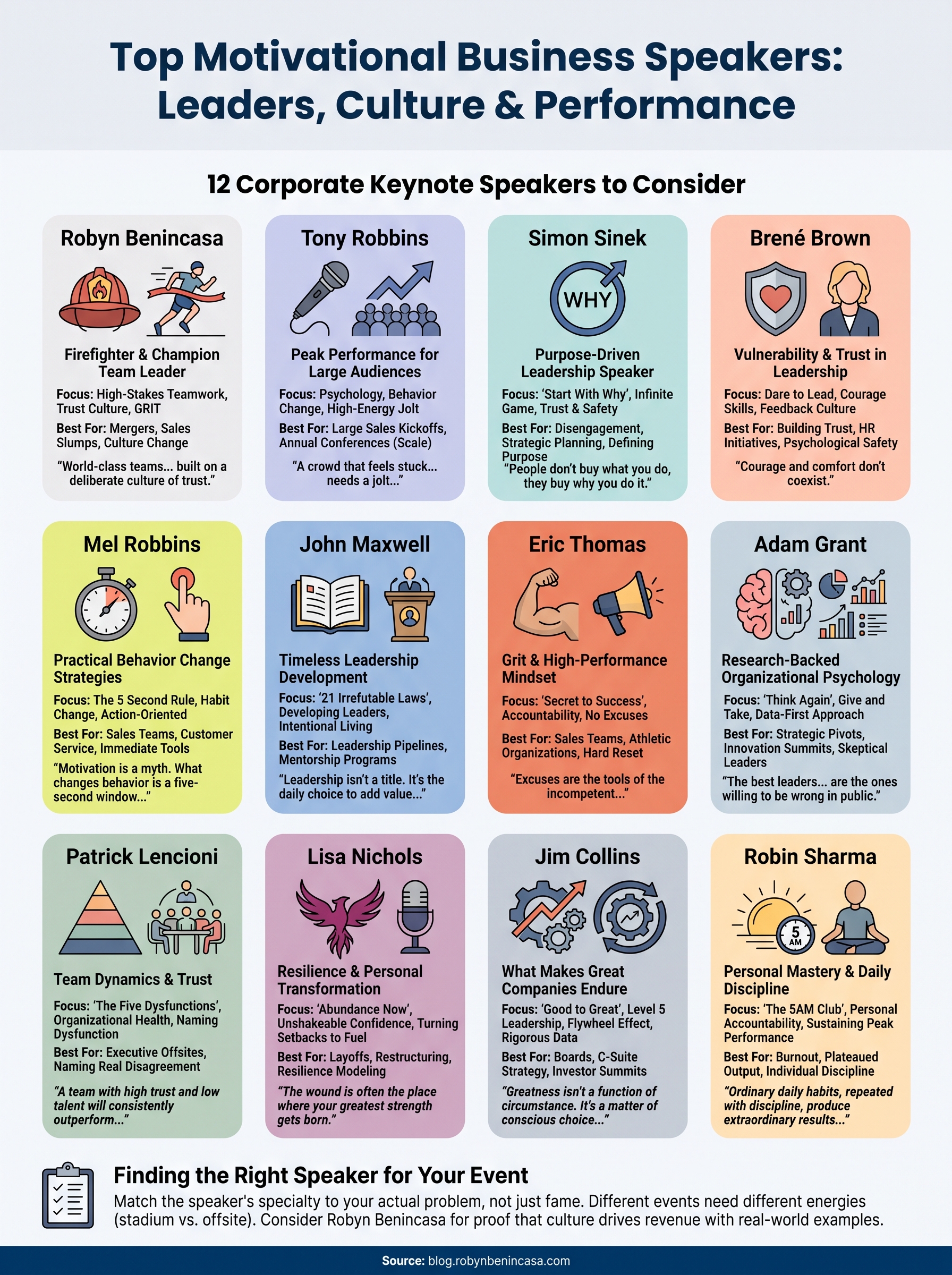
    Every name on this list can hold a screen, but the right pick depends on your event’s real goal. A virtual conference speaker built for AI strategy won’t land the same way at a sales kickoff that needs a culture reset, and a survival story won’t fix a fragmented customer journey. Match the speaker’s core message to the problem your organization actually has, not just the topic that sounds impressive on an agenda.

    Given that, most planners come back to the same conclusion: teams perform better when they trust each other, and that trust has to be built deliberately, whether people are in a ballroom or scattered across a dozen home offices. Robyn Benincasa built her entire career proving that culture, not talent, wins under pressure. If unifying a team is the outcome you’re after, see how to create a strong team culture and start planning a session your team will still be talking about next quarter.

  • Keynote Speaker Cost: What Rates Look Like and Why

    Keynote Speaker Cost: What Rates Look Like and Why

    You’ve got a budget number in mind and a boss asking for a firm quote before the event gets approved. That’s the hard part of booking talent: keynote speaker cost doesn’t work like a price sheet at a restaurant. Rates swing from a few thousand dollars to six figures, and the reasons behind that spread rarely show up on a speaker’s website.

    This article breaks down what actually drives keynote speaker rates, so you can walk into a budget conversation with real numbers instead of guesses. You’ll see how fame, travel, format, and audience size change the fee, plus where negotiation actually moves the needle and where it doesn’t.

    I’ve spent 20 years building teams as a firefighter and world champion adventure racer before I stepped onto corporate stages, so I know both sides of this booking process. The goal here isn’t to sell you on a rate. It’s to give you the same pricing framework and cost breakdown that event planners at companies like Northrop Grumman and Boston Scientific use when they’re comparing proposals.

    Why keynote speaker costs vary so much

    Ask five event planners what a keynote speaker costs and you’ll get five different numbers, because the honest answer is "it depends on who you’re asking and when" — even before you settle what a keynote speaker actually is and does. Keynote speaker cost isn’t set by a formula. It’s shaped by supply and demand, just like airline tickets or hotel rooms during a conference week.

    The four rough tiers of speaker fees

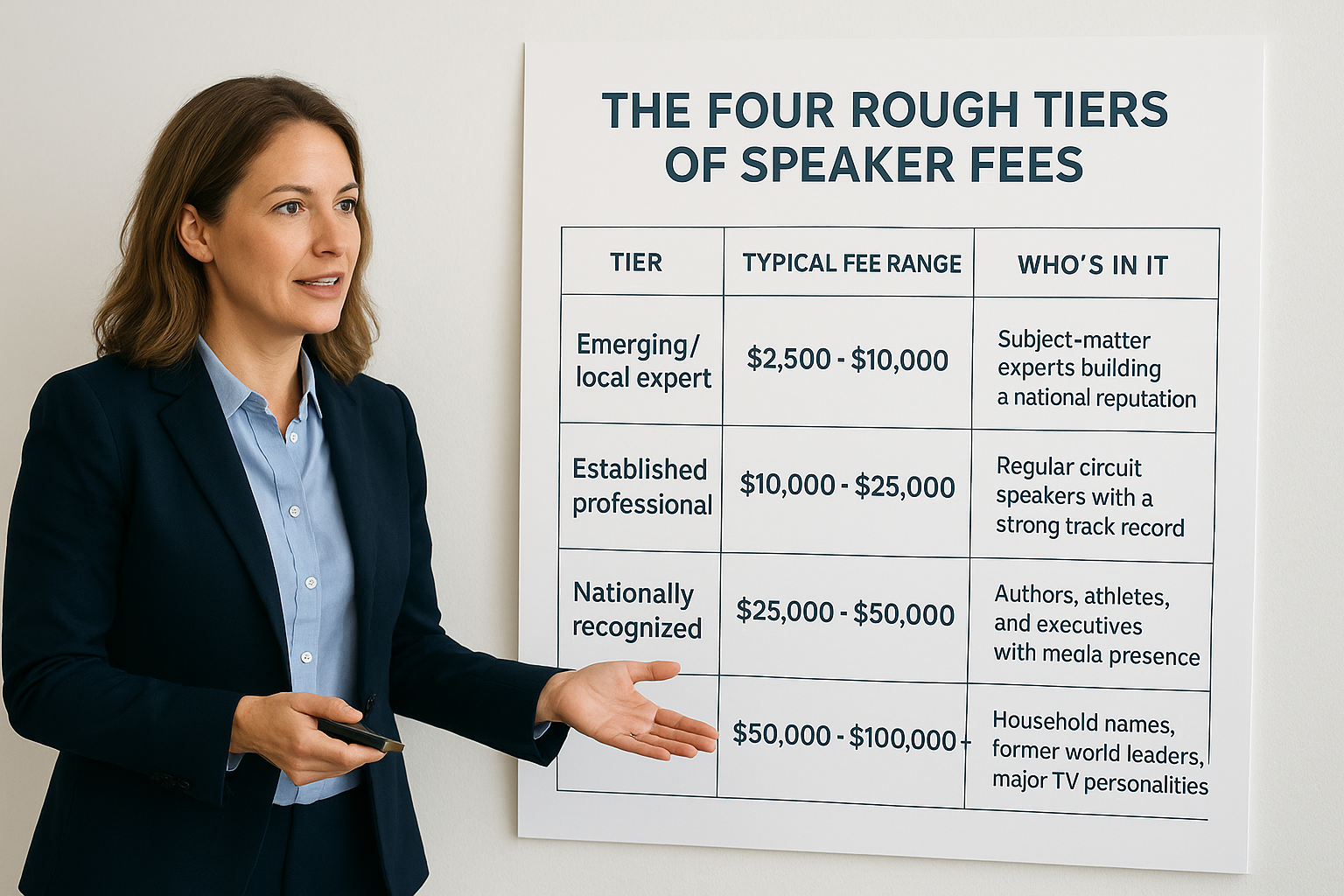
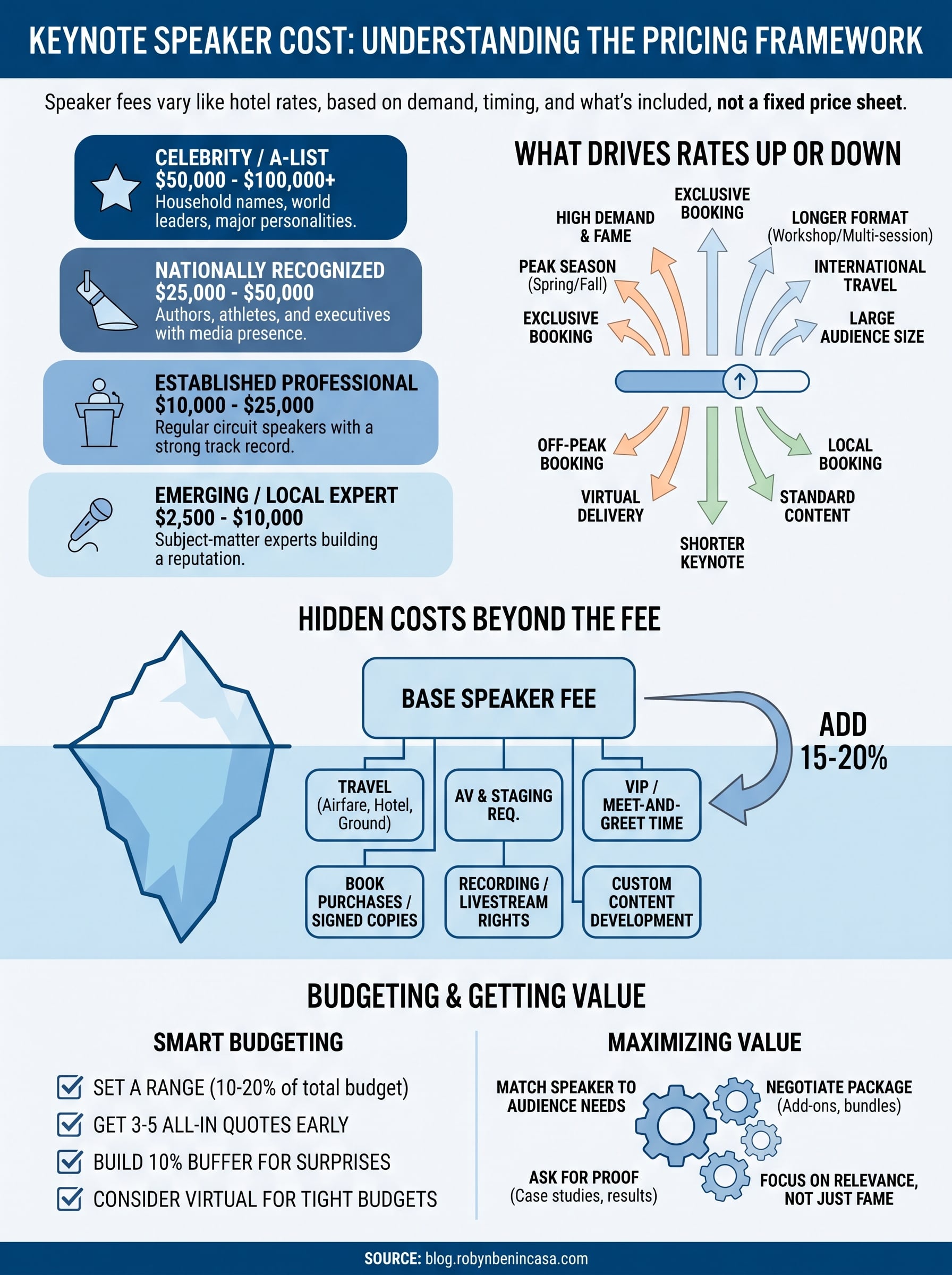
    Most speakers fall into one of four pricing bands, from emerging local experts up to celebrity speakers worth booking, and knowing which tier you’re shopping in saves you from wasting time on proposals that were never going to fit your budget.

    The four rough tiers of speaker fees

    Tier Typical Fee Range Who’s in it
    Emerging/local expert $2,500 – $10,000 Subject-matter experts building a national reputation
    Established professional $10,000 – $25,000 Regular circuit speakers with a strong track record
    Nationally recognized $25,000 – $50,000 Authors, athletes, and executives with media presence
    Celebrity/A-list $50,000 – $100,000+ Household names, former world leaders, major TV personalities

    A speaker’s fee reflects demand for their story, not the length of their talk.

    Same speaker, different price tag

    Booking timing matters more than most planners expect. A speaker’s calendar during peak conference season (typically spring and fall) fills up fast, and open dates in October or November often carry a premium simply because everything else is taken. Exclusivity plays a role too: some speakers charge more if you want them to skip a competitor’s event in your industry that same quarter. Finally, keynote speaker rates often reflect current visibility, meaning a speaker who just published a bestselling book or landed a viral media hit can double their fee within a single year, then settle back down once the spotlight fades.

    What drives a speaker’s rate up or down

    Beyond fame and timing, a handful of practical factors push a quote higher or lower, and most of them are things you control as the buyer. Format is the biggest lever: a 45-minute keynote costs less than a full-day workshop or a multi-session engagement, since you’re buying more of the speaker’s prep time and stage time. Location matters too, since flying a speaker across the country or overseas adds travel fees on top of the base rate, while a local booking can trim thousands off the total.

    Audience size and exclusivity also shift the number. Speaker fees often climb when a company wants sole use of that speaker’s content in their industry that year, or when the audience is large enough that the speaker’s team needs extra prep for breakout sessions.

    The format and exclusivity you ask for often move the price more than the speaker’s name does.

    Common rate drivers include:

    • Travel distance and logistics
    • Length and number of sessions
    • Custom content versus a standard talk
    • Virtual versus in-person delivery, which can lower keynote speaker cost significantly

    How to budget for a keynote speaker

    Budgeting for a keynote speaker starts with a real number, not a wish. Pull three to five quotes from speakers in your target tier before you present a figure to leadership, and build in room for travel and add-ons so you’re not caught short after the contract is signed. Most planners underestimate keynote speaker cost by focusing only on the headline fee and forgetting everything that surrounds it.

    Set a range, not a single number

    Give your finance team a range instead of a flat figure, since speaker availability and travel distance can shift the final quote by thousands even after you’ve picked a name. A workable approach:

    • Start with your event’s total budget and cap speaker spend at 10-20% of it
    • Get written quotes early, since fees change as a speaker’s calendar fills
    • Ask each speaker’s team for an all-in estimate, not just the base fee
    • Build a 10% buffer for travel surprises

    Budget for the whole engagement, not just the fee on the contract.

    Virtual keynotes remain the easiest way to protect a tight budget, since you skip travel entirely and still get the same content and energy from the stage.

    Hidden costs beyond the speaking fee

    Beyond the contract number, a handful of line items catch planners off guard every year. Travel is the big one: airfare, ground transportation, and lodging for the speaker (and sometimes a producer or assistant) typically land on top of the base fee, not inside it. Keynote speaker cost estimates that skip this step tend to blow the budget by 15-20% once the final invoice arrives.

    Hidden costs beyond the speaking fee

    Other add-ons worth confirming before you sign:

    • AV and staging requirements beyond your venue’s standard setup
    • Meet-and-greet or VIP reception time, often billed separately
    • Book purchases or signed copies for attendees
    • Recording or livestreaming rights for internal use
    • Custom content development for a highly tailored talk

    The fee on the contract is rarely the full cost of the engagement.

    Rights and usage matter too. If you want to repurpose a talk for training or post it internally, ask upfront, since some speakers charge extra for that license. None of this should scare you off. It just means the real keynote speaker rates conversation happens before you sign, not after.

    How to get the most value for your budget

    Getting real value from a keynote speaker isn’t about chasing the lowest quote. It’s about matching the speaker’s strengths to what your event actually needs, so the keynote speaker cost you pay translates into a talk people still mention six months later. A speaker who nails your industry’s specific challenges is worth more than a bigger name who delivers a generic talk, which is why planners shortlist top leadership keynote speakers by fit before they compare fees.

    Ask for proof, not promises

    Request case studies or client references before you commit, especially ones tied to measurable outcomes like engagement scores or sales results. A speaker with a track record of moving the needle, not just entertaining a room, justifies a higher fee.

    Value comes from relevance to your audience, not from the size of the name on the contract.

    Negotiate the package, not just the number

    Bundle add-ons into one conversation instead of negotiating them separately:

    • Ask about multi-event discounts if you’re booking for a conference series
    • Request a workshop add-on at a reduced rate instead of a separate fee
    • Confirm what’s included in speaker fees before you counter

    A well-matched keynote, like one from a corporate culture keynote speaker built around team building principles that fit your culture, pays for itself in retention and morale long after the invoice clears.

    keynote speaker cost infographic

    Finding the right fit for your event

    Knowing the tiers, the hidden add-ons, and the leverage points behind keynote speaker cost puts you in a stronger position than most planners walking into a budget meeting. Rates vary because demand, format, and logistics vary, not because anyone’s pulling numbers out of thin air. Once you understand that, comparing proposals gets a lot less stressful.

    Remember that the fee is only worth paying if the message actually lands with your audience. Speakers who bring real, tested experience, whether that’s leading firefighting teams or winning world championships, tend to deliver the kind of stories that change what team building really means for a group long after the event ends.

    If you’re planning a leadership offsite or sales kickoff and want a talk built around proven team building principles, here’s how to hire a keynote speaker for your next event and pick the one that fits your team’s next chapter.

  • 10 Best Free Online Leadership Training Programs

    10 Best Free Online Leadership Training Programs

    You want to build stronger leaders on your team, but the training budget got cut, or maybe it never existed. So you’re searching for online leadership training free of cost, and you want it to actually be worth your time, not a thinly disguised sales funnel for something else.

    Here’s the good news: real leadership development doesn’t require a five-figure invoice. Plenty of respected universities, business schools, and platforms offer free leadership training programs with structured lessons, real frameworks, and in many cases, a certificate you can put on LinkedIn or a resume, the same building blocks you’d find in what leadership training programs are and why they work. Whether you’re a new manager trying to figure out how to run your first team meeting or an HR leader looking for free leadership training for managers across departments, there’s a program built for your situation.

    In this list, I’m covering ten of the best free online leadership training programs available right now, from short skill-builders to full courses that take weeks to complete, and if budget isn’t your only filter, it’s worth comparing them against the online leadership training programs worth trying at any price. I’ll tell you what each one actually teaches, who it’s best suited for, and where it falls short, because even free training should earn a spot on your calendar.

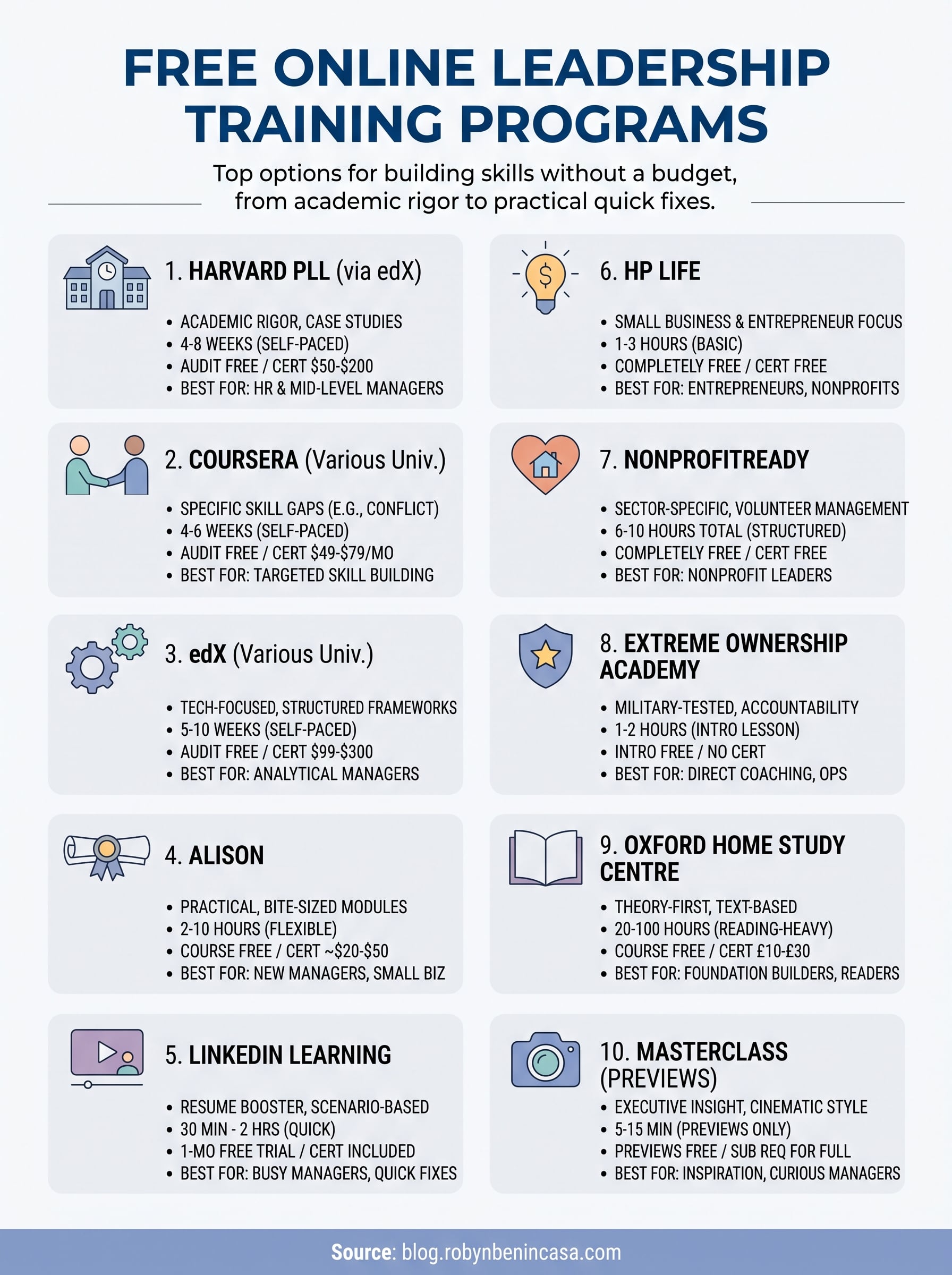
    1. Harvard Professional and Lifelong Learning

    When people search for online leadership training free of cost but still want a name they trust, Harvard is usually the first one that comes to mind, and for good reason. Harvard’s Division of Continuing Education runs its Professional and Lifelong Learning (PLL) catalog, which includes a rotating set of no-cost, self-paced leadership courses built by Harvard faculty and hosted on partner platforms like edX. These aren’t watered-down summaries either. You’re getting the same case-study method and academic rigor Harvard is known for, just packaged into shorter, digestible modules instead of a full semester.

    1. Harvard Professional and Lifelong Learning

    What you’ll learn

    The leadership offerings rotate, but common topics include adaptive leadership, organizational behavior, negotiation fundamentals, and decision-making under uncertainty. Courses like "Exercising Leadership: Foundational Principles" walk you through the difference between technical problems and adaptive challenges, a distinction that changes how you approach nearly every team conflict. Others focus on communication and influence, teaching you how to build buy-in without relying on formal authority, which is the same ground covered by dedicated leadership communication training programs. If you’re looking for free leadership development training materials that go beyond generic tips, this is one of the more substantive options on the list.

    Harvard’s free leadership courses trade flash for depth, giving you frameworks you can actually apply the next time you’re navigating a hard team decision.

    Format and time commitment

    Most courses are video-lecture based, combined with readings and discussion prompts, and run 4 to 8 weeks at a suggested pace of 2 to 4 hours per week. Everything is self-paced within that window, so you can work around a full-time job. A few programs are shorter, closer to a weekend project, but the flagship leadership courses tend to run longer since they’re adapted from real Harvard classroom material.

    Certificate and cost

    Auditing the course, meaning watching lectures and doing the readings without graded assignments, is completely free. If you want a verified certificate with Harvard’s name on it, expect a fee, typically $50 to $200 depending on the course. That’s still a fraction of what a full Harvard Extension School class costs, and for many managers, the free audit track alone delivers plenty of value.

    Best for

    This program suits HR leaders and mid-level managers who want academically grounded content and don’t mind a slower, more reflective learning pace. It’s less useful if you need something quick to plug into a Monday morning team meeting. For that kind of practical training built around creating a strong team culture, a live or virtual keynote framed around real leadership scenarios, like the ones Robyn Benincasa delivers, tends to land faster with a room.

    2. Coursera leadership and management courses

    Coursera hosts hundreds of leadership and management courses from universities like Yale, Michigan, and Northwestern, and a healthy chunk of them can be taken for free if you skip the certificate. This is one of the most searched platforms for leadership training programs free of charge because the audit option is easy to find and doesn’t require a credit card upfront. You just pick a course, click audit, and start watching lectures the same day.

    What you’ll learn

    Courses like Michigan’s "Leading People and Teams" specialization or Northwestern’s "High Performance Collaboration" cover delegation, conflict resolution, and motivating diverse teams. Some programs dig into performance management and giving feedback that actually changes behavior, rather than vague "be a better communicator" advice. Because the catalog is so large, you can also find niche tracks, like leading a team through change or managing remote teams, that a single university course rarely covers.

    Coursera works best when you already know which leadership gap you’re trying to close, since the sheer size of the catalog can overwhelm someone who’s just browsing.

    Format and time commitment

    Most specializations run 4 to 6 weeks, broken into individual courses of a few hours each, with quizzes and peer-reviewed assignments built in. You can move faster if you skip the discussion boards, which isn’t required for the audit track anyway.

    Certificate and cost

    Auditing is free indefinitely for most courses, but the shareable certificate requires a paid subscription, usually $49 to $79 a month through Coursera Plus, or a one-time course fee. Financial aid is available if you apply and qualify.

    Best for

    Coursera suits managers who want university-level content on a specific skill gap and don’t mind paying only if they decide the certificate matters.

    3. edX free leadership courses

    EdX runs its own catalog of leadership courses from schools like MIT, Berkeley, and the University of Queensland, separate from the Harvard PLL courses it also hosts. Searching for leadership training programs online free of charge often leads here because edX built its entire platform around the audit-track model, letting anyone watch lectures and complete coursework without paying a cent upfront. The catalog leans more technical than Coursera’s in places, with courses built for engineers and project managers moving into leadership roles, but there’s still plenty for a general management audience.

    What you’ll learn

    Popular options include MIT’s "Becoming a Successful Leader" and Berkeley’s "Leading Effective Decision-Making," both of which focus on structured decision frameworks and how to lead teams through ambiguity. Other courses tackle organizational design, cross-cultural leadership, and how to run productive one-on-ones. If your team spans multiple time zones or departments, edX’s project-management-adjacent leadership courses fill a gap the general platforms often skip.

    The strongest edX leadership courses come from schools that already teach decision-making and systems thinking, so you get frameworks built for complexity, not just soft-skill tips.

    Format and time commitment

    Most courses run 5 to 10 weeks at 2 to 5 hours per week, self-paced within that window. A handful of MicroMasters programs bundle several leadership courses together, which can stretch the commitment to several months if you go that route.

    Certificate and cost

    Auditing is free and permanent for most courses. A verified certificate typically runs $99 to $300, higher for MicroMasters credentials that carry graduate-school credit at some universities.

    Best for

    EdX suits analytically minded managers, especially those in engineering, operations, or technical fields, who want leadership training with more rigor than a typical soft-skills course.

    4. Alison free leadership skills courses

    Alison takes a different approach than Harvard or edX. Instead of university branding, it offers a huge library of bite-sized, practical courses built by workplace training specialists, and nearly all of them are free to complete, not just audit. If you’ve been searching for free leadership training programs that don’t require a credit card at any point in the process, Alison is one of the few platforms that delivers on that promise fully. The catalog includes dozens of leadership-specific titles, from broad overviews to the narrow essential leadership skills like performance appraisals or team motivation.

    What you’ll learn

    Courses like "Diploma in Leadership and Management" and "Team Building: Developing High Performance Teams" cover the fundamentals of delegation, conflict handling, and setting team goals. Alison also has shorter modules on giving constructive feedback and running effective meetings, which suit a manager who needs one specific skill fixed quickly rather than a full curriculum. The content is practical and workplace-focused, though less academically rigorous than Harvard or edX material.

    Alison won’t teach you leadership theory in depth, but it will get a brand-new manager functional in a specific skill within an afternoon.

    Format and time commitment

    Most courses run 2 to 10 hours, split into short video and text modules with quizzes throughout. There’s no fixed schedule, so you can finish a full diploma course in a weekend if you set aside the time.

    Certificate and cost

    Completing the course and passing the assessment is entirely free. Alison does charge for a printed or PDF certificate, usually around $20 to $50, though a digital badge is available at no cost if you don’t need a formal document.

    Best for

    Alison suits new managers and small-business owners who need quick, no-cost skill-building without navigating a university-style course structure.

    5. LinkedIn Learning leadership courses

    LinkedIn Learning packages leadership training into short, polished video courses taught by working consultants and business school instructors, and it ties directly into your professional profile. Anyone searching for free online leadership training programs that double as a resume booster tends to land here, since completed courses show up right on your LinkedIn profile for recruiters and managers to see. The catalog is enormous, covering everything from first-time management to executive presence, and the production quality is noticeably higher than most free platforms.

    5. LinkedIn Learning leadership courses

    What you’ll learn

    Courses like "Leadership Foundations" and "Having Difficult Conversations" focus on practical scenarios, role-playing tough feedback sessions, handling underperformance, and building trust with a new team. Other titles dig into emotional intelligence and remote team leadership, both common gaps for managers promoted without formal management and leadership skills training. The lessons stay short, usually 20 to 40 minutes per course, so you can knock one out between meetings.

    LinkedIn Learning trades depth for convenience, giving you a usable leadership tip in the time it takes to drink a coffee, not a full framework to build a program around.

    Format and time commitment

    Most individual courses run 30 minutes to 2 hours, split into short video segments with downloadable exercise files. There’s no cohort or schedule involved, so you move entirely at your own pace, which suits managers squeezing training between back-to-back calls.

    Certificate and cost

    LinkedIn Learning isn’t free outright, but it offers a one-month free trial that gives full access to the leadership catalog, and many public libraries provide free ongoing access through a library card login. Certificates are automatic on completion and post directly to your profile at no extra charge.

    Best for

    This platform suits busy managers who want quick, specific fixes rather than a long-form leadership curriculum, especially if they already have library access to sidestep the subscription cost entirely.

    6. HP LIFE effective leadership course

    HP built LIFE (Learning Initiative for Entrepreneurs) as a corporate social responsibility project, and the leadership catalog inside it stays genuinely free with no upsell waiting at the end. If you’ve been hunting for free leadership training programs built for small-business owners and first-time supervisors rather than corporate executives, HP LIFE fills a gap most university platforms skip entirely. The site itself feels basic, more functional than flashy, but the course content holds up.

    What you’ll learn

    The "Effective Leadership" course covers leadership styles, team motivation, and delegation basics, with a strong focus on situations small-business owners actually face, like managing a team of five instead of five hundred. Related HP LIFE courses cover workplace communication and problem-solving, so you can build a small custom curriculum without leaving the platform.

    HP LIFE strips leadership training down to what a small team leader needs this month, not a theory-heavy framework for a Fortune 500 org chart.

    Format and time commitment

    Each course runs 1 to 3 hours, broken into short video lessons and interactive exercises. There’s no cohort or deadline, and you can pause and resume anytime since HP LIFE saves your progress automatically.

    Certificate and cost

    Everything on HP LIFE, including the certificate of completion, is completely free. No credit card, no trial period, no paywall for the credential. You just create an account and start.

    Best for

    This course suits small-business owners, nonprofit leads, and entrepreneurs who need practical leadership basics without the university packaging. It’s less suited to managers inside a large corporation looking for advanced frameworks, since the content stays intentionally introductory.

    7. NonprofitReady leadership essentials certificate

    NonprofitReady built its entire platform around the nonprofit sector, and its leadership content reflects that focus without ever charging a fee. Searching for free leadership training programs rarely turns up sector-specific options, which makes NonprofitReady stand out for anyone managing volunteers, program staff, or a small mission-driven team instead of a typical corporate department. The site requires a free account, but nothing beyond that, and the leadership essentials certificate track pulls together several standalone courses into one structured path.

    What you’ll learn

    The certificate covers supervising staff, managing volunteers, and leading through organizational change, all framed around the budget and staffing realities nonprofits actually deal with. Individual courses dig into performance reviews, coaching conversations, and building a team culture when resources stay tight year after year. It’s less theoretical than Harvard or edX, closer in spirit to a practical staff handbook turned into video lessons.

    NonprofitReady proves that free online leadership training free of corporate jargon still needs a sector to speak to, and here that sector is nonprofits, not Fortune 500 teams.

    Format and time commitment

    Each course runs 30 minutes to 1 hour, and the full leadership essentials certificate takes roughly 6 to 10 hours to complete across all required modules. Everything is self-paced, and you can log in and out without losing progress.

    Certificate and cost

    The entire platform, including the certificate itself, is completely free. There’s no premium tier, no upsell, and no trial period. You register with an email address and start immediately.

    Best for

    This program suits nonprofit managers and volunteer coordinators who need leadership training built around limited budgets and mixed staff-volunteer teams, rather than corporate hierarchy structures.

    8. Extreme Ownership Academy free training

    Echelon Front, the leadership consulting company founded by former Navy SEALs Jocko Willink and Leif Babin, runs the Extreme Ownership Academy, and it offers a free introductory training built around the principles from their bestselling book. Rather than academic theory, this program teaches a military-tested leadership philosophy centered on accountability, one that’s gained a loyal following among managers who want a blunter, less corporate approach to free leadership training for managers. The free tier acts as a sampler for their paid academy, but it still delivers a complete, standalone lesson rather than a teaser video.

    8. Extreme Ownership Academy free training

    What you’ll learn

    The free training walks through the core Extreme Ownership concept: leaders own every outcome, good or bad, with no excuses passed down the chain, the foundation of any culture of accountability. You’ll also get exposure to "Decentralized Command," their framework for pushing decision-making authority down to the people closest to the problem, a concept that translates directly to teams drowning in bottlenecked approvals.

    Extreme Ownership training strips leadership down to one uncomfortable question: what did you, the leader, fail to do?

    Format and time commitment

    The free introductory course runs about 1 to 2 hours, delivered through video lessons featuring Willink and Babin themselves, along with short written exercises. It’s a single self-contained module, not a multi-week program, so you can finish it in one sitting.

    Certificate and cost

    The introductory training is free with no credit card required, though it doesn’t include a formal certificate. The full academy, which does offer certification, requires a paid subscription.

    Best for

    This program suits managers who respond to direct, no-nonsense coaching rather than academic frameworks, particularly those in operations, sales, or former military environments.

    9. Oxford Home Study Centre leadership courses

    Oxford Home Study Centre (OHSC) is a UK-based online learning provider, not affiliated with Oxford University itself, but its leadership and management catalog still ranks among the more structured free leadership development training materials available without a university login or corporate sponsor. Searching for free online leadership training programs eventually surfaces OHSC because it packages its content like a formal course rather than a loose collection of videos, with defined modules, self-assessments, and a syllabus you can actually print out and follow.

    What you’ll learn

    The leadership tracks cover management theory, motivational leadership styles, and strategic planning basics, along with dedicated units on conflict resolution and performance management. Courses like "Leadership and Management Level 3" walk through classic frameworks, think Situational Leadership and Maslow’s hierarchy applied to teams, giving newer managers vocabulary they’ll recognize later in more advanced training.

    OHSC works best when you want a textbook-style foundation in leadership theory before you tackle the messier, situational judgment calls that come with actually managing people.

    Format and time commitment

    Each course runs 20 to 100 hours depending on the level you choose, broken into written units with self-check quizzes rather than video lectures. There’s no deadline pressure, so you can spread a longer diploma-level course across several months.

    Certificate and cost

    Enrollment and coursework stay completely free, but OHSC charges a fee, typically £10 to £30, for a printed or PDF certificate once you pass the final assessment.

    Best for

    This platform suits managers who prefer reading over video and want a theory-first foundation before jumping into scenario-based training, though it’s a slower path than most others on this list.

    10. MasterClass Management free leadership course

    MasterClass built its reputation on star-studded instruction, and its business and leadership catalog includes short, free preview lessons pulled from full courses taught by names like Bob Iger, Anna Wintour, and Chris Voss. Searching for online leadership training free of cost sometimes leads people here by mistake, since MasterClass is primarily a paid subscription platform, but the free previews and occasional promotional access windows do offer genuine value if you know what you’re getting into before you click enroll.

    What you’ll learn

    The free preview lessons focus on storytelling as a leadership tool, negotiation tactics from Chris Voss’s hostage-negotiation background, and decision-making lessons from executives who ran massive organizations. Bob Iger’s segments on managing through crisis and building a leadership identity translate well to corporate settings, even though the full course covers Disney-specific case studies you won’t access without a paid membership.

    MasterClass gives you a taste of executive-level thinking for free, but the full leadership curriculum stays locked behind a subscription.

    Format and time commitment

    Each free preview runs 5 to 15 minutes, filmed in the same cinematic style as the paid lessons. A full course, if you upgrade, runs several hours across multiple video segments, but the free tier only unlocks a handful of introductory clips per instructor.

    Certificate and cost

    The preview lessons cost nothing and require only an email signup. A full MasterClass membership runs around $120 to $180 a year, and there’s no completion certificate offered at any tier, since the platform positions itself as inspirational learning rather than credentialed training.

    Best for

    This option suits curious managers who want a quick dose of high-profile leadership insight before deciding whether a paid subscription is worth it, not anyone who needs a certificate or a structured curriculum to show progress.

    online leadership training free infographic

    Choosing the right program for your goals

    Match the platform to your actual problem, not the one with the biggest name attached. If you need a quick skill fix, HP LIFE or LinkedIn Learning will get you there faster than a Harvard case study ever will. If you’re building a formal credential for your resume, edX and Coursera give you university weight once you pay for the certificate. And if your team is nonprofit or mission-driven, NonprofitReady speaks your language in a way generic corporate courses never will.

    Here’s the limit of any self-paced course, though: none of it replaces the energy shift a real team gets from working through leadership lessons together, in the room, at the same time. Online leadership training builds individual skill. A live keynote builds shared culture. If you’re planning a team offsite, sales kickoff, or leadership summit and want that shift to actually stick, see which of the top leadership keynote speakers worth booking fits where your team is right now.

  • 50 Catchy Names for Leadership Training Programs

    50 Catchy Names for Leadership Training Programs

    You’ve been asked to launch a leadership program, and now you’re stuck on what to call it. "Leadership Training 2026" sounds like a compliance module nobody wants to attend, and your executive team wants something people will actually talk about. Finding the right names for leadership training programs matters more than most HR teams realize. A flat, forgettable title signals a forgettable program before a single session even starts.

    This list gives you exactly what you’re searching for: real, usable catchy names for leadership training programs that fit different cultures, industries, and goals, from scrappy startups to defense contractors. Whether you need something bold, something rooted in your company values, or innovative names for leadership training programs that hint at transformation rather than another checkbox exercise, you’ll find options here you can adapt in minutes.

    I’ve spent two decades building team cultures, first racing adventure teams to world championships, then leading firefighting crews, and now speaking to organizations about what actually makes people commit to a program. Below are 50 names, organized to help you pick one that matches your team’s identity and the results you’re after, plus quick tips on what makes a training name stick.

    1. Teamwork and culture-focused names

    When your real goal is breaking down silos and building a shared identity through team building activities for leadership teams, the program name should say "team" before it says "training." These names for leadership training programs work best when the leaders you’re developing already spend their days managing groups, not just individual output. A culture-focused name tells everyone from day one that this isn’t a solo development track, it’s about how people work together.
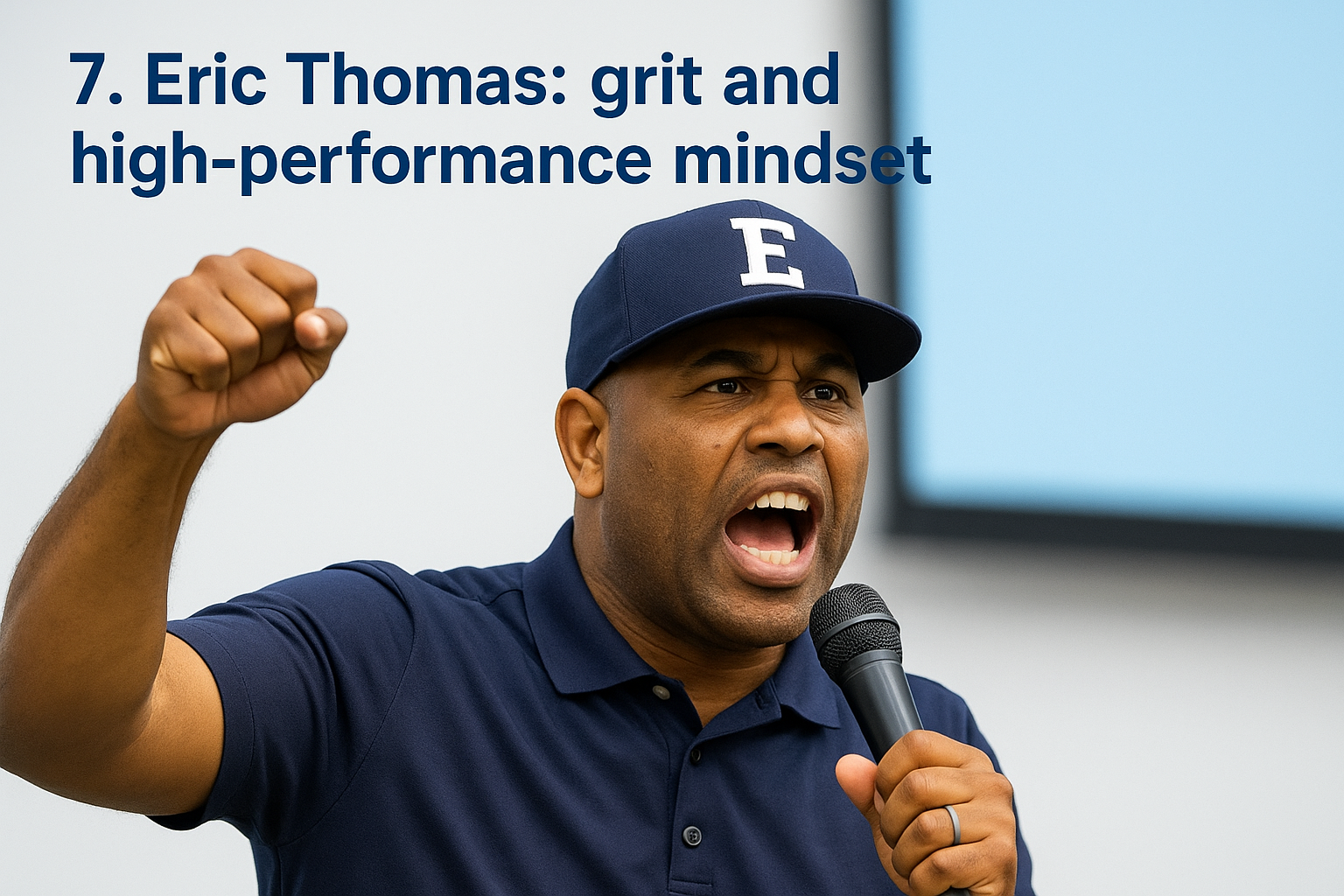
    1. Teamwork and culture-focused names

    Example names

    • Culture Builders Academy
    • One Team Leadership Lab
    • WIN AS ONE Leadership Series
    • The Collective Advantage
    • Unified Command Program
    • Bridge Builders Initiative
    • The Culture Code Workshop
    • Team Forward Program

    Why it works

    These names work because they set expectations before anyone opens a syllabus. A participant who signs up for "Unified Command Program" already knows the sessions will cover coordination, trust, and shared accountability, not just personal executive presence. Culture-driven names also age well. Unlike trendy buzzwords, phrases like "team" and "collective" don’t feel dated in five years, which matters if you’re building something you’ll run annually.

    A program name built around teamwork tells people the goal before the first slide does.

    I saw this firsthand leading adventure racing teams through multi-day expeditions. The teams that won weren’t the ones with the strongest individual athletes, they were the ones who trained together under a shared banner. The name of the effort mattered because it reminded everyone, especially in the brutal 3 a.m. hours, what they’d actually signed up to build. That’s the same psychology at play when you name a corporate program: the title becomes shorthand for the culture you’re trying to create, referenced in emails, hallway conversations, and performance reviews long after the actual sessions end.

    Best for

    This category suits organizations coming out of a merger, reorg, or period of heavy turnover, where the biggest leadership gap is trust between departments rather than individual skill, which is exactly what team building training for managers is designed to close. It also fits companies running corporate training leadership development initiatives aimed at middle managers who supervise cross-functional teams, often paired with cross-functional collaboration training. If your leadership pipeline problem is really a collaboration problem, start here, and with the leadership and team building skills behind it, rather than with a more individually-focused name from later in this list. Sales organizations trying to unify regional teams under one playbook, in particular, tend to respond well to this style of naming because it mirrors the outcome they’re chasing.

    2. Classic and professional program names

    Some cultures don’t want cute or clever, they want credibility. Banks, law firms, healthcare systems, and government contractors often need names for leadership training programs that sound serious enough to put on a resume or a promotion packet. Nobody wants their director-level certification to sound like a summer camp activity.

    Example names

    • Executive Leadership Institute
    • Leadership Excellence Program
    • The Management Development Series
    • Strategic Leaders Program
    • Foundations of Leadership
    • Leadership Certification Track
    • The Advanced Leadership Curriculum
    • Professional Leadership Academy

    Why it works

    Classic names borrow authority from familiar institutional language. Words like "institute," "academy," and "certification" signal rigor and structure, which matters when participants need to justify the time commitment to their own bosses. These names also travel well across departments and don’t require an explanation in an email subject line. A regulated industry, in particular, benefits from a title that sounds defensible in an audit or a board presentation rather than one that needs a tagline to make sense.

    Sometimes the most credible name is the one that doesn’t try too hard to be memorable.

    Think of this category as the tailored suit of program naming. It won’t generate buzz on its own, but it won’t raise eyebrows either, and in conservative industries, that’s often exactly the point.

    Best for

    This style fits organizations where leadership development ties directly to promotion or certification, such as insurance, pharmaceutical, defense, and financial services companies. If your program needs sign-off from compliance or legal before it launches, a classic, professional name will clear that bar faster than anything experimental.

    3. Inspirational and aspirational names

    Some leaders don’t need another certification, they need a reason to believe they’re capable of more. Inspirational names for leadership training programs work when the real barrier isn’t skill, it’s confidence or burnout. These titles borrow language from movement and possibility rather than curriculum, and they tend to show up in kickoff emails and company all-hands meetings because they’re easy to rally around.

    Example names

    • Rise Leadership Program
    • The Greatness Initiative
    • Beyond the Title
    • Leaders Unleashed
    • The Bold Leader Series
    • Ignite Leadership Program
    • Elevate: A Leadership Journey
    • The Fearless Leader Track

    Why it works

    Aspirational names work because they speak to identity rather than task lists. Nobody gets excited to attend "Module 3: Delegation Skills," but plenty of people will lean into a program called "Leaders Unleashed" because it implies something is being unlocked in them personally. These names also carry well into speeches and internal marketing, since they double as rallying language leadership can reference at every town hall.

    A program that promises to help people rise will always outsell one that promises to train them.

    I built my own keynote series, INSPIRING GREATNESS THROUGH G.R.I.T., around this exact idea. People commit harder to programs that name the transformation, not just the schedule.

    Best for

    This category fits organizations leading teams through change, restructuring, or a slump in morale, where leaders need energy as much as technique. It also suits sales and frontline teams that respond to momentum-driven language over academic framing, and any culture rebuilding confidence after a rough year or two.

    4. Growth and journey-themed names

    Growth doesn’t happen in a single workshop, and journey-themed names admit that upfront. These names for leadership training programs work when you’re building a multi-year pipeline rather than a one-off event, and you want participants thinking in terms of progress, not completion. A journey name also gives you room to add phases later, like "Leadership Path: Level Two," without renaming the whole initiative.

    Example names

    • The Leadership Path
    • Climb: A Leadership Development Program
    • Momentum Leadership Series
    • The Ascent Program
    • Compass Leadership Track
    • Next Level Leaders
    • The Trailblazer Initiative
    • Forward: A Growth-Focused Leadership Program

    Why it works

    Journey language reframes leadership as an ongoing practice instead of a certificate you earn once and shelve. Words like "path," "climb," and "compass" imply direction without pretending anyone has arrived, which keeps senior participants engaged instead of feeling like the material is beneath them. This framing also helps HR teams justify a recurring budget line, since a journey clearly continues past year one.

    A leadership program that admits it never finishes is one people stay committed to longer.

    I think about this the same way I think about long-distance adventure races. Nobody crosses the finish line and calls themselves finished with endurance; they start training for the next one. Growth-themed names carry that same expectation into the workplace.

    Best for

    This category suits organizations building a formal leadership pipeline across multiple cohort years with the best leadership training programs behind it, especially companies promoting from within rather than hiring leadership from outside. It also fits fast-growing companies where today’s individual contributor is tomorrow’s manager, and the name needs to still make sense two promotions later.

    5. Action-oriented and dynamic names

    Some cultures don’t want to talk about leadership, they want to practice it. Action-oriented names for leadership training programs trade reflection for momentum, using verbs instead of nouns to signal that participants will be doing something, not just sitting through slides. These names suit companies that already move fast and don’t want a program that feels like a pause button on their normal pace.

    Example names

    • Lead Now
    • The Execution Edge
    • Drive: Leadership in Motion
    • Accelerate Leadership Lab
    • The Launchpad Program
    • Sprint to Leadership
    • Full Throttle Leaders
    • Move the Needle Leadership Series

    Why it works

    Dynamic names work because they mirror how the business already talks internally, especially in sales, startups, and operations-heavy teams that measure everything in output. A name like "Sprint to Leadership" tells a manager exactly what pace to expect before they read a single agenda item. Action verbs also make a program easier to sell to skeptical participants who assume leadership training means long lectures and worksheets nobody revisits.

    A leadership program named after motion has to deliver motion, or the title will work against you.

    That last point matters. I’ve watched teams lose trust fast in a program that promised acceleration and delivered a slow, theory-heavy curriculum instead. Name the pace you can actually run.

    Best for

    High-growth companies, sales organizations, and startups scaling their management bench quickly all fit this category well. Businesses under real time pressure, where leaders need essential leadership skills within weeks rather than a semester-long curriculum, get the most mileage out of a name built around speed and action.

    6. Acronym-based names

    Acronyms give a leadership program something most names can’t: instant recall. Acronym-based names for leadership training programs work because they turn abstract values into a memorable shorthand people actually repeat in meetings, not just read once in a launch email. I built my own signature keynote around this idea, T.E.A.M.W.O.R.K., which breaks down the eight essential elements of a world-class team culture into letters people can quote back to me years later.

    Example names

    • L.E.A.D. (Learn, Engage, Act, Deliver)
    • G.R.I.T. Leadership Series
    • S.P.A.R.K. Program
    • C.O.R.E. Leadership Track
    • R.I.S.E. Initiative
    • F.I.R.E. Up Leadership
    • B.U.I.L.D. Leadership Academy
    • V.I.S.I.O.N. Leadership Program

    Why it works

    Each letter forces you to name a specific behavior, so the acronym doubles as a built-in curriculum outline instead of a vague label. Employees remember five letters far longer than a full sentence, and managers reference them naturally when coaching, which extends the program’s life well past the actual training days.

    A good acronym turns a training name into a daily vocabulary word.

    Cross-industry credibility matters here too. Acronyms travel from a fire station to a sales floor without losing meaning, which is exactly why I still use one after two decades of building team cultures under real pressure.

    Best for

    This style suits organizations that want a program tied directly to a values framework, particularly companies rolling out leadership training programs meant to outlast a single cohort. It also works well for teams that already communicate in shorthand, like sales floors, operations centers, and emergency services.

    7. Names for specific leader levels and audiences

    Not every leader needs the same program, and lumping a new supervisor into the same track as a VP wastes both their time, which is why management and leadership skills training usually gets split by tier. Names for leadership training programs that call out a specific level or audience signal immediately who belongs in the room, which cuts down on the awkward mismatch of a first-time manager sitting through content built for someone running a division.

    Example names

    • Emerging Leaders Program
    • Frontline Leadership Academy
    • Director’s Edge
    • The New Manager Bootcamp
    • Women in Leadership Series
    • Senior Leaders Roundtable
    • First-Time Supervisor Track
    • Executive Leadership Circle

    Why it works

    A targeted name sets the right expectations before anyone reads the agenda. "Frontline Leadership Academy" tells a shift supervisor the material will address their actual day, not boardroom strategy, while "Executive Leadership Circle" signals peer-level discussion rather than a lecture. This kind of audience-specific naming also helps HR justify separate budgets and timelines for each group, since the name itself explains why a new manager and a senior director aren’t in the same cohort.

    A leadership program named for the wrong audience loses credibility before the first session starts.

    I’ve watched companies try to save money by running one generic program for every level, and it backfires. Senior leaders disengage because the content feels basic, and new supervisors feel lost. Naming by level fixes that mismatch before it happens.

    Best for

    This category fits larger organizations with a real leadership pipeline spanning multiple tiers, from frontline supervisors to executives. It also suits companies running diversity-focused tracks, like a women in leadership series, where the audience itself is part of the program’s identity.

    8. Creative single-word and metaphor names

    Sometimes the strongest names for leadership training programs are the shortest. A single word, or a sharp metaphor, forces a program to stand for one clear idea instead of trying to explain itself. This category works well when your culture already has a strong identity and the training just needs a name that fits the same voice as the rest of the brand.

    8. Creative single-word and metaphor names

    Example names

    • Catalyst
    • The Forge
    • Anchor Leadership
    • Compass
    • The Foundry
    • Beacon
    • Summit Leadership Program
    • Keystone

    Why it works

    A single word carries more weight than a full phrase because people fill in the meaning themselves. "The Forge" implies heat, pressure, and something being shaped, without a single sentence of explanation needed. Metaphor-driven names also print well on a lanyard, a slide deck, or a coffee mug, which matters more than most planning teams admit when a program needs visibility long after launch day.

    A one-word name works because it leaves room for people to define what it means to them.

    These names also resist becoming dated the way trendier phrases can. "Catalyst" meant the same thing ten years ago as it does now, which isn’t true of most buzzwords tied to a specific business moment.

    Best for

    Companies with a strong existing brand voice, especially ones already using metaphor in their mission statement or values, get the most out of this style. It also suits smaller, tight-knit organizations where a single evocative word becomes shorthand fast, without needing a tagline to carry the meaning.

    names for leadership training programs infographic

    Finding the name that fits your culture

    A name from any of these eight categories can work, but only if it matches what your team actually needs right now. Don’t pick something aspirational if your real problem is a trust gap between departments, and don’t reach for acronym-based names if your culture doesn’t already talk in shorthand. The best names for leadership training programs come from being honest about the gap you’re closing, then choosing language that fits how your people already talk to each other.
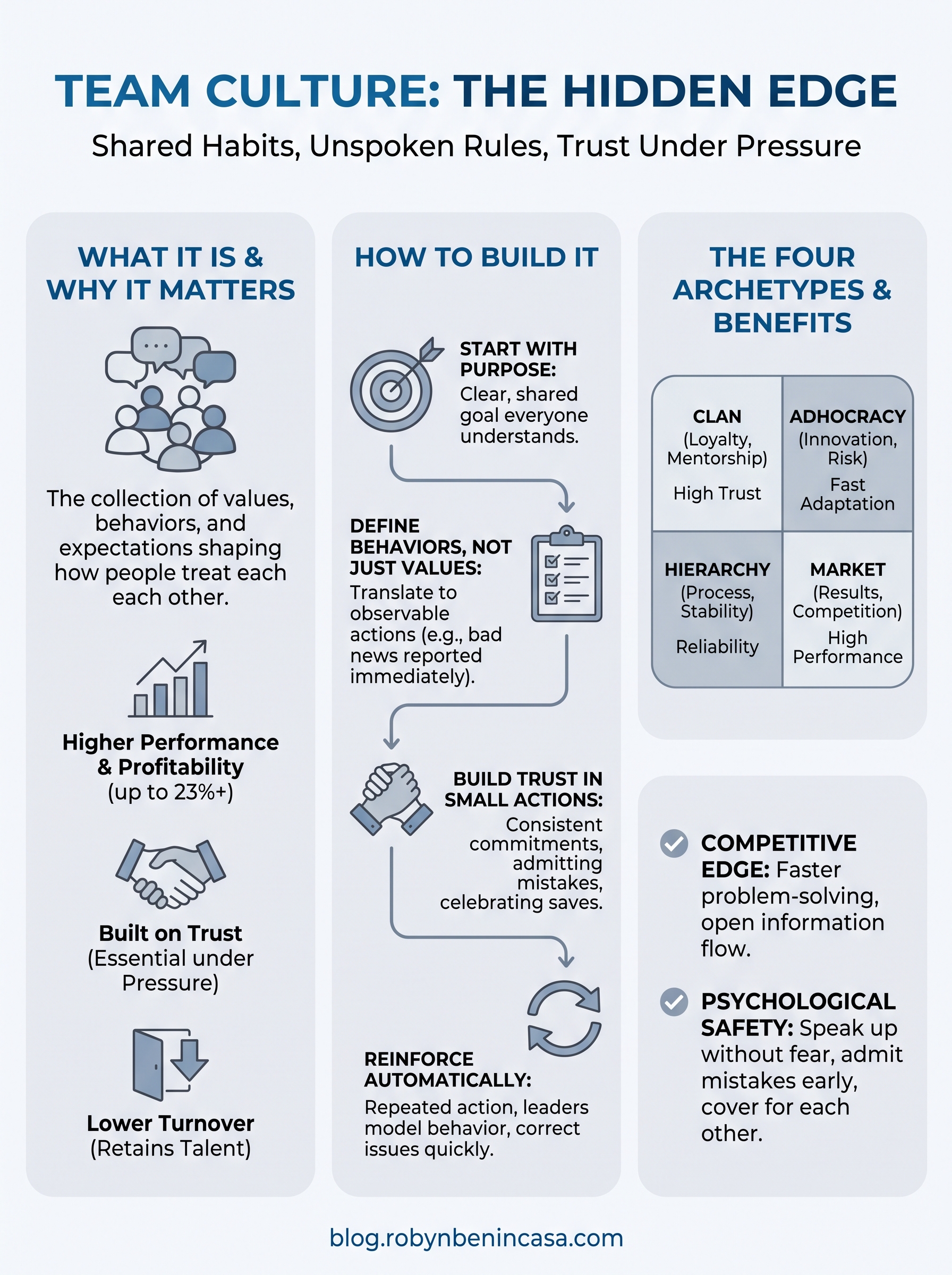
    Once you’ve landed on a name, the harder work starts: building a program that actually earns it. I’ve spent two decades studying what makes teams commit under real pressure, from world championship expeditions to firehouse crews, and I bring those lessons into every keynote I deliver. If you’re building out a leadership initiative and want someone who can anchor the launch, see which leadership keynote speakers are worth booking and what fits your culture.

  • 8 Top Sales Motivational Speakers Worth Booking in 2026

    8 Top Sales Motivational Speakers Worth Booking in 2026

    Booking the wrong speaker for your sales kickoff is expensive. You lose the budget, the room’s attention, and the momentum you needed going into a new quarter. That’s why so many sales leaders and event planners spend weeks searching for motivational speakers sales teams will actually remember, not just enjoy for an hour and forget by Monday.

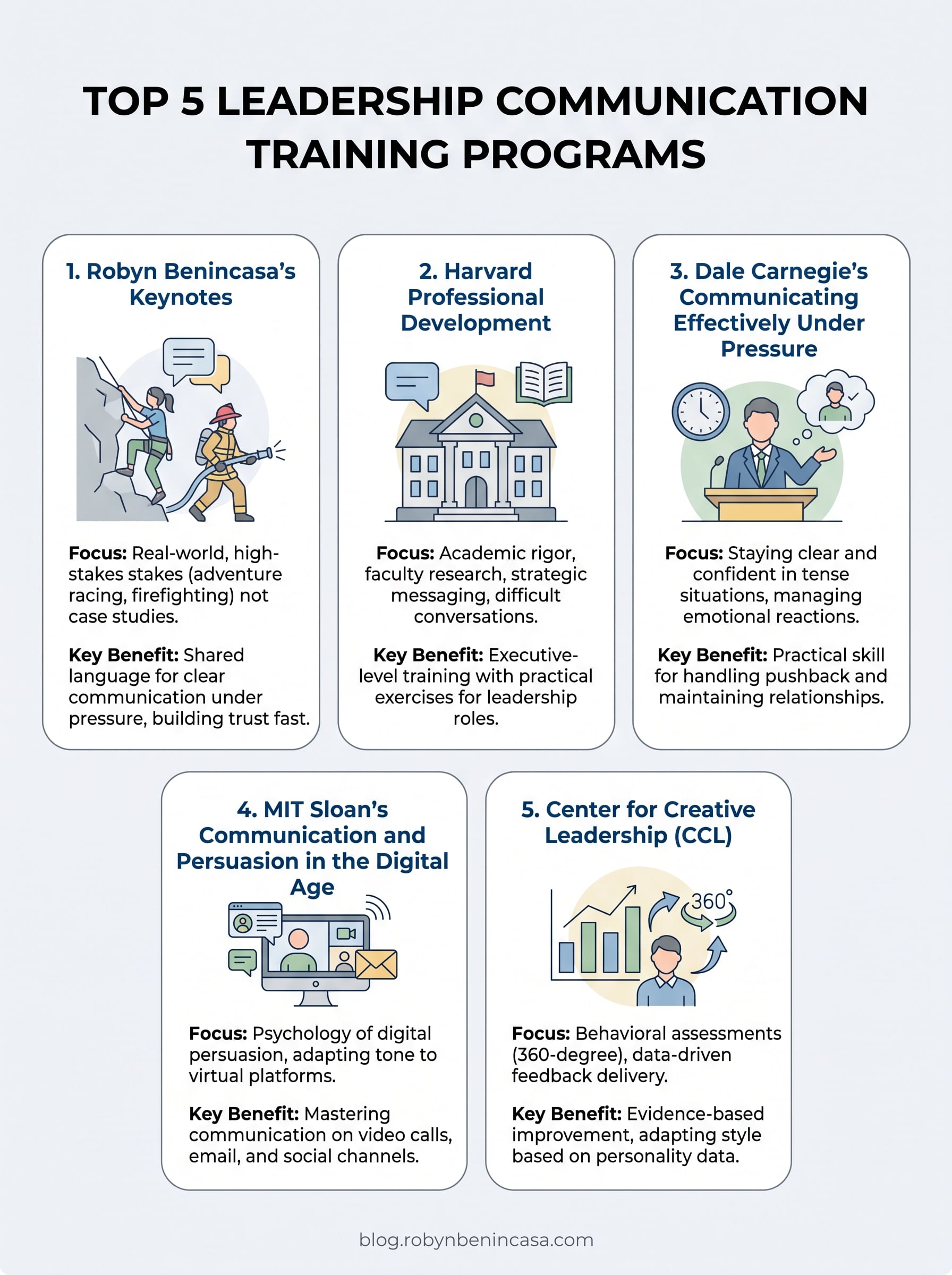
    If you’re trying to find the right fit fast, here’s the direct answer: the best sales motivational speakers combine a real track record of performance under pressure with a message that connects to how your team actually sells, not generic hype about chasing your dreams. Below, you’ll find eight proven options, ranging from former elite athletes to sales leaders who’ve rebuilt underperforming teams into national leaders.

    This list covers top sales keynote speakers suited to different formats, budgets, and audience sizes, whether you’re planning an in-person national sales meeting or a virtual kickoff for a distributed team. Each entry includes what makes that speaker worth considering and the type of sales culture they tend to move the needle for.

    1. Robyn Benincasa

    Background and credibility

    Robyn Benincasa built her reputation the hard way, over 20 years working as a full-time San Diego firefighter while captaining the world championship adventure racing team Team Vigor to more than 15 years of dominance in one of the toughest endurance sports on the planet. Those two careers weren’t a coincidence. Both demanded the same thing: getting a diverse group of people to trust each other and perform under real pressure, not the manufactured pressure of a sales quota deadline but the kind where a wrong decision costs someone their life.

    1. Robyn Benincasa

    Before any of that, she spent years as a pharmaceutical and hospital supply sales rep, so she understands sales floor dynamics from the inside rather than as an outside observer. That combination, elite athlete, firefighter, and former sales professional, is rare among motivational speakers sales teams get pitched every year, and it’s why her stories land with reps who’ve heard plenty of generic hype before.

    Signature message for sales teams

    Robyn’s core keynote, T.E.A.M.W.O.R.K., breaks down the eight elements that separated her championship teams from the ones that fell apart under stress, and as a corporate culture keynote speaker she maps each one directly onto sales culture: shared commitment, role clarity, and trust built before the pressure hits, not during it. She also draws on case studies from clients like Allstate and InterWest Insurance, where sales teams applied her framework and moved from mid-pack rankings to national leaders.

    The best sales cultures aren’t built on individual talent, they’re built the same way championship teams are built: through trust and shared commitment established long before the pressure hits.

    Best fit for

    Robyn suits organizations that want more than an hour of energy. She fits:

    • National sales kickoffs looking to reset culture after a tough quarter
    • Teams navigating mergers, restructuring, or new leadership, where a change management speaker earns their fee
    • Insurance, pharma, and financial services sales forces (her direct background)
    • Both in-person events and virtual keynotes for distributed teams

    Booking fee range

    Fees vary by format and event size. For exact pricing and availability, reach out through her booking page directly, since custom packages for multi-day sales conferences differ from single virtual keynotes.

    2. Grant Cardone

    Background and credibility

    Grant Cardone built his name in real estate and sales training, turning a struggling career as a 20-something car salesman into a multimillion-dollar empire across real estate, media, and business coaching. He’s written multiple bestselling books on sales, including "Sell or Be Sold," and has spent decades coaching sales floors directly rather than just talking theory from a stage. Among motivational speakers for sales events, he’s one of the few with a documented track record of closing deals himself before teaching others how.

    Signature message for sales teams

    Cardone’s message centers on what he calls the 10X Rule: set targets ten times bigger than what feels comfortable and put in the effort to match. For sales teams, that translates into aggressive prospecting habits, relentless follow-up, and a refusal to accept average quotas as the ceiling.

    Average targets produce average sales teams; the goal has to be ten times bigger than what feels comfortable.

    Best fit for

    Cardone works well for high-energy sales cultures that thrive on intensity. He suits:

    • Real estate, auto sales, and high-volume B2C sales floors
    • Younger sales teams looking for an aggressive growth mindset
    • Large national conferences wanting a high-wattage headliner

    Booking fee range

    Cardone typically commands a premium fee, often reported in the $100,000+ range for major events, well above what you’ll really pay to hire a keynote speaker at most tiers, reflecting his celebrity status and large-scale production requirements. Smaller or virtual bookings may cost less, but budget accordingly if he’s on your shortlist.

    3. Molly Fletcher

    Background and credibility

    Molly Fletcher spent 20 years as one of the top sports agents in the country, negotiating contracts for professional athletes and coaches like Doc Rivers, John Smoltz, and Erik Spoelstra. She earned the nickname "the female Jerry Maguire" for closing high-stakes deals in an industry where relationships and negotiation skill decide everything. That background makes her one of the more credentialed sales motivational speakers working the corporate circuit, since her entire career was built on persuasion, retention, and reading people under pressure.

    Signature message for sales teams

    Fletcher’s keynotes focus on what she calls "championship-caliber" performance: the habits that separate top negotiators and closers from everyone else in the room. She teaches sales teams how to build trust quickly, negotiate from a position of confidence rather than desperation, and recover from rejection without losing momentum, a skill she says elite agents and elite sales reps share.

    Top performers aren’t the ones who never face rejection, they’re the ones who recover from it the fastest.

    Best fit for

    Fletcher suits sales organizations built around relationship selling and negotiation. Consider her for:

    • B2B and enterprise sales teams with long sales cycles
    • Leadership audiences alongside sales staff (she covers both well)
    • Companies wanting a female voice among top sales keynote speakers on the agenda (see also our list of top female keynote speakers)

    Booking fee range

    Fletcher generally falls in the $30,000 to $55,000 range depending on event format and location, placing her below celebrity-tier headliners but above emerging speakers, a solid mid-tier option for national sales meetings.

    4. David Goggins

    Background and credibility

    David Goggins turned a childhood marked by poverty and abuse into a résumé that includes Navy SEAL training, Army Ranger School, and multiple ultra-endurance records, including running over 100 miles in under 24 hours on minimal training. His memoir, "Can’t Hurt Me," sold millions of copies and turned him into one of the most recognized motivational sales speakers on the circuit, even though his background has nothing to do with sales directly. Sales leaders book him because his story of mental toughness translates cleanly to reps who need to push through rejection and cold-call fatigue.

    4. David Goggins

    Signature message for sales teams

    Goggins doesn’t soften his message for corporate audiences. His core idea, the "40% Rule," argues that when your mind tells you you’re done, you’ve typically only tapped 40% of your actual capacity. For sales teams, that reframes call reluctance and burnout as mental barriers rather than real limits, which is the heart of a peak performance mindset.

    When your mind says you’re finished, you’ve usually only used 40% of what you actually have left.

    Best fit for

    Goggins fits sales cultures that want a jolt, not a gentle nudge. He suits:

    • High-pressure sales floors dealing with burnout or complacency
    • Younger, competitive teams that respond to intensity
    • Kickoffs needing a memorable, high-energy opener

    Booking fee range

    Goggins typically books in the $150,000+ range for major corporate events, making him one of the priciest names on this list, reserved mainly for large national conferences with substantial speaker budgets.

    5. Shawn Achor

    Background and credibility

    Shawn Achor spent years researching happiness and human potential at Harvard, where he taught one of the university’s most popular courses before turning that research into the bestselling book "The Happiness Advantage." His work has been featured by outlets like the Harvard Business Review, and he’s since become one of the more academically grounded motivational sales speakers booked by Fortune 500 companies. Unlike speakers who rely purely on personal stories, Achor backs his talks with peer-reviewed research on performance psychology, which appeals to data-driven sales leaders who want more than anecdotes on stage.

    Signature message for sales teams

    Achor’s central argument flips the usual formula: success doesn’t create happiness, positive mindset drives success. For sales teams, he translates that into practical habits, like starting calls from a state of optimism rather than dread, that measurably improve close rates and resilience against rejection.

    Happiness isn’t the reward for hitting quota, it’s the fuel that gets a sales team there faster.

    Best fit for

    His research-backed approach suits sales organizations wrestling with burnout or negativity. Consider Achor for:

    • Teams recovering from layoffs, restructuring, or morale dips
    • Data-oriented leadership that wants research behind the message
    • Wellness-focused sales kickoffs pairing performance with mental health

    Booking fee range

    Achor typically books in the $50,000 to $75,000 range, positioning him as a strong mid-to-upper-tier option for companies wanting a research-driven keynote rather than pure hype.

    6. Daymond John

    Background and credibility

    Daymond John built FUBU from a $40 startup budget into a global apparel brand generating hundreds of millions in revenue, then became one of the original sharks on ABC’s "Shark Tank," where he’s evaluated thousands of sales pitches over more than a decade. His path from sewing hats in his mother’s living room to boardroom investor gives him credibility few motivational speakers for sales events can match, since he’s built, sold, and pitched products at every level. Companies like Boston Scientific have brought him in specifically because he speaks the language of both entrepreneurs and enterprise sales teams.

    Signature message for sales teams

    John’s keynotes lean on what he calls the power of broke, the idea that constraint forces creativity and hustle that comfortable budgets often kill. For sales teams, he translates that into scrappy prospecting habits and a pitch-refinement process pulled directly from what actually works on "Shark Tank."

    Constraint doesn’t limit a sales team, it forces the creativity that comfortable budgets often kill.

    Best fit for

    Daymond suits sales organizations that want an entrepreneurial edge. He works well for:

    • Companies selling products or services with a startup mentality
    • Teams wanting pitch and negotiation coaching baked into the keynote
    • Conferences wanting name recognition from a well-known television personality

    Booking fee range

    Expect fees in the $100,000 to $150,000 range for major events, in line with other celebrity speakers worth booking, reflecting his television profile and demand across both corporate and entrepreneurial speaking circuits. Smaller virtual formats sometimes bring the cost down, but he remains a premium booking overall.

    7. Dan Pink

    Background and credibility

    Dan Pink spent years as a speechwriter for Al Gore before turning to writing about work and motivation, eventually publishing "To Sell Is Human," a bestseller specifically about the psychology of selling in a world where almost everyone spends part of their day persuading someone else. He’s also behind "Drive," a widely cited book on what actually motivates people, drawing on behavioral science rather than personal anecdote. Among motivational sales speakers, Pink stands out because his material comes from research he conducted specifically on sales behavior, not general leadership theory retrofitted for a sales audience.

    Signature message for sales teams

    Pink’s keynotes challenge the old-school idea that extroverted, aggressive personalities make the best closers. He presents data showing that ambiverts, people who blend outgoing and reserved traits, consistently outsell both extremes, then walks sales teams through the specific behaviors that drive influence: attunement, buoyancy, and clarity.

    The best salespeople aren’t the loudest in the room, they’re the ones who read the room best.

    Best fit for

    Pink suits sales organizations that want a cerebral, research-driven keynote over pure hype. He fits well for:

    • Complex B2B sales teams selling on trust and consultation
    • Leadership audiences paired with sales staff
    • Companies wanting a science-backed alternative to typical top sales keynote speakers

    Booking fee range

    Pink generally books in the $50,000 to $75,000 range, putting him in similar territory to other research-grounded speakers on this list rather than celebrity-tier pricing.

    8. Mark Hunter

    Background and credibility

    Mark Hunter, known widely as "The Sales Hunter," spent years in corporate sales and marketing roles before building a career coaching sales teams on prospecting and profitability rather than motivational fluff. He’s authored books like "High-Profit Prospecting" and "High-Profit Selling," both built around the idea that closing more deals means nothing if those deals erode margin. Among motivational speakers sales leaders bring in for tactical impact, Hunter stands apart because he spent decades in the trenches training sales teams on process, not just mindset, which gives his keynotes a practical edge over purely inspirational speakers.

    Signature message for sales teams

    Hunter’s core message centers on prospecting discipline: the habit of consistently filling the pipeline rather than relying on motivation spikes after a kickoff. He teaches reps to qualify leads faster, protect pricing during negotiations, and treat prospecting as a daily non-negotiable rather than something squeezed in when time allows.

    A full pipeline beats a motivated speech every time, because discipline outlasts inspiration once the room empties out.

    Best fit for

    Hunter suits sales organizations that want tactical takeaways alongside energy. Consider him for:

    • Teams struggling with pipeline consistency or discounting under pressure
    • B2B sales forces wanting process-driven training, not just hype
    • Smaller sales meetings and regional kickoffs with tighter budgets

    Booking fee range

    Hunter typically books in the $15,000 to $30,000 range, making him one of the more accessible top sales keynote speakers on this list for companies wanting practical training without a celebrity price tag.

    motivational speakers sales infographic

    Picking the right voice for your sales team

    The right choice comes down to what your team actually needs, not who has the biggest name. A struggling floor needs tactical discipline from someone like Mark Hunter. A team riding high needs a jolt of intensity from Goggins or Cardone. But if you’re resetting culture after a rough quarter, a merger, or leadership change, you need someone who’s built trust under real pressure and can show your reps exactly how that translates to hitting numbers together instead of alone.

    That’s the gap Robyn Benincasa fills better than most names on this list. She’s lived the sales floor, the firefighter’s radio call, and the world championship podium, and she turns all three into a framework your team can use starting Monday morning. If you want a motivational sales speaker whose credibility isn’t borrowed from a television show, here’s how to hire a keynote speaker like Robyn for your next sales event and see what her team-first approach can do for your numbers.

  • 12 Top Motivational Business Speakers Worth Booking

    12 Top Motivational Business Speakers Worth Booking

    You’ve got a budget, a date on the calendar, and a room full of people who need more than another PowerPoint. Finding the right motivational business speakers for that slot is harder than it looks, because the market is flooded with names who look great on a highlight reel and fall flat live. The stakes are real: a bad booking wastes your budget and your team’s attention; a great one gets talked about for years.

    If you’re searching for a business keynote speaker who can actually shift how a team works together, not just deliver an hour of hype, you’re in the right place. This list focuses on speakers with a track record of measurable impact, people who’ve led real teams through real pressure and can translate that into lessons your audience will use on Monday morning.

    Below you’ll find 12 corporate keynote speakers worth your consideration, each bringing a distinct angle on leadership, culture, and performance, and if you want a wider net, our roundup of top motivational and inspirational speakers for 2026 covers more names. I’ll break down what makes each one stand out, the kind of event they fit best, and what to expect when you bring in the best keynote speaker for a corporate event as your top business keynote speaker for the day.

    1. Robyn Benincasa: firefighter and champion team leader

    Background

    Robyn Benincasa didn’t learn leadership from a textbook. She spent more than twenty years as a San Diego firefighter, running into burning buildings alongside teammates whose split-second trust decisions meant the difference between life and death. During that same stretch, she captained world championship adventure racing teams for fifteen years, a sport that strips away ego and forces strangers to cooperate through days of exhaustion, cold, and fear with no substitutes on the bench. Add a background in pharmaceutical and hospital supply sales, and you get a speaker who understands both the fire station and the sales floor. That mix of high-stakes teamwork and business pressure is exactly why she’s become one of the most requested motivational business speakers for organizations tired of recycled leadership advice.

    1. Robyn Benincasa: firefighter and champion team leader

    World-class teams aren’t built on individual talent. They’re built on a deliberate culture of trust.

    Signature keynote topics

    Her talks translate hard-won field lessons into frameworks for how to build a high performing team that any group can apply immediately. The most requested include:

    • T.E.A.M.W.O.R.K.: The 8 Essential Elements of a World-Class Team Culture
    • WIN AS ONE: building shared commitment across departments
    • INSPIRING GREATNESS THROUGH G.R.I.T.: sustaining performance under pressure
    • WHY WINNERS WIN: the habits that separate top-performing teams from the rest

    Each topic draws on her keynote speaking services and can be adapted for in-person conferences or virtual sessions without losing the punch of her live storytelling.

    Best for

    Organizations facing a merger, a sales slump, or a culture that’s gone quiet after years of change get the most out of Robyn’s material, and she often shows up on shortlists of change management speakers for exactly that reason. Her case studies, including a sales division that climbed from 17th to 1st nationally, resonate with HR leaders and executives who need proof that culture work drives revenue, not just morale. She’s worked with companies like Allstate, InterWest Insurance, and Northrop Grumman, which makes her a natural fit for insurance, pharmaceutical, defense, and financial services audiences looking for the best corporate event speakers who bring more than motivation. Readers can review detailed client testimonials and case studies before booking.

    Speaking fee range

    Fees for a speaker of Robyn’s caliber typically fall in the $20,000 to $35,000 range for a standard keynote, with virtual sessions priced lower and multi-day engagements or workshops priced higher depending on format and add-ons. Exact pricing depends on date, location, and whether you’re booking a keynote alone or pairing it with a breakout workshop. The most reliable way to get an accurate number is to reach out directly through her booking page with your event details.

    2. Tony Robbins: peak performance for large audiences

    Background

    Tony Robbins built his name on decades of stadium-sized seminars, turning personal development into a global brand with events like Unleash the Power Within. He’s coached billionaires, professional athletes, and four sitting U.S. presidents, and that client list backs up his reputation as one of the top keynote speakers working today, alongside the most recognizable celebrity speakers to book. His delivery style is high-energy and physical: expect him to move across the stage, call on audience members, and push the room through exercises designed to break old patterns on the spot.

    2. Tony Robbins: peak performance for large audiences

    Signature keynote topics

    Robbins built his catalog around psychology and behavior change at scale. His most requested corporate material covers:

    • Peak performance psychology: rewiring limiting beliefs that cap individual and team output
    • Business Mastery principles: strategies pulled from his work with entrepreneurs and Fortune 500 leaders
    • State management under pressure: techniques for staying decisive during high-stakes negotiations or crises

    A crowd that feels stuck rarely needs more information. It needs a jolt strong enough to break the pattern.

    Best for

    Companies planning a large sales kickoff or annual conference, where the goal is a jolt of energy and a shared emotional peak, get the most value from Robbins. He suits business event speakers slots built around thousands of attendees rather than intimate leadership offsites, since his format leans on scale and spectacle. Organizations wanting sustained culture change alongside the energy boost often pair him with a second speaker focused on execution.

    Speaking fee range

    Booking Robbins for a corporate keynote typically runs well into six figures, often reported between $300,000 and $1,000,000 depending on event size, exclusivity, and format. That fee range puts him well outside the budget of most mid-size organizations, so many event planners treat him as an aspirational benchmark rather than a realistic first call when weighing what keynote speakers really cost.

    3. Simon Sinek: purpose-driven leadership speaker

    Background

    Simon Sinek built his reputation on a single question: why do some organizations inspire loyalty while others just pay a paycheck? His 2009 TED Talk on the concept became one of the most-watched talks in the platform’s history, and it launched a career studying purpose-driven leadership across industries. Sinek trained in anthropology before turning to consulting, which shows in how he frames business problems as human behavior problems first. He’s since written multiple bestsellers, including "Start With Why" and "Leaders Eat Last," cementing him as one of the top business keynote speakers for audiences hungry for a framework, not just a pep talk.

    Signature keynote topics

    Sinek’s material centers on the belief systems that drive loyalty and performance. Expect sessions built around:

    • Start With Why: identifying the purpose that motivates a team beyond profit
    • The Infinite Game: shifting from short-term wins to long-term organizational resilience
    • Trust and safety in teams: why psychological safety outperforms raw talent

    People don’t buy what you do, they buy why you do it, and teams work the same way.

    Best for

    Companies wrestling with disengagement or a muddled mission statement benefit most from Sinek’s approach. He fits well as a keynote speaker for a business keynote speaker slot at leadership offsites, strategic planning retreats, and conferences where the goal is aligning executives around a clearer sense of purpose before tactics get discussed, which is the heart of Simon Sinek’s take on teamwork. His calm, conversational delivery style suits smaller, more reflective rooms better than stadium-sized crowds.

    Speaking fee range

    Sinek’s fees typically range from $100,000 to $200,000 per engagement, placing him solidly in the premium tier of corporate keynote speakers. Virtual formats and shorter fireside-chat style sessions sometimes come in lower, but exact pricing depends heavily on his availability and the exclusivity terms of the booking.

    4. Brené Brown: vulnerability and trust in leadership

    Background

    Brené Brown spent two decades as a research professor at the University of Houston, studying shame, courage, and connection before her 2010 TEDxHouston talk on vulnerability turned her into a household name in leadership circles. That academic rigor separates her from most motivational speakers for businesses, since every point she makes traces back to data collected from thousands of interviews rather than personal anecdote alone. Books like "Dare to Lead" and "Daring Greatly" pushed her research into the corporate world, and now she’s regularly named among the top female keynote speakers for leadership development programs. Her delivery is warm and conversational, closer to a candid conversation than a stage performance.

    4. Brené Brown: vulnerability and trust in leadership

    Signature keynote topics

    Brown’s talks focus on the emotional skills that make leadership durable under pressure. Her most-booked sessions include:

    • Dare to Lead: building courage as a teachable, measurable skillset
    • Vulnerability in leadership: why admitting uncertainty builds more trust than projecting confidence
    • Rumbling with feedback: creating a culture where hard conversations happen early, not after damage is done

    Courage and comfort don’t coexist. Leaders who choose comfort lose trust.

    Best for

    Organizations working out how to build trust in a team at work after layoffs, leadership turnover, or a toxic culture reveal get the most value from Brown’s approach. She works well as one of the corporate event speakers for HR-driven initiatives focused on psychological safety, feedback culture, and manager training rather than pure sales motivation. Her research-backed style resonates especially with healthcare, education, and professional services audiences.

    Speaking fee range

    Brown’s speaking fees typically fall between $100,000 and $200,000 per keynote, depending on event size and format. Virtual sessions and moderated conversations sometimes come in below that range, though availability stays limited given her demand across both corporate and academic circles.

    5. Mel Robbins: practical behavior change strategies

    Background

    Mel Robbins started as a CNN commentator and radio host before turning her attention to the science of motivation, and that broadcast background shows up in how tightly she structures a keynote. She built her reputation on the 5 Second Rule, a simple technique for beating hesitation that she developed out of her own struggle with procrastination and self-doubt during a rough financial stretch. Her book by the same name became a bestseller, and her follow-up work on habit change has made her one of the more approachable motivational speakers for businesses looking for tools employees can use the same afternoon. Unlike speakers who lean on big theory, Robbins builds her sessions around small, repeatable actions.

    Signature keynote topics

    Robbins keeps her material tight and action-oriented rather than theoretical. Corporate clients most often book:

    • The 5 Second Rule: a countdown technique for pushing past hesitation in decisions and difficult conversations
    • Let Them Theory: releasing control over other people’s choices to reduce workplace friction
    • Habit change frameworks: rewiring routines that block productivity or team communication

    Motivation is a myth. What changes behavior is a five-second window of action before doubt sets in.

    Best for

    Sales teams, customer service groups, and any audience that needs a jolt of practical confidence respond well to Robbins. She fits nicely among business event speakers booked for kickoff meetings or training days where leaders want tools, not just inspiration, and want people using them by Monday. Her energetic, relatable delivery also plays well with younger workforces and mixed-tenure teams.

    Speaking fee range

    Robbins typically charges between $50,000 and $100,000 per keynote, depending on event size and format. That places her below stadium-tier names but still firmly in the premium range for organizations comparing best corporate keynote speakers against their available budget.

    6. John Maxwell: timeless leadership development

    Background

    John Maxwell has spent over four decades studying what makes leaders effective, first as a pastor leading growing congregations, then as the founder of a leadership training organization that’s certified coaches in more than 180 countries. He’s written over 70 books, including "The 21 Irrefutable Laws of Leadership," which has sold millions of copies and become required reading in countless management training programs. Maxwell’s approach skips trendy frameworks in favor of principles he’s tested across churches, nonprofits, and Fortune 500 boardrooms alike, which is why he’s remained one of the most booked leadership keynote speakers for three decades running. His delivery style is warm and grandfatherly, built around stories and repeatable maxims rather than high-energy theatrics.

    Signature keynote topics

    Maxwell’s material holds up because it addresses fundamentals that don’t shift with business trends. Corporate clients typically request:

    • The 21 Irrefutable Laws of Leadership: core principles for influence and decision-making
    • Developing the Leader Within You: growing leadership capacity at every level of an organization
    • Intentional living: connecting daily habits to long-term leadership growth

    Leadership isn’t a title. It’s the daily choice to add value to the people around you.

    Best for

    Organizations building a formal leadership pipeline, mentorship track, or leadership training programs benefit most from Maxwell’s structured, repeatable teaching. He suits corporate event speakers slots at leadership academies, manager training summits, and multi-generational workforces that want proven principles over passing trends.

    Speaking fee range

    Maxwell’s fees generally range from $50,000 to $100,000 per keynote, with pricing shifting based on format, exclusivity, and whether the engagement includes coaching add-ons.

    7. Eric Thomas: grit and high-performance mindset

    Background

    Eric Thomas grew up homeless as a teenager, dropped out of high school, and slept on couches and in abandoned houses before rebuilding his life through education and relentless self-discipline. That backstory isn’t a marketing hook, it’s the foundation of every talk he gives, and it’s why audiences trust him when he talks about grit instead of tuning him out as another polished motivator. Thomas earned his doctorate and built a career as a pastor and educator before his raw, sermon-style videos on hustle and mindset went viral, turning him into one of the most-booked motivational speakers for businesses looking for a wake-up call rather than a soft pep talk. His delivery is loud, physical, and unapologetically intense, closer to a revival than a typical boardroom keynote.

    7. Eric Thomas: grit and high-performance mindset

    Signature keynote topics

    Thomas built his catalog around the peak performance mindset that pushes people past the excuses capping their output. Corporate audiences most often request:

    • Secret to Success: reframing discomfort as the price of growth
    • You Owe You: personal accountability as the foundation of team performance
    • Greatness mindset: sustaining effort long after motivation fades

    Excuses are the tools of the incompetent, used to build monuments of nothing.

    Best for

    Sales teams, athletic organizations, and any group that’s grown comfortable or complacent get the biggest jolt from Thomas. He works well as one of the corporate event speakers for kickoff events and annual conferences where leadership wants a hard reset on effort and accountability, not a gentle nudge. Younger, high-turnover workforces respond especially well to his blunt, high-energy style.

    Speaking fee range

    Thomas typically charges between $50,000 and $75,000 per keynote, with pricing shifting based on event size, location, and whether the booking includes a workshop session alongside the main talk.

    8. Adam Grant: research-backed organizational psychology

    Background

    Adam Grant became the youngest tenured professor at Wharton by studying what actually makes workplaces function, not by guessing. His research on giving, motivation, and organizational behavior has been published in top academic journals, but he translates it into plain language that executives can use without a statistics degree. Books like "Give and Take" and "Think Again" turned him into a mainstream name, and his podcast WorkLife pulled his ideas further into corporate training rooms. Grant’s data-first approach makes him one of the best keynote speakers for audiences skeptical of motivational fluff and looking for evidence behind every claim.

    Signature keynote topics

    Grant’s talks read more like a briefing from a trusted advisor than a pep rally. Corporate clients most often request:

    • Think Again: building the mental flexibility to rethink strategy and admit mistakes
    • Give and Take: how generosity, not competitiveness, predicts long-term success
    • Hidden Potential: identifying and developing overlooked talent inside a team

    The best leaders aren’t the ones who never doubt themselves. They’re the ones willing to be wrong in public.

    Best for

    Organizations navigating a strategic pivot, a merger integration, or a stalled innovation pipeline get the most from Grant’s frameworks. He suits business event speakers slots at executive offsites, innovation summits, and any room full of skeptical, data-driven leaders who tune out generic motivation but lean in for research. Tech, consulting, and professional services audiences respond especially well to his analytical style.

    Speaking fee range

    Grant’s fees generally fall between $100,000 and $150,000 per keynote, depending on format and exclusivity. Virtual sessions and shorter fireside-chat formats sometimes price lower, though his academic schedule limits availability during certain parts of the year.

    9. Patrick Lencioni: team dynamics and trust

    Background

    Patrick Lencioni built his career consulting with executive teams before turning what he learned into fable-style business books that read faster than most airport thrillers. His breakout title, "The Five Dysfunctions of a Team," broke down why smart, well-paid groups still fail to work together, and it’s since become required reading in MBA programs and leadership training rooms alike. Lencioni founded The Table Group, an organizational culture consultant firm that still runs live engagements with Fortune 500 clients, which keeps his material grounded in current boardroom problems rather than recycled theory. That ongoing consulting work is what separates him from many motivational speakers for businesses who left the corner office years before their material caught up to modern org charts.

    Signature keynote topics

    Lencioni’s sessions walk through the same models that anchor his books, translated into a live format built for teams that already sense something’s off.

    • The Five Dysfunctions of a Team: absence of trust, fear of conflict, lack of commitment, avoidance of accountability, and inattention to results
    • The Advantage: why organizational health beats strategy and intelligence over the long run
    • Working Genius: matching people to the type of work that actually energizes them

    A team with high trust and low talent will consistently outperform a team with high talent and low trust.

    Best for

    Executive teams stuck in polite meetings that never surface real disagreement get the most out of Lencioni. He’s a strong fit among corporate keynote speakers for leadership offsites and quarterly planning sessions where the goal is naming dysfunction directly, and his Patrick Lencioni team building models give the room a shared language for it.

    Speaking fee range

    Lencioni’s fees typically run between $50,000 and $75,000 per keynote, with consulting add-ons priced separately from the standalone talk.

    10. Lisa Nichols: resilience and personal transformation

    Background

    Lisa Nichols grew up on public assistance in South Central Los Angeles and spent years as a single mother scraping by on food stamps before building a multimillion-dollar training company. She became one of the few Black women to appear in "The Secret" and later wrote the New York Times bestseller "Abundance Now," but the credential that matters most in a corporate room is her own turnaround story, told without polish or apology. That lived experience is why she’s become one of the most trusted motivational speakers for businesses looking to talk honestly about resilience instead of glossing over hard years with generic positivity. Her delivery mixes raw personal narrative with an unshakable stage presence, part sermon, part masterclass in self-worth.

    Signature keynote topics

    Nichols builds her material around turning personal setbacks into fuel rather than baggage. Corporate audiences most often request:

    • Abundance Now: shifting a scarcity mindset toward opportunity, even during downturns
    • Unshakeable Confidence: building the self-belief needed to lead through uncertainty
    • Breakthrough thinking: converting personal or professional failure into a competitive advantage

    The wound is often the place where your greatest strength gets born.

    Best for

    Organizations supporting employees through layoffs, restructuring, or a rough sales year get real value from Nichols. She’s a strong choice among inspirational women speakers for women’s leadership conferences, DEI-focused programming, and any audience that needs to hear resilience modeled by someone who’s actually lived it, not just studied it.

    Speaking fee range

    Nichols typically charges between $50,000 and $75,000 per keynote, with pricing shifting based on event size, format, and whether the booking includes a breakout workshop alongside the main talk.

    11. Jim Collins: what makes great companies endure

    Background

    Jim Collins spent decades running large-scale research projects out of his management lab in Boulder, Colorado, digging through decades of financial data to answer one question: why do some companies outperform their industry for fifteen years straight while nearly identical competitors fade? That research produced "Good to Great," "Built to Last," and "How the Mighty Fall," books that turned rigorous data analysis into frameworks executives actually use in strategy meetings. Collins taught at Stanford’s Graduate School of Business before shifting fully into research and speaking, and that academic discipline still shows in how carefully he sources every claim. Among top business keynote speakers, he stands out as the one who treats a keynote like a defense of a thesis, not a performance.

    Signature keynote topics

    Collins builds each talk around a specific research finding rather than a general leadership theme. His most requested sessions include:

    • Good to Great: the disciplined habits that separate enduring companies from mediocre ones
    • Level 5 Leadership: why the most effective executives combine fierce resolve with personal humility
    • The Flywheel Effect: building compounding momentum instead of chasing one-time wins

    Greatness isn’t a function of circumstance. It’s a matter of conscious choice and discipline.

    Best for

    Boards, C-suite teams, and strategy offsites get the most value from Collins, since his material assumes a room already fluent in business fundamentals and hungry for rigor over inspiration. He fits well among corporate event speakers booked for annual planning sessions or investor-facing leadership summits rather than frontline motivation events.

    Speaking fee range

    Collins typically charges between $100,000 and $150,000 per keynote, with pricing shifting based on format, exclusivity, and whether the engagement includes a strategy session beyond the standard talk.

    12. Robin Sharma: personal mastery and daily discipline

    Background

    Robin Sharma spent years practicing law before walking away from a partner-track career to write "The Monk Who Sold His Ferrari," a book that’s since sold over 15 million copies worldwide. That career pivot gives him credibility with executives weighing their own high-pressure tradeoffs, since he’s lived the burnout he now teaches leaders to avoid. Sharma built his consulting firm around coaching Fortune 500 executives and celebrity clients on personal mastery, and his follow-up book "The 5AM Club" turned his morning-routine philosophy into a mainstream business concept. Among top business motivational speakers, he’s carved out a lane focused less on team dynamics and more on the individual discipline that has to exist before any culture change sticks.

    Signature keynote topics

    Sharma’s sessions center on the peak performance habits that separate high performers from everyone else grinding through the same hours. Corporate clients typically book:

    • The 5AM Club: structuring early hours for deep work and mental clarity
    • The Leader Who Had No Title: building influence through daily behavior, not org-chart position
    • Personal mastery frameworks: sustaining peak performance without burning out

    Ordinary daily habits, repeated with discipline, produce extraordinary results over time.

    Best for

    Executive teams and high-performing individual contributors dealing with burnout or plateaued output get the most from Sharma’s material. He fits well among corporate keynote speakers booked for leadership retreats and executive coaching kickoffs where the goal is personal accountability rather than group trust-building.

    Speaking fee range

    Sharma’s fees generally run between $50,000 and $75,000 per keynote, with virtual sessions and shorter formats sometimes priced lower depending on availability and exclusivity terms.

    motivational business speakers infographic

    Finding the right speaker for your event

    Every name on this list brings something real, but the right fit depends on what your team actually needs. A stadium-sized sales kickoff calls for a different energy than a leadership offsite trying to rebuild trust after a rough year. Match the speaker’s specialty to your actual problem, not just their name recognition, and you’ll get far more value out of the booking.

    If your team needs proof that culture drives revenue, not just morale, Robyn Benincasa offers something few other motivational business speakers can match: two decades of split-second, life-or-death teamwork translated directly into business results your audience can use the following Monday. Her case studies, from firefighting crews to championship adventure racing teams to sales divisions that jumped from 17th to 1st nationally, give HR leaders and executives a track record they can point to when justifying the spend. See how to hire a keynote speaker for your next event, then reach out through her booking page to talk through your details and get a fee quote tailored to your date and format.

  • Culture Team: What It Is, and How to Build One

    Culture Team: What It Is, and How to Build One

    You can feel it the moment you walk into a room. One team finishes each other’s sentences and covers for each other under pressure. Another shows up, does the minimum, and counts the minutes until the meeting ends. That difference isn’t talent or budget. It’s culture team dynamics, the shared habits and unspoken rules that decide whether a group of individuals actually pulls in the same direction.

    So what is team culture, exactly? It’s the collection of values, behaviors, and expectations that shape how people treat each other, handle setbacks, and hold one another accountable, whether or not anyone ever wrote those rules down. Strong culture of a team shows up in specific, repeatable behaviors: how wins get celebrated, how mistakes get handled, how new hires get absorbed. This article breaks down exactly what to look for.

    I’ve spent 15 years leading championship adventure racing teams and two decades as a firefighter, both settings where a weak culture gets people hurt, not just underperforming. Below, you’ll get a clear framework for defining team culture, real team culture examples from sports, business, and emergency services, and practical steps for building or fixing your own team’s culture starting this week.

    Why team culture matters more than most leaders realize

    Most executives treat culture team work as a nice-to-have, something for the HR retreat or the annual survey. That’s backwards. In my racing career, we lost world championship races not because our athletes were weaker, but because our support crews and navigators didn’t trust each other enough to speak up when a decision looked wrong. The same pattern shows up in boardrooms every day: a strong strategy executed by a fractured team loses to a mediocre strategy executed by a unified one.

    Gallup’s research backs this up outside of adventure racing too. Their meta-analysis of business units found that those in the top quartile for employee engagement, which is heavily driven by culture, showed 23% higher profitability and 18% lower turnover than those in the bottom quartile, according to Gallup’s State of the Global Workplace report. Turnover alone should get every HR leader’s attention. Replacing a mid-level employee typically costs six to nine months of their salary once you count recruiting, onboarding, and lost productivity.

    Culture decides what happens under pressure

    Here’s what most leaders miss: culture doesn’t matter when things are calm. It matters when things go sideways. Anyone can look like a great teammate during a routine Tuesday meeting. The real test is a missed deadline, a botched handoff, or a client blowup at 4:45 on a Friday. Teams with a culture of a team built on trust lean into each other during those moments. Teams without it start assigning blame and covering their own positions.

    A team’s culture isn’t what happens on the easy days. It’s what happens on the worst ones. (For more lines like this, see these quotes about team culture.)

    I saw this firsthand on the fire department. Nobody trains for the fire that goes exactly as planned. You train, and you build culture, for the one that doesn’t. The crews that performed best under real pressure weren’t the ones with the most individually talented firefighters. They were the ones who’d built enough trust that nobody hesitated to call out a problem or admit they needed help.

    The measurable business impact

    Skeptical leaders often ask for numbers before they’ll invest time in culture work. Fair enough. Here’s a quick comparison of what shows up in organizations with strong versus weak team culture, based on patterns I’ve seen across the corporate audiences I speak to and the case studies referenced on my client results page:

    Metric Strong Team Culture Weak Team Culture
    Employee turnover Below industry average Above industry average
    Response to setbacks Fast, collaborative problem-solving Blame, delay, finger-pointing
    New hire ramp-up Faster, mentorship-driven Slower, sink-or-swim
    Cross-team communication Proactive, transparent Siloed, defensive
    Sales or performance trends Steady or improving Volatile or declining

    One insurance client I worked with moved their sales division from 17th to 1st nationally within a couple of years, and the shift started with culture changes, not a new sales script. That’s not a coincidence. When people trust their teammates and believe leadership has their back, they take more risks, share more information, and recover faster from mistakes.

    Why this gets overlooked

    Leaders overlook culture because it’s harder to measure than revenue or headcount. You can’t put

    How to build a strong team culture step by step

    Team culture building doesn’t happen through a poster in the break room or a one-time offsite. It happens through repeated, deliberate action from leadership, reinforced until it becomes habit. I’ve watched teams transform their culture in six months and I’ve watched teams try for years and get nowhere, and the difference always comes down to whether leadership treated culture as a project with steps or as a vague aspiration.

    Start with a clear, shared purpose

    Every high-performing team I’ve raced with or led knew exactly why they were there and what winning looked like. Vague mission statements don’t cut it. You need a purpose specific enough that a new hire could repeat it back after their first week. Ask your team right now: can everyone articulate, in their own words, what we’re actually trying to accomplish together? If the answers vary wildly, that’s your starting point, not your team-building event.

    Define the behaviors, not just the values

    Most companies list values like "integrity" or "teamwork" on a wall and call it done. That’s defining team culture in name only. Instead, translate each value into observable behavior. "Teamwork" might mean: nobody finishes a meeting without confirming who owns the next step. "Integrity" might mean: bad news gets reported the same day, not buried until the quarterly review.

    Build trust through small, consistent actions

    Building trust in a team at work doesn’t happen through a single trust fall exercise. It builds through hundreds of small moments where people do what they said they’d do. Here’s a practical sequence I recommend to the organizations I speak with:

    1. Set one clear commitment per person per week, and track whether it’s kept.
    2. Create a low-stakes forum, a weekly huddle or Slack channel, where people can flag problems before they become crises.
    3. Have leaders admit mistakes publicly first. Culture shifts downward from the top faster than any memo.
    4. Celebrate the save, not just the win. Recognize the teammate who caught a problem early, not only the one who closed the deal.

    Trust isn’t built in the big moments. It’s built in the hundreds of small ones nobody’s watching.

    Reinforce it until it’s automatic

    Once is not a program. Repeat the behaviors, retell the stories of when the culture worked, and correct the moments when it doesn’t, quickly and directly. Leaders who let a culture violation slide because the person is a top performer send a louder message than any speech they’ll ever give. Reinforcement is what separates a culture of a team that sticks from one that fades the week after the offsite ends, and it’s the core of creating a high performance culture.

    Types of team culture and how to spot yours

    Not every strong culture team looks the same. A elite sales floor and a hospital surgical unit both build trust and accountability, but the daily rhythm looks completely different. Researchers Cameron and Quinn mapped four common archetypes in their Competing Values Framework, one of several ways to map an organizational culture framework, and I’ve seen all four play out on teams I’ve coached, raced with, or served alongside on the fire department.

    Types of team culture and how to spot yours

    The four common archetypes

    Each type solves a different problem well, and each has a failure mode if it goes unchecked. Here’s how they break down:

    | Culture Type | Core Focus | Strength | Risk if Unchecked |
    |—|—|—|
    | Clan | Loyalty, mentorship, family feel | High trust, low turnover | Avoids hard conversations |
    | Adhocracy | Innovation, risk-taking | Fast adaptation | Chaos, burnout |
    | Market | Results, competition | High performance | Cutthroat, low collaboration |
    | Hierarchy | Process, consistency | Reliability, safety | Slow, rigid |

    My fire crews leaned hierarchy for good reason: when a structure is burning, you want a clear chain of command, not a brainstorm. My racing teams leaned adhocracy, because the terrain changed every mile and rigid process would have gotten us lost or hurt.

    How to identify your team’s dominant type

    Before reaching for an organizational culture assessment tool, listen to how your team talks about a missed deadline. A clan culture apologizes and offers help. A market culture asks who’s accountable and what the numbers say. A hierarchy culture points to the process that broke down. An adhocracy culture is already three ideas into the fix before anyone assigns blame. None of these reactions is wrong. The problem shows up when your team’s actual work demands one type and your habits reflect another, like a compliance-heavy insurance claims department running on pure adhocracy chaos, or a product innovation team stuck in hierarchy paperwork.

    The best team cultures aren’t the loudest or the friendliest. They’re the ones that match how the team actually needs to work.

    Blended cultures are the norm, not the exception

    Most real teams I’ve worked with are blends, not pure types. A strong sales division might run market culture on quota days and clan culture during onboarding. That’s healthy. Trouble starts when the blend is accidental rather than chosen, when leadership never decided which values matter most in which moments, and people are left guessing. Naming your dominant type, and the one you’re drifting toward, is the fastest way to catch defining team culture on paper before it’s actually built into daily habits.

    What strong team culture looks like in real teams

    Theory is easy to nod along to. Watching culture team dynamics play out in a real group under real pressure is where the concept becomes believable. Below are three team culture examples I’ve seen up close, in three completely different settings, that all share the same underlying pattern of trust and accountability even though the work looks nothing alike, much like the broader examples of organizational culture I point audiences to.

    What strong team culture looks like in real teams

    Team culture examples from three different worlds

    A championship adventure racing team I led spent four days navigating jungle terrain with almost no sleep, and the culture held because every teammate was allowed to say "I think we’re off course" without fear of being overruled by ego. A fire crew I served with for two decades ran the same way: the newest rookie could flag a safety concern to the captain mid-call, and it got heard, not dismissed. And an insurance sales division I worked with rebuilt their culture of a team around a simple rule, that closing a deal mattered less than helping a teammate close theirs, and their national ranking jumped from 17th to 1st within two years.

    • Adventure racing team: open dissent respected, decisions made fast, ego set aside for the map
    • Fire crew: rank exists, but junior voices get heard on safety calls without hesitation
    • Insurance sales division: individual quotas took a back seat to team wins, and results followed

    Strong culture doesn’t mean everyone agrees. It means everyone feels safe enough to disagree out loud.

    What these teams have in common

    None of these three examples share an industry, a skill set, or even a comparable level of physical risk. What they share is a pattern: information moved fast, mistakes got surfaced early instead of hidden, and nobody worried that admitting a problem would cost them status on the team. That pattern is what separates a genuinely strong culture team from one that just looks good in a company brochure. Robyn’s book, How Winning Works, digs into eight specific lessons pulled from teams like these, and the common thread across all of them is that culture got built on purpose, not left to chance.

    Leaders sometimes assume strong culture requires a laid-back, feel-good atmosphere. That’s not accurate. The fire crew example above ran on strict hierarchy and life-or-death stakes, yet the culture was just as strong as the loose, fast-moving racing team. Structure and warmth aren’t opposites. What matters is whether people trust that speaking up will help the team, not hurt them personally.

    Warning signs your team culture needs attention

    Most broken cultures didn’t break overnight. They eroded through small compromises that nobody flagged in time. A culture team in decline rarely announces itself with a dramatic blowup. It shows up in quieter ways first: meetings that used to run 30 minutes now run 90 because nobody trusts anyone else to follow through, or a top performer who used to mentor new hires now keeps their head down and does their own numbers. If you’re waiting for an obvious crisis before you address defining team culture problems, you’re already behind.

    The early signs leaders miss

    Watch for these patterns before they calcify into habit:

    • People stop volunteering information in meetings and only answer direct questions
    • Mistakes get hidden or minimized instead of reported quickly
    • Cross-team requests get slower responses than they did six months ago
    • New hires ask, "Is this normal here?" more than once in their first month
    • The same two or three people carry every hard conversation

    Any one of these on its own might be nothing. Two or three together, sustained over a month or more, means your culture of a team is drifting and needs direct attention, often accountability training rather than another survey.

    Diagnosing whether it’s a culture problem or a process problem

    Sometimes what looks like a culture issue is actually a broken process, and fixing the wrong thing wastes months. Ask a simple question: if you gave the team a perfect process tomorrow, would the trust issue disappear? If yes, it’s process. If people would still hide problems, avoid hard conversations, or protect their own turf even with better tools, it’s culture.

    If better tools wouldn’t fix it, you’re not looking at a process problem. You’re looking at a culture problem.

    Going after the wrong root cause is how organizations spend a year rolling out new software or restructuring reporting lines and wonder why morale never improves.

    Acting before it becomes permanent

    Early-stage culture problems are cheap to fix, usually a direct conversation, a change in how leadership responds to bad news, or a reset of what gets rewarded. Late-stage culture problems, the kind where your best people have already started quietly job hunting, take far longer to reverse, demand a real plan for changing organizational culture, and often cost you the very people you needed to lead the turnaround. Treat early warning signs the way a good crew chief treats a strange noise in the engine: worth stopping for, before it strands you somewhere much more expensive.

    culture team infographic

    Turning culture into your team’s competitive edge

    Every team you compete against has access to the same technology, the same talent pool, and often the same budget. What they don’t all have is a culture team that trusts each other enough to speak up when something’s wrong, admit mistakes fast, and cover for one another under real pressure. That gap is the edge. It’s not built through a poster or a single offsite. It’s built through the small, repeated actions this article laid out: shared purpose, behaviors instead of buzzwords, and leaders who model the trust they want to see.

    Strong culture isn’t a soft add-on to strategy. It’s the thing that determines whether your strategy survives contact with a bad quarter. If you’re ready to build that edge in your own organization, bring in a corporate culture keynote speaker who has led teams under real pressure, and see what changes when culture stops being an afterthought.

  • 5 Best Leadership Communication Training Programs to Try

    5 Best Leadership Communication Training Programs to Try

    Most leadership failures trace back to one thing: people not saying what they actually mean, or saying it in a way nobody hears. You’ve probably watched a talented manager lose their team’s trust because feedback felt harsh, or an executive’s vision fall flat because nobody could translate it into action. That’s why communication leadership training keeps showing up on HR priority lists year after year, and why finding the right leadership training program matters more than checking a box.

    If you’re comparing options right now, you want programs that actually change behavior, not just deliver a nice framework and a certificate. The best leadership communication training blends real practice, direct feedback, and lessons pulled from environments where miscommunication has real consequences, not just theoretical business scenarios.

    This list covers five standout programs worth your time and budget, including approaches built from experience leading teams under genuine pressure, like adventure racing crews and firefighting units, where clear communication and shared commitment aren’t optional. Whether you’re planning a leadership offsite or building a longer development track, you’ll find options here that fit different team sizes, budgets, and goals.

    1. Robyn Benincasa’s leadership communication keynotes

    Robyn Benincasa built her communication philosophy in places where a garbled radio call or a vague instruction could cost lives, not quarterly numbers. As a 20-plus year San Diego firefighter and world champion adventure racer, she teaches leadership communication training grounded in real stakes, not hypothetical case studies pulled from a textbook.

    1. Robyn Benincasa's leadership communication keynotes

    What it covers

    Her keynotes, including T.E.A.M.W.O.R.K. and WIN AS ONE, dig into how top teams communicate under pressure: giving feedback that lands, building trust fast with people you barely know, and keeping a shared mission clear when everything around you is chaotic. She draws on stories from multi-day expedition races and firefighting calls to show what clear communication actually looks like when failure isn’t an option.

    When the stakes are real, vague communication stops being a bad habit and becomes a liability.

    Who it’s for

    This program suits executives, sales leaders, and HR teams facing silos at work, mergers, or performance slumps who need more than another slide deck. It’s a strong fit for organizations that want their leaders to leave energized and equipped, not just entertained.

    Format and delivery

    Robyn delivers keynotes in-person and virtually, scaling for leadership offsites, sales kickoffs, and full conferences. Many clients pair the keynote with her book, How Winning Works, or her free 18-page guide to extend the lessons beyond the event itself.

    Cost

    Pricing varies by format, event size, and location, so the fastest way to get an accurate quote is to reach out directly through her booking page, though it helps to know what a keynote speaker typically costs first. Past clients like Allstate and Northrop Grumman have found the investment pays off in measurable culture shifts, not just a memorable hour.

    2. Harvard professional development communication programs

    Harvard’s Division of Continuing Education runs a lineup of courses built for managers who need executive-level communication training without enrolling in a full MBA. These programs pull from Harvard faculty research on persuasion, negotiation, and organizational behavior, giving you academic rigor alongside practical exercises you can apply the next morning.

    What it covers

    Courses typically cover strategic messaging, difficult conversations, public speaking, and adapting your communication style across cultures and seniority levels. Case studies come from real companies, and cohorts often work through role-play scenarios that mirror actual boardroom tensions.

    Communication training only sticks when theory gets tested against a real scenario.

    Who it’s for

    Mid-to-senior managers and directors who want a credentialed program suit this best, especially those preparing for bigger leadership roles.

    Format and delivery

    Options include in-person sessions on campus, live online leadership training cohorts, and self-paced modules, so flexible scheduling works for busy executives.

    Cost

    Expect to pay between $1,600 and $4,000 depending on course length and format, according to Harvard’s Professional Development course catalog.

    3. Dale Carnegie’s communicating effectively under pressure course

    Dale Carnegie built a name on people skills long before "soft skills" became a corporate buzzword, and this course zeroes in on a specific pain point: staying clear and confident when a conversation gets tense. It’s a practical pick for anyone whose training leadership communication search started after a meeting went sideways.

    What it covers

    The course tackles managing emotional reactions, structuring your message under time pressure, and reading a room fast enough to adjust your approach mid-conversation. Expect heavy role-play, since Carnegie’s method leans on repetition over lecture, much like the communication exercises for teams you’d run in-house.

    Composure under pressure is a trained skill, not a personality trait.

    Who it’s for

    Managers who face frequent pushback, whether from clients, direct reports, or cross-functional peers, get the most out of this one. It also suits sales leaders who need to hold their ground without damaging relationships.

    Format and delivery

    Dale Carnegie offers this as live online sessions and in-person workshops, typically spread across a few sessions rather than a single day, giving participants time to practice between meetings.

    Cost

    Pricing generally falls in the $800 to $1,500 range per participant, though exact rates depend on location and group size.

    4. MIT Sloan’s communication and persuasion in the digital age

    MIT Sloan Executive Education built this course for leaders who feel confident in a conference room but lose their footing on video calls, Slack threads, and social platforms. It’s a research-heavy option for anyone comparing leadership communications training that specifically addresses digital channels rather than just face-to-face conversation.

    4. MIT Sloan's communication and persuasion in the digital age

    What it covers

    Participants study the psychology behind digital persuasion, including how tone, timing, and platform choice change how a message lands. The curriculum draws on behavioral science and MIT faculty research, covering everything from crafting a compelling email to reading engagement signals in virtual meetings.

    A message that works in person can fall flat online if you don’t adjust for the medium.

    Who it’s for

    Executives and managers leading distributed or hybrid teams benefit most, especially those who negotiate or influence stakeholders remotely on a regular basis.

    Format and delivery

    Offered as a live online course over several weeks, sessions mix short lectures with small-group discussion and applied assignments between meetings.

    Cost

    Tuition runs roughly $2,800 to $3,200, based on rates published through MIT Sloan Executive Education.

    5. Center for Creative Leadership’s communication training

    Center for Creative Leadership, often shortened to CCL, has spent decades researching what actually separates effective leaders from ineffective ones, and communication sits at the center of nearly every finding. Their programs lean on behavioral assessments and data rather than generic advice, which appeals to organizations that want proof their training budget is working.

    What it covers

    CCL’s curriculum covers feedback delivery, listening under stress, and adapting communication style based on personality assessments like their own 360-degree tools. Sessions often include peer coaching, so participants practice on real workplace scenarios rather than scripted examples.

    Communication training works best when it’s backed by data on how you actually show up, not just how you think you show up.

    Who it’s for

    This suits leaders who respond well to assessment-driven training, particularly those in larger organizations already using CCL’s leadership development frameworks elsewhere.

    Format and delivery

    CCL runs multi-day, in-person cohorts along with virtual options, often combined with one-on-one coaching follow-ups.

    Cost

    Programs typically range from $3,000 to $7,500 per participant, depending on length and coaching add-ons.

    communication leadership training infographic

    Finding the right fit for your team

    Pick your program based on the problem you’re actually trying to solve, not the name that sounds most impressive on a training calendar, and it’s worth weighing these against the best leadership training programs for building stronger teams. Harvard and MIT Sloan suit leaders who want academic depth and credentials. Dale Carnegie and CCL work well for teams that need structured practice and measurable behavior change over time. If your organization needs a jolt of energy and a communication framework that sticks because it comes from real stakes, not a classroom exercise, that’s where communication leadership training built on lived experience earns its place.

    Robyn Benincasa’s keynotes give teams a shared language for clear communication under pressure, drawn from adventure racing and firefighting rather than theory. If you’re planning a leadership offsite or sales kickoff and want your people talking differently by Monday morning, here’s how to hire a keynote speaker for your next event and see what that shift looks like firsthand.