Category: Uncategorized

  • 6 MindTools Team Building Exercises for Stronger Teams

    Most teams don’t fail because they lack talent, they fail because they never learn to work as one unit. That’s a lesson I’ve lived through as a world champion adventure racer, a firefighter, and now as someone who helps organizations build cultures of real collaboration. If you’ve been searching for mindtools team building exercises, you’re already on the right track: MindTools offers some of the most accessible, well-structured activities for strengthening trust, communication, and problem-solving within teams.

    But picking the right exercise matters. A poorly chosen activity wastes everyone’s time, while the right one can shift how your team communicates under pressure and tackles problems together. That’s the difference between a fun afternoon and a genuine performance upgrade.

    Below, you’ll find six MindTools team building exercises worth your attention, each broken down with clear instructions and practical tips so you can run them with confidence. Whether you’re prepping for a quarterly kickoff or rebuilding trust after a tough stretch, these exercises give your team a real starting point for stronger collaboration.

    1. Measuring team effectiveness with T.E.A.M.W.O.R.K.

    Before you run any mindtools team building activity, your team needs a shared baseline, a common understanding of where they actually stand as a unit right now. The T.E.A.M.W.O.R.K. framework gives your team exactly that: a structured way to measure eight core elements of collaboration so you can see clearly what’s working and what still needs attention. This exercise works especially well at the start of a new quarter or after a significant change in team structure.

    Set a clear goal for the session

    Start by telling your team why you’re running this exercise before you hand out any scoring sheets. When people understand the purpose, they give honest answers instead of safe ones. Frame the session as a team diagnostic, not a performance review, and make it clear that the goal is improvement, not judgment. A 60-minute block works well for most groups, giving you enough time for individual scoring, group discussion, and action planning without losing energy.

    Score the team on the eight T.E.A.M.W.O.R.K. elements

    Have each team member score the team independently on all eight elements: Trust, Enthusiasm, Attitude, Motivation, Willingness, Organization, Responsibility, and Kindness. Use a simple 1-to-10 scale for each. Once everyone has scored individually, bring the numbers together and calculate the average for each element as a group. The gaps between individual scores often spark the most valuable conversations, so give the team enough time to discuss what they noticed and why certain scores landed where they did.

    The elements where scores vary the most between team members are usually the ones that need the most honest conversation, not just the ones with the lowest averages.

    Turn gaps into one-week commitments

    After the debrief, identify the two or three elements with the lowest or most inconsistent scores and convert those into specific, time-bound actions. Skip vague goals like "improve communication." Instead, push the team to commit to one concrete behavior change per element, something achievable within the next seven days. Assign clear ownership to a specific person for each commitment and schedule a brief check-in at the end of the week to review what actually changed. Running this exercise every quarter gives your team a repeatable system for staying honest about how they’re working together.

    2. Lost at sea

    Lost at Sea is a classic MindTools team building scenario that puts your group in a survival situation and forces them to make decisions under pressure. The exercise requires participants to rank 15 items salvaged from a sinking ship in order of importance for survival, first individually, then as a group. It’s simple to run, requires no special equipment, and consistently reveals how your team handles disagreement when the stakes feel real.

    Set up the scenario and ranking sheets

    Print or share the Lost at Sea scenario sheet, which lists 15 salvaged items alongside a blank ranking column for each participant. Give your team the backstory clearly before anyone touches their sheets: they’re stranded in the ocean, roughly 1,000 miles from land, and survival depends on the choices they make together. Keep prep time under five minutes so the group stays focused on the task.

    Run individual, group, and debrief rounds

    Ask each person to rank all 15 items independently before any group discussion begins. Once everyone finishes, form small groups of four to six and have them reach a single consensus ranking, then compare both against the official survival expert scores.

    The gap between individual scores and group scores tells you exactly how much value your team either adds or loses through collaboration.

    Coach for inclusion and avoid groupthink

    Watch for dominant voices that steer the group away from quieter members with better reasoning. After the exercise, ask specific people what they ranked differently and why they held back.

    Naming that pattern openly builds the psychological safety your team needs to operate honestly under real pressure. This habit transfers directly into how your team handles real disagreements back on the job.

    3. The great egg drop

    The Great Egg Drop is a hands-on mindtools team building exercise that puts every team member’s communication and decision-making skills to the test in a low-cost, high-engagement format. Each group gets basic materials and a single goal: build a container that keeps a raw egg intact after a drop from a fixed height. The pressure is real, the feedback is instant, and the debrief conversations that follow consistently reveal how your team actually functions when resources are limited and everyone has an opinion.

    Define constraints and roles

    Give each team a fixed set of materials, such as newspaper, tape, straws, and rubber bands, and set a firm time limit for the build phase, typically 20 to 25 minutes. Assign roles before the build begins: one person leads design, one tracks materials, and one handles the final presentation. Defined roles prevent the exercise from becoming a free-for-all and mirror the kind of structured accountability your team needs on real projects.

    Build, present, and test

    Each team presents their design and explains their reasoning before the drop. This step matters as much as the build itself because it forces the group to articulate their choices clearly and defend their approach under mild pressure.

    How confidently your team explains their design often reflects how clearly they communicate strategy back at work.

    Debrief decisions and communication

    After the drop, ask each team two direct questions: what decision caused the most disagreement, and how did they resolve it? These answers surface communication patterns your team carries into everyday work.

    4. Create your own problem-solving exercise

    This mindtools team building approach asks your team to do something harder than solving a pre-built puzzle: they design one from scratch. Building a custom exercise forces your group to think about thinking, which surfaces hidden assumptions, communication gaps, and leadership patterns that off-the-shelf activities often miss entirely.

    Give the design brief and guardrails

    Give your team a clear design brief: create a 10-minute problem-solving activity that another team can run without outside help. Set firm guardrails upfront so the group has real constraints to work within:

    • No budget or outside tools allowed
    • Maximum of three written instructions
    • Must include at least one built-in debrief question

    These constraints push your team to prioritize clarity over complexity, which is harder than it sounds and much closer to how real work operates.

    Prototype and run a mini-pilot

    Once your team has a draft, have them run a quick pilot with two or three volunteers before the full group attempts it. This step exposes unclear instructions and logistical blind spots fast. Ask the pilot group to flag every moment they felt confused, not just whether the activity worked overall.

    The questions your pilot group asks reveal exactly where your team assumed shared understanding that didn’t actually exist.

    Capture a reusable facilitation template

    After the pilot, have your team document the exercise in a one-page facilitation template covering objective, materials, timing, step-by-step instructions, and debrief questions. This turns a single session into a repeatable resource your organization can use across departments. It also forces precise communication, a skill that transfers directly into project handoffs and cross-functional work.

    5. Two 10-minute MindTools boosters

    Not every mindtools team building moment needs a full afternoon. These two short exercises fit inside a regular team meeting and consistently generate conversations that surface hidden strengths and blind spots your team didn’t know it had.

    Exercise 5: Identifying team member strengths

    Ask each person to write down one specific strength they notice in every other team member and share it on a card or in a shared document. Keep it to a single sentence per person so the feedback stays focused and manageable rather than generic.

    Reading those observations out loud as a group shifts how teammates see and rely on each other in the days that follow. It also gives quieter members a visible moment of recognition that tends to improve engagement immediately and carries into real work situations.

    Exercise 6: Thinking as a team

    Give your team a real problem from your current work, something small enough to resolve in ten minutes but genuine enough to matter. Ask each person to share one idea before any discussion or judgment begins.

    Separating idea generation from evaluation keeps stronger personalities from shutting down the thinking of others before it starts.

    After all ideas are on the table, the group votes and selects one to move forward with. That discipline of separating generation from evaluation builds a habit your team will carry into larger, higher-stakes decisions.

    Keep it safe, specific, and repeatable

    Run both exercises with clear norms in place: no criticism during idea generation, and no vague feedback during the strengths round. Specific, behavioral observations land better than general compliments and build the kind of psychological safety that makes both exercises worth repeating monthly.

    What to do next

    You now have six mindtools team building exercises you can run with your team this week, from a 60-minute effectiveness audit to a 10-minute strengths round that fits inside any regular meeting. The next move is simple: pick one exercise that matches your team’s biggest friction point right now and schedule it before the month ends. Don’t wait for the perfect moment or the ideal team size.

    These exercises work because they surface real patterns, the communication habits, leadership gaps, and trust deficits that slow teams down in everyday work. But exercises alone don’t build lasting performance cultures. If your organization is ready to move beyond one-off activities and build a system for sustained collaboration, the work Robyn Benincasa does with corporate teams translates hard-won lessons from world-class competition directly into your workplace. Explore what that looks like for your team and find out what’s possible when your people learn to win as one.

  • Organizational Culture And Change Management: How They Work

    Most change initiatives fail, not because the strategy was wrong, but because the culture wasn’t ready for it. Leaders pour resources into new systems, restructured teams, and ambitious transformation roadmaps, only to watch adoption stall when people resist what they don’t understand or trust. The connection between organizational culture and change management is where the real work happens, and where most organizations lose the game before it starts.

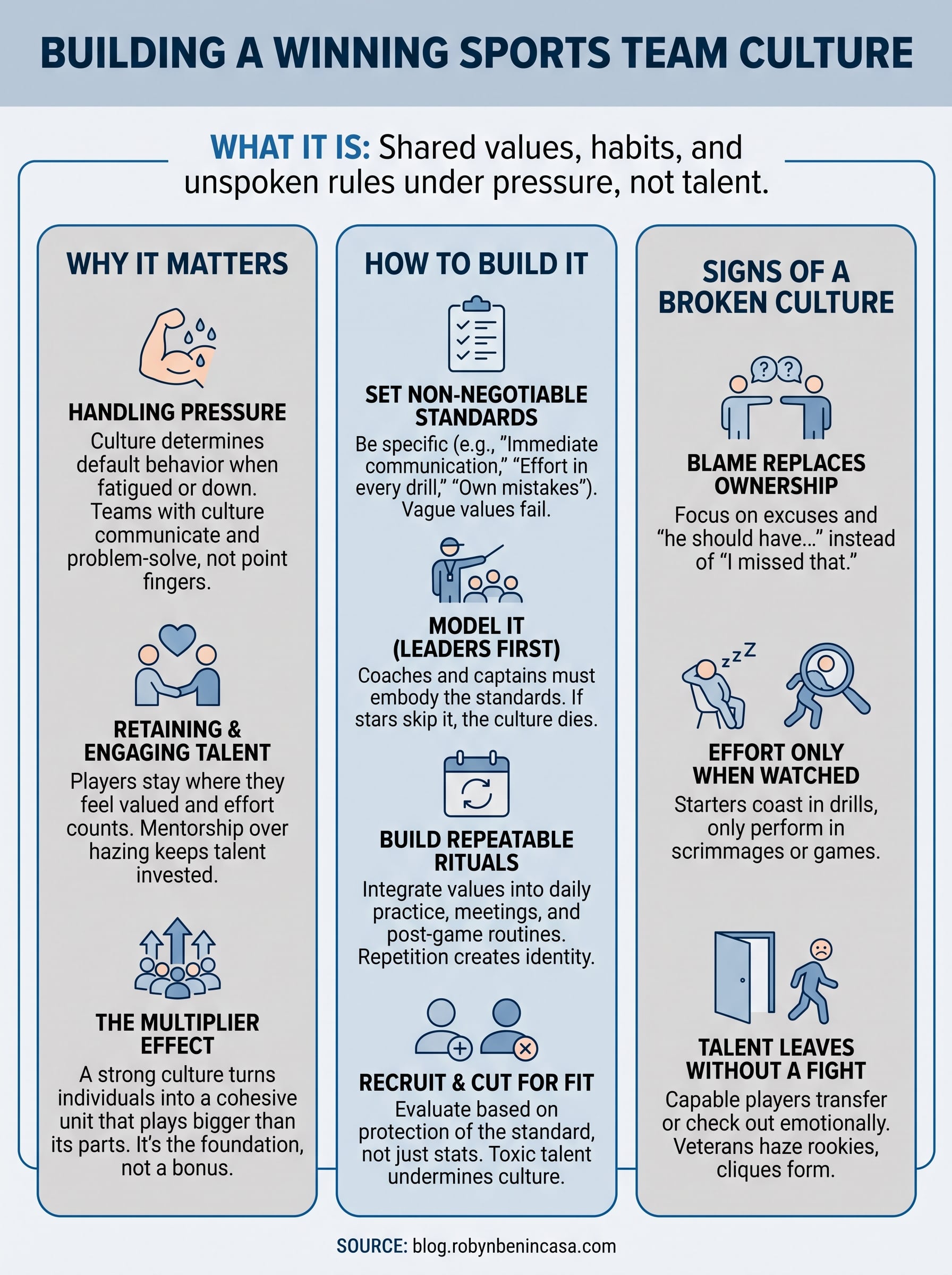
    At Robyn Benincasa, we’ve seen this pattern play out across industries, from pharmaceuticals to aerospace to finance. Through keynote programs and leadership workshops built on lessons from world-championship adventure racing and frontline firefighting, we help organizations understand a critical truth: you can’t change what people do until you change how they think, communicate, and commit to each other. Culture isn’t a poster on the wall. It’s the operating system that determines whether your people will run toward change or away from it.

    This article breaks down how organizational culture and change management actually work together, including the frameworks, strategies, and practical steps that move teams from resistance to alignment. Whether you’re leading a merger, restructuring departments, or driving a company-wide shift in how work gets done, you’ll walk away with a clearer picture of what it takes to make change stick at every level of your organization.

    What organizational culture really is

    Organizational culture is the sum of behaviors, beliefs, and norms that determine how your people actually operate day-to-day, not how leadership says they should operate. It’s the unwritten rules that shape whether someone speaks up in a meeting or stays quiet, whether teams share information or protect it, and whether people trust their leaders enough to follow them into uncertain territory. When you’re working to understand organizational culture and change management together, this is the starting point: culture is the context in which every change effort either takes root or gets rejected.

    Your culture functions less like a set of values on a company website and more like the collective muscle memory of your organization. It developed over years of leadership decisions, rewarded behaviors, and shared experiences under pressure. It’s deeply embedded, which is exactly why surface-level change programs rarely work. You can’t override culture with a slide deck or a rebranding exercise.

    The visible and invisible layers of culture

    Most leaders focus on the visible layer of culture: the stated values, the org chart, the company rituals. These are real, but they’re only the surface. Below that surface sits a far more powerful layer of assumptions and beliefs that your people carry into every meeting, project, and decision. Edgar Schein, a former MIT Sloan professor whose work on organizational culture remains foundational, described culture as operating across three levels: artifacts (what you see), espoused values (what the company claims to believe), and underlying assumptions (what people actually believe without consciously thinking about it).

    The gap between espoused values and underlying assumptions is where most change initiatives die.

    Your people can recite the company values from memory and still behave in ways that directly contradict them. That’s not deliberate resistance. It’s the result of ingrained patterns that formed long before your current initiative arrived on the scene. When you understand that gap, you stop being surprised by pushback and start addressing the actual problem driving it.

    Where culture actually lives

    Culture doesn’t live in your mission statement or your all-hands presentations. It lives in the daily micro-decisions your people make: who gets credit for an idea, how quickly a mistake is forgiven or punished, whether collaboration is rewarded or whether individual performance gets the promotions. These small moments accumulate into a recognizable pattern, and that pattern becomes the culture that either accelerates or kills your change efforts before they gain traction.

    This is why shifting culture requires behavioral evidence, not just communication campaigns. Your employees watch what leaders actually do under pressure far more than they listen to what leaders say in comfortable settings. If an executive announces a new culture of openness and then publicly dismisses someone for raising a concern, the announcement evaporates and the behavior is what people remember.

    A practical way to diagnose where your culture actually lives is to look honestly at three areas:

    • Reward systems: What behaviors get recognized, promoted, or compensated in practice?
    • Information flow: Who knows what, and how freely does knowledge move across teams and departments?
    • Conflict norms: How does your organization handle disagreement, mistakes, and failure when it actually happens?

    These three areas reveal more about your real culture than any engagement survey or values workshop ever will. Reward systems in particular tell you almost everything, because what your organization pays attention to and promotes is the clearest signal your people have about what actually matters. When you can see your culture as it genuinely operates, rather than as it’s aspirationally described, you have the honest baseline you need to build a change strategy that has a real chance of sticking.

    What change management actually does

    Change management is the structured process of guiding people through a transition from a current state to a desired future state. It’s not the same as project management, which focuses on tasks, timelines, and deliverables. Change management focuses on the human side: how people process disruption, what they need to believe before they commit to new ways of working, and how leaders can build enough psychological safety to make adoption possible. When people talk about organizational culture and change management in the same breath, this is why: change management is the mechanism, and culture is the terrain it has to cross.

    What change management is not

    One of the most common misunderstandings is that change management means communication strategy. Leaders roll out a new initiative with a series of town halls, email cascades, and training sessions, and then wonder why adoption rates stay low six months later. Communication is a component of change management, but it’s not the core of it. The core is behavior change at scale, which requires addressing the beliefs, incentives, and relationships that determine how your people actually work.

    Another misconception is that change management is something you add at the end of a project once the technical work is done. That approach consistently produces poor results. Effective change management starts at the design phase, before a single process has been restructured or a single system has been implemented. When people have input into how change is shaped, they carry a sense of ownership that passive recipients of change never develop.

    Change management isn’t about selling people on a decision that’s already been made. It’s about building the conditions in which people can genuinely commit to something new.

    The practical scope of what change management covers

    Change management addresses four interconnected areas that together determine whether people move from awareness of a change to full adoption of it:

    • Leadership alignment: Making sure the people steering the change are visibly committed and consistent in their behavior
    • Stakeholder engagement: Identifying who is affected, how deeply, and what each group needs to stay on board
    • Capability building: Equipping people with the skills and knowledge to operate in the new environment
    • Reinforcement systems: Changing rewards, recognition, and accountability structures to make the new behavior the default

    Each of these areas requires deliberate attention. Skipping any one of them creates a gap that your people will notice, even if they can’t articulate exactly what’s missing.

    How culture shapes change outcomes

    Culture doesn’t just sit in the background while change happens around it. Culture actively determines whether your change effort gains momentum or bleeds out slowly before it ever reaches full implementation. In the relationship between organizational culture and change management, culture is the variable with the most leverage. Get it working for you, and adoption accelerates. Leave it unaddressed, and even a well-funded, well-planned initiative loses traction at every level of the organization.

    When culture accelerates change

    Some organizations move through transformation faster than their competitors, and the reason is rarely budget or headcount. It’s cultural readiness. When your organization has built real trust between leaders and teams, a shared commitment to honest communication, and a track record of supporting people through difficulty, your people approach change differently. They don’t assume the worst. They give the process a chance because past experience has shown them that leadership follows through and that their concerns will be heard.

    A culture built on psychological safety doesn’t just survive change. It uses change as a competitive advantage.

    You can see this in high-performing teams across industries. When the unwritten rules of an organization reward transparency, shared problem-solving, and collective accountability, change becomes something people participate in rather than something that happens to them. That participation is the difference between surface compliance and genuine adoption.

    When culture blocks change

    A culture built on fear, internal competition, or chronic distrust will resist change regardless of how logical or well-communicated that change is. People in these environments protect their territory, withhold information, and wait to see who gets punished before they commit to anything new. The change initiative stalls not because people are incapable, but because the cultural environment makes risk-taking feel genuinely dangerous.

    This is the pattern that accounts for the majority of failed transformations. Leaders diagnose the failure as a communication problem or a training gap, when the actual problem is that employees have no reason to trust that the change is safe to embrace. Restructuring the process doesn’t fix that. Only repairing the underlying culture does.

    Watch for these signals that your culture is working against your change effort:

    • People agree in meetings but resist in practice
    • Information moves slowly or gets filtered before it reaches leadership
    • Employees ask for reassurance about job security before engaging with any new initiative
    • Teams compete for resources rather than share them across the organization

    How to align culture with a change effort

    Aligning culture with a change effort isn’t a communications exercise. It’s a deliberate redesign of the conditions that shape how your people behave, decide, and collaborate. Most leaders approach organizational culture and change management alignment by announcing values and hoping behavior follows. It doesn’t. Alignment happens when your people see the new direction reflected in who gets promoted, what gets rewarded, and how leaders act when no one is watching.

    Start with an honest cultural audit

    Before you design any change strategy, you need an accurate picture of where your culture actually stands. Survey data alone won’t give you that picture. Sit in on cross-functional meetings and watch how decisions get made. Ask front-line managers what behaviors actually get recognized versus what the company says it values. Look at your last six months of promotions and ask what those decisions signal to the broader organization.

    The gap between your stated culture and your observed culture is your real starting point, not your aspirational culture deck. Use that gap to identify the two or three specific behavioral shifts that matter most to your change effort. Trying to shift everything at once spreads your attention thin and gives your people no clear signal about what actually needs to change first.

    You can’t align culture with a change effort if you’re working from a version of your culture that doesn’t exist yet.

    Build behavioral anchors and close the leader gap

    Once you know where your culture stands, build specific behavioral expectations into the change itself. Don’t just tell people what the change is. Define what it looks and sounds like when someone is living that change on a Tuesday afternoon in a routine meeting. These behavioral anchors give people something concrete to grab onto rather than a vague direction to move toward. For each major element of your change initiative, define one or two visible behaviors that signal alignment, then make sure your reward systems reinforce those behaviors immediately.

    The fastest way to lose alignment is to have senior leaders say one thing and do another. Your people watch leadership behavior as their primary signal for what is actually expected. If your change initiative calls for greater transparency but executives still shield bad news from teams, the culture reads the behavior, not the policy. Make leader behavior part of the change scorecard, assign observable behavioral commitments to each senior leader, and treat consistency as a non-negotiable requirement, not a personal style choice.

    How to measure culture and change progress

    Measuring organizational culture and change management progress is where most leaders get it wrong. They reach for engagement survey scores and adoption rate dashboards, declare success when the numbers tick up, and miss the more important signals hiding underneath. Culture measurement only works when you track what people actually do, not what they report feeling in an anonymous survey. You need both behavioral observation and quantitative data to get an honest picture of where your change effort stands.

    The metrics you choose to track tell your organization what you actually care about, so choose them deliberately.

    Track behavior, not just sentiment

    Sentiment data gives you a snapshot of mood, but behavior gives you evidence of actual change. Instead of relying exclusively on how people say they feel about the transformation, build in structured observation of the specific behaviors you defined as anchors for your change initiative. Ask direct managers to report concrete examples of the new behaviors they see in practice each week. Over time, those examples either accumulate or they don’t, and that pattern tells you more than any five-point satisfaction scale ever will.

    Three behavioral signals correlate directly with real culture shift:

    • Cross-functional collaboration: Are teams that previously competed now sharing resources and information voluntarily?
    • Upward honesty: Are front-line employees surfacing problems to leadership, or are issues staying buried at the middle management layer?
    • Consistency over time: Are the people who adopted the change early still practicing it three months later without reminders?

    Use leading and lagging indicators together

    Lagging indicators like project completion rates, turnover numbers, and revenue results tell you what already happened. They matter, but by the time they shift, you’ve already lost months of adjustment time. Leading indicators give you an earlier read on whether the conditions for successful change are in place. Track things like meeting participation rates, how quickly cross-functional requests get answered, and whether leaders are completing their assigned behavioral commitments on schedule.

    Build a simple scorecard that combines both types. Review it monthly with your leadership team, and treat any gap between leading indicators (which should improve first) and lagging indicators (which take longer to reflect real change) as your signal to course-correct. Progress in organizational culture and change management is rarely linear, but a combined indicator approach lets you catch drift early and make targeted adjustments before a small slide becomes a full reversal.

    Common culture-change traps to avoid

    Understanding the relationship between organizational culture and change management protects you from the most damaging mistakes leaders make during transformation. Most of these traps don’t feel like mistakes in the moment. They feel like reasonable shortcuts or efficient decisions, but they consistently undermine adoption, slow momentum, and leave your organization more resistant to the next change than it was to this one. Recognizing them in advance is the difference between a change effort that sticks and one that quietly collapses six months after launch.

    Treating culture change as a one-time event

    Many leaders launch a culture initiative with visible energy, run it hard for a quarter, and then move on when the next business priority surfaces. Culture doesn’t change on a project timeline. It shifts through sustained, consistent pressure on the behavioral norms that govern daily work. When you stop reinforcing new behaviors before they’ve had time to become habit, your people read that as a signal that the old way is still acceptable. The initiative fades, the culture reverts, and the next time leadership announces a transformation, your people start the clock on how long this one will last before it gets quietly dropped.

    Sustained change requires sustained attention. Pulling back too soon is the fastest way to undo whatever progress you’ve made.

    Confusing consensus with alignment

    Gathering input and building consensus feels collaborative, but consensus and alignment are not the same thing. Consensus means everyone agrees. Alignment means everyone understands the direction and commits to moving in it even when they would have made a different call. Waiting for universal agreement before moving forward gives the most resistant voices in the room disproportionate control over your timeline. Move when you have alignment, not full consensus, and be transparent about that distinction so your people understand exactly what’s expected of them going forward.

    Skipping the middle management layer

    Front-line employees take most of their behavioral cues from their direct managers, not from executive announcements. When senior leaders communicate the change at the top and hand it directly to individual contributors, the middle layer gets skipped, and that’s exactly where implementation actually lives. Your middle managers need to be equipped, supported, and held accountable for translating the change into daily behavior on their teams. Invest heavily in this layer first, and your adoption rates will improve faster than any communication campaign or training rollout can deliver on its own.

    Where to go from here

    The connection between organizational culture and change management is not a soft people issue you can delegate to HR while the real work happens elsewhere. It’s the core variable that determines whether your transformation effort produces lasting results or quietly fades into the long list of initiatives that didn’t stick. You now have a clear picture of how culture operates, what effective change management actually covers, and the specific traps that derail even well-resourced efforts.

    The next step is putting this into practice with people who’ve done it under real pressure. Robyn Benincasa has spent decades translating lessons from world-championship adventure racing and frontline firefighting into frameworks that corporate teams use to drive genuine collaboration and sustain change through difficulty. If your organization is ready to move from understanding these principles to building them into how your team operates every day, connect with Robyn Benincasa and start that conversation now.

  • Peak Performance Mindset: What It Is And How To Build It Fast

    Most people think talent or natural ability separates top performers from everyone else. It doesn’t. After winning world championship adventure races across jungles, mountains, and oceans, and spending 20 years as a San Diego firefighter running into burning buildings, I can tell you the real differentiator is a peak performance mindset. It’s the mental operating system that lets individuals and teams perform at their ceiling, not their floor, when everything is on the line.

    A peak performance mindset is a trained pattern of thinking that allows you to sustain focus, push through resistance, and execute at your highest level, whether you’re navigating a boardroom merger or a Class V rapid at 2 a.m. It’s not some abstract concept reserved for elite athletes. It’s a learnable skill set built on specific habits, mental tools, and daily practices. And the teams and leaders I work with through my keynote programs and workshops prove that every single day across industries from pharmaceuticals to aerospace to finance.

    This article breaks down exactly what a peak performance mindset is, what makes it different from generic "positive thinking," and the concrete steps you can take to build one. You’ll get the mental frameworks I’ve used and taught to thousands of corporate teams, along with research-backed strategies you can start applying immediately, no mountain summit required.

    What a peak performance mindset is

    A peak performance mindset is not a mood, a morning routine, or a motivational poster. It’s a cognitive framework that shapes how you interpret pressure, setbacks, and uncertainty. Instead of reacting to difficult circumstances, you process them through a lens that prioritizes action, learning, and forward momentum. Think of it as the internal wiring that keeps high performers executing when everyone else freezes or folds.

    The difference between someone who collapses under pressure and someone who thrives in it is rarely physical. It’s mental.

    It’s built on three core pillars

    The mindset rests on three pillars that work together: self-regulation, which is your ability to manage emotional responses under stress; intentional focus, meaning you direct attention toward what you control; and adaptive thinking, which lets you update your approach without losing confidence. These aren’t personality traits. They’re trained capacities. Research from the American Psychological Association consistently shows that mental resilience is developed through deliberate practice, not inherited through genetics or circumstance.

    Each pillar reinforces the others. When you regulate your stress response, your intentional focus sharpens. When your focus sharpens, you spot necessary adjustments faster. And when you adapt without catastrophizing, you build the kind of mental toughness that compounds over time and becomes automatic under pressure. The whole system gets stronger every time you use it in a hard situation.

    How it differs from positive thinking

    Positive thinking tells you to feel good about a situation. A peak performance mindset tells you how to function inside a hard one. The distinction matters because pressure doesn’t care about your optimism. What separates world-class athletes and top executives from average performers is not that they believe everything will work out. It’s that they have trained mental responses to doubt, fatigue, and failure that keep them moving forward regardless.

    You can be fully aware that a situation is painful, even overwhelming, and still perform at your highest level inside it. That’s the core of this framework. It’s not about manufacturing false confidence or suppressing honest reactions. It’s about having clear cognitive systems that activate automatically when the stakes go up. This is exactly what I witnessed in adventure racing across jungles and mountain ranges: your best teammates were never the ones pretending the situation wasn’t brutal. They were the ones who kept moving through brutal with precision and purpose, and that is a skill any team can build.

    Why a peak performance mindset matters

    A peak performance mindset directly determines how you and your team respond when pressure peaks and the margin for error shrinks. Most organizations invest heavily in technical training and process optimization, but they leave the mental game almost entirely unaddressed. That gap is expensive. Research from McKinsey & Company shows that psychological safety and mental resilience are among the strongest predictors of team effectiveness and sustained business performance.

    The mindset you bring to a hard moment determines what that moment produces.

    When your team operates with this mindset, mistakes become data instead of identity crises, and setbacks trigger problem-solving instead of blame. That shift changes everything about how fast you recover, how well you collaborate, and how consistently you execute when results actually matter.

    It affects the entire organization, not just top performers

    Most leaders assume mental performance only matters for elite athletes or executives at the top of a hierarchy. That assumption is wrong. Every person on your team makes dozens of decisions daily that are shaped by their mental framework. A team member who responds to setbacks with [fixed, fear-based thinking](https://www.robynbenincasa.com/blog/ignite-your-teams-potential-the-transformative-power-of-team-building-motivational-speakers) will underperform consistently across those decisions, regardless of their technical skill level. Multiply that across a department and you have systemic underperformance baked directly into your culture.

    Building this mindset across your people creates a compound effect across the entire organization. When one person models adaptive thinking under pressure, it sets a standard. Others observe it, mirror it, and begin to internalize it. Over time, you build a culture where high-stakes situations bring out the best in your people rather than expose the worst. That culture is not an accident. It is a direct product of intentionally developing the right mental infrastructure from the top down.

    The core traits of peak performers

    People who consistently perform at their best share a specific cluster of mental habits. These aren’t random personality quirks. They are deliberate behaviors and thinking patterns that anyone can identify, study, and replicate. When you look closely at world-class athletes, top executives, and elite military teams, the same traits show up again and again regardless of the field they compete in.

    They control what they can control

    Peak performers have a disciplined focus on their own actions and decisions rather than outcomes they cannot influence. This matters because pressure environments are full of variables outside your control: market conditions, competitor moves, other people’s choices. The ability to redirect attention toward controllable inputs keeps peak performers executing with precision instead of burning energy on circumstances that won’t respond to it.

    Focusing on what you control is not a passive habit. It is an active discipline that takes daily practice to build.

    They treat failure as feedback

    The second defining trait of a peak performance mindset is how performers process failure. Top performers do not view setbacks as evidence of personal inadequacy. They treat them as diagnostic data that reveals exactly where to improve. This cognitive reframe keeps confidence intact while the performer corrects course, so you stay in forward motion rather than getting stuck in self-judgment.

    Research from Stanford University on growth mindset theory confirms that people who interpret failure as information consistently outperform those who interpret it as fixed identity. Consistent peak performers build this reframe into their standard operating procedure so it activates automatically under pressure rather than requiring conscious effort each time.

    How to build the mindset fast

    Building a peak performance mindset does not require years of therapy or a week-long retreat. It requires specific, repeatable practices applied consistently in real conditions. The fastest path forward is treating your mental framework exactly the way you treat any physical skill: with deliberate, progressive exposure to the situations where it matters most.

    Put yourself in hard situations deliberately

    You cannot develop stress regulation by avoiding stress. Controlled exposure to difficulty is the most direct path to building the mental resilience that separates consistent peak performers from inconsistent ones. Identify pressure situations you currently avoid and commit to executing inside them, one at a time. Each completed rep strengthens the neural pathways that keep you functional when stakes are high.

    Here are three concrete starting points:

    • Have one difficult conversation you have been delaying this week
    • Volunteer for a high-visibility project that sits outside your current comfort zone
    • Set a measurable goal with a real consequence tied to missing it

    The mental muscle for peak performance grows the same way a physical one does: through resistance, not avoidance.

    Build a pre-performance routine and audit your self-talk

    Elite performers across every discipline use structured pre-performance routines to shift into an execution state on demand. Pick three to five consistent behaviors you perform before any high-stakes moment: a specific breathing pattern, a brief review of what you control, or a single phrase that anchors your focus. Repetition is what makes the routine work. Over time, your brain connects those behaviors to a ready state, and the shift becomes automatic.

    Your daily self-talk audit builds the same infrastructure from the inside out. Spend five minutes reviewing how you narrated a difficult moment from your day. When you find fear-based or fixed language, replace it with a specific, factual alternative. This single habit retrains your internal operating system faster than almost any external intervention.

    How to keep it under pressure

    Building a peak performance mindset takes effort, but keeping it intact when pressure spikes is where the real work happens. Most people perform well in low-stakes conditions. The test is what you do when a deal collapses, a key team member quits, or the timeline compresses overnight. Pressure is the exam, and your mental framework is either prepared for it or it is not.

    Anchor to your process, not the outcome

    When results feel uncertain, your first instinct will be to fixate on the outcome. That instinct will cost you. Shifting your focus back to the process, meaning the specific actions within your control right now, keeps your execution sharp regardless of what the scoreboard says. Peak performers anchor to their standard behaviors and routines during chaos because those anchors prevent the mental drift that turns hard situations into catastrophic ones.

    Pressure does not build character. It reveals the mental infrastructure you already have in place.

    Write down your three most critical process behaviors before any high-stakes event. During the event, return to that list whenever your attention drifts to outcomes or variables you cannot influence.
    Reset between moments, not after the day

    Emotional carryover is one of the fastest ways to erode your performance under extended pressure. A difficult conversation or a missed call will bleed directly into the next interaction unless you have a deliberate reset mechanism between moments. Top executives and athletes use short, specific resets: a controlled breath sequence, a physical movement, or a single refocusing phrase. These micro-resets clear the mental residue from one moment before the next one starts.

    Keep your reset short and repeatable, three minutes or less, and use it consistently so it activates automatically when you need it most.

    Next steps

    A peak performance mindset is not something you either have or you don’t. It’s something you build, rep by rep, through deliberate practice in real conditions. Start with one thing from this article: pick your pre-performance routine, commit to your daily self-talk audit, or schedule the difficult conversation you’ve been avoiding. Do that one thing consistently for two weeks before adding anything else. Small, repeated actions build the mental infrastructure that holds under pressure.

    Your team’s performance ceiling is higher than you think. The limiting factor is rarely skill or resources. It’s the collective mental framework your people bring to hard moments. If you lead a team and want to accelerate that shift, the fastest path is bringing in a proven system built from real high-stakes experience. Explore how Robyn Benincasa’s keynote programs build peak performance teams and find the right fit for your organization.

  • 9 Patrick Lencioni Team Building Exercises for Teams

    Patrick Lencioni’s The Five Dysfunctions of a Team has become one of the most referenced frameworks in corporate team development, and for good reason. His model names the exact breakdowns that quietly erode performance: absence of trust, fear of conflict, lack of commitment, avoidance of accountability, and inattention to results. If you’ve searched for Patrick Lencioni team building strategies, you’re likely dealing with one or more of these dysfunctions right now and looking for concrete ways to address them.

    At Robyn Benincasa, we’ve spent years translating high-stakes teamwork, from world-championship adventure racing to frontline firefighting, into actionable frameworks for corporate teams. Lencioni’s model aligns closely with what we’ve seen in the field: teams don’t fail because of talent gaps. They fail because of relationship and communication gaps that go unaddressed.

    This article breaks down nine exercises rooted in Lencioni’s five dysfunctions, each designed to move your team from theory to practice. Whether you’re leading a department through a merger, rebuilding trust after turnover, or simply trying to get your people pulling in the same direction, these activities give you a starting point. We’ll walk through what each exercise targets, how to run it, and why it works.

    1. Run a T.E.A.M.W.O.R.K. alignment session

    This exercise brings Robyn Benincasa’s T.E.A.M.W.O.R.K. framework into direct contact with your team’s daily work. Each letter represents a specific element of high-performing teamwork, and running a structured alignment session helps your group identify where they’re strong and where they’re quietly breaking down before those gaps cost you results.

    Goal and dysfunction it targets

    This session primarily targets the absence of trust and inattention to results, the first and fifth dysfunctions in Lencioni’s model. When a team openly assesses its own collaboration patterns against a shared framework, it creates the psychological safety needed to have honest conversations about what’s actually working and what isn’t.

    Naming a shared standard gives your team permission to call out gaps without it feeling like a personal attack on any one person.

    Materials and setup

    You need a printed or digital copy of the T.E.A.M.W.O.R.K. elements for each participant and a whiteboard or shared document where the group can record scores and discussion notes. Plan for 60 to 90 minutes in a distraction-free setting, with your team seated in a circle or around a single table so that every voice carries equal weight in the room.

    Step-by-step facilitation

    Start by walking through each of the eight T.E.A.M.W.O.R.K. elements one at a time. For each element, ask every team member to rate your team’s current performance on a scale of 1 to 5, then share their score aloud. Once all scores are visible, open the floor to discuss the two lowest-rated elements in depth. Before closing, assign a small action group for each low-scoring area and set a clear deadline for their first update.

    What success looks like

    Your team leaves the session with two specific improvement areas identified and at least one owner named for each. The conversation stays honest rather than defensive, and people reference specific observable behaviors rather than vague impressions or generalizations about culture.

    How to follow up

    Schedule a 30-minute check-in four weeks later to revisit the two focus areas. Ask each action group to report one concrete change they made and one result they observed. This follow-up step is exactly what separates a productive patrick lencioni team building session from a one-time workshop that fades by the following Monday morning.

    2. Score your team on the five dysfunctions

    Before you can fix what’s broken, your team needs to agree on what’s actually broken. This exercise gives every member a structured way to rate your team against each of Lencioni’s five dysfunctions and brings the results into the open as a shared starting point.

    Goal and dysfunction it targets

    This activity targets all five dysfunctions simultaneously by surfacing where your team sits on each one. The primary payoff is a shared, honest picture of your team’s current state, which creates the foundation for every other patrick lencioni team building activity you run afterward.

    When everyone rates the same team independently and then compares scores, the gaps in perception are often more revealing than the scores themselves.

    Materials and setup

    You need Lencioni’s official team assessment tool, available through his resources at tablegroup.com, plus a way to display aggregated scores for the group. Block 45 to 60 minutes and run the assessment anonymously if your team currently lacks psychological safety.

    Step-by-step facilitation

    Distribute the assessment and have each person complete it independently before anyone shares results. Then display the averaged scores for each dysfunction on a shared screen. Ask the group to focus first on the lowest-scoring dysfunction and discuss two or three specific behaviors that are driving that score.

    What success looks like

    Your team identifies one primary dysfunction to address and names real, observable behaviors behind it rather than vague complaints about culture. One clear priority is far more actionable than a list of five problems competing for attention.

    How to follow up

    Revisit the assessment every 90 days to track movement. Compare each new set of scores against your baseline results and discuss which specific actions drove any shifts you see.

    3. Do the personal history round

    The personal history round is one of the simplest and most immediately impactful exercises in any patrick lencioni team building toolkit. It asks each team member to share a few brief, low-stakes personal details, and the effect on group dynamics is often faster than leaders expect.

    Goal and dysfunction it targets

    This exercise directly targets the absence of trust, Lencioni’s foundational dysfunction. When people know almost nothing about each other’s backgrounds, every disagreement or missed expectation gets filtered through assumption rather than context. Sharing personal history closes that gap quickly.

    You cannot build real trust with someone you only know by their job title and last quarterly report.

    Materials and setup

    You need no special materials for this one. A quiet room, 30 to 45 minutes, and a group of people willing to be briefly vulnerable is all it takes. Arrange seating so everyone faces each other, with no one sitting at the head of the table.

    Step-by-step facilitation

    Ask each person to answer three simple questions: where they grew up, how many siblings they have, and one memorable challenge from their childhood. Keep each share to two or three minutes. The facilitator goes first to model the expected level of openness and signal that brief honesty is the norm, not deep disclosure.

    What success looks like

    Your team leaves with new context about each other that makes future friction easier to interpret charitably rather than defensively.

    How to follow up

    Reference specific things people shared in subsequent meetings to reinforce that what was said actually mattered.

    4. Share one weakness and one help request

    This exercise moves your team past polished self-presentation and into genuine vulnerability. By asking each person to name a real limitation and a specific request for help, you create the conditions where trust can actually take root.

    Goal and dysfunction it targets

    The exercise directly targets the absence of trust and also chips away at the avoidance of accountability dysfunction. When people admit they need help, it normalizes interdependence and signals that asking for support is a strength, not a failure.

    A team that can name its gaps honestly is already more functional than one that performs confidence it doesn’t have.

    Materials and setup

    You need no special tools for this exercise. Set aside 30 to 45 minutes in a private setting and ask each participant to come prepared with one genuine weakness and one concrete request for help from the group.

    Step-by-step facilitation

    Run the exercise in this order to keep it structured and safe:

    • The leader shares first to model the expected depth.
    • Each person states their weakness and their specific help request in two to three minutes.
    • One team member responds with a concrete commitment to help before moving to the next person.

    What success looks like

    Your team leaves with named commitments between specific people, not vague intentions. Members reference actual limitations rather than humble-brag statements, and the room’s energy shifts noticeably once the exercise ends.

    How to follow up

    At your next patrick lencioni team building check-in, ask whether the committed help was actually delivered. Recognizing any follow-through publicly reinforces that this kind of honesty earns real respect in your culture.

    5. Map and share behavioral preferences

    Most team conflict doesn’t come from bad intentions. It comes from different working styles that nobody ever made explicit. This exercise gets those differences onto the table so your team can stop misreading each other and start collaborating with actual context.

    Goal and dysfunction it targets

    This activity targets the absence of trust by reducing the misinterpretations that happen when people assume everyone processes information and decisions the same way they do. It’s one of the most practical patrick lencioni team building tools for teams that have tension but can’t quite name its source.

    When people see behavioral differences mapped visually, friction that felt personal suddenly looks structural.

    Materials and setup

    Have each person complete a behavioral assessment before the session, such as DiSC or Myers-Briggs, and print or display their results. Block 60 minutes and set up the room with results visible to the full group.

    Step-by-step facilitation

    Walk through each person’s profile in sequence. For each result, ask them to share one way their style helps the team and one way it can create friction if others don’t understand it. After everyone shares, open a brief discussion on which style combinations create the most frequent misreads on your specific team.

    What success looks like

    Your team leaves with a shared language for differences and a visible map of the room’s behavioral range. People stop attributing friction to attitude and start naming it accurately.

    How to follow up

    Post a one-page summary of everyone’s profiles in your shared workspace and reference it the next time a misunderstanding surfaces.

    6. Practice mining for conflict in meetings

    Most teams don’t avoid conflict because they’re incapable of it. They avoid it because nobody has made it safe or expected. Mining for conflict is a facilitation technique from Lencioni’s model where someone in the room actively draws out disagreement that people are holding back.

    Goal and dysfunction it targets

    This exercise directly targets the fear of conflict, Lencioni’s second dysfunction. Teams that suppress debate don’t eliminate tension; they drive it underground where it turns into side conversations and passive resistance after the meeting ends.

    Artificial harmony in a meeting is not agreement. It is delayed disagreement with worse consequences.

    Materials and setup

    You need no special materials beyond a designated conflict miner for each meeting. Rotate this role across team members so it becomes a shared responsibility rather than a burden that falls on one person. Meetings of any size work for this exercise.

    Step-by-step facilitation

    At the start of each meeting, name the designated conflict miner for that session. Their job is to watch for body language and silence that signals held-back disagreement. When they spot it, they call it out directly: "It looks like someone has a concern here. Let’s hear it." The group then responds to the raised point before moving forward.

    What success looks like

    Your team surfaces at least one real objection per meeting that would previously have gone unsaid. Decisions feel more durable afterward because people had a genuine opportunity to push back.

    How to follow up

    Ask the conflict miner to give a brief debrief at the end of each meeting on what they observed. Over time, this patrick lencioni team building habit rewires your team’s default from silence to honest engagement.

    7. Close decisions with disagree and commit

    Even teams that debate well often fall apart at the final step. People leave meetings without clear alignment, then quietly undermine decisions they never bought into. The disagree and commit practice closes that gap by creating a shared closing ritual that separates personal opinion from team direction.

    Goal and dysfunction it targets

    This exercise targets the lack of commitment dysfunction, Lencioni’s third. Commitment doesn’t require consensus. It requires that every person on your team had a real chance to be heard before the decision was made.

    A team that disagrees openly and still commits together is far more dangerous to the competition than one that pretends to agree.

    Materials and setup

    You need no special tools beyond a designated decision log, a shared document where you record what was decided and who committed to it. Block the final five minutes of any key meeting to run this ritual.

    Step-by-step facilitation

    Before closing any significant decision, ask the room two questions: "Does anyone still have a concern that hasn’t been heard?" and "Can everyone commit to this direction, even if it wasn’t your first choice?" Record the decision and each person’s explicit verbal commitment in your decision log.

    What success looks like

    Your team leaves every key meeting with a documented decision and a list of people who committed to it. Side conversations about reversing the decision drop noticeably within a few weeks.

    How to follow up

    Review your decision log at the start of the next meeting and confirm that committed actions were taken. This single habit does more for patrick lencioni team building progress than most full-day workshops.

    8. Run the team effectiveness peer feedback exercise

    Most teams give feedback in one direction: down from manager to direct report. This exercise flips that pattern by asking every team member to give and receive structured feedback from peers, creating a fuller picture of how each person actually shows up in the group dynamic, not just how their manager perceives them.

    Goal and dysfunction it targets

    This exercise directly targets the avoidance of accountability, Lencioni’s fourth dysfunction. When peers expect feedback only from a manager, accountability becomes someone else’s job. Peer feedback redistributes that responsibility across the whole team instead of concentrating it at the top.

    A team that holds itself accountable produces far better results than one that waits for a leader to notice the problem.

    Materials and setup

    Prepare a simple feedback template with three prompts: one thing this person does that helps the team, one behavior that creates friction, and one specific request for change. Give each participant one template per teammate and allow 15 minutes for quiet individual completion before the group shares.

    Step-by-step facilitation

    Run the exchange in small groups of three to five. Each person reads their feedback aloud to the recipient, who listens without interrupting. After all feedback is delivered, the recipient names one specific commitment they will act on before the next team meeting.

    What success looks like

    Your team leaves with concrete behavioral commitments from each member, not general intentions. Conversation stays focused on observable actions rather than personality judgments.

    How to follow up

    Check in on those commitments at your next patrick lencioni team building session. Ask each person to name one visible change they made and one response they noticed from the team.

    9. Set a rallying cry and a team results scorecard

    Teams that lack a shared goal and a visible way to track it almost always drift toward individual priorities over collective ones. This exercise fixes that by giving your team one unifying objective, what Lencioni calls a rallying cry, and a simple scorecard that keeps the whole group focused on it week to week.

    Goal and dysfunction it targets

    This exercise directly targets the inattention to results, Lencioni’s fifth dysfunction. When individual metrics dominate and no shared scoreboard exists, people optimize for their own numbers even when doing so hurts the team. A rallying cry and scorecard make the collective goal visible and personal at the same time.

    Teams that can point to a shared scoreboard argue less about whose work matters most.

    Materials and setup

    You need a whiteboard or shared digital document where the scorecard will live permanently, not just during the session. Block 45 minutes for the initial setup meeting and assign one person to maintain and update the scorecard weekly.

    Step-by-step facilitation

    Ask your team to answer one question together: "What is the single most important thing we must accomplish in the next 90 days?" Write every answer on the board, then vote to narrow it to one. From there, define two to four measurable indicators that will tell you whether you’re on track and build those into your scorecard.

    What success looks like

    Your team references the scorecard in every meeting without prompting and ties individual updates back to the shared goal.

    How to follow up

    Review the scorecard weekly. This patrick lencioni team building habit keeps results front and center long after the initial session ends.

    Your next step

    The nine patrick lencioni team building exercises in this article each target a specific dysfunction, but they work best when you treat them as a connected system rather than a menu of one-off activities. Start with exercise two to score your team on all five dysfunctions, then use that baseline to decide which exercise to run first. One focused session with clear follow-up will move your team further than five workshops that end with no commitment to change.

    Real team performance requires more than a framework. It requires repeated practice, shared accountability, and leaders who model the behaviors they want their teams to adopt. If you want to build that kind of culture inside your organization, explore the keynote programs and team building resources at Robyn Benincasa. The work your team does in the room only sticks when someone keeps the standard visible long after the session ends.

  • 7 Corporate Culture Keynote Speaker Options for 2026

    Hiring the right corporate culture keynote speaker can shift an entire organization’s trajectory, or it can burn through your event budget and leave the room checking their phones. The difference comes down to whether the speaker has real operational experience building high-performing teams or just talks about it from a slide deck.

    As someone who has spent decades leading adventure racing teams through some of the most grueling conditions on the planet, and over 20 years as a San Diego firefighter, I (Robyn Benincasa) know firsthand that culture isn’t a corporate buzzword. It’s the operating system that determines whether your people pull together or fall apart when things get hard. That perspective shapes everything I deliver on stage, and it’s the same lens I used to evaluate the speakers on this list.

    Below, you’ll find seven speakers worth considering for your 2026 corporate events. Each brings a distinct angle on workplace culture, from employee engagement and leadership transformation to breaking down silos and driving collaboration. Some focus on research, others on frontline experience, and a few blend both. I’ve included a range of styles and specialties so you can match the right voice to your audience and your goals.

    1. Robyn Benincasa

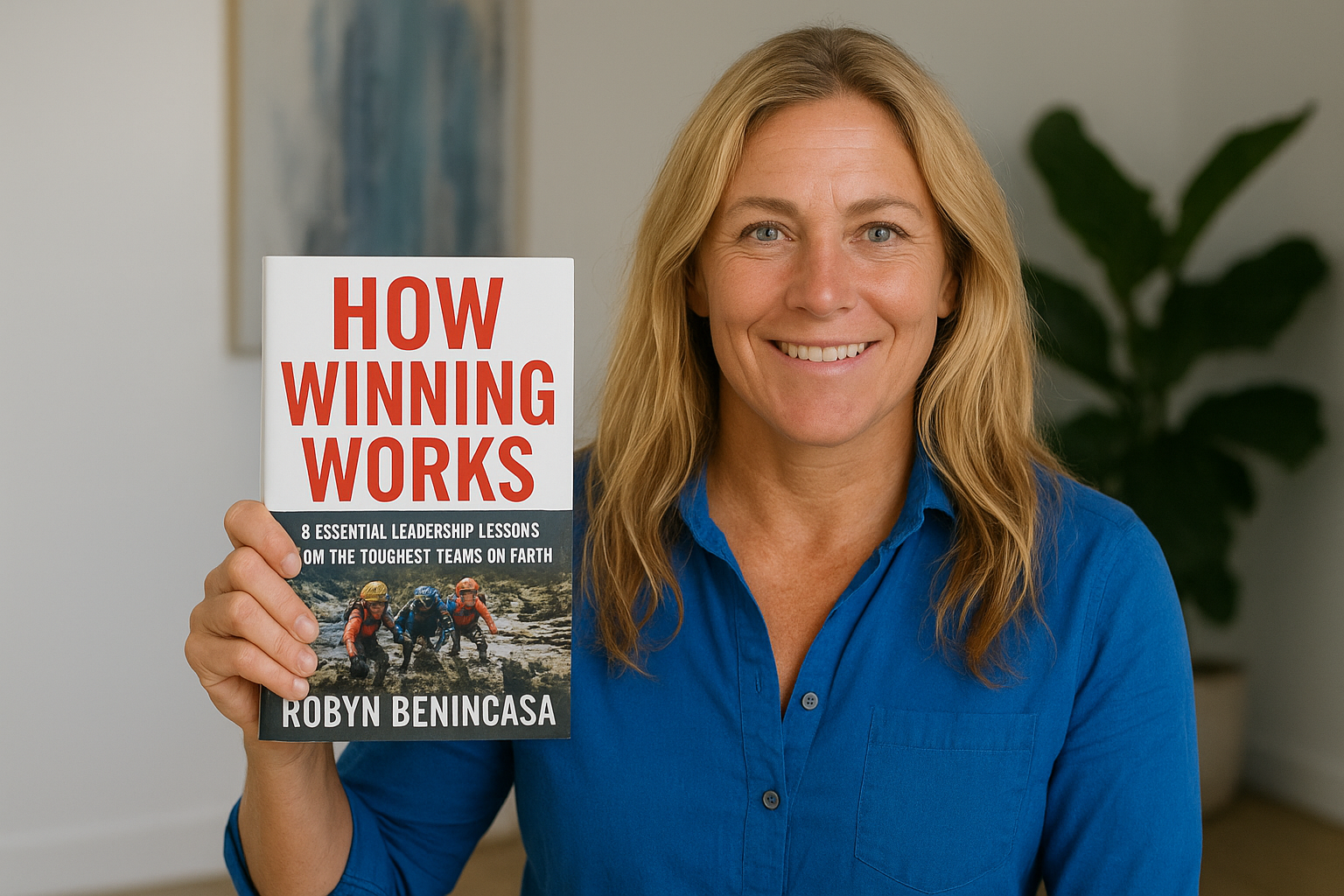
    Robyn Benincasa is a World Champion Adventure Racer, a San Diego firefighter with over 20 years of service, and the founder of the Project Athena Foundation. She is also a New York Times bestselling author of How Winning Works. Her credentials come from real frontline experience in two of the most team-dependent environments on earth, which gives her a perspective that most corporate culture keynote speakers simply cannot match.

    What She Speaks About

    Robyn’s programs translate the high-stakes collaboration required in multi-day adventure racing into practical frameworks that corporate teams can actually use. Her four signature programs cover distinct organizational needs:

    • T.E.A.M.W.O.R.K. – an eight-element model for building and sustaining high-performance teams
    • Win As One – focused on cross-functional collaboration and breaking down internal silos
    • Inspiring Greatness Through G.R.I.T. – designed for teams that need to sustain performance under prolonged pressure
    • Why Winners Win – a mindset and culture program built for sales and leadership audiences

    What Audiences Take Away

    Attendees leave with specific, repeatable frameworks they can bring back to their teams immediately. Every story Robyn tells on stage connects directly to a concrete behavior or cultural habit your team can adopt, rather than a feeling that fades by Monday morning.

    Leaders across industries consistently report that the T.E.A.M.W.O.R.K. model becomes shared internal language across their organizations long after the event ends. That kind of lasting impact is rare.

    A keynote succeeds when the conversation it starts does not stop when the room empties.

    Best Fit for Your Event

    Robyn works best for organizations navigating significant change, including mergers, cultural resets, rapid growth, or cross-departmental friction. Her content lands well with sales teams, operations leaders, and executive groups who need their people to pull in the same direction rather than compete internally. Clients include Allstate, Northrop Grumman, and Boston Scientific.

    Typical Fee Range and Booking Notes

    Robyn’s keynote fee typically falls in the $30,000 to $50,000 range, with custom half-day and full-day workshop packages available at higher investment levels. She delivers both live and virtual programs and works directly with event planners to align content with your specific audience and goals. You can start the booking conversation at robynbenincasa.com.

    2. Patty McCord

    Patty McCord served as Chief Talent Officer at Netflix for 14 years and co-created the Netflix Culture Deck, which has been viewed over 20 million times and reshaped how the business world thinks about people, accountability, and company culture. Few corporate culture keynote speakers can point to a body of work that has influenced as many organizations as hers has.

    What She Speaks About

    Patty focuses on building honest, high-accountability workplaces that treat employees as capable adults rather than resources to be managed. Her talks challenge standard HR conventions around performance reviews, retention bonuses, and the assumptions leaders make about what actually motivates people to do their best work.

    What Audiences Take Away

    Audiences leave with a direct challenge to their existing management assumptions. Patty pushes leaders to examine whether their current people practices produce the culture they want or simply reinforce the one they have tolerated for years.

    The most useful culture conversations are the ones that make leaders uncomfortable enough to actually do something differently.

    Best Fit for Your Event

    She works well for HR leadership teams, C-suite executives, and people operations groups ready to question traditional management structures. If your organization is scaling fast or struggling with low accountability and unclear performance standards, her content will land with real force.

    Typical Fee Range and Booking Notes

    Patty’s keynote fees typically fall in the $30,000 to $50,000 range. She books through speaker bureaus and delivers the most value when event organizers give her room to challenge the audience rather than simply confirm what they already believe.

    3. Brené Brown

    Brené Brown is a research professor at the University of Houston and one of the most recognized voices on vulnerability, courage, and leadership. Her TED Talk on vulnerability ranks among the most-watched of all time, and her books, including Dare to Lead, have reached millions of readers worldwide. As a corporate culture keynote speaker, she brings a research-backed perspective that is both emotionally resonant and practically grounded.

    What She Speaks About

    Brené’s work centers on courageous leadership and psychological safety in the workplace. She draws from over two decades of research to show how vulnerability is not a weakness but a prerequisite for innovation and genuine team trust. Her Dare to Lead program has trained thousands of leaders and organizations globally.

    What Audiences Take Away

    Audiences leave with a clearer understanding of how shame and avoidance behaviors quietly erode team performance over time. She gives leaders specific language and practical tools to build cultures where people take real risks and speak honestly without fear of judgment.

    When leaders model vulnerability, they give their entire team permission to stop performing and start contributing.

    Best Fit for Your Event

    Brené works well for leadership conferences and culture transformation initiatives where psychological safety is the central issue. Her content resonates especially with HR executives and senior leadership teams managing burnout, disengagement, or chronically low trust across their organizations.

    Typical Fee Range and Booking Notes

    Her keynote fees typically fall well above $100,000, placing her at the premium end of the speaker market. She books through her own organization and availability fills quickly, so plan your outreach at least 12 months before your 2026 event date.

    4. Simon Sinek

    Simon Sinek is a leadership author and speaker best known for his concept of "Start With Why," which he introduced in a 2009 TED Talk that now ranks among the most-watched in TED history. He has written several bestselling books, including Start With Why and Leaders Eat Last, and has spent years researching what separates organizations with strong, lasting cultures from those that struggle with chronic disengagement and high turnover.

    What He Speaks About

    His content centers on purpose-driven leadership and the biological roots of trust within organizations. He draws on anthropology and organizational behavior to explain why leaders who prioritize their people over short-term results consistently build stronger, more resilient company cultures that outperform competitors over time.

    What Audiences Take Away

    Audiences gain a clearer framework for connecting day-to-day work to a larger organizational purpose. Leaders walk away with practical ways to shift from managing for output to building genuine loyalty and intrinsic motivation across their teams.

    When people understand why they do the work, not just what the work is, they stop showing up for a paycheck and start showing up for each other.

    Best Fit for Your Event

    As a corporate culture keynote speaker, Simon works especially well for leadership summits and all-hands events where your primary goal is reconnecting employees to the organization’s broader mission and values.

    Typical Fee Range and Booking Notes

    Simon’s fees typically land above $100,000 for keynote engagements. His team books well in advance, so start your outreach at least 12 months before your 2026 event.
    5. Lisa Bodell

    Lisa Bodell is the founder and CEO of FutureThink and the author of Kill the Company and Why Simple Wins. She has worked with organizations including Google, Pfizer, and the U.S. Navy to help leaders eliminate the organizational friction that kills innovation and drives chronic disengagement across teams.

    What She Speaks About

    As a corporate culture keynote speaker, Lisa centers her work on simplification as a cultural strategy, not a productivity trick. She shows leaders how to systematically remove the unnecessary rules, redundant meetings, and bureaucratic processes that bury their best people in low-value work and block meaningful contribution before it starts.

    • Identifying and cutting the complexity that slows team performance
    • Building cultures where simplicity enables faster decisions and higher output
    • Hands-on exercises leaders can run immediately with their own teams

    What Audiences Take Away

    Audiences leave with concrete, repeatable tools to strip out the low-value work consuming their teams’ time and energy. Leaders gain a clear process for building a simpler, faster-moving culture that creates genuine space for innovation rather than just talking about it.

    When you remove what slows your people down, you don’t just improve productivity. You change how they feel about showing up.

    Best Fit for Your Event

    Lisa works well for operations, innovation, and senior leadership audiences inside organizations that feel buried in process. Her content lands hardest when your team already recognizes the problem she describes from their own daily experience.

    Typical Fee Range and Booking Notes

    Her fees typically fall in the $30,000 to $50,000 range. She books through speaker bureaus and delivers the strongest results when event organizers connect her content directly to a specific cultural or operational challenge your team is actively working through.

    6. Robert Sutton

    Robert Sutton is a professor of management science at Stanford University and the author of The No Asshole Rule and Good Boss, Bad Boss. His research focuses on how toxic behavior and ineffective management quietly destroy team performance, employee retention, and the cultural fabric of entire organizations over time.

    What He Speaks About

    Robert’s work centers on identifying and eliminating the destructive interpersonal dynamics that erode workplace culture from the inside. He draws on years of organizational research to show leaders how specific management behaviors drive disengagement and high turnover far more than most companies recognize.

    • Diagnosing the management habits that produce toxic team environments
    • Reducing interpersonal friction that blocks accountability and collaboration
    • Building structural conditions that make bad behavior harder to sustain

    What Audiences Take Away

    Audiences gain a sharp, evidence-based framework for spotting the individual and systemic behaviors pulling their culture in the wrong direction. Leaders leave with practical tools to reduce toxicity at every level of the organization, not just at the top.

    The organizations that build strong cultures do not just hire the right people. They make it structurally hard for the wrong behaviors to survive.

    Best Fit for Your Event

    As a corporate culture keynote speaker, Robert works best for HR executives and senior leadership teams dealing with chronic friction, management problems, or high turnover rooted in cultural dysfunction. His content addresses root causes rather than surface-level fixes.

    Typical Fee Range and Booking Notes

    Robert’s fees typically fall in the $30,000 to $50,000 range. He books through speaker bureaus, and his content delivers the greatest impact when event organizers connect his talk directly to a specific leadership challenge your organization is actively working through.

    7. Adam Smiley Poswolsky

    Adam Smiley Poswolsky is a workplace belonging expert and the author of Friendship in the Age of Loneliness and The Quarter-Life Breakthrough. He has spoken for organizations including Google, LinkedIn, and SXSW, bringing a research-grounded perspective on how loneliness and disconnection quietly undermine team performance and retention across entire organizations.

    What He Speaks About

    Adam’s work centers on belonging and human connection as the foundational drivers of a healthy workplace culture. He shows leaders how chronic loneliness among employees reduces productivity, increases turnover, and erodes the collaborative trust that high-performing teams depend on to function well day after day.

    What Audiences Take Away

    Audiences leave with practical strategies for building genuine connection across distributed and in-person teams alike. Leaders gain a much clearer picture of how belonging directly drives business outcomes like retention, engagement, and overall team output.

    When employees feel they genuinely belong, they stop looking for the exit and start looking for ways to contribute more.

    Best Fit for Your Event

    As a corporate culture keynote speaker, Adam works best for organizations dealing with disengagement, high turnover, or the friction that comes with managing remote and hybrid teams. His content resonates with HR leaders and people managers who are focused on retention and community-building at scale.

    Typical Fee Range and Booking Notes

    His fees typically fall in the $20,000 to $30,000 range. He books through speaker bureaus, and his content delivers the strongest results when you connect his talk to a specific retention or engagement challenge your organization is actively working through heading into 2026.

    Next Steps

    Every corporate culture keynote speaker on this list brings something distinct to the stage, so your best starting point is clarity on what your organization actually needs right now. Psychological safety, accountability, collaboration, belonging, and simplification are all legitimate cultural priorities, but they call for different voices and different content. Match the speaker’s core strength to the specific problem your team is trying to solve before you book anything.

    If your organization is navigating a major cultural shift, a merger, or cross-functional friction that is slowing your people down, Robyn Benincasa brings frontline experience from two of the most team-dependent environments on earth. Her frameworks are practical, memorable, and built to outlast the event itself. You can learn more about her keynote programs and start a booking conversation at robynbenincasa.com. The sooner you reach out, the more flexibility you will have for your 2026 event calendar.

  • 7 Team Building for Employee Engagement Ideas That Work

    Most employee engagement initiatives fail for the same reason most adventure racing teams fail: they focus on individual motivation instead of team building for employee engagement as a system. After two decades of leading teams through some of the most grueling endurance races on the planet, and 20 years as a San Diego firefighter, I’ve learned that engagement isn’t something you inspire with a poster on the wall. It’s something you build through shared experience, mutual accountability, and genuine human connection.

    The problem isn’t that organizations don’t try. They do. But too often, "team building" becomes a checkbox event, a ropes course nobody asked for, a happy hour that doesn’t move the needle. Real engagement happens when people feel like they’re part of something bigger, when every member of the team knows their role matters and that someone has their back. That’s the operating principle behind every program I deliver through my keynote speaking and consulting work, and it’s the foundation of the T.E.A.M.W.O.R.K. framework I’ve built over years of competition and service.

    This article breaks down seven team-building ideas that actually drive engagement, not gimmicks, but proven approaches you can adapt for in-person, remote, or hybrid teams. Whether you’re navigating a merger, breaking down silos, or simply trying to get your people to pull in the same direction, these strategies will give you a concrete starting point.

    1. Bring in a high-stakes teamwork keynote or workshop

    A professional keynote or workshop built around real high-stakes experience is one of the most powerful tools for team building for employee engagement. It gives your people a shared reference point, a story everyone heard together, a framework they can call on when work gets hard. The right speaker doesn’t just entertain; they hand your team a concrete operating system for collaboration.

    What this improves for engagement

    A well-designed keynote shifts how your team thinks about collaboration on a practical level. It replaces vague ideas about "working together" with specific behaviors people can practice the next day. When a speaker draws from genuine experience, whether adventure racing, the fire service, or the military, your team connects the message to their own high-pressure situations and sees an actual path forward.

    Your people walk away with a common language for accountability, mutual support, and shared goals. That common language is what makes the investment compound over time.

    How to run it so it sticks

    Don’t treat the keynote as a standalone event. Before the speaker arrives, brief your team on the specific challenge you’re trying to solve so they listen with a focused lens. After the session, hold a 30-minute debrief where each person names one behavior they will change. Written commitments made in public are far more likely to be kept than silent intentions.

    The debrief is where your investment pays off. Skip it, and the ideas evaporate by Friday.

    Remote and hybrid options

    Virtual keynotes work when the speaker designs for the medium rather than pointing a camera at a stage. Look for speakers who build in live polls, breakout conversations, and real-time reflection exercises. Hybrid setups require a solid production plan so remote participants don’t feel like they’re watching from the outside.

    Time, budget, and group size

    Most keynotes run 60 to 90 minutes, with half-day workshops extending to four hours. Budget ranges vary widely, from a few thousand dollars for regional speakers to significantly more for those with a proven national track record. Group sizes from 20 to 2,000 can work, depending on the format and room setup.

    Common mistakes to avoid

    The biggest mistake is booking a speaker without tying the content to a real organizational goal. Your team will feel the disconnect immediately, and the message won’t land. A second mistake is failing to give leaders clear follow-up actions, which means the energy from the session has nowhere to go after everyone walks out the door.

    2. Build a team charter that people actually use

    A team charter is one of the most underused tools in team building for employee engagement. Most teams skip it entirely, or create one during an offsite and never look at it again. Done right, a charter gives your team explicit agreements about how they’ll communicate, make decisions, handle conflict, and support each other when things get hard.
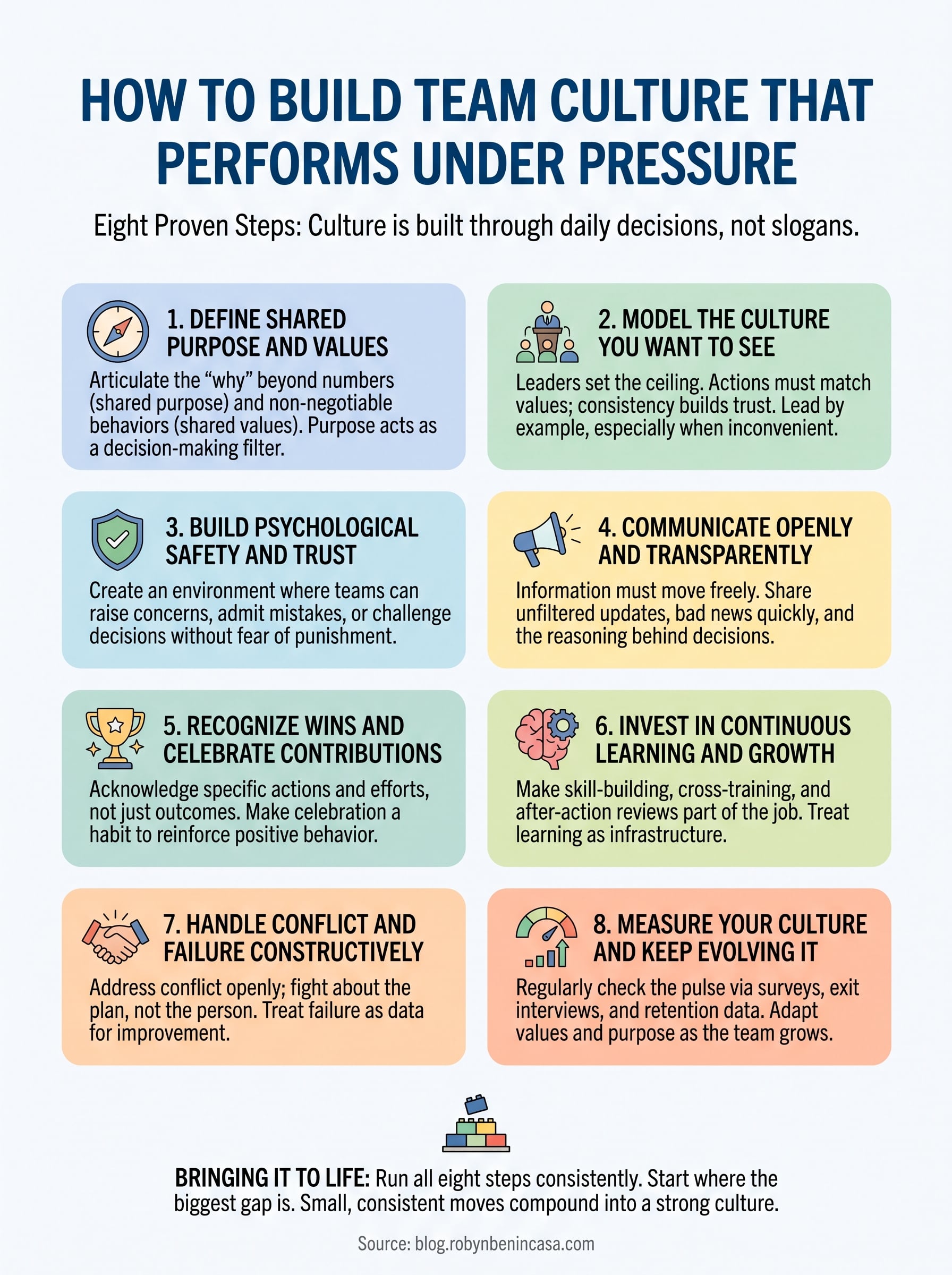
    What this improves for engagement

    Charters improve engagement by turning unspoken expectations into shared commitments. When people know what the team stands for and how it operates, they spend less energy on confusion and friction and more energy on the actual work. That clarity builds trust fast.

    How to run it so it sticks

    Facilitate the charter session with the whole team present, not just leaders. Each person should contribute at least one norm they personally care about. Write the final version on one page, post it where the team sees it daily, and review it every quarter to see if it still reflects how the team actually works.

    A charter nobody references is just a document. The review habit is what keeps it alive.
    Remote and hybrid options

    Use a shared digital workspace where the charter lives permanently and is easy to pull up during meetings. Tools like collaborative whiteboards let distributed teams co-create it in real time rather than passively receiving a document.

    Time, budget, and group size

    A charter session takes two to three hours and costs nothing beyond a facilitator’s time. It works for teams of five to fifty.
    Common mistakes to avoid

    The most common mistake is writing the charter without discussing the "why" behind each norm. When people understand the reasoning, they hold each other to it. Without the reasoning, norms feel arbitrary and get ignored within weeks.

    3. Make after-action reviews a standing habit

    An after-action review (AAR) is a structured conversation where your team examines what happened, why it happened, and what to do differently next time. This practice translates directly into team building for employee engagement because it gives people a regular opportunity to be heard and to see that their input actually changes how the team operates.

    What this improves for engagement

    AARs build engagement by turning project failures and wins into shared learning opportunities.

    When people see their observations drive real changes, they stop feeling like passive workers and start feeling like active contributors. That shift gives them genuine ownership over how the team operates, which is one of the strongest engagement drivers available.

    How to run it so it sticks

    Structure every AAR around three questions: What worked? What didn’t? What do we change? Assign someone to document the action items and report progress at the next team meeting. Written follow-through is what separates a useful AAR from a venting session.

    The format only works if leaders show up as equals, not as evaluators.

    Remote and hybrid options

    Run AARs on a shared video call with a live collaborative document everyone edits simultaneously. This keeps remote participants equally involved in shaping the outcome.

    Time, budget, and group size

    AARs cost nothing and take 30 minutes per project cycle. They work for teams of three to thirty.

    Common mistakes to avoid

    The most damaging mistake is letting AARs drift into blame sessions. Establish upfront that the goal is learning, not judgment.

    Skipping the follow-up is just as damaging because it signals to your team that the conversation was theater, not a real driver of meaningful change.

    4. Create a simple recognition rhythm that feels real

    Recognition is one of the most direct tools in team building for employee engagement, and most organizations do it poorly or not at all. The problem isn’t usually a lack of appreciation; it’s a lack of consistent structure that makes recognition feel predictable, fair, and meaningful rather than random or performative.

    What this improves for engagement

    Regular, specific recognition signals to your team that their work is seen and that it matters. That signal is one of the strongest drivers of sustained engagement because it connects individual effort to team-level outcomes people care about.

    How to run it so it sticks

    Pick a simple format and protect the time for it. A two-minute "wins" segment at the start of every weekly team meeting, where each person can name a colleague who made their work easier, is all you need. Keep it specific and behavioral, not generic praise.

    Specificity is what separates recognition that lands from recognition that sounds hollow.

    Remote and hybrid options

    A shared digital channel dedicated to recognition gives remote and in-person team members equal visibility to both give and receive acknowledgment. Post wins there in real time rather than saving them all for a scheduled meeting.

    Time, budget, and group size

    This costs nothing and takes under five minutes per week. It scales easily from teams of five to five hundred with the right channel structure in place.

    Common mistakes to avoid

    The most common failure is making recognition top-down only, where managers are the sole source of acknowledgment. Peer-to-peer recognition carries more weight and builds horizontal trust across the whole team.

    5. Run a cross-silo mission swap to break isolation

    Siloed teams disengage faster than almost any other organizational dynamic. A cross-silo mission swap is a team building for employee engagement strategy that puts two or more departments together for a defined period so they experience each other’s actual work, not a PowerPoint summary of it.

    What this improves for engagement

    This approach targets one of the deepest roots of disengagement: the feeling that no one outside your department understands or values what you do. When people shadow a different team, they return with genuine respect for their colleagues and a clearer sense of how their own work connects to the bigger mission.

    Shared context is the fastest shortcut to cross-department trust.

    How to run it so it sticks

    Pair one or two representatives from each team for a half-day or full-day observation. Give them a structured debrief prompt afterward: What surprised you? What would you do differently knowing what you now know? Share those answers in a joint meeting so the whole team benefits from what the representatives learned.

    Remote and hybrid options

    Virtual swaps work well when you set up live video shadowing sessions where one team walks another through their daily workflow in real time. Keep the session under three hours to hold attention across screens.

    Time, budget, and group size

    A mission swap takes one to two days total and costs nothing beyond people’s time. It works for teams of any size as long as you run it in small paired groups.

    Common mistakes to avoid

    The biggest mistake is running the swap without a structured debrief. Without that conversation, the experience stays personal and never transfers into team-wide behavior change.

    6. Use short constraint challenges with a real debrief

    A constraint challenge gives your team a tight time limit, limited resources, and a specific problem to solve together. The constraint is what makes this approach valuable for team building for employee engagement: pressure reveals how people actually communicate and support each other, not how they intend to.

    What this improves for engagement

    Constraint challenges expose your team’s real collaboration patterns in a low-stakes environment. People discover who steps up, who goes quiet, and who bridges gaps between strong personalities, and that self-awareness becomes the starting point for genuine behavioral change.

    How to run it so it sticks

    Give your team a clear problem and a 20-minute limit to solve it using only what’s in front of them. Run a structured debrief immediately after with three questions: What roles did people play? Who did you rely on? What would you do differently?

    The debrief is the actual activity. The challenge is just the data you collect.

    Remote and hybrid options

    Virtual constraint challenges work well with shared digital tools and a clearly defined deliverable. Assign a facilitator to keep time and ensure remote participants get equal airtime during the debrief rather than defaulting to the loudest voices in the room.

    Time, budget, and group size

    The full exercise takes 45 to 60 minutes and costs nothing beyond basic supplies. It works for groups of five to thirty.

    Common mistakes to avoid

    Skipping the debrief is the most common failure. Without structured reflection, the challenge produces entertainment, not insight, and your team walks away with no real shift in how they operate under pressure.

    7. Set conflict norms so tough conversations feel safe

    Most teams avoid conflict because nobody established ground rules for how disagreement should work. That silence is costly. When people suppress tension rather than address it, engagement drops quietly until someone either burns out or walks out. Setting conflict norms is a foundational piece of team building for employee engagement that most organizations skip entirely.

    What this improves for engagement

    Clear conflict norms give your team psychological safety without removing accountability. When people know the rules for disagreement, they raise real problems instead of hiding them, which keeps trust intact and prevents the slow erosion that unaddressed tension creates over time.

    How to run it so it sticks

    Facilitate a 30-minute session where your team agrees on specific behaviors for handling disagreement: how to raise an issue, how to respond without defensiveness, and when to loop in a third party. Write the norms down and add them to your team charter.

    The goal is not to eliminate conflict but to make it productive.

    Remote and hybrid options

    Run the session on a shared video call and capture the norms in a live collaborative document so every team member, regardless of location, contributes equally to what gets agreed upon.

    Time, budget, and group size

    This session takes 30 to 45 minutes and costs nothing. It works for any team size.

    Common mistakes to avoid

    The most common mistake is treating conflict norms as a one-time conversation. Revisit them when a real disagreement surfaces, because that is when the norms prove their value and either hold or collapse.

    Next steps

    These seven strategies give you a concrete toolkit for team building for employee engagement that goes well beyond the typical one-day event. Each approach works on its own, but the real compound effect comes when you stack them: a shared language from a keynote, reinforced by a charter, kept alive through AARs and recognition rhythms that your team actually trusts.

    Start with one. Pick the strategy that addresses your team’s most pressing gap right now and commit to running it properly, with a structured debrief and a follow-up plan. That single implementation will teach you more about your team’s real dynamics than a year of passive management ever will.

    When you’re ready to bring in an expert who has led teams through genuinely impossible conditions, explore Robyn Benincasa’s keynotes and workshops to find the right fit for your organization and get your team pulling in the same direction.

  • Change Management Plan Steps: How To Lead Change Smoothly

    Most organizational changes fail not because the strategy is wrong, but because the people executing it weren’t brought along for the journey. A brilliant restructuring plan means nothing if your teams resist it, misunderstand it, or simply wait it out. That’s where having clear change management plan steps makes the difference between transformation and chaos.

    I’ve spent decades leading teams through some of the most extreme environments on Earth, from world-championship adventure races to wildfire emergencies as a San Diego firefighter. What I’ve learned is this: change hits every team hard, whether you’re crossing a jungle or merging two departments. The teams that come out stronger aren’t the ones with the best plan on paper. They’re the ones with leaders who know how to rally people through uncertainty, step by step.

    This guide breaks down a practical, proven framework for building and executing a change management plan that actually works. You’ll walk away with concrete steps you can apply immediately, whether you’re navigating a merger, rolling out new technology, or reshaping your organization’s culture from the inside out. No theory for theory’s sake. Just the steps that move teams from resistance to results.

    What a change management plan is and what to include

    A change management plan is a structured document that guides your organization from its current state to a clearly defined future state. It’s not just a project timeline or a communication memo. Think of it as the operating system for your transition: it defines the change itself, identifies who is affected, explains how you will train and support people, and establishes clear measures for success. Without one, even well-resourced initiatives stall under the weight of confusion and resistance.

    A change management plan gives everyone on your team the same map so no one gets lost during the transition.

    The core components every plan needs

    Your plan needs to address several distinct areas to be effective. Leaving any one of them out creates a gap that resistance will fill quickly. Each component builds on the last, which is why the change management plan steps in this guide follow a deliberate sequence. Here is what a complete plan should include:

    Component What it covers
    Change definition What is changing, why it matters, and what success looks like
    Stakeholder map Who is affected, their influence level, and their likely resistance
    Risk assessment What could go wrong and how you will respond
    Communication plan What messages go out, to whom, when, and through which channels
    Training plan What skills people need and how you will deliver them
    Implementation timeline Milestones, owners, and deadlines
    Metrics and feedback loops How you will measure progress and course-correct

    Why completeness matters

    Many leaders build only part of this plan, typically the timeline and the communication piece, then wonder why adoption stalls. People resist change for different reasons. Some lack information, others lack skills, and others distrust the process. A complete plan addresses all three sources of resistance before they derail your rollout.

    Your plan also needs to be a living document, not something you create once and file away. Build in regular checkpoints to review progress and update assumptions as reality evolves. Teams that treat the plan as fixed fall behind when conditions shift mid-execution.

    Step 1. Define the change, the why, and success metrics

    Before you build any other part of your change management plan steps, you need to anchor the entire effort in a clear definition. Write down exactly what is changing, what is not changing, and why this change is necessary right now. When people understand the "why" behind a decision, resistance drops significantly because the change no longer feels arbitrary or top-down.

    The clearest signal that a change initiative is in trouble is when frontline employees cannot articulate why the change is happening.

    Write the change statement

    A change statement forces you to put the scope into plain language your entire workforce can understand. Keep it to three to five sentences, and test it by reading it to someone outside the project. If they cannot explain it back to you, rewrite it until they can. Use this template to get started:

    • What is changing: [Describe the specific change in one sentence]
    • What is not changing: [Name at least one constant to reduce anxiety]
    • Why now: [State the business driver or external pressure]
    • Who it primarily affects: [Name the teams or roles involved]

    Define success before you start

    Setting measurable success metrics at this stage prevents the common trap of declaring victory too early or too late. Decide on two to four outcomes you will track, such as adoption rate at 90 days or employee confidence scores. Concrete numbers give your team a shared finish line to work toward together.

    Common metrics to track:

    • Adoption rate at 30, 60, and 90 days
    • Employee confidence scores from pulse surveys
    • Productivity output compared to a pre-change baseline
    • Time to full proficiency for affected roles

    Step 2. Build the team, map stakeholders, and assess risk

    No change management plan steps succeed without the right people driving them. Identify your core change team first, assigning a dedicated change lead, a project manager, and department champions who can carry the message into their specific areas. Each person needs a defined role with clear accountability, not just a title on a slide.

    The fastest way to stall an initiative is to assume everyone on the team knows what they own.

    Assign clear roles to your change team

    Use this simple RACI-style assignment to lock in accountability before you move forward:

    Role Responsibility
    Change lead Owns the overall plan and executive communication
    Project manager Tracks milestones, dependencies, and deadlines
    Department champion Translates the change for their team and surfaces resistance
    HR partner Manages training logistics and workforce impact

    Fill every row on this table before your team holds its first working session.

    Map stakeholders and assess risk

    List every group the change affects, then rate each on two dimensions: how much influence they hold and how resistant you expect them to be. High-influence, high-resistance stakeholders need your personal attention early. Anticipating resistance before launch gives you time to address concerns rather than react to them mid-rollout. For each high-risk stakeholder, document one specific action you will take to build their buy-in.

    Step 3. Create the plan and timeline people can follow

    With your team assigned and your stakeholders mapped, you are ready to turn the change management plan steps into a concrete schedule. A vague roadmap creates ambiguity, and ambiguity creates anxiety. People need to see exactly what happens, in what order, and who owns each piece.

    A timeline without named owners is just a wish list.

    Break the work into phases

    Dividing the work into three distinct phases makes the overall effort feel manageable and keeps your team from trying to do everything at once. Name each phase clearly so anyone in the organization can orient themselves quickly:

    Phase Focus Typical duration
    Preparation Finalize team, complete training materials, confirm systems Weeks 1-4
    Launch Roll out change to affected groups in planned sequence Weeks 5-8
    Stabilization Monitor adoption, address gaps, reinforce new behaviors Weeks 9-16

    Build a milestone timeline

    Each milestone needs a specific due date and a single owner, not a committee. Use this template to document your critical path:

    • Milestone: [Name the deliverable]
    • Owner: [One person’s name]
    • Due date: [Specific calendar date]
    • Status: [Not started / In progress / Complete]

    Fill in one row for every major deliverable before your launch phase begins. Tracking status weekly keeps the team honest and surfaces delays before they cascade.

    Step 4. Communicate, train, implement, and remove barriers

    Your plan is only as strong as your ability to execute it with people, not just at them. This is where most change management plan steps break down: leaders communicate once, train minimally, then push forward expecting adoption. Resistance at this stage is almost always a signal that people need more information or more support, not more pressure.

    Telling people about a change once is not communicating. Communicating means delivering the right message, through the right channel, until the behavior shifts.

    Sequence your communication

    Send messages in layers: leaders first, then managers, then frontline employees, in that order. This gives managers time to process the change before their teams ask questions. Use this communication sequence as your template:

    • Week 1: Executive announcement to all leaders with the change statement and rationale
    • Week 2: Manager briefing with talking points and a prepared FAQ document
    • Week 3: Frontline rollout through team meetings and direct manager conversations
    • Ongoing: Weekly updates via email or intranet through the stabilization phase

    Remove barriers in real time

    Training should begin before go-live, not after. Identify the two or three skill gaps your most-affected roles face, then build short, focused sessions around those specific gaps rather than broad awareness training. Once you launch, assign one person to log every reported barrier so nothing gets overlooked. Review that list weekly and resolve each item before it compounds into larger resistance.

    Keep it going

    Following these change management plan steps gets you through launch, but sustaining the change is where real transformation happens. Most organizations declare success the moment the new system goes live or the new process rolls out. That is too early. Hold a structured 30-day review, a 60-day review, and a 90-day review with your change team. Measure adoption against the metrics you set in Step 1, and surface any gaps before they harden into habits that undermine your results.

    Your job as a leader does not end at implementation. Reinforce new behaviors publicly by recognizing teams and individuals who are embracing the change. Remove any remaining barriers quickly, because slow follow-through signals to your organization that the change was optional. The teams that sustain change treat it as a continuous effort, not a single event with a fixed end date.

    Ready to build a team that can navigate any challenge together? Explore Robyn Benincasa’s leadership keynotes and programs to bring this framework to your organization.

  • The Complete Guide To Change Management Strategy Consulting

    Most organizational transformations fail. Not because the strategy was wrong, but because the people executing it weren’t equipped to move through it together. Mergers stall. Restructures create chaos. New initiatives die quiet deaths in conference rooms. When leaders recognize they need help, they turn to change management strategy consulting, and the quality of that decision shapes everything that follows.

    But here’s what most guides won’t tell you: change management isn’t a spreadsheet exercise. It’s a human one. At Robyn Benincasa, we’ve spent decades studying what makes teams perform under extreme pressure, from world-championship adventure races to active fire lines, and we’ve brought those lessons directly into organizations navigating major strategic transitions. The pattern is always the same. When people trust each other and operate as a true unit, change becomes fuel instead of friction.

    This guide breaks down what change management strategy consultants actually do, how to evaluate whether your organization needs one, and which firms and approaches deliver real results. Whether you’re leading a post-merger integration, rolling out a company-wide cultural shift, or trying to align departments that have been operating in silos for years, you’ll walk away with a clear framework for choosing the right partner and getting the transformation right.

    What change management strategy consulting covers

    Change management strategy consulting covers far more than issuing memos and running all-hands meetings. At its core, it is the structured discipline of helping an organization shift from one state to another, whether that’s a new operating model, a post-merger integration, a technology rollout, or a full cultural reset, while keeping people engaged, capable, and aligned throughout the transition. Consultants in this space work at the intersection of strategy and human behavior, which is exactly why most internal teams struggle to handle large-scale change without outside support.

    The single biggest driver of failed transformations is not a flawed strategy. It’s the gap between announcing change and actually embedding it into how people work every day.

    Organizational readiness and diagnostics

    Before any change plan goes into motion, a qualified consultant will assess where your organization actually stands, not where leadership assumes it stands. This involves structured diagnostics: stakeholder interviews, cultural audits, engagement surveys, and process mapping to identify the gaps between your current state and your target state. This phase is where most organizations move too quickly, and the cost of that shortcut shows up later in resistance, confusion, and stalled adoption.

    The diagnostic phase also surfaces resistance patterns before they escalate into serious roadblocks. A strong consultant identifies which teams carry the most risk during the transition and builds that intelligence directly into the change architecture from day one, rather than treating it as something to deal with after problems appear.

    Change strategy design and roadmap development

    Once the diagnostic picture is clear, consultants move into designing the actual change strategy: the sequencing of interventions, the communication framework, the leadership enablement plan, and the metrics that confirm whether adoption is actually happening. This is not a generic template. An effective change strategy accounts for your specific culture, history, and organizational dynamics, including any previous transformation efforts that left people skeptical.

    The roadmap built during this phase becomes your operating guide for the entire engagement. It defines who does what, when, and why, and gives every layer of leadership a clear role in carrying the change forward rather than simply managing it from a distance.

    Stakeholder engagement and communication

    People support what they help build. That principle drives the stakeholder engagement work inside change management strategy consulting. Consultants identify key influencer groups across your organization, from frontline managers to mid-level leaders to executive sponsors, and design targeted engagement strategies for each. The goal is to move people from passive recipients of a decision to active participants in shaping the new state.

    Communication planning is a core deliverable here, covering message architecture, channel selection, and timing so the right people hear the right information at the right point in the change curve. Without this structure, even well-designed strategies lose momentum because people fill the information void with assumptions.

    Sustainment and capability building

    Change management does not end when the announcement is made or when a new system goes live. Sustainment is the work of making the change stick: reinforcing new behaviors, measuring adoption, removing barriers, and building internal capability so your organization can handle future changes with less external support. This is where the real return on the engagement lives.

    Coaching, leadership development, and team performance work all live in this phase, because the organizations that navigate change most successfully are not just restructuring processes. They are building the organizational muscle to move through uncertainty together, so that the next transition requires less firefighting and more deliberate, confident execution.

    Why organizations invest in change consulting

    Organizations rarely hire change management strategy consulting firms because they lack smart people internally. They hire them because smart internal people are already running at capacity, and managing complex transformations on top of existing responsibilities causes both to suffer. The investment comes down to a straightforward calculation: the cost of doing it wrong significantly exceeds the cost of bringing in the right support.

    The real price of unmanaged change

    When organizations attempt large-scale change without structured support, the damage shows up in predictable ways. Productivity drops as employees navigate ambiguity without clear direction. Turnover spikes as top performers, who always have options, decide the instability isn’t worth staying for. Projects run over budget not because of technical failures, but because human adoption was never treated as a workstream with its own plan.

    Research from McKinsey consistently shows that roughly 70% of transformation programs fail to meet their goals, and the root cause is almost always people-related, not strategy-related.

    Unmanaged resistance compounds quickly. What starts as hesitation in one department becomes active friction across teams, and by the time leadership notices, months of momentum have been lost and rebuilding trust costs far more than the original consulting investment would have.

    Speed and objectivity your internal team can’t replicate

    An external consultant brings two things that are nearly impossible to manufacture internally: speed of diagnosis and genuine objectivity. Internal leaders carry the weight of relationships, history, and politics. They know which conversations to avoid and which tensions to work around. A skilled external partner walks in without those constraints and can surface the real blockers quickly, without the social cost of being a permanent member of the organization.

    Your internal teams also build the change in real time while still running day-to-day operations. That split focus slows adoption and increases errors at exactly the moment when clarity matters most.

    Capability that stays after the engagement ends

    The most forward-thinking organizations don’t bring in consultants to solve one problem. They use the engagement to build internal muscle so future transitions require less outside help. A well-structured consulting engagement leaves your organization with:

    • Reusable frameworks for diagnosing and planning future changes
    • Leaders who can model the behaviors that sustain transformation
    • Measurement systems that track adoption, not just activity
    • A shared language for change that reduces confusion when the next disruption arrives

    Core services and deliverables you should expect

    When you engage a change management strategy consulting firm, you should receive concrete, documented deliverables at each phase, not just facilitated conversations and slide decks. A proposal that lacks specifics on deliverables is a warning sign. Push any prospective partner to map exactly what you will hold in your hands at the end of each phase, and how each deliverable connects to measurable outcomes.

    Leadership alignment programs

    Leadership alignment is the first deliverable that separates capable firms from superficial ones. Your senior leaders need more than a briefing on the change. They need structured sessions that build shared commitment to the vision, surface disagreements before those disagreements become public friction, and equip each leader with the specific behaviors and messages that reinforce the change at every level of the organization.

    Strong firms deliver this through a combination of executive workshops, one-on-one coaching, and alignment scorecards that track whether your leadership team is actually moving in the same direction. Without this foundation, every downstream effort fragments because employees read conflicting signals from the top.

    Training and capability development

    Your people cannot adopt a new way of working if they haven’t been given the skills to do it. A solid change consulting engagement includes role-specific training that covers not just the technical requirements of the change but the behavioral and mindset shifts that make it sustainable. This means custom content built around your actual workflows, not recycled modules from a prior client.

    The organizations that sustain change longest are the ones that invest in building internal capability during the engagement, not just managing the transition from the outside.

    Expect a capable firm to deliver facilitator guides, manager toolkits, and reinforcement materials your team can use long after the engagement closes. That content becomes a reusable organizational asset.

    Measurement frameworks and adoption reporting

    You cannot manage what you don’t measure, and adoption reporting is one of the most underdelivered services in change management despite being one of the most valuable. A strong partner builds a measurement framework that tracks leading indicators, such as manager communication frequency and training completion rates, alongside lagging indicators like productivity, retention, and employee sentiment.

    This reporting moves change management out of the abstract and into your operational rhythm. When you can show leadership a weekly adoption dashboard tied to business outcomes, the conversation shifts from "how is the change going?" to "what specific action do we take next?", and that shift is where real progress happens.

    How to run a change strategy engagement end to end

    Running a change strategy engagement well requires clear sequencing and disciplined handoffs at every phase. Most organizations rush the early work and overspend resources recovering from misalignment downstream. Whether you’re working with a change management strategy consulting partner or running a hybrid model with internal support, the structure of how you move through the engagement determines whether you finish with real adoption or just completed activities.

    Phase 1: Align leadership before you communicate anything

    Leadership alignment is not the first meeting you schedule. It is the first deliverable you protect, because every communication you send to the broader organization carries the credibility of the leaders who endorse it. Before any announcement goes out, your senior team needs to reach genuine agreement on the scope of the change, the timeline, and the specific behaviors they will each model throughout the process.

    If your leadership team is not visibly aligned, your employees will not trust the change, regardless of how well the rest of the plan is executed.

    This phase should produce a shared leadership commitment document that captures the decisions made, the rationale, and the role each leader plays going forward. That document becomes the reference point every time a message gets drafted, a tough question surfaces, or a leader needs to address their team directly.

    Phase 2: Build the plan with the people who will execute it

    Once leadership is aligned, bring key manager-level stakeholders into the planning process before the rollout begins. This step consistently gets skipped in favor of speed, and it consistently costs more time than it saves. Managers who help shape the change plan carry it forward with conviction rather than compliance.

    Your planning process at this stage should cover:

    • Communication schedule with owner, channel, and audience for each message
    • Training sequencing tied to when each role group needs to perform new behaviors
    • Escalation paths so managers know where to send questions they can’t answer

    Phase 3: Measure and adjust in real time

    The final phase of a well-run engagement is not a closing presentation. It is an active feedback loop that runs throughout the entire transition. Set up a cadence of weekly adoption check-ins, manager pulse surveys, and leadership reporting so you can identify where the change is gaining traction and where specific groups need additional support before resistance hardens.

    Treat your measurement data as a decision-making tool, not a reporting obligation. When you see a dip in adoption for a particular team or workflow, act on it within the same week, not the next quarterly review.

    How to evaluate firms and pick the right partner

    Choosing the wrong change management strategy consulting firm costs more than money. It costs time, trust, and organizational momentum that takes years to rebuild. The evaluation process deserves the same rigor you would apply to any major strategic investment. Most organizations default to selecting the biggest name or the lowest bid, and both shortcuts produce predictable disappointment when the rubber meets the road.

    Look at track record in your specific context

    Every firm will show you a client list. What matters is whether their experience maps to your specific type of change, not just their general consulting pedigree. A firm that has executed dozens of technology implementations may struggle with a cultural transformation following a merger, because the human dynamics are completely different. Ask for case studies that mirror your situation, including the industry, the scale of the change, and the primary obstacle they were hired to address.

    The right partner has solved a version of your problem before, not just a version of someone else’s.

    When you review those case studies, push past the headline results and ask specifically what went wrong mid-engagement and how the team responded. Every transformation hits unexpected friction. The firms worth hiring are the ones who tell you about those moments honestly and walk you through their course corrections.

    Ask the right questions before you sign anything

    Before you commit to any firm, run a structured evaluation conversation that covers the areas most organizations skip. The quality of a firm’s questions tells you as much as the quality of their answers, because the best consultants diagnose before they prescribe. If a firm arrives at the first conversation with a solution already in hand, that is a signal they are selling a product rather than solving your specific problem.

    Build your evaluation around these questions:

    • Who specifically will be on your account day to day, not just the senior partner presenting in the pitch?
    • What does their measurement framework look like, and how will they define adoption success?
    • How do they handle leadership resistance when a senior stakeholder goes off-script during the rollout?
    • What do they leave behind when the engagement closes, in terms of tools, frameworks, and internal capability?

    Your final decision should balance demonstrated expertise, cultural fit, and a delivery model that integrates with your internal team rather than running parallel to it.

    Where to go from here

    You now have a complete picture of what change management strategy consulting involves, what it costs to skip it, and how to evaluate the firms that deliver it well. The difference between organizations that come through major transitions stronger and those that come out fractured almost always traces back to one decision made early: whether to treat change as a communication problem or a human performance problem.

    Real transformation requires more than a rollout plan. It requires building the kind of trust and team cohesion that holds under pressure, the same principles that drive performance in extreme environments and in high-stakes corporate ones. If your organization is preparing for a major shift and you want a partner who brings both rigorous frameworks and real-world experience in human performance, explore how Robyn Benincasa helps leadership teams build the culture that drives lasting change.

  • 5 Peak Performance Habits That Build High-Performing Teams

    Most advice about peak performance habits focuses on what individuals can do alone, wake up earlier, journal more, optimize your morning routine. That’s fine for solo productivity, but it misses the bigger picture. The habits that matter most are the ones that multiply across an entire team, turning a group of talented individuals into something far greater than the sum of their parts.

    I’ve seen this firsthand. As a world champion adventure racer and San Diego firefighter, I’ve spent decades operating in environments where team performance isn’t a nice-to-have, it’s a survival requirement. Whether hauling gear through the Amazon rainforest for ten straight days or breaching a burning structure, I’ve learned that the difference between teams that win and teams that collapse comes down to specific, repeatable habits practiced day in and day out.

    Those same habits translate directly to the corporate teams I work with through my keynotes and workshops. The organizations that sustain excellence, through mergers, market shifts, and aggressive growth targets, aren’t relying on luck or individual heroics. They’re building habits into their culture that keep everyone performing at their peak, together. Here are five that consistently separate high-performing teams from the rest.

    1. Build a win as one operating rhythm

    Most teams operate as a collection of individuals running parallel tracks. They share a goal on paper, but daily decisions and priorities stay siloed by department, function, or personal agenda. A "win as one" operating rhythm breaks that pattern by creating shared checkpoints where your whole team aligns around a single mission before the week gets away from you.

    What this habit looks like on a real team

    In adventure racing, before every major stage, the team huddles to confirm roles, read conditions, and reset shared expectations. Corporate teams that adopt this habit hold a brief weekly alignment session where every member states one thing they need from a teammate and one thing they are delivering that week. This creates visible mutual accountability that no annual goal-setting process or performance review can replicate on its own.

    How to build the habit in 15 minutes a day

    Start with a standing Monday check-in, capped at 15 minutes. Each person answers three questions: What is your top priority this week? What do you need from the team? Where are you currently stuck? Keep it tight, keep it consistent. This is one of the simplest peak performance habits you can install without adding overhead to anyone’s calendar, and it works precisely because the structure never changes.

    The goal is not to report progress. The goal is to surface dependencies before they become bottlenecks.

    What to measure so it sticks

    Track two numbers: how often the check-in actually happens (consistency beats perfection every time) and how many cross-team blockers get resolved during the meeting versus after it. When you start seeing blockers resolved in the room instead of through a three-day email thread, the habit has taken root.

    Common failure points and how to fix them

    The most common reason this habit collapses is a leader who skips the meeting when things get busy, which signals to the team that alignment is optional when it matters most. Fix this by rotating the facilitator role so no single person’s absence kills the rhythm. Keep the format identical every week so your team builds muscle memory instead of spending energy figuring out what the meeting is actually for.

    2. Protect deep work with a visible team calendar

    Constant interruptions are one of the fastest ways to erode team output and individual focus. When your calendar has no protected zones, every urgent request from a colleague pulls people out of the deep thinking your most complex work requires. Making focus time a shared team commitment rather than a personal preference is one of the peak performance habits that pays off immediately in better-quality work.

    What this habit looks like on a real team

    High-performing teams block two to three shared "no-meeting" windows each week on a calendar everyone can see. These windows protect the hours where real, concentrated work gets done, and individual contributors stop losing their best cognitive hours to back-to-back meetings.

    When focus time is visible to the whole team, respecting it becomes a group norm rather than a personal negotiation.

    How to build the habit in 15 minutes a day

    Spend 15 minutes at the start of each week reviewing your shared team calendar and confirming all protected blocks remain intact. Flag any meeting requests that land inside a focus window and reschedule them immediately rather than letting exceptions pile up.

    What to measure so it sticks

    Track the number of uninterrupted focus blocks completed per person each week. When that number climbs consistently, output quality and on-time delivery tend to follow.

    Common failure points and how to fix them

    Teams abandon this habit when senior leaders schedule over protected blocks without explanation. Fix this by securing explicit leadership buy-in before you launch the calendar, and treat every violation as a conversation worth having, not a silent exception.

    3. Run short after action reviews every week

    After action reviews (AARs) are one of the most underused peak performance habits in corporate teams. The military runs them after every mission. Adventure racing teams run them at every checkpoint. Your team should run a short version every single week, because waiting until a project ends to reflect on what went wrong means you repeat the same mistakes for months.

    What this habit looks like on a real team

    A weekly AAR takes 15 minutes and covers three straightforward questions: What worked this week? What didn’t? What changes next week? Teams that run this consistently build a habit of honest, forward-facing reflection that stops the same problems from recycling across quarters.

    A five-minute honest debrief prevents a five-week fire drill.

    How to build the habit in 15 minutes a day

    Run your AAR at the close of Friday’s standup or fold it into your Monday alignment check-in. Keep it verbal and structured. Assign one person to capture the single change your team commits to making, and open the next meeting by confirming whether you actually followed through.

    What to measure so it sticks

    Track how many committed changes carry into the following week. When that number climbs, your team is learning faster and adapting in real time rather than compiling lessons nobody reads.

    Common failure points and how to fix them

    Most AARs collapse because they drift into blame sessions. Fix this by framing every question around process and systems, not individual behavior. When people stop feeling targeted or defensive, honest answers replace polished ones.

    4. Practice candid communication before conflict grows

    Unspoken frustration is one of the most predictable causes of team breakdown. When people hold back concerns to avoid uncomfortable conversations, small issues compound quietly until they explode at the worst possible moment. Building candid communication as a regular habit keeps problems small and keeps trust intact.

    Conflict doesn’t start loud. It starts with the conversation nobody wanted to have first.

    What this habit looks like on a real team

    High-performing teams treat honest feedback as routine maintenance, not emergency repair. Team members raise concerns early, directly, and without drama. On adventure racing teams, voicing a problem at mile five prevents a crisis at mile fifty. Your team runs the same risk when unresolved tension sits under the surface through an entire product cycle or quarter.

    How to build the habit in 15 minutes a day

    Reserve two minutes at the end of your weekly check-in for one question: "Is there anything we’re not saying that we should be?" This prompt normalizes candor without requiring anyone to call out a specific person. Keep the space calm and judgment-free so the habit actually holds.

    What to measure so it sticks

    Track how many concerns get raised during structured meetings versus how many surface during a crisis. When the ratio shifts toward early conversations, your team is building one of the most durable peak performance habits available.

    Common failure points and how to fix them

    This habit dies when leaders react defensively to honest input, which teaches the team that candor is punished. Fix this by responding to every raised concern with curiosity first. Ask a follow-up question before offering a rebuttal, and your team will keep the door open instead of quietly closing it.

    5. Set energy standards that prevent burnout

    High-performing teams treat energy management as one of the most overlooked peak performance habits on any roster. They protect energy as a team resource, not just a personal concern, because depleted people make poor decisions, communicate poorly, and eventually disengage entirely. Setting energy standards means your team agrees on shared norms around workload, recovery, and sustainable output before anyone hits the wall.

    What this habit looks like on a real team

    Teams that sustain high performance treat recovery as a performance variable, not a personal weakness. They set explicit expectations around response times after hours, maximum back-to-back meeting runs, and what "urgent" actually means. This shared contract keeps energy levels stable across the whole team rather than quietly burning through your strongest contributors.

    How to build the habit in 15 minutes a day

    Spend 15 minutes this week drafting three to five energy agreements with your team. Examples include no messages after 7pm, a hard cap on consecutive meeting hours, and one fully meeting-free afternoon per week. Post these agreements where everyone can see them and revisit them quarterly.

    Sustainable output is a team design choice, not a personal willpower challenge.

    What to measure so it sticks

    Track voluntary overtime hours and self-reported energy levels in your weekly check-in. When those numbers start creeping up consistently, that’s your signal to reopen the energy agreement before burnout sets in.

    Common failure points and how to fix them

    This habit fails when leaders exempt themselves from the energy agreements they helped create. Your team watches what you do, not what you say. Model the standards yourself, and your team will follow and protect them without needing reminders.

    Next steps to try this week

    You don’t need to implement all five peak performance habits at once. Pick one, run it consistently for two weeks, and measure what changes. Start with the Monday alignment check-in since it costs 15 minutes and immediately surfaces the dependencies that slow your team down. Once that rhythm feels natural, layer in your shared focus calendar and your weekly after-action review.

    These habits only compound when your team treats them as non-negotiable operating standards, not optional improvements to try when things get slow. The teams I’ve worked with that build these practices into their weekly rhythm stop relying on individual heroics and start relying on each other. That shift is where real, sustained performance lives.

    If you want to go deeper on building a team culture that can handle pressure, change, and big goals without burning out, explore Robyn Benincasa’s keynotes and workshops and find the right program for your team.

  • ACMP Standard for Change Management: 2nd Edition Explained

    Every organizational change initiative lives or dies by how well people adopt it. That’s true whether you’re merging two companies, restructuring a sales team, or rolling out a new operating model. The ACMP Standard for Change Management exists to give practitioners a structured, repeatable framework for getting change right, and its 2nd Edition raises the bar significantly from where the profession started.

    At Robyn Benincasa’s core, we help organizations build the kind of team cohesion and leadership resilience that makes change stick. Drawing from world-championship adventure racing and decades of firefighting, Robyn knows firsthand that even the best-designed plan falls apart without people who are aligned, committed, and equipped to move together. That’s exactly the gap the ACMP Standard aims to close, providing a common language and process for managing the human side of transformation.

    This article breaks down what the 2nd Edition contains, how it’s organized, and why it matters for leaders who are responsible for driving real adoption across their organizations. Whether you’re new to the standard or evaluating how it fits your current change efforts, you’ll walk away with a clear understanding of its principles, structure, and practical applications.

    Why the ACMP Standard matters in modern change

    Organizations fail at change more often than they succeed. Research from multiple industry surveys consistently puts the failure rate of major change initiatives between 60% and 70%, and the root cause is almost always the same: the human side of the equation gets underestimated. The acmp standard for change management addresses this directly by giving practitioners a research-backed framework that treats people adoption as a discipline, not an afterthought.

    A shared language across teams and functions

    One of the biggest barriers to effective change is that different departments speak different dialects when it comes to transformation. HR talks about culture, IT talks about implementation, and leadership talks about strategy. Without a common framework, these conversations rarely connect. The ACMP Standard provides a unified vocabulary and process model that aligns everyone involved, from the project manager executing a rollout to the executive sponsor setting direction.

    When every stakeholder uses the same definitions and process steps, alignment happens faster and miscommunication costs less.

    A professional benchmark for practitioners

    Before standards like this existed, change management lived in a gray zone between project management, HR, and organizational development. Practitioners had no agreed-upon baseline for what "good" looked like. The ACMP Standard fills that gap by establishing what competent change practice actually requires, covering everything from stakeholder engagement to measuring outcomes. This matters for you as a leader because it gives you a way to evaluate whether your change function is set up to succeed or just going through the motions.

    Your organization’s ability to sustain growth and navigate disruption depends on how well your people move through uncertainty together. A credible standard gives your change efforts a structure that scales, regardless of the size or complexity of what you’re asking your teams to do.

    What changed in the 2nd Edition and what didn’t

    The 2nd Edition of the ACMP Standard for Change Management was published to reflect how the profession had matured since the first edition. It incorporates broader input from practitioners worldwide and sharpens the focus on outcomes rather than just activities, making it more applicable across different industries and organizational sizes.

    What the 2nd Edition updated

    The most significant update is the clearer articulation of change management roles and how they connect to organizational governance. The 2nd Edition also expands guidance on measuring change success, giving you concrete criteria to assess whether your initiative is actually landing with the people it affects.

    Measuring adoption outcomes, not just completion milestones, is what separates effective change management from checkbox compliance.

    What stayed the same

    The core process model and its foundational principles remain intact from the first edition. The acmp standard for change management still organizes practice around the same essential domains, and the emphasis on people-centered change has not shifted. If you learned the first edition, you’re not starting over. You’re building on a structure that remains sound, with additional clarity layered on top of it.

    The building blocks of the ACMP Standard

    The acmp standard for change management organizes practice into five core process domains. These domains give you a clear sequence to follow, from defining what the change actually involves all the way through closing out the effort once adoption is confirmed. Each domain connects to the next, so skipping one creates gaps that compound downstream.

    Treating these domains as a sequence rather than a checklist is what keeps your change effort coherent from start to finish.

    The five process domains

    Each domain represents a distinct phase of change management work, and together they form a complete operating model for practitioners.

    Domain What it covers
    Define Change Scope, objectives, and sponsorship
    Evaluate Change Impact Readiness assessment and impact analysis
    Formulate Strategy Communication, training, and engagement plans
    Execute the Plan Deploying change activities across the organization
    Close the Effort Measuring adoption and transferring ownership

    How the domains connect to outcomes

    Your organization’s change results depend on how well you execute across all five domains, not just the visible ones like communication and training. The domains behind the scenes, particularly impact evaluation and strategy formulation, determine whether your visible activities actually reach the right people with the right support at the right time.

    How to apply the ACMP Standard in your organization

    Applying the acmp standard for change management starts with an honest assessment of where your organization currently stands. Before you map your change effort to the five process domains, you need to know what change management capacity already exists inside your teams and where the gaps are. That baseline shapes how much support, training, and governance structure you’ll need to put in place.

    Start with sponsorship and scope

    Sponsorship is the single factor that most reliably predicts whether a change initiative succeeds or stalls. Before any planning work begins, identify who owns the change at the executive level and confirm that person has a clear mandate and visible commitment to the outcome. Without that anchor, even a well-structured plan loses momentum when competing priorities surface.

    A sponsor who stays visible and engaged throughout the effort gives your team the organizational cover to move quickly and make hard decisions.

    Match your depth of practice to the size of the change

    Not every initiative requires the same level of rigor. Smaller changes may need a lighter application of the standard’s domains, while large-scale transformations demand full engagement across all five domains. Calibrating your effort to the scope keeps your change management resources focused where they create the most impact.

    Common questions and misconceptions about ACMP and CCMP

    Practitioners new to the field often conflate the ACMP Standard for change management with the CCMP certification, treating them as interchangeable. They are related but serve different purposes, and mixing them up leads to unnecessary confusion about what your organization actually needs to get started.

    Is CCMP the same as the ACMP Standard?

    The CCMP (Certified Change Management Professional) is a credential that ACMP awards to practitioners who demonstrate competency applying the standard. The standard itself is a publicly accessible framework that any organization can adopt regardless of whether anyone on your team holds a certification. You don’t need to pursue the credential to start using the framework inside your teams.

    The standard is the map; the CCMP is proof that you know how to read it.

    Does the ACMP Standard replace project management?

    Change management and project management address different problems. Project management tracks tasks, timelines, and budgets. The acmp standard for change management focuses on human adoption and organizational readiness. Both are necessary for a successful initiative, and neither replaces the other. Treating them as competing disciplines is one of the most common mistakes organizations make when building out a change function.

    Key takeaways

    The acmp standard for change management gives your organization a structured, repeatable way to handle the human side of transformation. At its core, the standard works because it treats people adoption as a discipline with defined domains, measurable outcomes, and clear roles from start to finish.

    Applying the 2nd Edition starts with honest self-assessment: know your current change capacity, lock in visible executive sponsorship early, and match the depth of your practice to the actual scope of your initiative. The CCMP credential and the standard are related but not the same thing, and you don’t need a certification to start benefiting from the framework today.

    Change initiatives fail when the human element gets treated as secondary to the technical plan. The standard exists to prevent exactly that. If your organization is ready to build the kind of team alignment that turns strategy into results, explore how Robyn Benincasa’s leadership programs can support your next transformation.