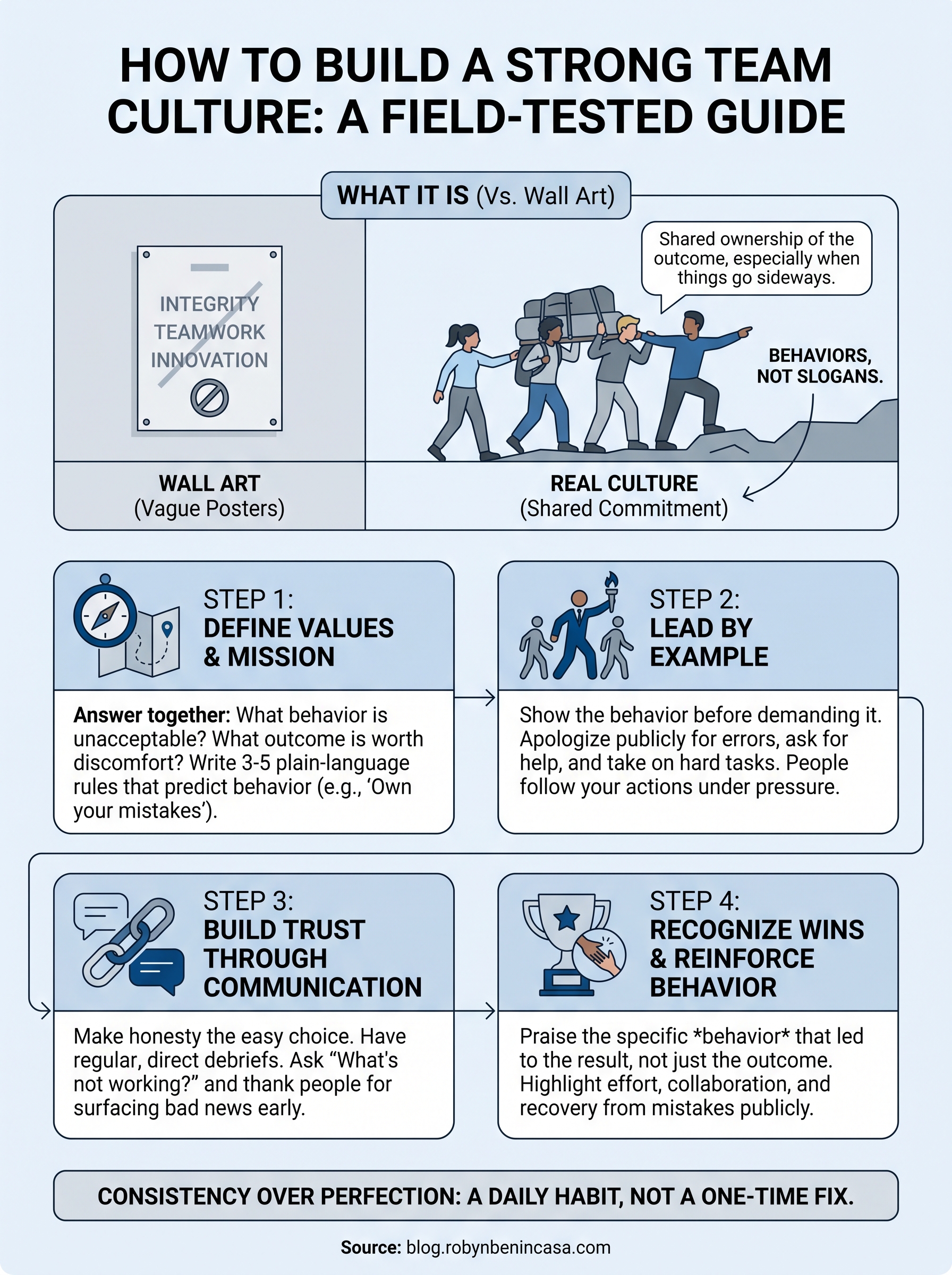
Author: admin

  • 10 Good Motivational Speakers Worth Hearing

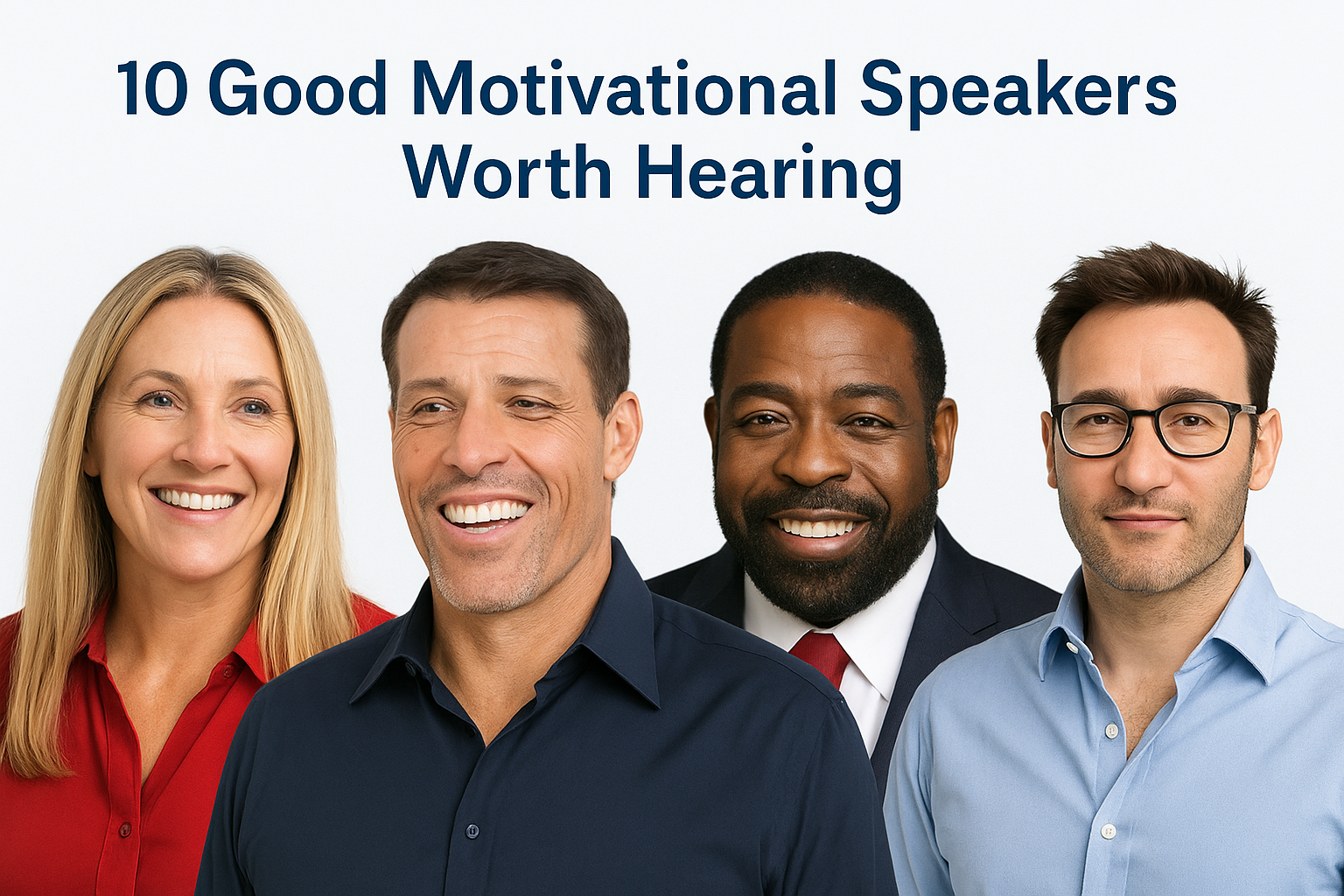
    10 Good Motivational Speakers Worth Hearing

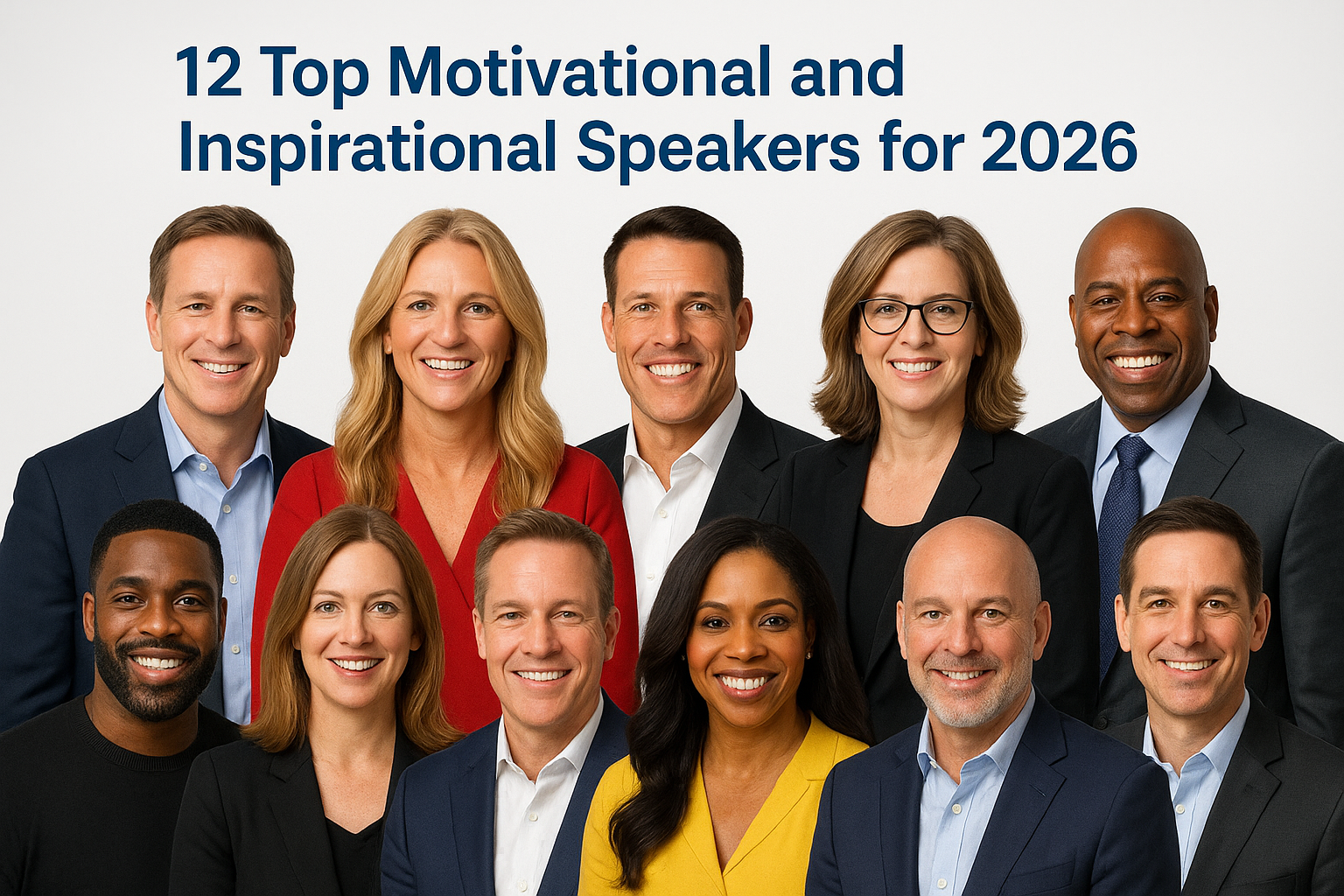
    You’ve got a conference to plan, a sales kickoff that needs energy, or a leadership offsite that can’t fall flat. Finding good motivational speakers shouldn’t mean scrolling through vague bios and recycled quotes. You need names with real track records, stories that actually land, and a message your team will still talk about six months later.

    This list rounds up well known motivational speakers who’ve earned their reputations through results, not just applause. Some built their credibility in business, others in sports, the military, or firefighting, but each one brings a distinct angle on leadership and performance that translates directly to a room full of employees or executives. If you’re comparing options before you book, this gives you a real starting point instead of a generic search result.

    Below, you’ll find ten speakers worth serious consideration, what makes each one stand out, and the kind of audience or event they fit best. Whether you’re weighing top 10 motivational speakers in the world for a national sales meeting or narrowing down candidates for a smaller leadership retreat, you’ll walk away with a clearer sense of who delivers and why they’ve stayed in demand.

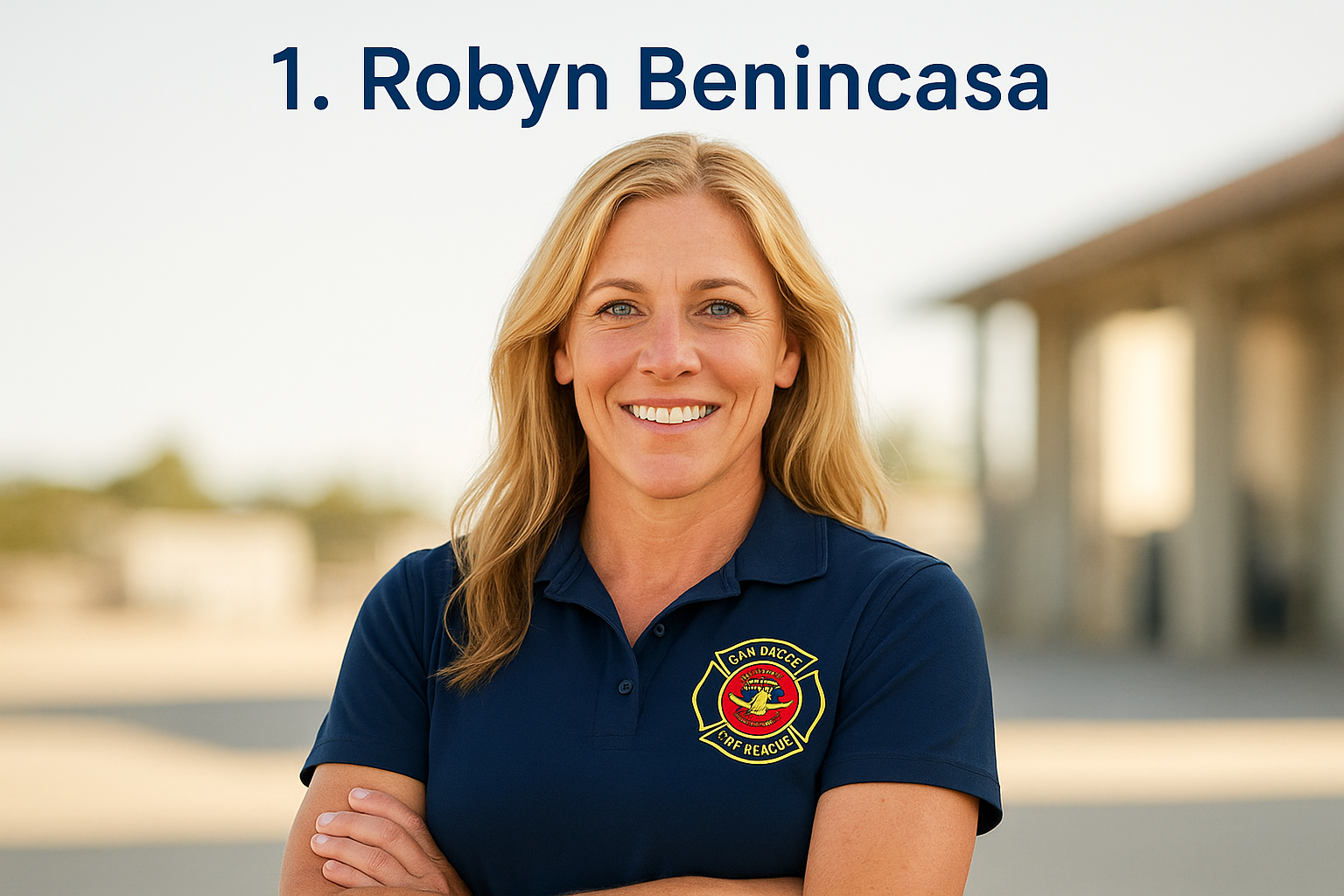
    1. Robyn Benincasa

    Background
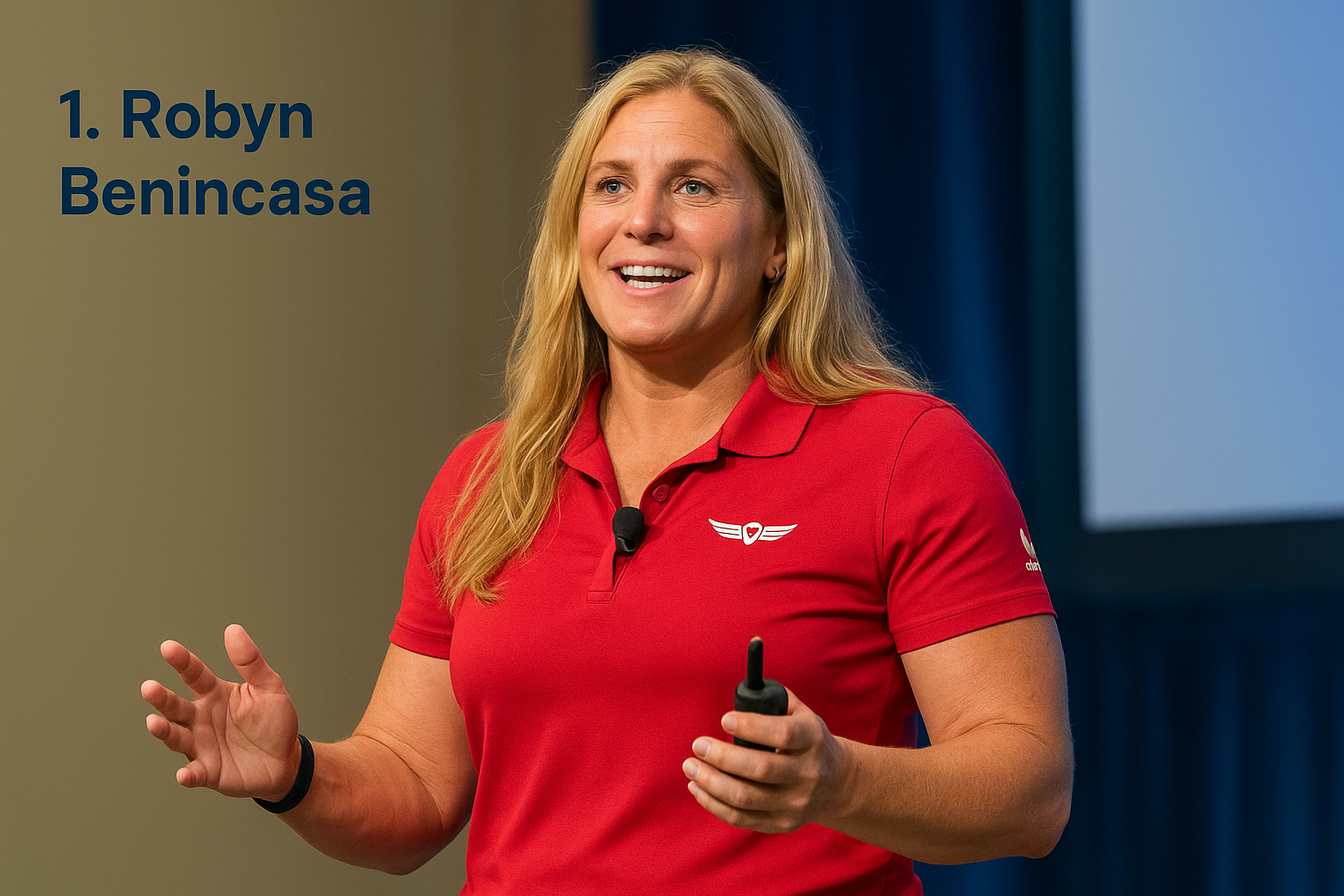
    1. Robyn Benincasa

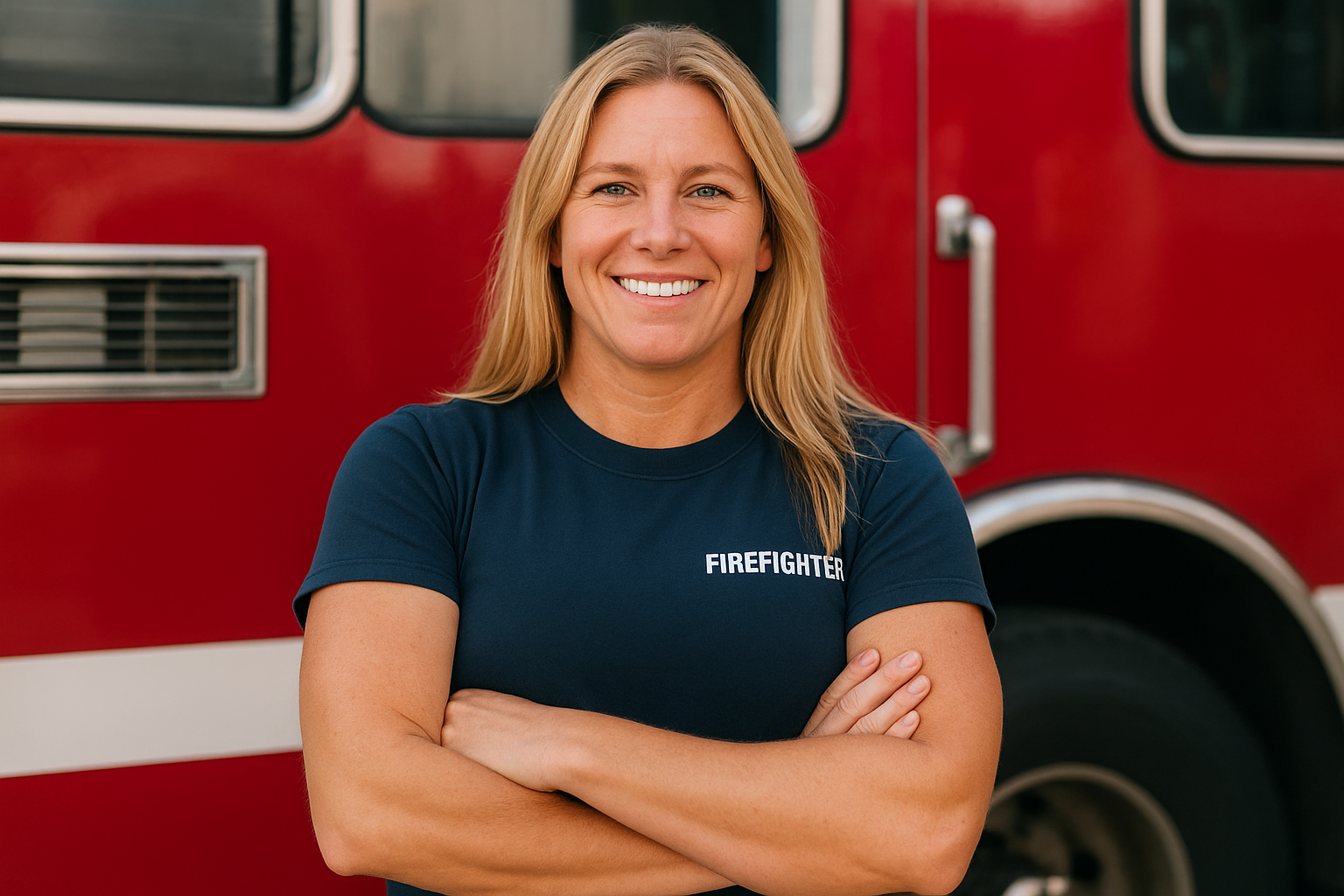
    Most keynote speakers talk about teamwork from the outside looking in. Robyn Benincasa built her career from the inside, spending 15 years as a world champion adventure racer, competing in expedition races that stretch across hundreds of miles of jungle, mountains, and open water with a team of four strangers who have to become a unit fast or fail together. She paired that with a 20-plus year career as a San Diego firefighter, another job where the team succeeds or nobody goes home. That dual background, endurance sports and emergency response, gives her a rare vantage point on what actually holds a team together when things get hard. She’s also a New York Times best-selling author of How Winning Works: 8 Essential Leadership Lessons From The Toughest Teams on Earth, and she founded the Project Athena Foundation, a nonprofit that earned her recognition as a CNN Hero.

    Signature message

    Robyn’s core keynote, T.E.A.M.W.O.R.K., breaks down eight essential elements of a world-class team culture, drawn directly from races where the wrong attitude on a four-person team could mean a mountain summit missed or a race abandoned entirely. Her other signature talks, including WIN AS ONE, INSPIRING GREATNESS THROUGH G.R.I.T., and WHY WINNERS WIN, all circle back to the same idea: winning teams aren’t made up of the most talented individuals, they’re made up of people who’ve committed to a shared mission and trust each other enough to carry that mission through adversity.

    Winning teams aren’t built from the most talented individuals, they’re built from people who trust each other enough to carry a shared mission through adversity.

    What separates her from best motivational speakers who lean on theory is that she’s lived the stakes she talks about. She’s pulled teammates through jungle terrain on no sleep and pulled people out of burning buildings, and she translates both experiences into specific, actionable lessons for corporate teams navigating mergers, sales slumps, or culture problems. Companies like Allstate, Northrop Grumman, and Boston Scientific have booked her precisely because her stories aren’t abstractions, they’re field-tested strategies with measurable business outcomes, including sales teams that moved from 17th to 1st nationally after applying her framework.

    Best for

    Organizations facing real turning points get the most out of Robyn’s keynotes, whether that’s a merger, a leadership transition, a sales slump, or a culture that’s grown siloed and needs a shared identity again. She fits sales kickoffs, leadership offsites, and company-wide conferences equally well, and her material works whether the room holds 50 people or 5,000. She’s available for both in-person and virtual keynotes, which makes her a practical fit for hybrid conferences or geographically spread-out teams that still want the same unifying message.

    • Event types: sales kickoffs, leadership offsites, all-company conferences, association meetings
    • Formats: in-person and virtual keynotes
    • Audience size: scales from small leadership groups to arena-sized crowds
    • Signature topics: T.E.A.M.W.O.R.K., WIN AS ONE, INSPIRING GREATNESS THROUGH G.R.I.T., WHY WINNERS WIN

    HR leaders and event planners looking for proof beyond a bio should check her client testimonials and case studies, which document the kind of measurable shifts in morale and performance that separate a good motivational speaker from one who simply fills a time slot on the agenda.

    2. Tony Robbins

    Background

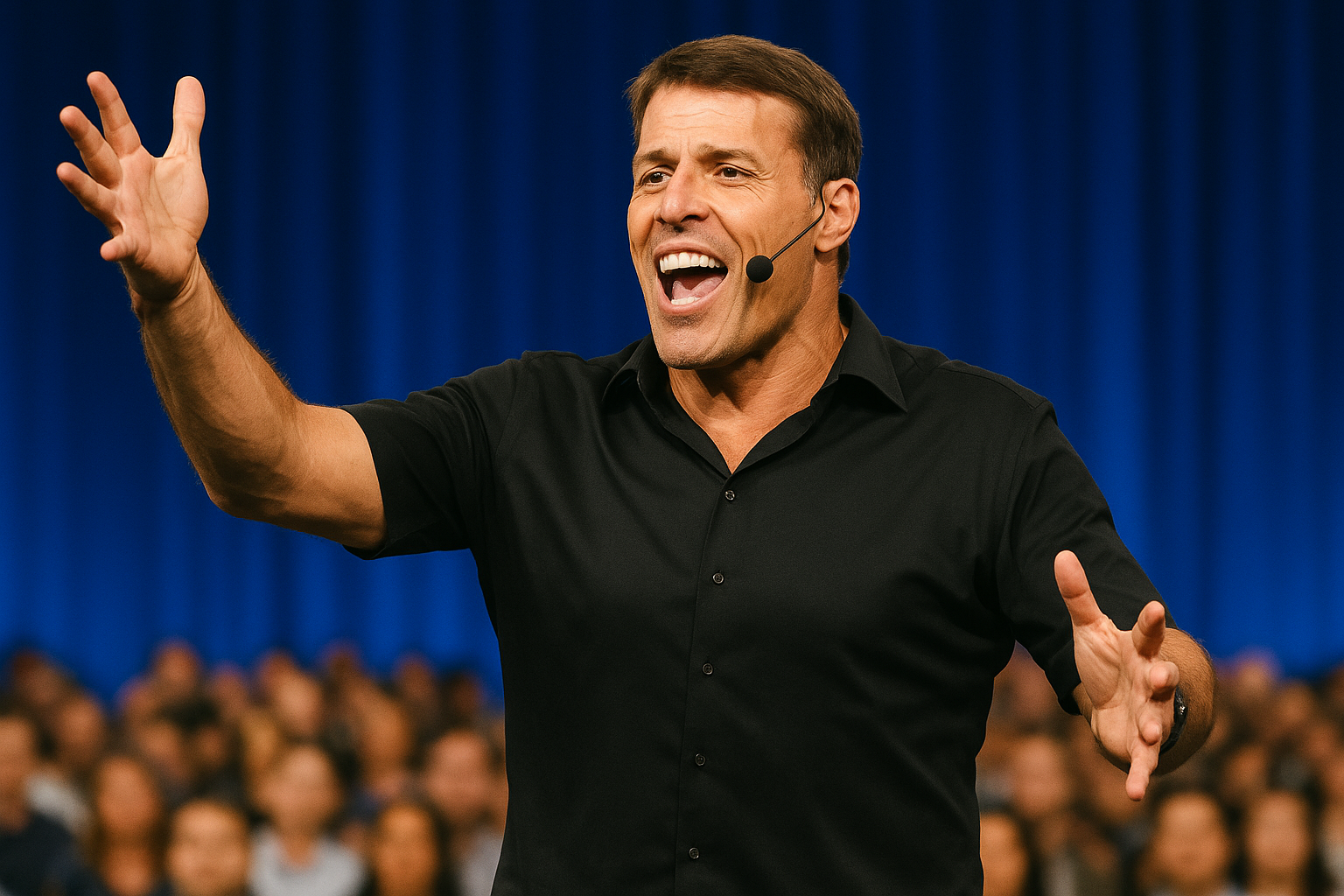
    Few names come up faster when people search for greatest motivational speakers, and Tony Robbins built that reputation over four decades of seminars, books, and one-on-one coaching with everyone from Fortune 500 CEOs to professional athletes. He started with almost nothing, living out of a small apartment before a chance introduction to neuro-linguistic programming set him on a path toward personal development work. His seminars, especially the notorious "Unleash the Power Within" firewalk events, turned him into a household name, and his books like Awaken the Giant Within and Money: Master the Game extended his reach well beyond the stage.

    Signature message

    Robbins built his career on the idea that state management, controlling your emotional and physical state in the moment, determines whether you take decisive action or freeze. His talks push audiences toward immediate, visible change: standing up, moving, breathing differently, committing out loud to a specific action before leaving the room. He calls this concept "psychology of achievement," and it’s less about slow strategic planning and more about breaking old patterns fast.

    Change your state, change your results, that’s the entire engine behind a Tony Robbins keynote.

    Corporate clients hire him when they want a jolt of energy that shakes people out of complacency, particularly around sales performance and personal accountability. His delivery style is high-volume and physical, closer to a stadium rock concert than a boardroom presentation, and that intensity is exactly what some audiences need to break out of a rut.

    Best for

    Large-scale sales conferences and high-energy company events fit Robbins best, especially organizations wanting a speaker known well beyond the corporate world. His fee sits at the very top of the market, often six figures per engagement, so he suits companies with substantial keynote budgets rather than smaller leadership retreats. Executives who want a name that instantly signals prestige to a large audience, and who have the budget to match, will get real value from booking him.

    3. Les Brown

    Background
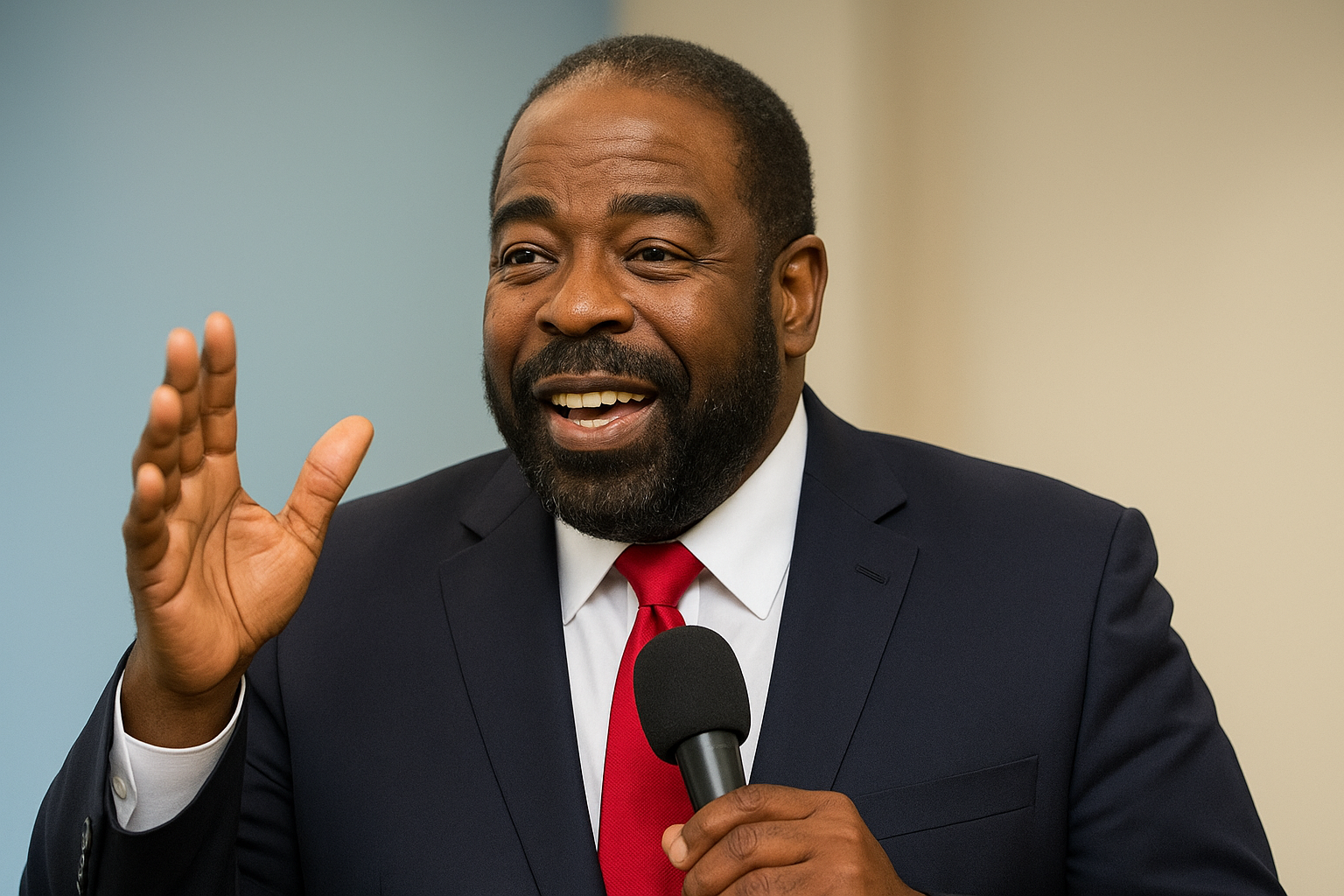
    3. Les Brown

    Les Brown grew up in Liberty City, Miami, given up for adoption as an infant and labeled "educable mentally retarded" in school, a label that stuck with him until a teacher pulled him aside and told him that other people’s opinions of him didn’t have to become his reality. That single moment shaped everything that followed. He went on to work as a radio DJ, win a seat in the Florida House of Representatives, and eventually become one of the most popular motivational speakers in the country, earning a spot in the National Speakers Association Hall of Fame. Toastmasters International once named him one of the top five speakers in the world, a distinction few in the industry can claim.

    Signature message

    Brown’s talks center on a phrase he’s repeated in arenas and boardrooms for decades: "You have greatness within you." He doesn’t deliver that line as a throwaway platitude, he builds his entire keynote around helping audiences identify the specific excuses keeping them stuck and replacing those excuses with concrete next steps. His storytelling pulls directly from his own setbacks, including a cancer diagnosis he faced head-on, which gives his message about resilience a lived-in quality rather than a rehearsed one.

    Other people’s opinions of you don’t have to become your reality, that’s the line that turned Les Brown’s life around.

    Audiences respond to him because he mixes preacher-style cadence with plain, direct language, so the message lands with people who might tune out a more academic speaker.

    Best for

    Companies looking to reignite personal accountability among employees who feel stuck, whether due to layoffs, restructuring, or a plateau in performance, get strong value from booking Brown. He works well for sales teams needing a mindset reset and for conferences focused on personal development alongside business strategy. Organizations with a diverse workforce spanning different backgrounds and starting points often find his underdog story resonates broadly, since it’s built on overcoming circumstances rather than natural advantage.

    4. Zig Ziglar

    Background

    Before he ever stepped on a stage, Zig Ziglar spent years selling cookware door to door, a grind that taught him more about persistence and rejection than any classroom ever could. He turned that sales floor experience into a speaking career spanning over four decades, delivering thousands of talks and writing more than 30 books, including the classic See You at the Top. Ziglar became one of the best speakers motivational circuits have ever produced, largely because he never abandoned his Southern, folksy delivery even as his audiences grew from small sales offices to international arenas. He passed away in 2012, but his organization continues training speakers and sales professionals under his name, and his recorded talks still circulate widely in corporate training programs today.

    Signature message

    Ziglar’s core belief, that attitude determines altitude, shaped nearly every talk he gave, and he backed that idea with concrete sales techniques rather than vague encouragement. He blended faith, family values, and hard-nosed sales strategy into a single package, insisting that character and competence had to work together for lasting success. Unlike speakers who focus purely on hype, Ziglar spent real stage time teaching specific closing techniques and objection-handling frameworks that sales teams could apply the next morning.

    Attitude determines altitude, and no amount of skill compensates for the wrong one.

    His humor and homespun stories made dense sales training feel like a conversation with a trusted mentor rather than a lecture.

    Best for

    Sales organizations still lean on Ziglar’s recorded material and the speakers trained through his organization when they want proven, practical selling frameworks paired with a values-driven message. Companies building onboarding programs for new sales reps find his structured approach easier to implement than pure motivation, since it comes with repeatable steps. Retail, insurance, and direct sales industries in particular continue to reference his methods decades after he first developed them, a testament to how well his frameworks hold up outside a live keynote setting.

    5. Simon Sinek

    Background

    Simon Sinek built his reputation as a marketing consultant and author before he ever stepped onto a keynote stage, and that consulting background shows in how methodically he builds an argument. His 2009 TED Talk, "How Great Leaders Inspire Action," became one of the most viewed TED Talks of all time, a milestone that pushed him from niche business author to one of the great motivational speakers companies actively compete to book. He followed that talk with Start With Why, then expanded his thinking in Leaders Eat Last and The Infinite Game, each book digging deeper into the same central question about what separates organizations people commit to from ones they simply work for.

    Signature message

    Sinek’s entire framework rests on a simple distinction: people don’t buy what you do, they buy why you do it. He argues that lasting motivation comes from a clearly articulated purpose, not from perks, bonuses, or slogans painted on a break room wall, and he backs that argument with examples ranging from Apple’s product launches to the leadership structure inside the U.S. Marine Corps. Where some speakers rely on personal anecdotes, Sinek leans on organizational case studies and behavioral research, giving his talks a more analytical, almost professorial tone.

    People don’t buy what you do, they buy why you do it, and that single distinction reshapes how leaders build loyalty.

    His calm, deliberate delivery style stands in sharp contrast to the high-energy speakers on this list, and that contrast is exactly why some audiences prefer him.

    Best for

    Executive teams and leadership offsites focused on strategy, culture, and long-term vision get the most value from Sinek, particularly organizations wrestling with employee retention or a fuzzy sense of purpose after rapid growth. He fits conferences with a thoughtful, white-collar audience more than high-volume sales rallies, since his pacing rewards close listening rather than crowd energy. Companies rebuilding their mission statement or trying to align leadership around a shared purpose often find his framework gives them language they didn’t have before.

    6. Brené Brown

    Background
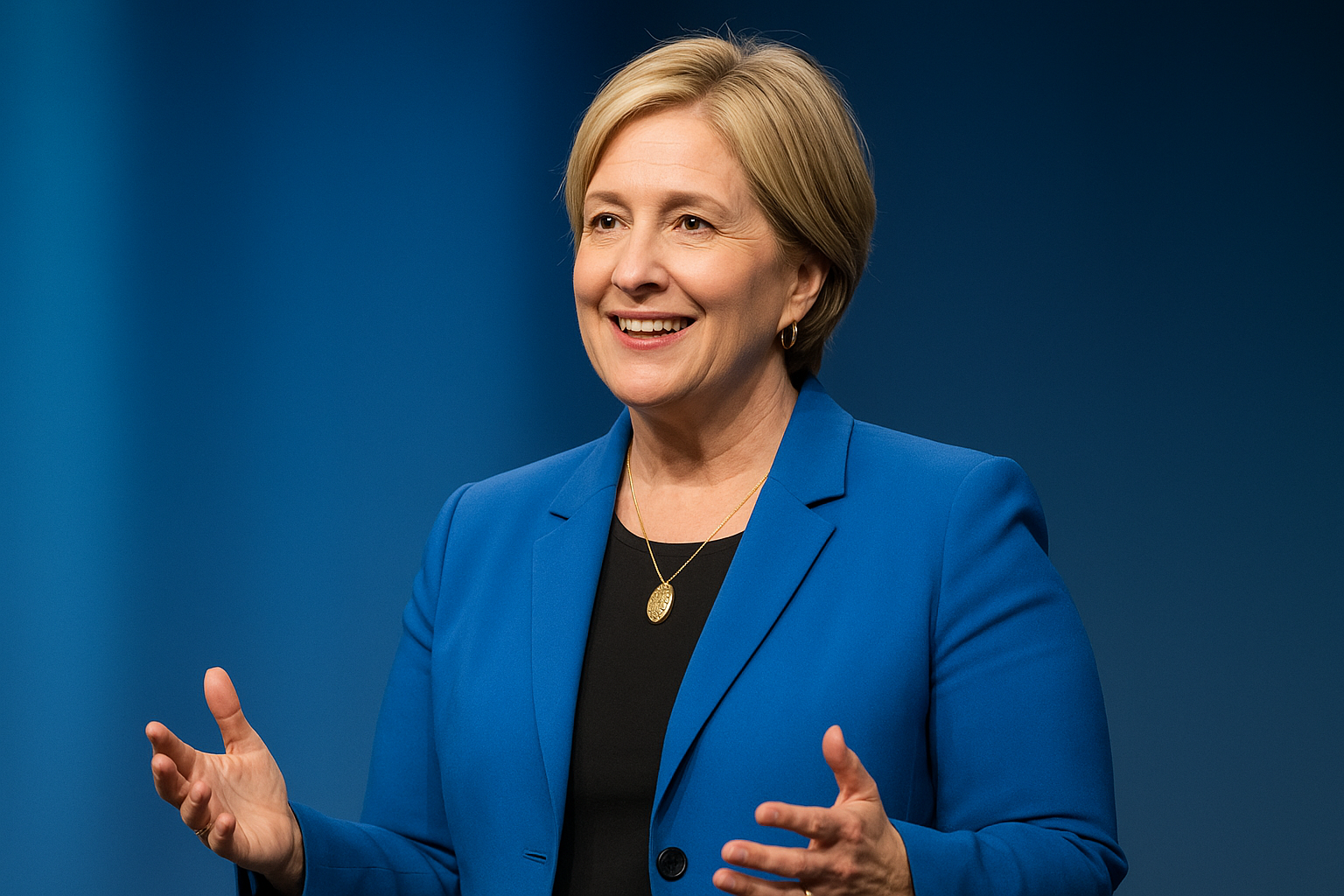
    6. Brené Brown

    Brené Brown spent two decades as a research professor at the University of Houston before her 2010 TEDxHouston talk, "The Power of Vulnerability," turned her academic work into a cultural phenomenon. That talk now ranks among the most viewed TED talks ever, and it launched a career that includes five #1 New York Times bestsellers, among them Daring Greatly and Dare to Lead. Unlike many top ten motivational speakers in the world, she arrived at the stage through fifteen years of qualitative research on shame, vulnerability, and courage, not through a personal rags-to-riches story. That research background gives her talks a grounded, data-backed structure rather than pure inspiration.

    Signature message

    Brown’s central argument flips a common assumption in corporate culture: vulnerability isn’t weakness, it’s the birthplace of courage, creativity, and connection. She pushes leaders to trade armor and posturing for honest conversations, arguing that teams who can name a problem out loud fix it faster than teams pretending everything’s fine. Her Dare to Lead framework gives executives specific language for tough conversations, values clarification, and rebuilding trust after failure, which makes her material more of a leadership curriculum than a single burst of energy.

    Vulnerability isn’t weakness, it’s the birthplace of courage, creativity, and connection.

    Her delivery is conversational and unhurried, closer to a trusted colleague thinking out loud than a hype-driven performer, and that tone builds credibility with audiences skeptical of typical motivational polish.

    Best for

    Leadership teams working through trust issues, feedback avoidance, or a culture where people hide mistakes get the clearest payoff from booking Brown. She suits mid-size leadership retreats and HR-driven culture initiatives better than massive sales rallies, since her material rewards a quieter, more reflective room. Organizations rebuilding psychological safety after layoffs, reorganizations, or a toxic leadership exit often find her framework gives managers the exact vocabulary they were missing, and companies that want research-backed credibility alongside emotional resonance tend to rank her among the best speakers motivational programs bring in year after year.

    7. Mel Robbins

    Background

    Mel Robbins spent years as a CNN commentator and legal analyst before a personal rut, stalled career, strained marriage, financial stress, pushed her toward the idea that eventually made her famous. She stumbled onto a simple trick: counting backward from five and physically moving before her brain could talk her out of it. That habit became the 5 Second Rule, the subject of her bestselling book of the same name, and it turned her into one of the most popular motivational speakers working today. Her TEDx talk on the topic has been viewed tens of millions of times, and she’s since built a media career spanning a nationally syndicated talk show, a podcast, and multiple bestselling books, including The High 5 Habit.

    Signature message

    Robbins argues that motivation is a myth, you’ll never feel like doing the hard thing, so waiting to feel ready guarantees you stay stuck. Instead, she teaches audiences to interrupt hesitation with a physical action within five seconds, before overthinking can talk them out of it. This isn’t abstract encouragement, it’s a repeatable mental trick backed by research on brain activation patterns, which is part of why she’s earned a reputation among best speakers motivational program planners keep rebooking.

    Motivation is a myth, action comes first and feeling ready follows, not the other way around.

    Her delivery is candid and self-deprecating, built on admitting her own failures rather than projecting flawless success, and that honesty makes her advice feel usable rather than aspirational.

    Best for

    Sales teams and individual contributors struggling with procrastination, hesitation, or fear of rejection respond well to Robbins, since her framework gives them a concrete tool rather than a pep talk. She fits corporate wellness initiatives, sales kickoffs, and leadership development programs aimed at building personal accountability at every level of an organization. Companies wanting a speaker who blends science-backed psychology with an approachable, TV-tested delivery style often find her material sticks with employees long after the event ends, since a five-second habit is easy to remember and even easier to practice the next morning.

    8. Eric Thomas

    Background

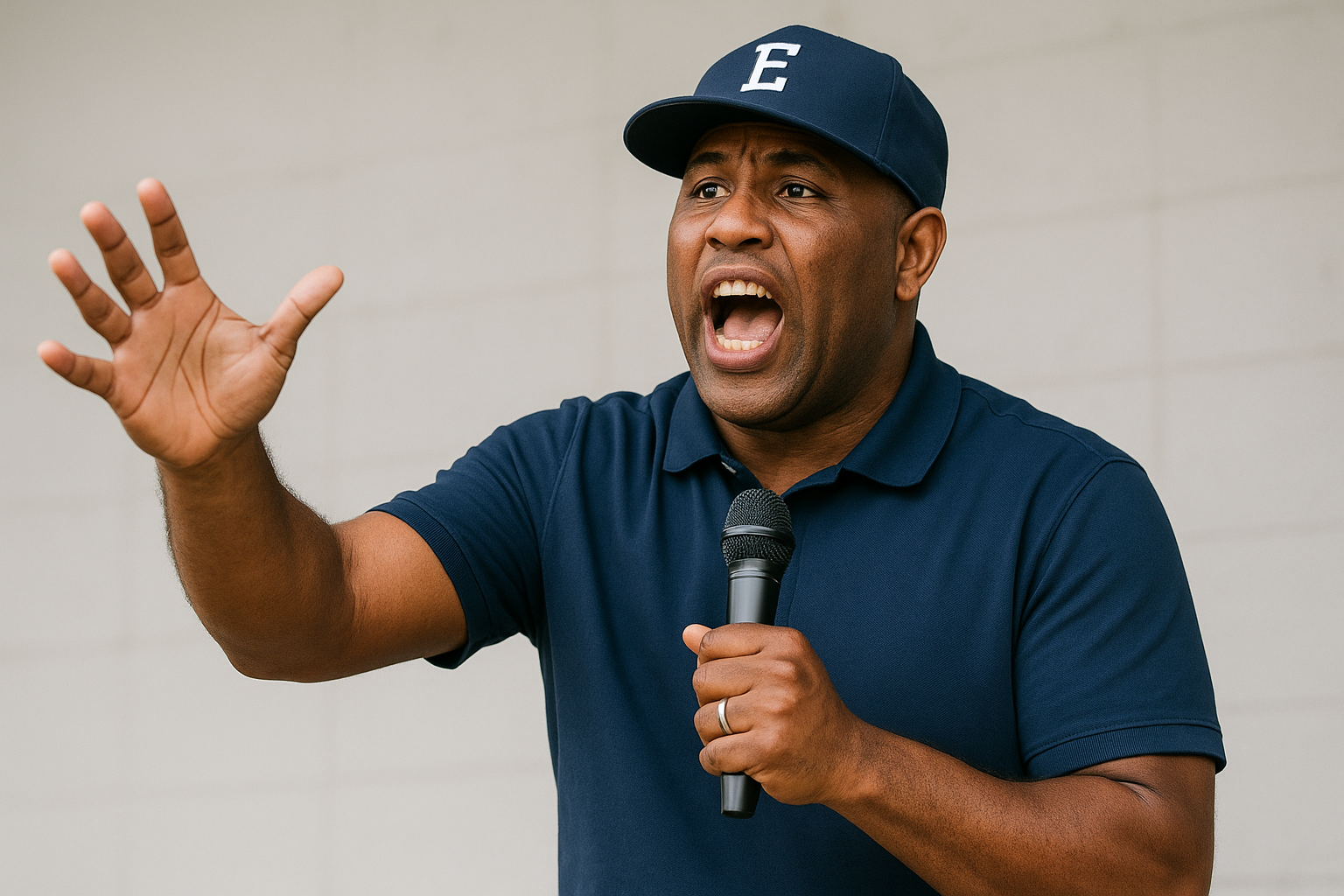
    Eric Thomas spent part of his teenage years homeless, sleeping in abandoned houses and bouncing between friends’ couches after dropping out of high school. That period shaped the raw, unfiltered energy he later brought to speaking, first as a pastor, then as a doctor of education, and eventually as one of the greatest motivational speakers working the college athletics and corporate circuit today. He built his following the hard way, posting videos to YouTube long before anyone booked him for a paycheck, and those clips, especially the one titled "How Bad Do You Want It," turned him into a name college football programs and NBA teams request by name.

    Signature message

    Thomas preaches a single relentless idea: your desire for success has to outweigh your fear of failure, or you’ll settle for average every time. He calls himself "the hip hop preacher" for a reason, his delivery borrows the cadence and urgency of a sermon, building volume and intensity until the room feels the same hunger he’s describing. Where some best motivational speakers lean on calm analysis, Thomas leans on confrontation, pushing audiences to admit where they’ve been coasting rather than grinding.

    Your desire for success has to outweigh your fear of failure, or average becomes the ceiling.

    His stories draw directly from his homeless years, giving phrases like "you gotta want it" a weight that a polished, comfortable background couldn’t produce.

    Best for

    Organizations wanting a jolt of raw intensity rather than a measured strategy session get the most out of booking Thomas, particularly sales teams before a major push or athletic programs before a season. He fits younger, high-energy audiences especially well, since his delivery style resembles a locker room speech more than a boardroom presentation. Companies that want their team walking out fired up and ready to outwork the competition, rather than reflecting quietly on culture, tend to find him among the top 10 motivational speakers in the world worth the investment for that specific kind of moment.

    9. John Maxwell

    Background

    John Maxwell spent seventeen years as a pastor before he ever wrote a leadership book, and that pastoral background shows in how he structures his material, always pointing toward practical application rather than abstract theory. He’s since written more than 70 books, including the widely used The 21 Irrefutable Laws of Leadership, and founded the John Maxwell Company, a training organization that certifies coaches around the world to teach his frameworks. Among well known motivational speakers, few have built as much infrastructure around a single body of work, and that scale is part of why corporations, nonprofits, and government agencies keep bringing him back decades after his first bestseller.

    Signature message

    Maxwell argues that leadership is influence, nothing more and nothing less, which means anyone in an organization, regardless of title, can and should develop it. His talks break leadership into learnable laws and stages, moving audiences away from the idea that leaders are born and toward the idea that leadership is a skill built through intentional daily habits. That structured, almost textbook approach separates him from best motivational speakers who rely mainly on personal story, since Maxwell spends more stage time on frameworks people can teach to their own teams the following week.

    Leadership is influence, nothing more and nothing less, and that means anyone can learn to lead.

    His delivery is warm and conversational, closer to a respected mentor walking through a lesson plan than a performer working a crowd, which suits audiences who want substance they can implement immediately.

    Best for

    Organizations building internal leadership pipelines or investing in manager development programs get the clearest return from booking Maxwell, since his material translates easily into training curricula rather than staying confined to a single event. He fits leadership conferences, association meetings, and multi-day corporate retreats where attendees expect to leave with a framework, not just energy. Companies wanting a speaker whose books and coaching programs extend the keynote’s value well past the day of the event often rank him among the top ten motivational speakers in the world for building leadership bench strength across every level of management.

    10. Nick Vujicic

    Background
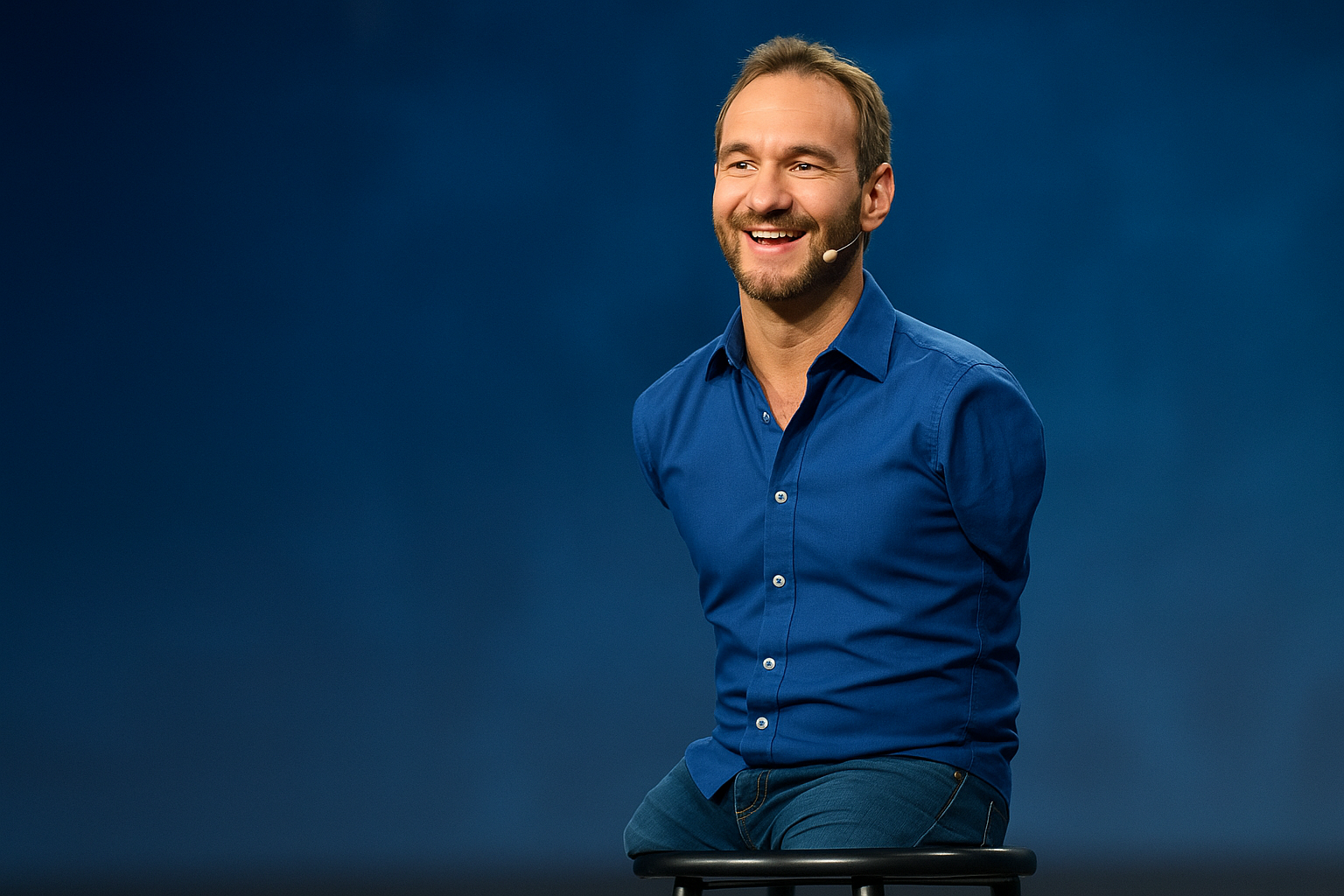
    10. Nick Vujicic

    Nick Vujicic was born in Australia in 1982 with tetra-amelia syndrome, a rare disorder that left him without arms or legs. School years brought bullying and isolation, and by age ten he’d attempted suicide, a detail he shares openly on stage rather than glossing over. Faith and a shift in mindset pulled him back from that low point, and by his early twenties he’d founded Life Without Limbs, a nonprofit that eventually launched his speaking career. Today he’s addressed audiences in more than 60 countries, and among greatest motivational speakers working the global circuit, few carry a physical story that communicates resilience before he even says a word.

    Signature message

    Vujicic centers his talks on a phrase he’s repeated to millions: focus on what you have, not on what you don’t. He walks audiences through his own lowest moments, the bullying, the despair, the suicide attempt, then pivots to the daily choices that rebuilt his sense of purpose, marriage, and career. His approach favors faith-driven optimism over pure business strategy, though he tailors corporate keynotes to speak directly to resilience, adaptability, and gratitude in the workplace.

    Focus on what you have, not on what you don’t, and limits stop being the whole story.

    What makes him stand apart from other popular motivational speakers is that his message needs no exaggeration. The visual alone, a man without limbs delivering a high-energy talk with humor and warmth, does work that no slide deck or statistic could match.

    Best for

    Companies planning conferences with a strong wellness, resilience, or gratitude theme find Vujicic’s story lands hard, particularly after layoffs, health crises, or a season of low morale. He suits large general sessions where a visual, emotional reset matters more than tactical frameworks, and he works well alongside a second speaker who handles the strategic, how-to portion of the day. Nonprofits, healthcare organizations, and faith-based groups book him often, though plenty of corporate planners bring him in specifically because his story cuts through cynicism faster than almost anyone else on a stage.
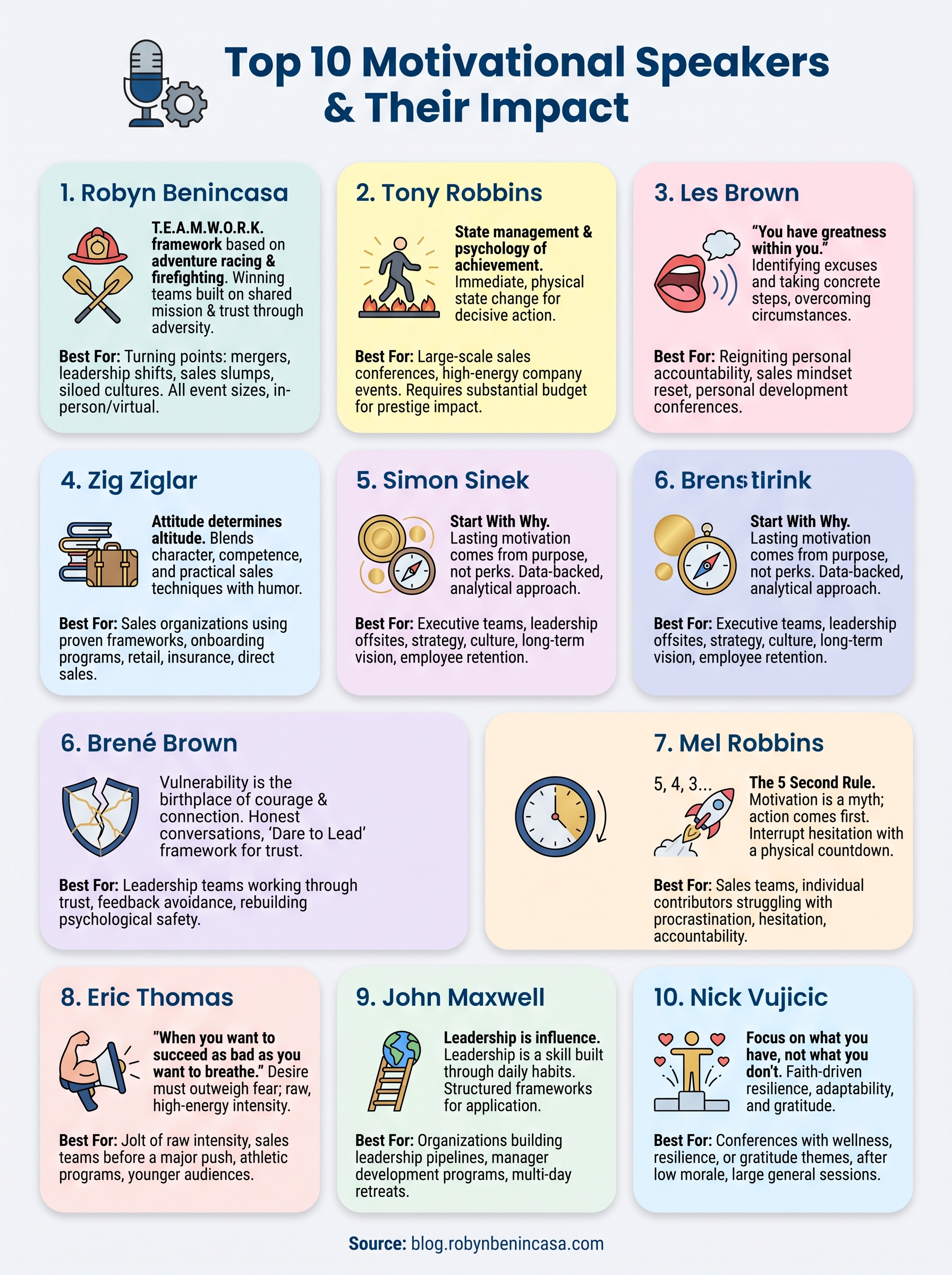
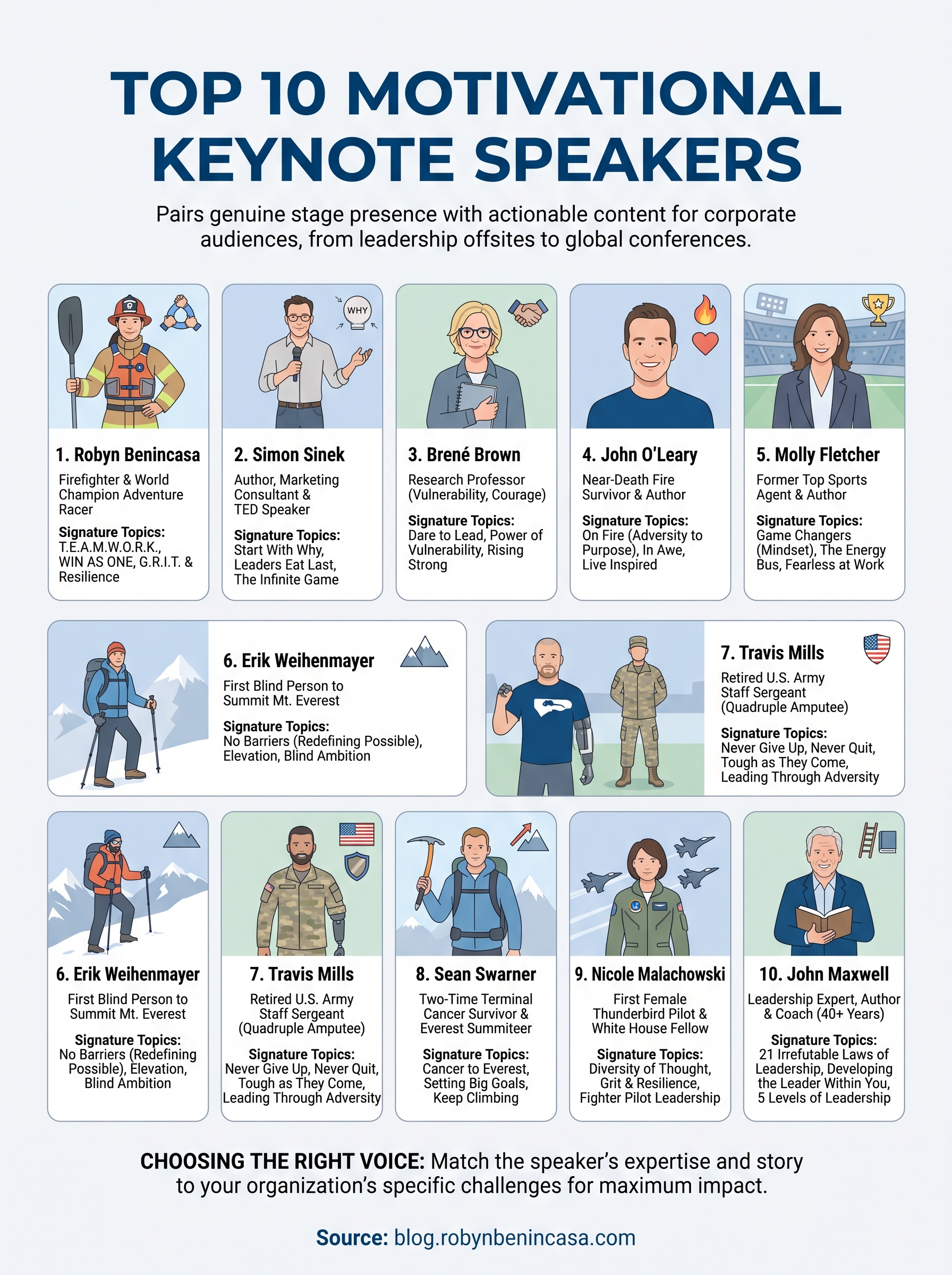
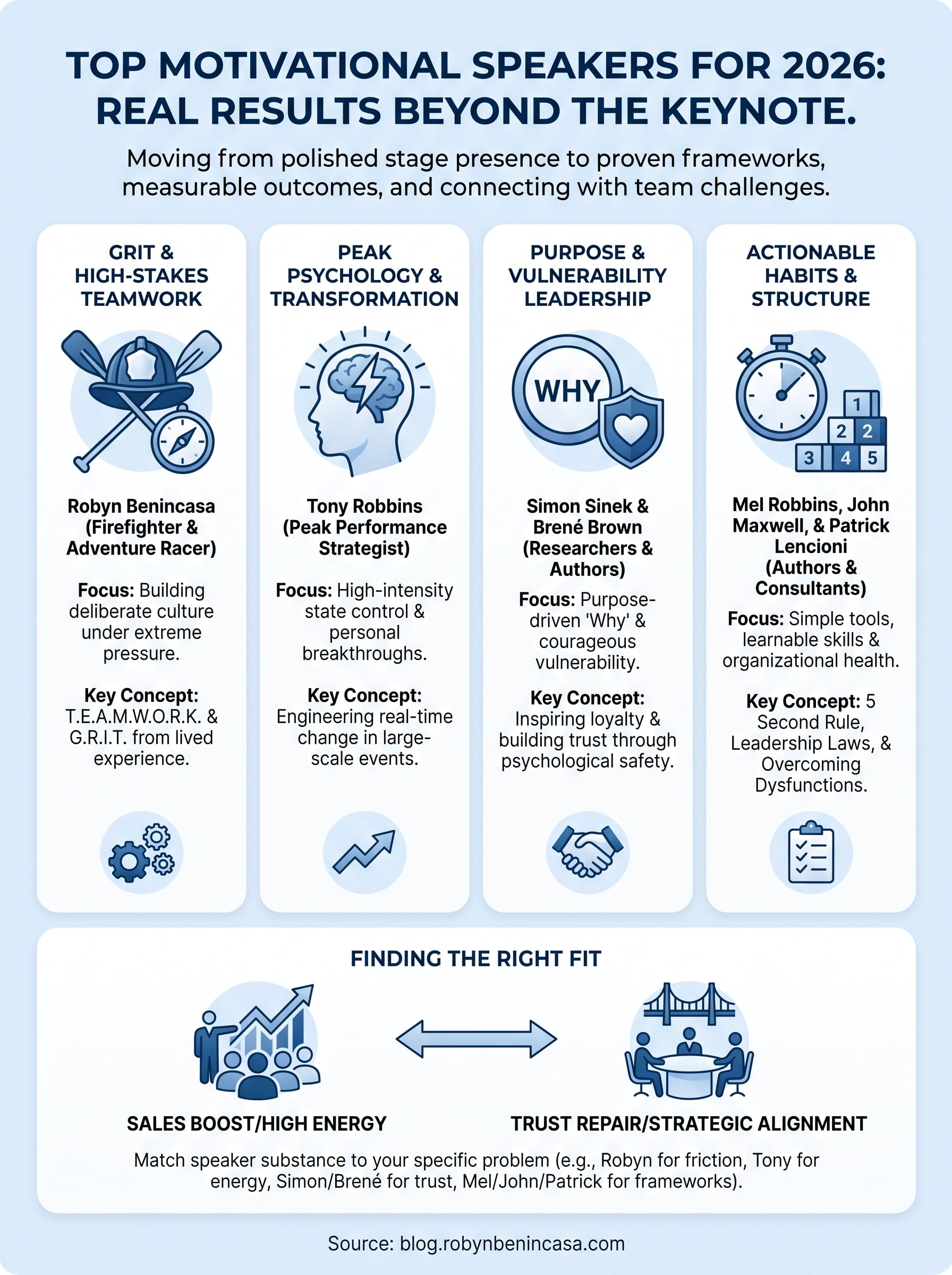
    good motivational speakers infographic

    Choosing the right voice for your audience

    Every name on this list earned its place, but the right fit depends on your room, not a ranking. A stadium sales rally calls for different energy than a leadership retreat working through trust issues after a rough year. Good motivational speakers deliver more than applause, they leave your team with language and habits that outlast the event itself, whether that’s Sinek’s clarity on purpose or Robbins’s five-second trick for beating hesitation.

    If your organization is navigating a merger, a sales slump, or a culture that’s grown siloed, few speakers translate real stakes into actionable team lessons the way Robyn Benincasa does. Her firsthand experience racing and firefighting gives audiences a framework built on trust and shared mission, not theory. Visit Robyn Benincasa’s blog to explore her keynote topics and see which one fits your next event.
  • 35 Quotes About Team Culture to Inspire Your Team

    35 Quotes About Team Culture to Inspire Your Team

    You know the feeling when a team meeting needs a spark, or a Monday email deserves more than another status update. That’s usually when someone goes searching for quotes about team culture that actually say something worth repeating, not another generic line about

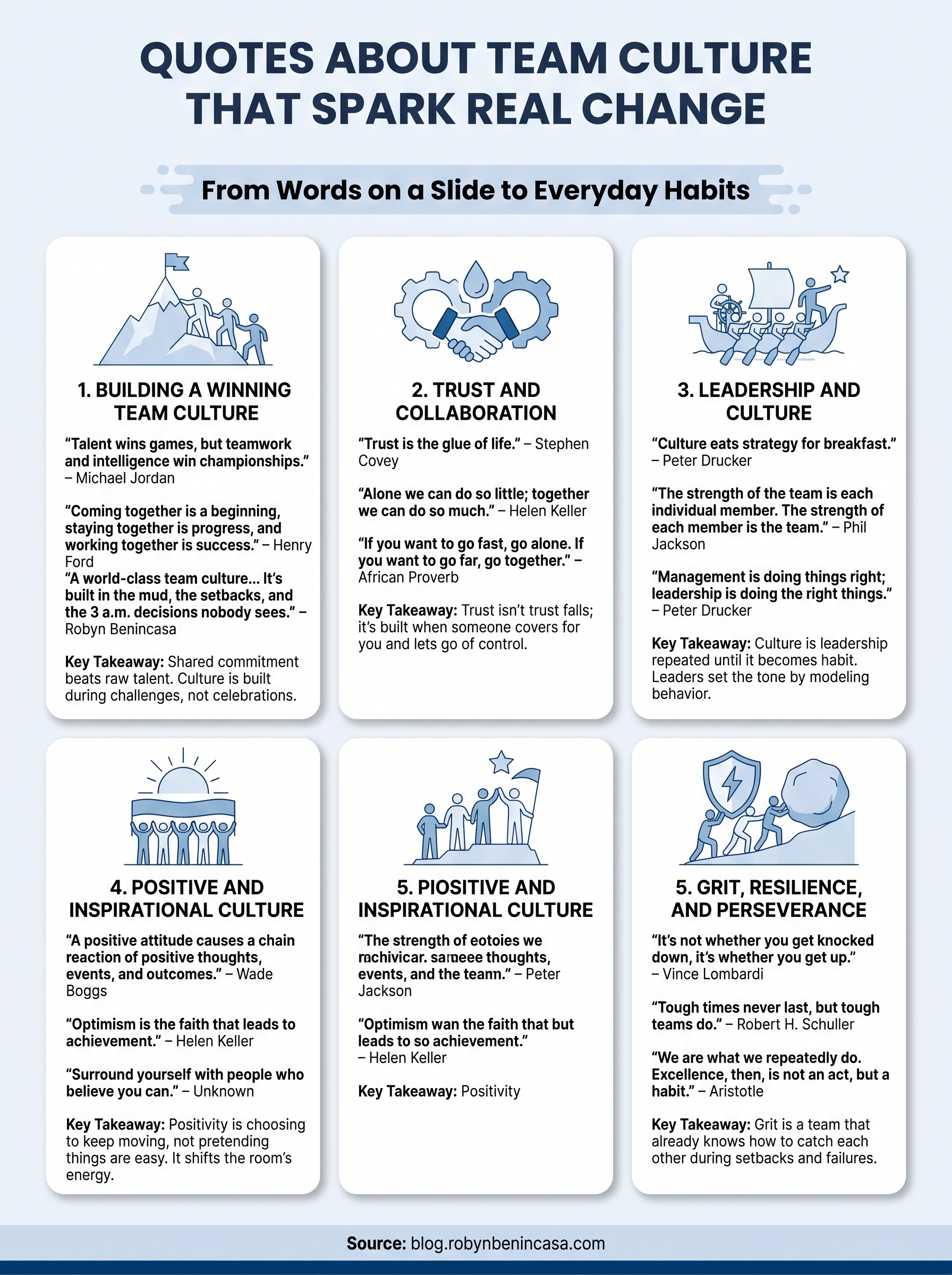
    1. Quotes about building a winning team culture

    A winning team culture doesn’t happen by accident, and the best quotes on the subject come from people who built one under real pressure, not from a poster in the break room. This first batch focuses on the mindset shift that separates a group of talented individuals from an actual team.

    1. Quotes about building a winning team culture

    Quotes that capture what winning teams do differently

    • "Talent wins games, but teamwork and intelligence win championships.", Michael Jordan
    • "None of us is as smart as all of us.", Ken Blanchard
    • "Coming together is a beginning, staying together is progress, and working together is success.", Henry Ford
    • "A world-class team culture isn’t built during the celebration. It’s built in the mud, the setbacks, and the 3 a.m. decisions nobody sees.", Robyn Benincasa, How Winning Works
    • "If everyone is moving forward together, then success takes care of itself.", Henry Ford
    • "Great things in business are never done by one person. They’re done by a team of people.", Steve Jobs
    • "Individual commitment to a group effort, that is what makes a team work, a company work, a society work, a civilization work.", Vince Lombardi

    Why these quotes matter for your culture

    Each of these lines points at the same truth from a different angle: shared commitment beats raw talent every time results actually matter. Adventure racing taught Robyn that lesson the hard way, watching stronger, faster athletes lose to teams that simply refused to leave anyone behind. The same pattern shows up in sales floors, hospital units, and firehouses, wherever the outcome depends on more than one person’s individual output.

    A team culture isn’t something you announce, it’s something everyone has to choose again on the hardest days.

    When you’re picking one of these building team culture quotes for a meeting or an email, choose the one that matches your actual moment, whether that’s a rough quarter, a merger, or a team that’s finally hitting its stride. The right words, dropped at the right time, remind people why the grind is worth it.

    2. Quotes about trust and collaboration

    Trust is the ingredient most teams talk about and least know how to build, so these quotes on team culture zero in on what actually earns it: showing up, following through, and letting go of the need to control everything yourself.

    Quotes that show trust in action

    • "Individually, we are one drop. Together, we are an ocean.", Ryunosuke Satoro
    • "Trust is the glue of life. It’s the most essential ingredient in effective communication.", Stephen Covey
    • "Alone we can do so little; together we can do so much.", Helen Keller
    • "If you want to go fast, go alone. If you want to go far, go together.", African Proverb
    • "Collaboration allows us to know more than we are capable of knowing by ourselves.", Paul Solarz

    What trust actually looks like day to day

    Collaboration falls apart the moment someone feels like they’re covering for a teammate who isn’t pulling weight. Robyn saw this constantly in adventure racing, where a single racer’s exhaustion could sink a four-person team unless the others adjusted pace and shared the load without resentment.

    Trust isn’t built in trust falls, it’s built when someone covers for you and never brings it up again.

    Share one of these with a team that’s rebuilding after a rough project. Words alone won’t fix broken trust, but they can point people back toward the behavior that rebuilds it.

    3. Quotes about leadership and culture

    Leadership sets the tone for everything else on a team, and these quotes on team culture make the case that culture is never an accident. It’s the direct result of what a leader tolerates, rewards, and models every single day.

    3. Quotes about leadership and culture

    Quotes that connect leadership to culture

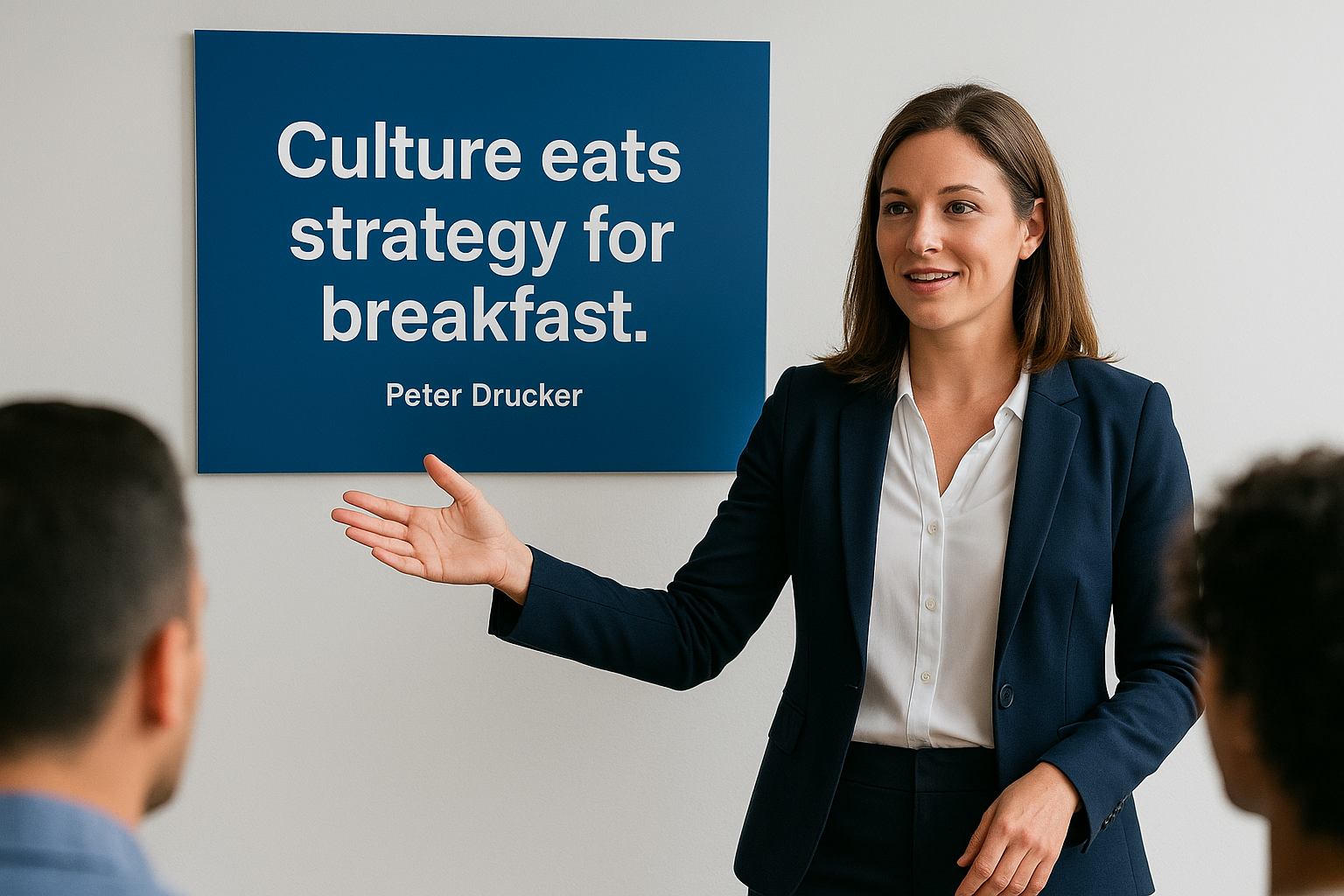
    • "Culture eats strategy for breakfast.", Peter Drucker
    • "The strength of the team is each individual member. The strength of each member is the team.", Phil Jackson
    • "A leader’s job is not to do the work for others, it’s to help others figure out how to do it themselves.", Simon Sinek
    • "Management is doing things right; leadership is doing the right things.", Peter Drucker
    • "Great leaders don’t set out to be a leader, they set out to make a difference.", Jeremy Wright

    The leader’s fingerprints on every culture

    Firehouses run on this exact logic. Robyn watched captains build cultures of trust simply by showing up first to the hard calls and staying last to clean the gear, never asking anyone to do what they wouldn’t do themselves. Nobody read that expectation in a manual; they absorbed it by watching.

    Culture is just leadership, repeated until it becomes habit.

    Use one of these quotes on team culture the next time you’re coaching a new manager. It reframes leadership as behavior worth copying, not a title worth chasing.

    4. Positive and inspirational team culture quotes

    Some days a team just needs a lift, and positive team culture quotes work best when they’re honest instead of syrupy. The lines below celebrate energy and optimism without pretending hard work doesn’t exist.

    Quotes that spread genuine energy

    • "Positive attitudes among team members improve the ability of the team to cope with everyday tensions.", William James
    • "A positive attitude causes a chain reaction of positive thoughts, events, and outcomes.", Wade Boggs
    • "Optimism is the faith that leads to achievement. Nothing can be done without hope and confidence.", Helen Keller
    • "Surround yourself with people who believe you can.", Unknown
    • "Teamwork begins by building trust. And the only way to do that is to overcome our need for invulnerability.", Patrick Lencioni

    Why optimism belongs in your culture toolkit

    Optimism spreads through a team faster than complaints do, but only if it’s paired with real effort behind it. Robyn’s racing teams stayed lighter on brutal, sleepless legs of a course because someone kept cracking jokes and reminding everyone why they signed up. That energy wasn’t denial, it was fuel.

    Positivity isn’t pretending things are easy, it’s choosing to keep moving anyway.

    Keep one of these in your back pocket for the meeting after a tough week. A team culture quote like this one won’t fix the problem, but it can shift the room’s energy enough to tackle it.

    5. Quotes about grit, resilience, and perseverance

    Grit is what separates a team that talks about culture from one that lives it when things fall apart. These quotes about team culture focus on the moments nobody wants, the setbacks, the injuries, the projects that blow past deadline, because that’s when culture actually gets tested.

    Quotes that prove grit is a team sport

    • "It’s not whether you get knocked down, it’s whether you get up.", Vince Lombardi
    • "Perseverance is not a long race; it is many short races one after another.", Walter Elliot
    • "Tough times never last, but tough teams do.", Robert H. Schuller
    • "Grit is that ‘extra something’ that separates the most successful people from the rest.", Travis Bradberry
    • "We are what we repeatedly do. Excellence, then, is not an act, but a habit.", Aristotle

    How resilience gets built into culture, not just individuals

    Endurance racing strips away everything but the truth about a team: when someone’s body gives out at hour thirty, the culture either holds or it collapses. Robyn’s teams practiced recovering from disaster in training so it felt familiar in competition, not catastrophic. Firehouses do the same thing with drills, rehearsing bad days so the actual bad day feels like muscle memory instead of panic.

    Grit isn’t one person gritting their teeth, it’s a team that already knows how to catch each other.

    Quotes like these earn their place right before a hard stretch, a launch, an audit, a season that everyone already knows will hurt a little.

    quotes about team culture infographic

    Turning these words into everyday team habits

    Quotes don’t build culture by themselves, but they give a team language for what it’s already trying to become. Read one out loud before a tough project kicks off, drop one into a Slack channel after a hard week, or open a leadership meeting with the line that fits the moment. Small repetition like this is exactly how the ideas behind these quotes about team culture turn into habits people actually live by, not just words on a slide.

    Robyn Benincasa has spent two decades proving these lessons on adventure racing courses and firehouse floors, then translating them for teams that need the same grit and trust to hit their numbers. If your organization is ready to move past posters and into a real culture shift, bring Robyn in to speak to your team and watch what changes when people start living these words instead of just reading them.

  • 14 Funny Team Building Activities That Actually Boost Morale

    14 Funny Team Building Activities That Actually Boost Morale

    You know the drill. Someone schedules another trust fall, half the room checks their phones, and the whole thing dies within twenty minutes. If you’ve been burned by cringey exercises before, you’re not wrong to be skeptical about team building activities funny enough to actually work still feel like a myth to a lot of teams.

    Here’s the thing: humorous team building activities don’t have to be forced or awkward. The best ones get people laughing so hard they forget they’re "team building" at all, and that’s exactly when real bonding happens. Laughter drops people’s guard faster than any icebreaker script ever could, which is why the funniest sessions often produce the strongest connections.

    I’ve spent 15 years leading teams through actual life-or-death adventure races and another 20 as a firefighter, and I can tell you culture sticks when people genuinely enjoy each other’s company. Below are 14 funny team building activities that skip the corny scripts and deliver real laughs, real conversation, and real morale gains, whether you’re planning an in-person offsite or a virtual session for a scattered team.

    1. Robyn Benincasa’s interactive team culture keynote

    My own keynote tops this list because it’s built to do exactly what corny trust falls can’t: get a room full of strangers laughing together while they learn something they’ll actually use back at the office. I’ve delivered this to sales teams, defense contractors, and insurance companies who walked in skeptical and left texting each other inside jokes from the session. It’s a live, interactive experience, not a lecture, and that distinction is what makes it work as one of the most effective funny team building activities on this list.

    How it works

    I pull stories and physical demonstrations straight from 15 years of world championship adventure racing and two decades as a San Diego firefighter, then hand the room small challenges that mirror the same pressure-tests my teams faced on the racecourse. Groups get assigned quick tasks tied to the T.E.A.M.W.O.R.K. framework, things like problem-solving under a ticking clock or communicating with limited information, and I call on volunteers throughout so nobody just watches from the back row.

    Why it’s funny

    The humor isn’t scripted, it comes from real moments: grown executives fumbling a blindfolded task, teams arguing over directions that seem obvious until you’re the one wearing the blindfold, and my own stories about disasters mid-race that sound absurd until you realize they actually happened. Genuine surprise beats rehearsed jokes every time, and that’s the difference between forced fun and a room that’s actually cracking up.

    Real laughs come from real stakes, not from a script telling people when to smile.

    Best for

    This keynote fits best for corporate audiences of 50 to 5,000, whether that’s a national sales kickoff, a leadership offsite, or an annual conference general session. It works equally well in person or as a virtual keynote for teams spread across multiple offices or time zones, and it’s a strong fit for organizations navigating mergers, sales slumps, or culture resets who need more than a motivational speech to shift the room.

    What you’ll need

    Booking details are simple, and most of the heavy lifting happens on my end:

    • A stage, ballroom, or virtual meeting platform with basic AV support
    • 45 to 60 minutes on the agenda (customizable for shorter or longer formats)
    • A microphone and a screen for photos and video clips from actual races
    • No props or pre-work required from your team
    • An open mind from the audience, since volunteers get pulled up throughout

    If you want the format spelled out further, my booking page walks through logistics, pricing ranges, and available keynote topics like WIN AS ONE and WHY WINNERS WIN, so you can see which angle fits your event best.

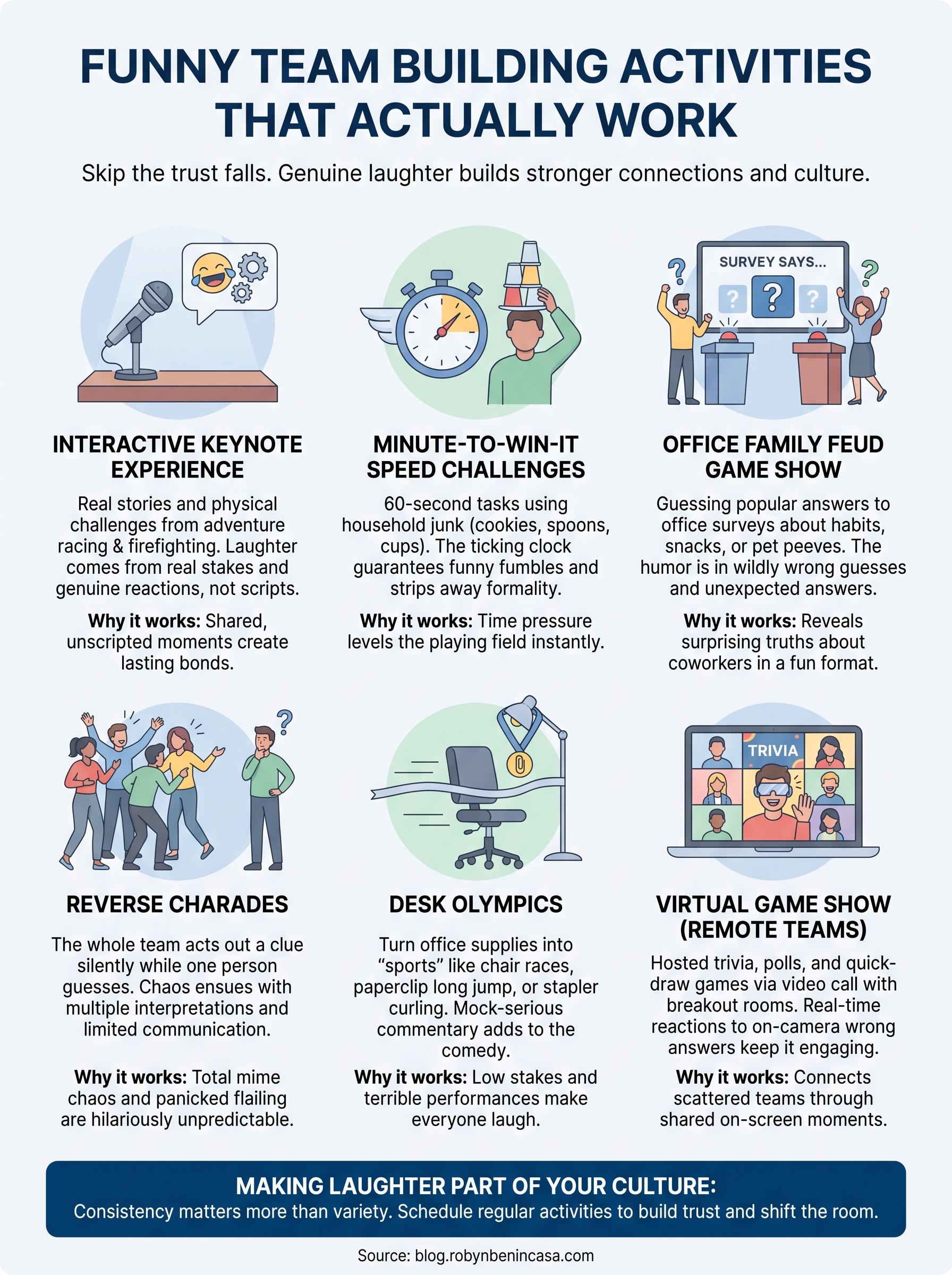
    2. Minute-to-win-it style speed challenges

    Speed challenges built around household junk and a stopwatch turn any conference room into a comedy stage. Think stacking cups with a hair dryer, moving cookies from forehead to mouth without hands, or balancing spoons full of water while walking a straight line. These minute-to-win-it style games work as one of the easiest funny team building activities to run because they need almost no setup and every round lasts sixty seconds flat.

    2. Minute-to-win-it style speed challenges

    How it works

    Split the group into pairs or small teams and rotate through five or six stations, each with a different sixty-second task and a simple prop like tape, spoons, or paper cups. Someone runs the clock, calls out the challenge, and teams race in heats so everyone gets a turn to compete and a turn to cheer from the sidelines.

    Why it’s funny

    Watching a VP try to balance six cookies on their forehead while hopping in place strips away every ounce of workplace formality in about ten seconds. The built-in time pressure guarantees fumbles, and fumbles under a ticking clock are funnier than any planned punchline.

    Nothing levels a room faster than watching leadership fail at something silly on a timer.

    Best for

    These challenges suit groups of 10 to 60 people split into small teams, and they work well as an energizer between meeting blocks or as the centerpiece of a happy hour.

    What you’ll need

    • A stopwatch or phone timer
    • Cheap props: cups, cookies, spoons, string, balloons
    • 5 to 6 stations set up around the room
    • A scoreboard or whiteboard for tallying heats

    3. Office Family Feud game show

    Turn your weekly survey data or icebreaker questions into a live game show and you’ve got one of the funniest team building activities that costs almost nothing to run. Two teams face off, buzzers ready, guessing how coworkers answered questions like "What’s the office’s least favorite meeting habit?" or "What snack would start a war in the break room?" The format borrows straight from the TV show, but the answers come from your own people, which is what makes it land.

    How it works

    Survey the office ahead of time with five to eight questions, then tally the top responses like the real show does. Split the room into two teams, bring up one contestant from each side to "face off" on a question, and award points for guessing the most popular answers. A host reads questions and keeps score on a whiteboard while teams huddle to agree on their best guess before answering.

    Why it’s funny

    The comedy comes from the gap between what people expect their coworkers said and what they actually said. Wildly wrong guesses get the biggest laughs, especially when someone confidently answers and the board reveals they’re nowhere close. Add a host who plays up the drama like the TV version, and even routine office trivia turns into genuine entertainment.

    The biggest laughs come from watching guesses miss the mark, not from getting every answer right.

    Best for

    This game fits groups of 20 to 100, making it a strong pick for department-wide meetings, company town halls, or holiday parties where you want everyone included, not just a small huddle.

    What you’ll need

    • A pre-event survey tool (email or a quick form works fine)
    • A whiteboard or projector screen for scoring
    • Two buzzers or bells (optional but funnier with them)
    • A confident host willing to ham it up

    4. Reverse charades

    Flip the usual rules and you get one of the funniest team building activities around: instead of one person acting while everyone guesses, an entire team acts out a word or phrase while a single guesser tries to keep up. The chaos of five or six people scrambling to mime "quarterly earnings call" at the same time is where this game earns its spot on the list.

    How it works

    Write a stack of prompts, some work-related and some absurd, then split the room into teams of five or six. One player from each team steps aside as the guesser while the rest of the team silently acts out the clue together, no talking, no props. Set a sixty-second timer per round and rotate the guesser after every clue so everyone gets a turn on both sides of the game.

    Why it’s funny

    Getting a group to coordinate a single mime with zero communication is basically impossible, and that’s the point. Total chaos breaks out as team members act out completely different interpretations of the same word, and the guesser stands there watching six coworkers flail in six different directions. Add a tight clock, and the panic just makes the flailing funnier.

    Watching six people silently disagree about how to mime the same word is funnier than any punchline you could write.

    Best for

    Reverse charades works best for groups of 15 to 50 split into small teams, and it’s a strong fit for departments that already know each other but want a low-stakes way to loosen up before a bigger meeting or offsite session.

    What you’ll need

    • A list of 20 to 30 prompts, mixing office terms with silly phrases
    • A stopwatch or phone timer
    • Enough open floor space for teams to move freely
    • A scorekeeper to track correct guesses per round

    5. Desk Olympics

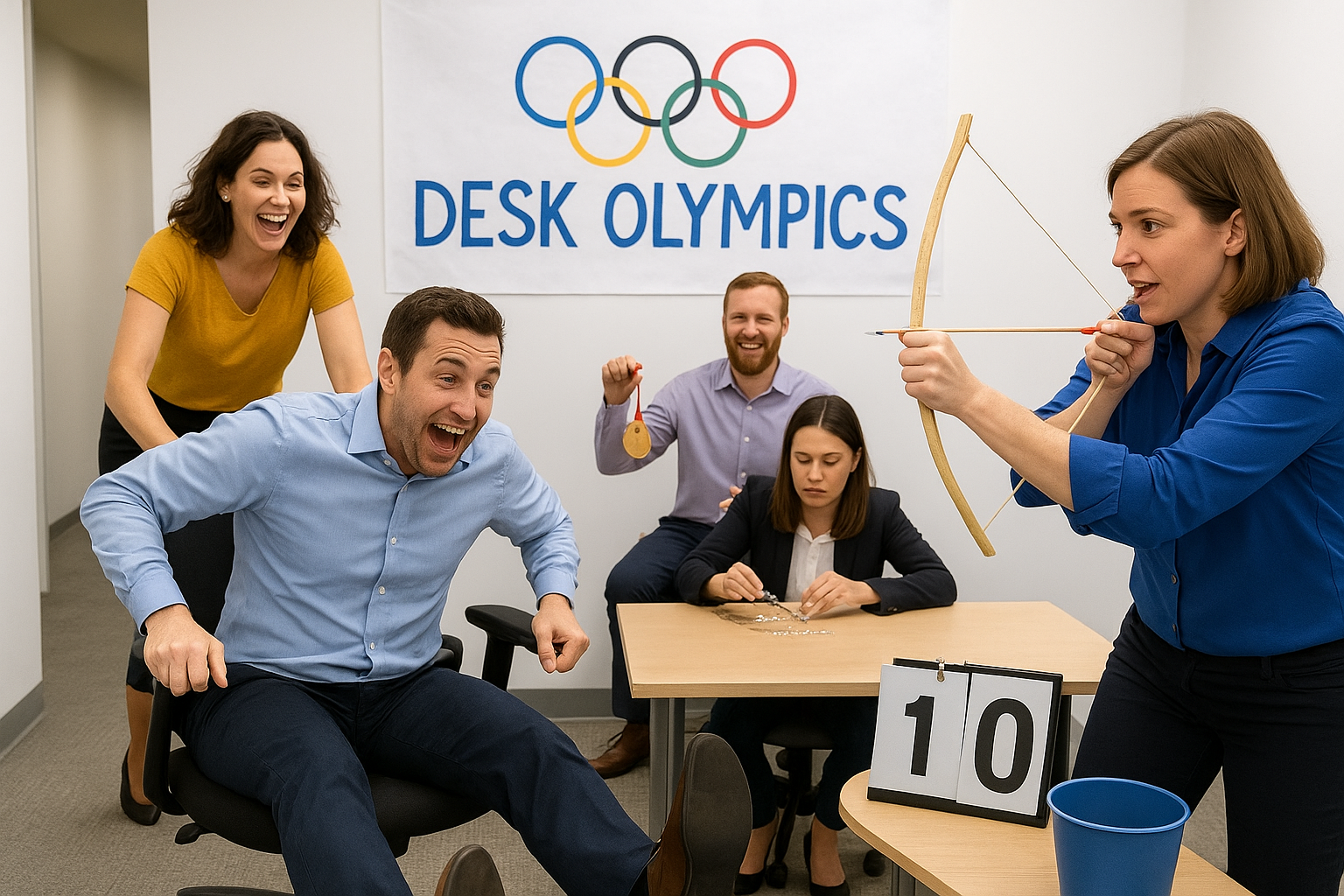
    Turn the office itself into a stadium and you’ve got one of the most flexible funny team building activities on this list, because every event uses stuff already sitting on people’s desks. Chair races, rubber band archery, paperclip long jump, and stapler curling all become legitimate "sports" for an afternoon, complete with medal ceremonies and painfully serious commentary.

    5. Desk Olympics

    How it works

    Pick five or six events that use office supplies as equipment: rolling chair relay races down a hallway, rubber-band-powered target shooting, tape-ball basketball into a trash can, or a paperclip chain assembly race against the clock. Assign teams of three or four, rotate through each event in heats, and keep a running scoreboard. A designated "Olympic committee" of two or three people can judge close calls and hand out fake medals at the end, which adds to the bit without slowing things down.

    Why it’s funny

    Watching a director sprint down a carpeted hallway in an office chair, or missing a tape-ball shot from three feet away, works because everyone’s terrible at these events by design. Mock-serious commentary from a host announcing "the world record" for stapler curling turns ordinary supplies into genuine comedy. Nobody expects competence here, so every attempt gets a laugh.

    The lower the stakes of the sport, the bigger the laughs when someone takes it too seriously.

    Best for

    Desk Olympics fits offices with 15 to 80 people and works especially well as an afternoon energizer or a Friday wind-down before a long weekend.

    What you’ll need

    • Rolling chairs, rubber bands, paperclips, tape, and trash cans
    • A stopwatch and scoreboard
    • Fake medals or a trophy (dollar-store items work fine)
    • An open hallway or clear floor space for events

    6. Head, shoulders, knees, and cup

    Grab a stack of plastic cups and you’ve got one of the funniest team building activities that needs zero budget and about ninety seconds of explanation. Two players face off across a table, each with a cup between them, while a caller shouts body parts to touch before the players race to grab the cup. It’s a schoolyard game dressed up for the office, and it works precisely because nobody expects a corporate event to include a game this dumb.

    How it works

    Set a cup on the table between two players, then have a caller shout a sequence like "head, shoulders, knees" while both players touch each part as fast as they can. Somewhere in the sequence, the caller throws in a fake command like "cup" without actually saying it, or reverses the order to trip people up. Whoever grabs the real cup first wins the round, and losers rotate out while new challengers step in. Run it as a single-elimination bracket so the whole office gets pulled into cheering for whoever’s left standing.

    Why it’s funny

    The false-start reflex is what sells this game. Watching a coworker lunge for a cup that was never called, then freeze mid-motion with everyone laughing, never gets old. Bracket-style eliminations raise the stakes just enough that grown adults start trash-talking over a plastic cup, which is exactly the kind of harmless chaos that makes people loosen up fast.

    A fake-out over a plastic cup gets bigger laughs than any rehearsed icebreaker.

    Best for

    This game suits smaller groups of 10 to 30 people and works best as a quick energizer between meetings or as a lunchroom tournament rather than a standalone event.

    What you’ll need

    • Two plastic cups per matchup
    • A table or desk for each pairing
    • A caller with a loud voice and good comedic timing
    • A simple bracket sheet if running a tournament

    7. Escape room with a comedic twist

    Swap the usual spy-thriller escape room for one built around absurd scenarios, like solving a llama’s tax fraud or breaking a supervillain out of a nap, and you’ve got one of the more memorable funny team building activities on this list. The puzzles still demand real problem-solving, but the theme keeps everyone laughing instead of stressing over the clock.

    How it works

    Book a commercial escape room with a comedy-themed room, or build a DIY version using props, locked boxes, and printed clues hidden around the office. Split into teams of four to eight, hand each group the same absurd backstory, and set a 45 to 60 minute countdown. Teams work through riddles, hidden codes, and silly physical tasks together, with a game master dropping ridiculous hints if anyone gets stuck.

    Why it’s funny

    The comedy comes from the mismatch between how seriously teams treat the puzzles and how ridiculous the plot actually is. Watching a finance director sprint across the room because a rubber chicken holds the final clue never stops being funny. Absurd storylines paired with real time pressure produce genuine panic-laughs, not scripted jokes.

    The sillier the plot, the harder people work to solve it, and that mismatch is where the real comedy lives.

    Best for

    Comedic escape rooms fit groups of 20 to 60 people split into small teams, and they work especially well for offsites or client entertainment events where you want something more immersive than a standard icebreaker.

    What you’ll need

    • A booked commercial escape room with a comedy theme, or a DIY room built with props and printed clues
    • A game master or facilitator to run hints
    • A countdown timer visible to all teams
    • Enough space for four to eight teams to work simultaneously if running multiple rooms at once

    8. Office Traitors-style trickery game

    Borrow the format from the hit reality show and you’ve got one of the sneakiest funny team building activities on this list. A few players get secretly assigned as "traitors" while everyone else plays as "faithful," and the whole office spends an afternoon trying to figure out who’s lying without tipping off the real culprits. This one works because the humor builds slowly, then explodes at the reveal.

    How it works

    Assign three or four traitors privately, maybe by slipping a note in their bag or pinging them a secret message, while everyone else assumes they’re all faithful. Run a few rounds of simple team challenges throughout the day, then gather for a "round table" where the group votes to banish someone they suspect is a traitor. Traitors secretly meet between rounds to pick a faithful player to eliminate, and the game continues until either all traitors get caught or they outlast the faithful group.

    Why it’s funny

    Watching normally composed coworkers turn into terrible liars is the whole show. Bad poker faces crack under pressure fast, and the accusations that fly during round table discussions get more dramatic than anyone expects from people who share a Slack channel every day. The paranoia builds naturally, and secret alliances formed mid-game produce some of the best inside jokes an office will have all year.

    Watching your calmest coworker completely fail to lie convincingly is funnier than any scripted bit.

    Best for

    This game suits groups of 15 to 40 people and works best as a full-day or half-day event rather than a quick energizer, since the slow reveal is what makes it land.

    What you’ll need

    • Secret assignment slips or private messages for traitors
    • A private meeting space for traitor huddles
    • A facilitator to run round tables and track eliminations
    • A dramatic host for the final reveal

    9. Silly-constraints building challenge

    Hand a team a bag of spaghetti and marshmallows, then tell them to build the tallest tower in the room, and you’ve got one of the most reliably funny team building activities because the constraints themselves are the joke. Marshmallow towers, blindfolded block building, or paper-only bridge construction all force smart people to solve real engineering problems with materials that were never meant to hold weight. That mismatch between the goal and the tools is what makes this one land every time.

    9. Silly-constraints building challenge

    How it works

    Give teams of three or four a fixed kit, twenty sticks of spaghetti, one roll of tape, one marshmallow, and eighteen minutes on the clock, then task them with building the tallest freestanding structure that can support the marshmallow on top. Add a wrinkle for extra chaos: one team member has to build blindfolded while teammates shout instructions, or the whole team can only use one hand each. Measure results at the buzzer and award a prize for tallest, sturdiest, or most creative failure.

    Why it’s funny

    Structural collapse at the worst possible moment gets the biggest laugh in the room, especially when it happens ten seconds before time runs out. Blindfolded builders fumbling tape while teammates yell contradictory directions turns a simple task into genuine slapstick, and absurd material limits guarantee nobody’s tower survives contact with gravity for long.

    The funniest part of any building challenge is the moment the tower falls right before the buzzer.

    Best for

    This challenge fits groups of 15 to 60 split into small teams, and it works especially well for engineering, product, or ops teams who enjoy a puzzle with real stakes attached to it.

    What you’ll need

    • Spaghetti, tape, and marshmallows (one kit per team)
    • A stopwatch or phone timer
    • A tape measure for judging height
    • Blindfolds if adding the extra constraint

    10. Virtual game show for remote teams

    Remote teams get left out of most funny team building activities because the games assume everyone’s in one room, but a hosted virtual game show flips that problem into an advantage. Trivia, quick-draw guessing rounds, and rapid-fire polls run through a video call with breakout rooms, so scattered offices and home workers all compete on the same screen at the same time.

    How it works

    Book a host, either a professional emcee or a confident coworker, to run a live trivia or game-show format over Zoom or Teams, using a polling tool to collect answers in real time. Split attendees into breakout rooms of four or five for team huddles between rounds, then bring everyone back to the main call for reveals and a running leaderboard. Mix in a few personal questions about coworkers alongside standard trivia to keep engagement high even for people who don’t know pop culture trivia.

    Why it’s funny

    The comedy shows up in the reactions everyone sees on camera at once. Wrong answers on camera get replayed and mocked in real time, since the whole call watches the leaderboard update live. A good host who teases losing teams on mic without making anyone feel singled out keeps the mood light instead of competitive in a bad way.

    Watching the whole team’s face freeze after a wrong answer, live on camera, beats any scripted icebreaker.

    Best for

    This format suits fully remote or hybrid teams of 10 to 100 people, and it’s one of the few funny team building activities on this list built specifically for people who never share a physical room.

    What you’ll need

    • A video platform with breakout room functionality
    • A live polling or trivia tool
    • A hired host or a confident internal emcee
    • A shared leaderboard visible on screen throughout

    11. Improv comedy workshop

    Bring in an improv instructor for an afternoon and you get one of the most reliable humorous team building activities for teams that freeze up during brainstorms or hesitate to speak up in meetings. Improv strips away the fear of saying the wrong thing, since the entire format runs on saying yes to whatever your scene partner throws at you, no matter how strange.

    How it works

    A facilitator opens with warm-up games like "yes, and," where partners build a story one line at a time without ever shutting down an idea, then moves into short scenes built from audience suggestions. Pairs or trios act out two-minute scenarios, a job interview for a superhero, a cooking show gone wrong, while the rest of the group watches and calls out new twists mid-scene. Rounds rotate fast enough that everyone performs at least twice, and nobody sits out for long.

    Why it’s funny

    Comedy in improv comes from unscripted reactions, not memorized jokes. Watching a normally reserved accountant commit fully to playing a dramatic pirate captain, with zero warning and zero script, produces the kind of laughter that catches everyone off guard. The games also force active listening, since a scene collapses the moment someone stops paying attention to their partner, and that tension between focus and chaos is where the real humor lives.

    The funniest moments in improv happen the second someone stops thinking and just reacts.

    Best for

    Improv workshops fit groups of 15 to 40 people, and they work especially well for teams looking to build better listening habits and faster on-the-spot thinking alongside the laughs, not just a one-off energizer.

    What you’ll need

    • A professional improv facilitator or comedy troupe
    • An open room with space to move and form small groups
    • A list of warm-up games and scene prompts
    • No props required, though a hat full of suggestion slips adds fun

    12. Lip sync or karaoke battle

    Hand someone a hairbrush microphone and watch decades of professionalism disappear in under ten seconds. A lip sync or karaoke battle turns a conference room into a stage where coworkers who’ve never sung a note in public suddenly commit fully to Whitney Houston or Bon Jovi, and that commitment is the whole show. This one belongs on any list of funny team building activities because it needs almost no setup and guarantees a room full of laughter within the first performance.

    12. Lip sync or karaoke battle

    How it works

    Set up a small stage area with a speaker system, a microphone, and a playlist of recognizable songs across a few decades. Let teams or individuals sign up ahead of time to pick their song, then run a bracket-style competition where performers lip sync or sing live while judges score on energy, showmanship, and audience reaction. Give performers a prop bin with sunglasses, boas, and fake instruments to raise the stakes without raising the difficulty.

    Why it’s funny

    Full commitment to a silly song is funnier than any actual singing talent, and watching a quiet IT manager throw himself into a Freddie Mercury impression flips everyone’s expectations instantly. Judges hamming up their scores like a talent show panel adds another layer of comedy on top of the performances themselves.

    Nobody expects the quietest person in the office to nail a Freddie Mercury impression, and that’s exactly why it works.

    Best for

    This format suits groups of 15 to 60 people and works best as an evening event or the closing act of a longer offsite, since energy peaks fast and holds through several rounds.

    What you’ll need

    • A speaker system and microphone
    • A curated playlist across genres and decades
    • Props like sunglasses, boas, or fake instruments
    • A panel of judges willing to overact their scores

    13. Costume or theme-day contest

    Pick a theme absurd enough that nobody can take it seriously, like "decade you weren’t born in" or "what you’d wear if the office dress code got deleted," and you’ve got one of the easiest funny team building activities to organize with zero facilitator needed. This one runs itself once the theme lands, since the comedy comes from your own coworkers showing up in costume, not from any game mechanic.

    How it works

    Announce a theme a week or two ahead, giving people time to shop, dig through closets, or raid a costume store, then set a specific day for everyone to show up dressed for it. Run judging at lunch with categories like "most committed," "most confusing," and "most likely to explain this to HR," and hand out small prizes like gift cards or a rotating trophy. Photos throughout the day work as a built-in bonus, since the group chat fills with pictures all afternoon anyway.

    Why it’s funny

    Seeing your CFO show up as a dinosaur, or your entire accounting team coordinate as the cast of a show nobody expected them to watch, breaks every assumption people carry about their coworkers. Unexpected costume choices land harder than any planned punchline, since nobody scripted the reveal, and judging categories that reward weirdness over polish push people to lean into the bit instead of playing it safe.

    The best costume contests reward the weirdest choice in the room, not the most polished one.

    Best for

    Costume days suit any group size, from a 10-person department to a 500-person office, since participation scales without extra logistics.

    What you’ll need

    • A theme announced with enough lead time to plan
    • Small prizes or a rotating trophy
    • Judging categories posted somewhere visible
    • A phone camera for group photos

    14. Ridiculous scavenger hunt

    Send teams out with a list of deliberately absurd items to find or photos to stage, like "a coworker doing their best impression of the CEO" or "a picture with a stranger’s dog," and you’ve got a ridiculous scavenger hunt that closes out this list of funny team building activities on a high-energy note. Unlike a standard scavenger hunt built around trivia or landmarks, the comedy here comes from the tasks themselves, since half of them are impossible to complete without looking foolish in public.

    How it works

    Build a list of 15 to 20 tasks that mix physical objects with staged photo or video challenges, then split the office into teams of four or five with a shared group chat for submitting proof. Set a time limit, usually 60 to 90 minutes, and let teams roam the office, building, or nearby neighborhood to knock out as many tasks as possible. A judge reviews submissions at the end and awards points for completion, creativity, and general audacity, since some tasks deserve bonus points just for the effort involved.

    Why it’s funny

    Watching the whole office scroll through submitted photos together is where this activity earns its laughs. Staged photo chaos guarantees at least a few submissions nobody expected, and public task embarrassment, like convincing a stranger to pose for a photo, produces stories that outlast the event itself.

    The photos people submit under time pressure are funnier than anything you could script ahead of time.

    Best for

    This hunt suits groups of 20 to 80 people and works best for offsites, company anniversaries, or any event with enough physical space to let teams spread out and roam.

    What you’ll need

    • A list of 15 to 20 absurd tasks
    • A shared group chat or app for submitting proof
    • A timer and a judge to review submissions
    • Small prizes for top-scoring teams

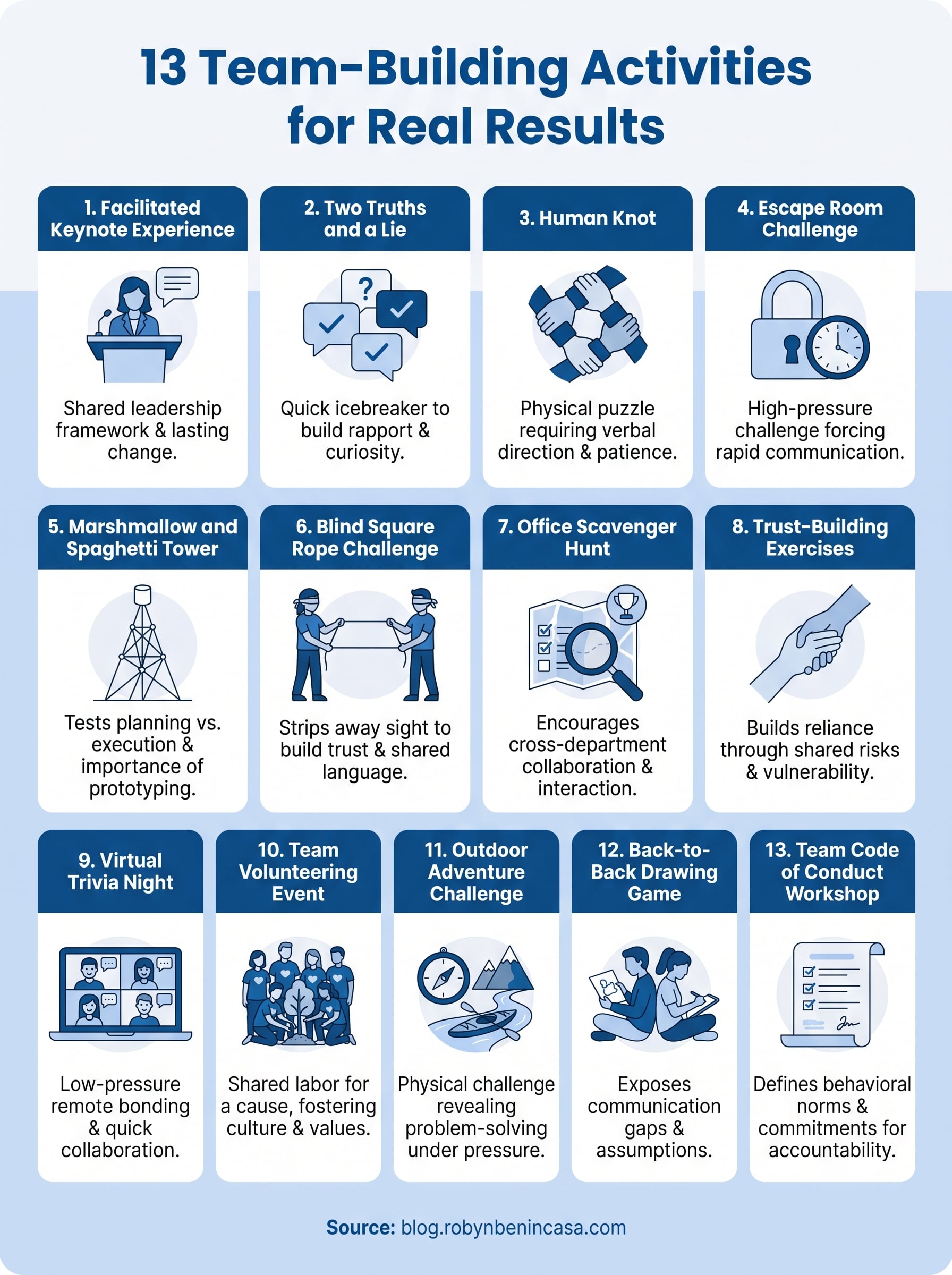
    team building activities funny infographic

    Making laughter part of your team’s culture

    Pick two or three activities from this list and actually schedule them instead of waiting for a slow Friday. Funny team building activities work because they catch people off guard, not because they’re mandatory fun bolted onto a meeting agenda. Consistency matters more than variety here. A team that laughs together once a quarter builds more trust than one that sits through a single polished offsite and never revisits it.

    None of these games replace the harder work of building a culture where people actually want to show up for each other. That takes shared language, real stories, and a framework people can return to long after the confetti settles. If you want a jumpstart that blends genuine laughs with lessons your team will still be quoting months later, book Robyn for your next event and give your people something worth talking about besides another trust fall.

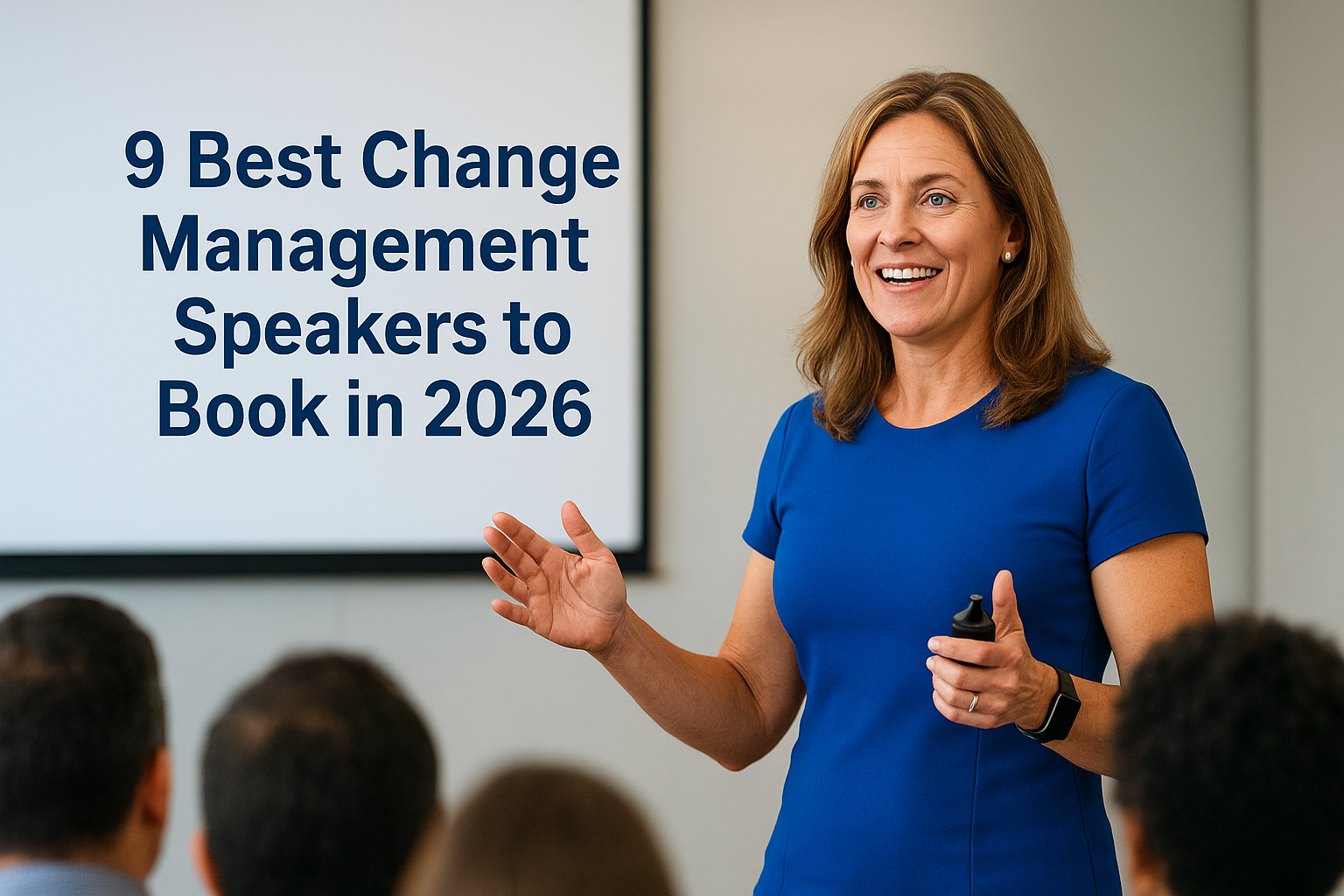
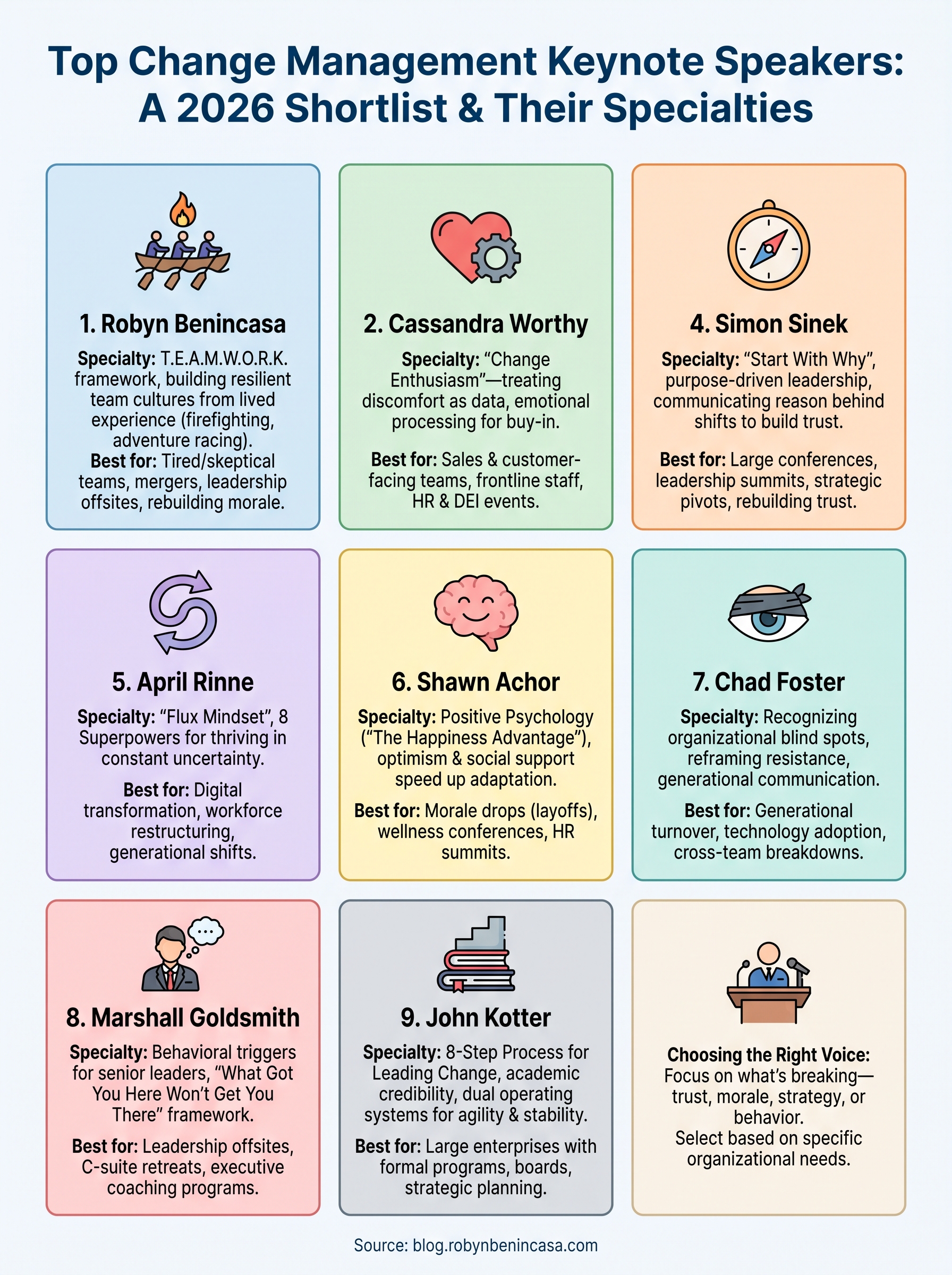
  • 9 Best Change Management Speakers to Book in 2026

    9 Best Change Management Speakers to Book in 2026

    Your organization is going through a merger, a system overhaul, or a leadership shift, and half your workforce is quietly resisting it. That’s the moment most event planners start searching for a change management speaker who can actually shift mindsets, not just deliver a feel-good talk and disappear. The right voice on stage can turn skepticism into buy-in faster than another slide deck from HR ever will.

    This list answers the exact question you’re asking: which change management keynote speakers are worth your budget in 2026. I built it around speakers with real track records, people who’ve led teams through actual high-stakes change, not just consultants reciting theory. You’ll find a mix of backgrounds here, from adventure racing and public safety to corporate turnarounds, because change leadership looks different depending on the room you’re speaking to.

    Below, you’ll get nine top change management speakers worth booking, what each one brings to a stage, and the type of event or audience they fit best. Whether you’re planning a leadership offsite, a sales kickoff, or a company-wide town hall during a rocky transition, you’ll walk away with a shortlist ready for your next call to a speaker bureau.

    1. Robyn Benincasa

    When your organization needs a change leadership speaker who has actually led teams through chaos and come out on top, Robyn Benincasa is the name event planners keep circling back to. She spent over 20 years as a San Diego firefighter running into the exact kind of high-stakes, no-room-for-error situations most corporate change initiatives only pretend to resemble. Pair that with 15 years as captain of world champion adventure racing teams, where a wrong turn or a broken teammate can end your race in the middle of a jungle, and you get a speaker whose lessons on change come from lived experience, not a whiteboard.

    1. Robyn Benincasa

    Specialty

    Robyn’s signature focus is building world-class team cultures that can absorb disruption without falling apart. Her T.E.A.M.W.O.R.K. framework, the 8 Essential Elements of a World-Class Team Culture, gives audiences a practical structure for navigating mergers, leadership turnover, and market pressure without losing cohesion. Her WIN AS ONE and INSPIRING GREATNESS THROUGH G.R.I.T. talks push further into resilience and grit under pressure, both central to any real change management conversation.

    A team that trusts each other survives change; a team that only follows orders just waits for it to end.

    Best for

    Robyn fits best in rooms full of people who are tired, stretched thin, or skeptical that another reorg will actually help them. She’s a strong choice for leadership offsites, sales kickoffs, and company-wide town halls during a merger, restructuring, or performance turnaround. Organizations navigating silos between departments or shaky morale after a rocky quarter tend to see the sharpest results from her talks.

    Notable clients

    Robyn has delivered keynotes for Allstate, InterWest Insurance, Indivior, Boston Scientific, Washington Prime Group, and Northrop Grumman. These are companies spanning insurance, pharmaceuticals, retail real estate, and defense, proof that her framework translates across industries facing very different pressures.

    Fee range

    Robyn’s fees vary by event format, location, and whether the engagement is virtual or in-person. For an accurate quote, request current pricing directly through her booking page, where her team can match availability to your event date and budget.

    2. Cassandra Worthy

    Cassandra Worthy built her entire speaking platform around one idea: change doesn’t fail because of bad strategy, it fails because people never process the emotion attached to it. A former chemical engineer and Fortune 500 sales leader, she left corporate life to found Change Enthusiasm Global after watching talented teams stall out during transitions that had nothing wrong with them on paper. Her energy on stage is high, but the framework underneath it is disciplined and repeatable.

    Specialty

    Worthy’s core concept, Change Enthusiasm, teaches audiences to treat discomfort as data instead of a threat. Rather than pushing people to simply accept change, she trains them to extract the opportunity hidden inside disruption, a distinction that resonates with change management keynote speakers built around emotional intelligence rather than pure strategy.

    Resistance isn’t the opposite of change, it’s the raw material for it.

    Best for

    She works best with sales organizations, customer-facing teams, and companies mid-transformation who need frontline staff emotionally bought in, not just informed. HR and DEI-focused events also book her often.

    Notable clients

    Worthy has spoken for Google, Microsoft, and Coca-Cola, along with numerous Fortune 500 sales conferences and leadership summits.

    Fee range

    Expect a fee range in the $30,000 to $50,000 bracket for a standard keynote, though bureau pricing shifts based on format, exclusivity, and travel.

    write in JSON format per instructions.》 Actually need JSON output only.《c Wait must produce JSON.]}] {

    4. Simon Sinek

    Simon Sinek needs little introduction, but his relevance to change management often gets overlooked in favor of his leadership fame. His breakout idea, Start With Why, has quietly become a foundation for organizations trying to explain change to employees who feel blindsided by it. When people understand the reason behind a shift, resistance drops, and that’s the exact problem most companies hire a change management motivational speaker to solve.

    Specialty

    Sinek’s talks center on purpose-driven leadership and building trust inside organizations facing disruption. He argues that clear communication of purpose is what separates companies that adapt well from companies that fracture under pressure. His later work on infinite mindset thinking extends this into long-term strategic change, helping leaders reframe transformation as an ongoing game rather than a one-time fix.

    People don’t resist change, they resist unexplained change.

    Best for

    He suits large-scale conferences, leadership summits, and organizations undergoing strategic pivots where executives need a unifying message. Companies rebuilding trust after layoffs or restructuring often book him specifically for that reason.

    Notable clients

    Sinek has spoken for Microsoft, American Express, and the United States Navy, among many Fortune 500 audiences worldwide.

    Fee range

    As one of the best change management speakers on the celebrity-adjacent circuit, Sinek commands a premium fee, typically reported in the $100,000-plus range depending on format and exclusivity.

    5. April Rinne

    April Rinne built her career studying how people and organizations respond to constant flux, and she turned that research into one of the more distinctive keynotes in the change space. A global adviser on the future of work who has consulted for the World Economic Forum and the United Nations, she brings a research-backed lens that fits companies wrestling with technology shifts, hybrid work, and generational turnover all at once. Her book, Flux: 8 Superpowers for Thriving in Constant Change, gives her talks a practical spine that goes beyond inspiration.

    Specialty

    Rinne’s core message centers on flux mindsets, the idea that people can train themselves to see uncertainty as an asset rather than a threat. She breaks this down into eight teachable "superpowers," giving audiences concrete behaviors to practice instead of abstract advice. This makes her one of the more actionable speakers on change management for companies that want frameworks their teams can actually use the following week.

    The goal isn’t to eliminate uncertainty, it’s to build a mindset that doesn’t need it eliminated.

    Best for

    She fits best with organizations navigating digital transformation, workforce restructuring, or generational shifts in leadership. HR conferences and future-of-work summits book her regularly.

    Notable clients

    Rinne has advised and spoken for the World Economic Forum, Nike, and Airbnb, along with numerous global HR and innovation conferences.

    Fee range

    Expect fees in the $30,000 to $50,000 range, with variation based on format and travel requirements.

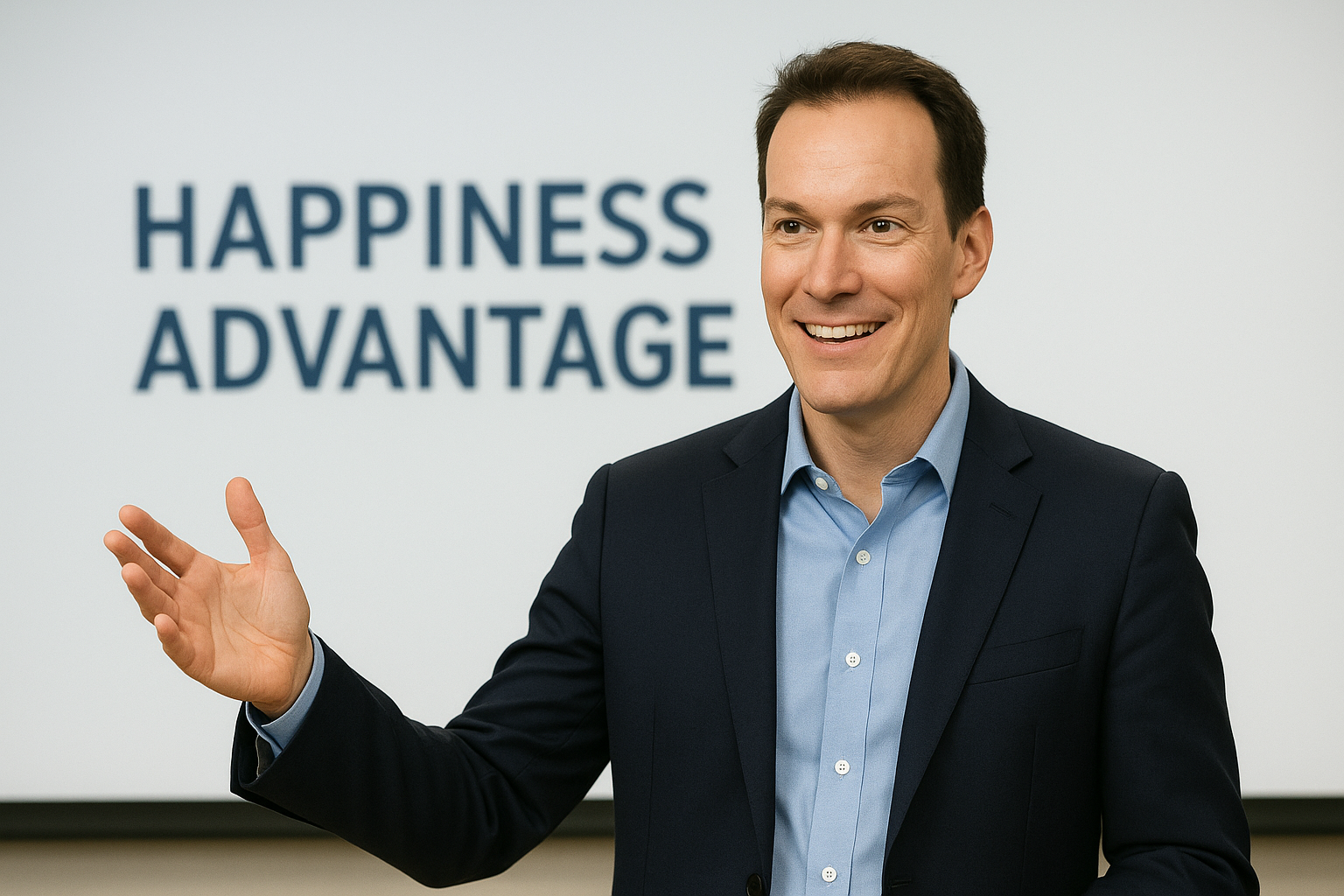
    6. Shawn Achor

    Shawn Achor spent years researching happiness at Harvard before turning that research into one of the most requested keynotes in corporate America. His work argues that positive psychology isn’t a soft add-on to change initiatives, it’s the mechanism that determines whether people can absorb disruption without burning out. Organizations bring him in when leadership suspects morale, not strategy, is the real obstacle to a transformation taking hold.

    6. Shawn Achor

    Specialty

    Achor’s core idea, drawn from his book The Happiness Advantage, is that success follows positive brain states, not the other way around. He applies this directly to change environments, teaching audiences how optimism, social support, and perceived control speed up adaptation during mergers, layoffs, and restructuring. This makes him a favorite among motivational speakers on change management who want data behind the inspiration.

    Happiness isn’t the reward for getting through change, it’s the engine that gets you through it.

    Best for

    He suits companies dealing with morale drops after layoffs, leadership transitions, or back-to-back reorganizations. Wellness-focused conferences and HR summits book him often.

    Notable clients

    Achor has spoken for UBS, Google, and the NFL, along with dozens of Fortune 500 leadership retreats.

    Fee range

    Expect fees between $40,000 and $60,000, with pricing shifting based on virtual versus in-person delivery and travel.

    7. Chad Foster

    Chad Foster turned his own life experience, going legally blind as an adult, into a business framework for spotting organizational blind spots before they turn into crises. He built a corporate career at Coca-Cola and other Fortune 500 companies while losing his sight, which gives his talks on change an unusual credibility: he’s lived through forced adaptation, not just studied it.

    Specialty

    Foster’s signature concept, drawn from his book Blindsided, teaches leaders to recognize change-resistant thinking before it stalls a transformation. He frames resistance as a blind spot rather than a character flaw, which reframes how audiences approach pushback from their own teams. Many companies bring him in as a change leadership speaker specifically because he ties generational communication gaps to change adoption rates.

    The leaders who get blindsided by change are rarely blind to it, they just chose not to look.

    Best for

    He works best with leadership teams facing generational turnover, technology adoption, or a merger where cross-team communication has broken down. Mid-size companies rebuilding trust after a rocky rollout tend to book him for internal leadership summits.

    Notable clients

    Foster has spoken for Coca-Cola, State Farm, and Comcast, along with regional leadership conferences across finance and retail.

    Fee range

    Expect fees in the $15,000 to $30,000 range, making him one of the more accessible best change management speakers for mid-size budgets.

    8. Marshall Goldsmith

    Marshall Goldsmith spent decades as an executive coach to CEOs before he ever stepped onto a keynote stage, and that coaching background shapes everything about how he talks to audiences. He built his reputation on a simple but uncomfortable premise: the habits that got a leader promoted are often the exact habits that sabotage them once the organization changes shape around them. Companies bring him in when the real obstacle to transformation is executive behavior, not strategy.

    Specialty

    Goldsmith’s core framework, drawn from his book What Got You Here Won’t Get You There, targets the behavioral triggers that keep senior leaders stuck during a transition. He pushes audiences past generic advice and into specific, correctable habits, which makes him a favorite keynote speaker on change for executive teams rather than frontline staff.

    The habits that built your career are rarely the habits that will carry it through a transformation.

    Best for

    He fits leadership offsites, C-suite retreats, and executive coaching programs tied to a merger, succession plan, or culture reset at the top of the organization.

    Notable clients

    Goldsmith has coached and spoken for Ford, GE, and Goldman Sachs, along with numerous Fortune 100 executive teams.

    Fee range

    Expect fees starting around $75,000 and climbing higher for exclusive executive coaching engagements bundled with a keynote.

    9. John Kotter

    John Kotter has been the academic backbone of change management since long before the term became a corporate buzzword. A Harvard Business School professor emeritus, he published his 8-Step Process for Leading Change in 1996, and it still shows up in MBA curricula and executive training programs worldwide. Companies bring him in less for stage energy and more for intellectual credibility, especially when a transformation effort needs a research-backed model that leadership can point to when explaining the plan to the board.

    Specialty

    Kotter’s framework breaks large-scale change into sequential, teachable stages, from building a sense of urgency to anchoring new approaches into company culture. His later work on dual operating systems, running an agile network alongside a traditional hierarchy, gives his talks relevance for companies balancing innovation with stability. Few change management speakers carry this much academic weight into a keynote.

    A change effort without urgency is just a memo nobody reads twice.

    Best for

    He suits large enterprises running formal transformation programs, especially those with a project management office or consulting team already using his 8-step model. Boards and executive committees seeking a research-grounded voice book him for strategic planning sessions.

    Notable clients

    Kotter has advised and spoken for Procter & Gamble, IBM, and the World Bank, along with numerous Fortune 500 transformation initiatives.

    Fee range

    Expect fees in the $50,000 to $75,000 range, reflecting his academic stature and decades of published research on organizational change.

    change management speaker infographic

    Choosing the right voice for your event

    Picking from these nine names comes down to one question: what’s actually breaking inside your organization right now? A distracted executive team needs Goldsmith’s behavioral focus. A frontline sales force needs Worthy’s emotional framework. A board that wants academic rigor points toward Kotter. But if your problem is deeper, a team that’s simply stopped trusting each other during the chaos, you need someone who has actually led people through life-or-death stakes and come out with a culture intact.

    That’s the gap Robyn Benincasa fills better than anyone else on this list. Her firefighting career and world championship racing record aren’t marketing angles, they’re where her T.E.A.M.W.O.R.K. framework was actually tested. If your organization needs a change management speaker who can rebuild trust and momentum in the same talk, book Robyn for your next event and see what her team can put together for your date.

  • Team Culture Building: How to Create a Strong Team Culture

    Team Culture Building: How to Create a Strong Team Culture

    You can’t order a strong culture off a menu, and you can’t fake it with a pizza party or a new set of office values on the wall. Team culture building is slow, deliberate work, and most leaders only notice it’s missing after morale drops, turnover spikes, or a merger scrambles the org chart. If you’re searching for answers, you already know the posters aren’t working.

    This guide gives you the real steps for how to build a strong team culture, not the vague version. You’ll get practical, field-tested moves for creating a positive team culture that survives pressure, not just the good months.

    I’ve spent 15 years leading world championship adventure racing teams and 20+ years as a San Diego firefighter, and both jobs taught me the same lesson: shared commitment beats individual talent every time. Below, I’ll walk through what actually separates a good team culture from a mediocre one, and give you concrete team culture ideas you can put to work this week, whether you’re rebuilding trust after a rough quarter or starting fresh with a new team.

    What is team culture, and why does it matter?

    Team culture is the set of unwritten rules that actually run your workplace, not the ones printed in the employee handbook. It’s how people treat each other when a deadline slips, whether a rookie can challenge a veteran’s idea in a meeting, and what happens the moment a leader leaves the room. What is team culture in the workplace, really? It’s the sum of a thousand small decisions your team makes every day about how hard to try, how honest to be, and how much they’ll cover for each other when things go sideways. You don’t write that on a poster. You build it through repeated behavior until it becomes the default.

    During my adventure racing years, I watched this play out on multi-day expedition races where teams paddled, biked, and climbed nonstop for four to ten days straight, often with almost no sleep. The teams with the strongest athletes didn’t win most of the time. The teams that won consistently were the ones where a struggling teammate never got left behind, where someone always said "we’re stopping until everyone’s fed," and where nobody blamed a teammate for a wrong turn at 3 a.m. That’s strong team culture in its rawest form: shared ownership of the outcome, no matter who’s carrying the heaviest pack that hour.

    A strong team culture is the difference between people who show up and people who show up for each other.

    Here’s why this matters for your organization specifically. Gallup’s research on workplace engagement has repeatedly tied strong team dynamics to lower turnover and higher productivity, and you’ve probably seen this firsthand: teams with a positive team culture ride out layoff rumors, budget cuts, and leadership changes without falling apart. Teams without one lose their best people the moment a recruiter calls. Neglecting culture doesn’t just cost you morale points. It costs you retention, referrals, and the kind of institutional knowledge that walks out the door with a two-weeks notice.

    So before you touch a single value statement or team-building exercise, get honest about where you stand today. Ask yourself: if your best performer quit tomorrow, would the team’s culture survive intact, or would it collapse with them? That answer tells you exactly how much foundational work lies ahead.

    Step 1. Define your team’s core values and mission

    Start by naming what you actually stand for, not what sounds good in a press release. Building a team culture without clear values is like racing without a map; you’ll move fast, but you won’t know where you’re headed. When I raced with Team Eco-Internet, we didn’t just say "teamwork matters." We defined exactly what that meant in practice: no one finishes a leg alone, every decision gets made out loud, and complaints come with a proposed fix attached. Those weren’t slogans. They were rules we enforced on ourselves at hour 80 of a race, when quitting felt easier than continuing.

    Grab your team and answer three questions together, not from a corner office alone:

    • What behavior do we want to see when things go wrong?
    • What will we never tolerate, regardless of results?
    • What’s the one outcome we’re all willing to sacrifice comfort for?

    Write the answers down in plain language, five words or fewer per value. "Own your mistakes" beats "foster a culture of accountability" every time.

    If your team can’t repeat your values from memory, you don’t have values, you have wall art.

    Then test them immediately. Bring a real recent conflict to the group and ask whether your new values would have changed the outcome. If the answer is no, creating a team culture around those words is pointless. Rewrite until the values actually predict behavior, not just describe intentions.

    Step 2. Lead by example to set the cultural tone

    Your team watches what you do, not what you say in the all-hands meeting. Leading by example is the fastest way to build team culture, because every shortcut you take gets copied within a week. During a 24-hour mountain bike leg in the Costa Rica jungle, I once watched a team captain fake an injury just to avoid admitting he was exhausted. His team learned that lying beats honesty when things get hard, and it cost them the race two days later when nobody trusted his next call. Setting the cultural tone starts with you owning your own bad days out loud.

    Step 2. Lead by example to set the cultural tone

    People don’t follow your words, they follow your worst moment under pressure.

    Show the behavior before you demand it

    If you want a good team culture built on accountability, admit your own mistakes first, in front of the team, without spinning them. If you want collaboration, ask a junior teammate for their opinion in a meeting and actually use it. Concrete moves that work:

    • Apologize specifically when you’re wrong, naming the error out loud.
    • Ask for help publicly instead of quietly fixing things yourself.
    • Show up early to the hard tasks, not just the visible ones.

    Consistency matters more than intensity here. One heroic gesture won’t overwrite months of cutting corners, but small, repeated acts of integrity will. Team members calibrate their own effort and honesty against yours, whether you’re a firefighter captain or a sales director, so give them something worth matching.

    Step 3. Build trust through open, honest communication

    Trust collapses the moment people start hiding bad news from each other, and you feel it instantly on a team, whether you’re mid-race or mid-quarter. Open, honest communication is the backbone of any strong team culture, because silence always gets filled with assumptions, and assumptions are usually worse than the truth. On expedition races, we ran short debriefs after every leg, no matter how exhausted we were, because unspoken frustration festers faster than any physical injury. If a teammate was falling behind, we said so directly, right then, instead of letting resentment build for six more hours.

    Trust isn’t built in the good conversations, it’s built in the hard ones you don’t avoid.

    Make honesty the easy choice, not the risky one

    People only tell you the truth if the truth doesn’t cost them something. Punish someone for raising a problem once, and you’ll never hear about the next one until it’s a crisis. Try these moves to keep communication flowing both directions:

    • Ask direct questions in meetings: "What’s not working right now?"
    • Thank people publicly for surfacing bad news early.
    • Share your own uncertainty instead of projecting false confidence.
    • Follow up privately on tough feedback, don’t just drop it and move on.

    Regularly practicing these habits is what separates teams with good team culture from ones running on politeness alone. Skip a week of this, and old habits of silence creep right back in.

    Step 4. Recognize wins and reinforce the behaviors you want

    Whatever you celebrate in public, your team will repeat. That’s not a soft leadership platitude, it’s a mechanical fact of human behavior. Recognizing wins the right way means you’re not just handing out praise for hitting numbers, you’re pointing at the specific behavior that got you there. When a paddler on my team pushed through a shoulder injury without complaining and quietly picked up a teammate’s slack, we called it out by name at the next checkpoint, in front of everyone. That single moment of recognition did more to shape positive team culture than any pep talk could have.

    Step 4. Recognize wins and reinforce the behaviors you want

    Praise the behavior, not just the result, or you’ll get more results and less of the behavior that mattered.

    Reward the process, not just the scoreboard

    Most teams only celebrate outcomes: the closed deal, the finished race, the hit quota. That trains people to chase results by any means necessary. Instead, build recognition around the actions you actually want repeated:

    • Call out specific behaviors in meetings, not vague praise like "great job."
    • Recognize the teammate who asked for help, not just the one who solved it alone.
    • Highlight recoveries from mistakes as loudly as you highlight wins.
    • Make recognition public when possible, it teaches the whole team what matters.

    This is one of the simplest team culture ideas to implement, and one of the most skipped. Managers get busy and let good moments pass unnoticed. Don’t. Every unrecognized act of teamwork is a missed chance to reinforce the exact culture you’re trying to build on a team.

    team culture building infographic

    Building culture takes consistency, not perfection

    None of these four steps work as a one-time fix. Building team culture is a daily habit, not a quarterly initiative you roll out and forget. You’ll miss days. You’ll slip back into old patterns when deadlines pile up. That’s fine, as long as you get back to the values, the example-setting, the honest conversations, and the specific recognition the next day. The teams I raced with didn’t win because they were perfect at hour one. They won because they kept choosing each other at hour eighty, when quitting was the easier option.

    Your team is watching how you handle the hard weeks, not just the good ones. That’s where strong team culture actually gets built.

    If you want your leadership team to see these principles in action, with real stories from the racecourse and the firehouse, book Robyn to speak at your next event.

  • 10 Best Motivational Keynote Speakers to Hire in 2026

    10 Best Motivational Keynote Speakers to Hire in 2026

    Booking the wrong keynote speaker motivation talk wastes a budget line and an entire audience’s attention span. You’ve probably sat through a session where the speaker had great energy but nothing that stuck past the coffee break, and you don’t want to repeat that mistake for your next conference or sales kickoff.

    This list solves that problem directly. Below you’ll find ten top motivational keynote speakers who pair genuine stage presence with content your team can actually use back at the office, whether you’re planning a leadership offsite, an annual sales meeting, or a company-wide conference. Each entry covers what the speaker is known for, the kind of audience they fit best, and why organizations keep rebooking them.

    You’ll see a range of backgrounds here, from elite athletes to firefighters to business leaders who’ve turned hard-won lessons into practical frameworks. That mix matters, because an inspirational and motivational keynote speaker works best when their story maps onto the challenges your organization is facing right now, whether that’s a merger, a sales slump, or a culture in need of a reset. Use this guide to narrow your shortlist before you start reaching out for 2026 dates.

    1. Robyn Benincasa

    Background and expertise

    1. Robyn Benincasa

    Robyn Benincasa spent over 20 years as a San Diego firefighter while also captaining world championship adventure racing teams across some of the toughest terrain on the planet, from the Amazon to the Arctic. She’s not a career speaker who studied leadership from a distance. She lived it in burning buildings and multi-day races where a single teammate’s breakdown could end the whole team’s chances. That dual background, firefighter and endurance athlete, gives her a rare credibility with corporate audiences who are tired of theory and want to hear from someone who has actually depended on a team to survive. CNN recognized her work off the racecourse too, naming her a CNN Hero for founding The Project Athena Foundation, which helps women recover from major health setbacks through adventure and sport.

    Signature keynote topics

    Robyn’s talks translate directly from the racecourse to the boardroom, and her most requested programs include:

    • T.E.A.M.W.O.R.K., her framework on the 8 essential elements of a world-class team culture
    • WIN AS ONE, built for organizations trying to break down silos and unify around shared goals
    • INSPIRING GREATNESS THROUGH G.R.I.T., focused on resilience and performance under pressure
    • WHY WINNERS WIN, a deep look at what separates dominant teams from average ones

    She’s also the New York Times best-selling author of How Winning Works: 8 Essential Leadership Lessons From The Toughest Teams on Earth, and event planners can grab her free 18-page guide summarizing these principles before booking.

    The best keynote speaker motivation comes from someone who has actually bet their life on a team, not just studied one.

    Best fit for your event

    Organizations facing mergers, sales slumps, or a culture reset get the most mileage out of Robyn’s message, since her frameworks are built for exactly those pressure points. Companies like Allstate, Boston Scientific, and Northrop Grumman have brought her in for sales meetings, leadership offsites, and full conferences, often reporting measurable shifts afterward, including one sales team that climbed from 17th to 1st nationally. She delivers both in-person and virtual formats, so distributed teams aren’t left out. If your event needs an inspirational and motivational keynote speaker who can hand your team a usable framework instead of just a good story, she belongs at the top of your shortlist.

    2. Simon Sinek

    Background and expertise

    Simon Sinek built his reputation as an author and marketing consultant before becoming one of the most recognized names on the keynote speaker motivation circuit, and his TED talk on "Start With Why" remains one of the most-watched talks on the platform. He doesn’t come from a background of physical risk like an athlete or firefighter. His authority comes from years studying why some organizations and leaders inspire loyalty while others struggle to keep people engaged. That research-driven approach appeals to executives who want a framework grounded in organizational behavior rather than personal survival stories.

    A leader who can’t articulate their "why" will struggle to build a team that stays motivated past the next paycheck.

    Signature keynote topics

    Sinek’s talks circle around a few core ideas he’s refined over more than a decade:

    • Start With Why, his foundational talk on purpose-driven leadership
    • Leaders Eat Last, focused on trust and sacrifice within teams
    • The Infinite Game, about long-term thinking over short-term wins

    Best fit for your event

    Executive audiences and leadership conferences tend to get the most value from Sinek, especially organizations wrestling with purpose or retention问题. His fee sits well into six figures, which prices out smaller companies, and his availability books out far in advance. If your budget and calendar allow it, he suits large-scale conferences looking for a globally recognized name over a more personal, story-driven session.

    3. Brené Brown

    Background and expertise

    Brené Brown spent two decades as a research professor at the University of Houston studying vulnerability, shame, and courage before her 2010 TEDxHouston talk turned her into one of the most requested keynote speaker motivation names in the country. She’s not a former athlete or first responder, and she doesn’t pretend to be. Her authority comes from peer-reviewed research and thousands of interviews, which gives her talks a credibility that resonates with HR leaders and executives who want data behind the emotion. That academic grounding sets her apart from speakers who lean purely on personal anecdote.

    Signature keynote topics

    Brown’s most-booked programs draw directly from her bestselling books, including:

    • Dare to Lead, on courageous leadership and building trust in teams
    • The Power of Vulnerability, her original talk on connection and shame resilience
    • Rising Strong, focused on recovering from setbacks and failure

    Teams don’t fail because people lack talent. They fail when no one feels safe enough to admit a mistake.

    Best fit for your event

    Companies rebuilding trust after layoffs, restructuring, or leadership turnover tend to book Brown because her research gives leaders language for conversations they’ve been avoiding. Her fee typically runs into six figures, and her calendar fills quickly given her media presence, so plan well ahead of your event date. Organizations searching for inspirational and motivational keynote speaker options with a research-backed edge, rather than a story-driven survival narrative, will find her a strong match, particularly for HR-led leadership summits and culture-focused conferences.

    4. John O’Leary

    Background and expertise

    John O’Leary was nine years old when a house fire left him with burns over 100 percent of his body, and doctors gave his family almost no hope he’d survive the night. He did survive, and that experience became the foundation for a keynote speaker motivation career built on gratitude, resilience, and what he calls living "inspired." Unlike speakers who draw on athletic or corporate backgrounds, O’Leary’s authority comes from a single defining event and the decades he’s spent turning it into a philosophy anyone can apply, regardless of their job title or industry.

    Signature keynote topics

    His programs center on a few recurring themes that show up across his books and talks:

    • On Fire, his signature talk on turning adversity into purpose
    • In Awe, focused on rediscovering curiosity and gratitude at work
    • Live Inspired, a practical framework for daily resilience and mindset

    A near-death experience doesn’t make someone inspiring. What they choose to do with the decades afterward does.

    Best fit for your event

    Sales kickoffs, healthcare conferences, and employee wellness events tend to get the most out of O’Leary, since his message centers on personal resilience rather than team strategy. Healthcare and education audiences in particular respond to his story, given the medical detail involved in his recovery. If your event needs an inspirational and motivational keynote speaker who can move a room emotionally without leaning on business jargon, he’s a dependable choice, though organizations wanting a hands-on leadership framework may want to pair him with a more strategy-focused speaker.

    5. Molly Fletcher

    Background and expertise

    Molly Fletcher spent nearly two decades as a top sports agent, negotiating contracts for MLB and NBA All-Stars and PGA Tour golfers before she ever stepped onto a corporate stage. That career earned her the nickname "the female Jerry Maguire," and it’s where she built her real expertise: reading high performers, managing pressure-filled negotiations, and figuring out what separates athletes who sustain excellence from those who burn out. She’s since written five books on peak performance and negotiation, and her stage delivery carries the same energy she used to close million-dollar deals.

    Signature keynote topics

    Fletcher’s programs draw directly from her agent career and her research into high achievers, including:

    • Game Changers, on the mindset shifts that separate top performers from the rest
    • The Energy Bus for Business, focused on sustaining momentum through change
    • Fearless at Work, built around risk-taking and resilience in competitive environments

    Champions aren’t defined by talent alone. They’re defined by how they handle the pressure everyone else avoids.

    Best fit for your event

    Sales organizations and negotiation-heavy industries get strong value from Fletcher, since her background gives her direct credibility on closing deals and managing high-stakes relationships. Companies looking for keynote speakers motivational enough to energize a sales kickoff, while still grounding the message in real negotiation tactics, tend to rebook her. She’s a fitting choice if your audience skews toward business development, client-facing roles, or leadership teams navigating competitive markets where performance under pressure matters most.

    6. Erik Weihenmayer

    Background and expertise

    6. Erik Weihenmayer

    Erik Weihenmayer lost his sight completely by age 13, and instead of treating blindness as a limitation, he became the only blind person to summit Mount Everest and later completed the Seven Summits, climbing the highest peak on every continent. He’s also kayaked the length of the Grand Canyon’s Colorado River, a feat few sighted paddlers attempt. His authority as a keynote speaker motivation draw comes from decades of proving that perceived limitations are often just untested assumptions, and he founded No Barriers USA to help others apply that same mindset to their own obstacles.

    Signature keynote topics

    Weihenmayer’s talks pull directly from his expeditions and the resilience framework he’s built around them:

    • No Barriers, his signature program on redefining what’s possible under adversity
    • Elevation, focused on team dynamics in extreme, high-stakes environments
    • Blind Ambition, a deeper dive into decision-making without full information

    The biggest barrier most teams face isn’t the obstacle in front of them, it’s the story they tell themselves about what’s possible.

    Best fit for your event

    Organizations navigating major uncertainty, whether that’s a market shift, restructuring, or a product launch with real risk attached, tend to book Weihenmayer because his story reframes fear as workable data rather than a stop sign. His delivery works well for both massive conference audiences and smaller leadership retreats. If your event needs an inspirational and motivational keynote speaker whose credibility comes from physical risk rather than boardroom experience, he pairs especially well with change-management or innovation-focused agendas.

    7. Travis Mills

    Background and expertise

    Travis Mills was a Staff Sergeant in the U.S. Army when an IED in Afghanistan took both legs and both arms in 2012, making him one of only five quadruple amputees from that war to survive his injuries. He didn’t retreat from public life after his recovery. Instead, he became a keynote speaker motivation force built entirely on the idea that circumstances don’t get to decide your attitude, a philosophy he sums up as "Never Give Up, Never Quit." His authority isn’t theoretical. He rebuilt a full life, including fatherhood and founding a nonprofit, after an injury most people assume ends any chance of independence.

    Signature keynote topics

    Mills draws his talks directly from his recovery and the foundation he now runs for other injured veterans:

    • Never Give Up, Never Quit, his signature talk on resilience after catastrophic setbacks
    • Tough as They Come, based on his bestselling memoir of the same name
    • Leading Through Adversity, focused on rebuilding purpose after losing everything you relied on

    Resilience isn’t a personality trait. It’s a decision you make again every single morning.

    Best fit for your event

    Veteran-focused organizations, healthcare conferences, and any team pushing through a genuinely hard season respond strongly to Mills, since his story removes any excuse for giving up on a smaller problem. Employees who’ve grown numb to typical motivational messaging tend to sit up for this one. He fits best on agendas that want a raw, unpolished account of adversity rather than a polished business framework.

    8. Sean Swarner

    Background and expertise

    Sean Swarner survived two separate terminal cancer diagnoses before his 25th birthday, first Hodgkin’s disease at 13, then Askin’s sarcoma two years later, and doctors gave him only weeks to live each time. He beat both, then went on to become the only cancer survivor to summit Mount Everest, and later completed the Seven Summits plus expeditions to both poles. That combination makes him a rare keynote speaker motivation booking, since he’s not drawing on a single hard moment but on repeated survival against odds doctors themselves called impossible. Corporate audiences respond to the medical specificity of his story, since it’s verifiable and dramatic without needing embellishment.

    Signature keynote topics

    Swarner’s programs connect his survival story directly to workplace resilience and goal-setting:

    • Cancer to Everest, his core talk linking medical survival to peak physical achievement
    • Setting Big Goals, focused on breaking massive objectives into achievable steps
    • Keep Climbing, built around sustaining motivation through long recoveries or long projects

    Surviving one crisis proves you’re lucky. Surviving two, then climbing the world’s tallest peak, proves you’ve built a system for pushing forward.

    Best fit for your event

    Healthcare organizations, cancer research groups, and pharmaceutical sales teams get the clearest value from Swarner, given how closely his story maps to their daily work. Wellness-focused conferences and employee resource group events also book him regularly for his message on sustained hope during long, uncertain fights. Teams facing a drawn-out turnaround rather than a single crisis will find his pacing especially relevant.

    9. Nicole Malachowski

    Background and expertise

    9. Nicole Malachowski

    Nicole Malachowski made history as the first woman to fly with the Thunderbirds, the U.S. Air Force’s elite aerial demonstration squadron, after already logging combat missions over Iraq. She later became the first female combat aviator inducted into the Women in Aviation Hall of Fame, then served as a White House Fellow advising senior military leadership. A sudden, severe illness later grounded her flying career entirely, forcing her to rebuild her identity outside the cockpit, which adds a layer of resilience most keynote speaker motivation bookings can’t match. That mix of elite performance and unexpected setback gives her credibility with audiences who’ve faced their own forced pivots.

    Signature keynote topics

    Malachowski’s talks draw on both her Thunderbirds career and her recovery from chronic illness:

    • Diversity of Thought, on building teams that perform under pressure through varied perspectives
    • Grit and Resilience, focused on rebuilding purpose after losing your identity
    • Fighter Pilot Leadership, a look at split-second decision-making in high-stakes environments

    Real resilience shows up after the applause stops, when you have to rebuild a life you didn’t plan for.

    Best fit for your event

    Government agencies, defense contractors, and aviation companies book Malachowski often, since her military background speaks directly to their culture. Women’s leadership conferences and healthcare audiences also respond strongly to her illness recovery story. Organizations wanting an inspirational and motivational keynote speaker with both command presence and vulnerability will find her a strong fit.

    10. John Maxwell

    Background and expertise

    John Maxwell has spent more than four decades studying leadership, and his books have sold over 30 million copies worldwide, making him one of the most cited names in keynote speaker motivation circles. He didn’t come up through athletics or the military. His background is pastoral and organizational, having led churches and later founded multiple leadership training companies, including the John Maxwell Company and EQUIP. That long career gives him a depth of applied experience few speakers can match, since his frameworks have been tested across decades of coaching executives, pastors, and small business owners alike.

    Signature keynote topics

    Maxwell’s talks distill decades of leadership coaching into repeatable principles, including:

    • The 21 Irrefutable Laws of Leadership, his foundational framework on what separates effective leaders from the rest
    • Developing the Leader Within You, focused on growing influence before growing title
    • The 5 Levels of Leadership, a roadmap for building authority through trust rather than position

    Leadership isn’t a title you’re given. It’s an influence you earn one decision at a time.

    Best fit for your event

    Organizations investing in long-term leadership development, rather than a single motivational jolt, get the most value from Maxwell, since his content works well paired with internal training programs. Associations, faith-based organizations, and multi-day leadership conferences book him regularly, and his team also offers certification programs that extend his message past the keynote itself. If your event needs a top motivational keynote speaker with decades of proven frameworks behind the stage time, he’s a dependable, if less story-driven, choice.

    keynote speaker motivation infographic

    Choosing the right voice for your stage

    Every name on this list can hold a room, but the right fit depends on what your organization actually needs to hear right now. A team recovering from layoffs needs a different message than a sales force chasing a stretch goal, and matching the speaker’s story to your specific challenge matters more than chasing the biggest name on the circuit. Run through your shortlist against your event’s real problem, not just your budget, and you’ll avoid the wasted booking that started this whole search.

    Robyn Benincasa stands out on this list because her frameworks come from actually depending on a team to survive, not from studying one at a distance. If your organization needs a keynote speaker motivation talk that turns into a usable culture shift long after the applause fades, visit Robyn Benincasa’s site to check her availability for 2026.

  • 12 Top Motivational and Inspirational Speakers for 2026

    12 Top Motivational and Inspirational Speakers for 2026

    Booking the wrong speaker wastes your budget and your audience’s attention. You’ve probably sat through a keynote that sounded great on paper but left the room flat, and you don’t want that happening at your next conference, sales kickoff, or leadership offsite. That’s why you’re hunting for motivational inspirational speakers who can actually back up their reputation with real results, not just a polished stage presence.

    This list narrows the field down to the names worth your time in 2026. You’ll find a mix of proven keynote motivational speakers with track records at major corporations, alongside rising voices bringing fresh perspectives on leadership and culture. Each entry covers what makes that speaker distinct, the industries and audiences they fit best, and what past clients say about hiring them.

    We’ll also break down what separates a top keynote motivational speaker from someone who just tells good stories: specific frameworks, measurable business outcomes, and the ability to connect with your particular team’s challenges. Whether you’re planning a virtual event or a live gathering, you’ll leave this list with real options and a clearer sense of what to look for before you sign a contract.

    1. Robyn Benincasa

    Background and expertise

    1. Robyn Benincasa

    Few names on this list combine firefighting grit with elite athletic achievement quite like Robyn Benincasa. She spent more than 20 years as a San Diego firefighter while simultaneously captaining world championship adventure racing teams, grueling multi-day expeditions across jungles, mountains, and open water that demand teamwork under extreme physical and mental stress. Before any of that, she worked as a pharmaceutical and hospital supply sales rep, which gives her a rare fluency in corporate sales culture that most adventure athletes simply don’t have. That cross-industry path, first responder, elite competitor, and sales professional, is why her material lands with audiences who’ve heard plenty of generic motivational and keynote speaker pitches before and want something with teeth.

    Signature topics and speaking style

    Robyn’s keynotes center on a simple premise: winning teams aren’t built on individual talent, they’re built on a deliberate culture. Her flagship talk, T.E.A.M.W.O.R.K. (8 Essential Elements of a World-Class Team Culture), pulls directly from lessons in her New York Times best-selling book "How Winning Works." Other signature programs include WIN AS ONE, INSPIRING GREATNESS THROUGH G.R.I.T., and WHY WINNERS WIN, each built around real stories from championship racing and firehouse leadership rather than borrowed theory.

    A speaker who has actually led teams through life-or-death stakes brings a credibility that slide decks can’t fake.

    She delivers these talks live or virtually, and her storytelling style favors specific, high-stakes moments over abstract advice, which keeps rooms engaged even during longer sessions.

    Who she’s best for

    Robyn fits organizations navigating real friction: mergers, sales slumps, siloed departments, or teams simply coasting instead of competing. Companies like Allstate, InterWest Insurance, Indivior, Boston Scientific, Washington Prime Group, and Northrop Grumman have booked her for exactly these situations. She’s a strong match for:

    • Sales kickoffs looking to reignite competitive drive
    • Leadership offsites focused on breaking down silos
    • Conferences wanting a top keynote speaker with measurable business outcomes, including cases where sales teams jumped from 17th to 1st nationally
    • HR-driven culture initiatives following organizational change

    Speaking fee range

    Robyn’s fees vary based on format, location, and event scope, with virtual talks typically priced lower than live keynotes. Event planners can request exact pricing and availability directly through her booking page, and her team also offers a free 18-page guide summarizing her core team-building principles for anyone evaluating fit before reaching out.

    2. Tony Robbins

    Background and expertise

    2. Tony Robbins

    Tony Robbins built his reputation over four decades as one of the most recognized motivational keynote speakers in the world, starting with self-help seminars in the 1980s before expanding into business strategy, psychology, and financial coaching. He’s authored bestsellers like "Awaken the Giant Within" and "Unlimited Power," and he’s coached figures ranging from professional athletes to Fortune 500 CEOs. His trademark high-energy stage presence, often stretching four hours or more, has made him a fixture at business conferences and personal development events worldwide.

    Signature topics and speaking style

    Robbins focuses on peak psychology, decision-making under pressure, and what he calls "state control," the idea that managing your emotional state directly changes your results. His delivery is loud, physical, and unscripted, built around audience participation rather than a fixed script.

    Robbins doesn’t just talk about breakthroughs, he engineers them live, in real time, in front of thousands of people.

    Sessions often include exercises where attendees confront limiting beliefs on the spot, which sets him apart from more traditional inspirational keynote speaker formats.

    Who he’s best for

    Organizations that want a large-scale, high-intensity experience tend to get the most value from Robbins. He suits:

    • Large conferences with thousands of attendees and a big production budget
    • Companies focused on personal transformation over team-specific frameworks
    • Sales organizations wanting a jolt of energy rather than a structured culture rebuild

    He’s less suited to intimate leadership offsites or teams needing tactical, day-to-day management advice.

    Speaking fee range

    Fees for Tony Robbins reportedly start well above $500,000 per engagement, placing him among the highest-priced names on this list. Budget-conscious planners should weigh that cost against speakers offering comparable impact at a fraction of the price.

    3. Simon Sinek

    Background and expertise

    Simon Sinek rose to prominence after his 2009 TED Talk "Start With Why" became one of the most-watched talks in the platform’s history, racking up tens of millions of views. Trained as an ethnographer, he built his career studying why some organizations and leaders inspire deep loyalty while others struggle to keep people engaged. His books, including "Start With Why" and "Leaders Eat Last," turned that research into frameworks now taught inside business schools and corporate training programs worldwide. As one of the more academically grounded motivational keynote speakers on this list, he brings a research-first approach rather than pure stage energy.

    Signature topics and speaking style

    Sinek’s core message centers on purpose-driven leadership: organizations that clearly articulate their "why" outperform those focused only on what they sell. His delivery is calm, conversational, and almost professorial compared to higher-energy peers, relying on clear logic chains and memorable one-liners rather than dramatic stage movement.

    People don’t buy what you do, they buy why you do it, and Sinek has built an entire speaking career proving that point.

    That quiet confidence makes him a favorite among executives who want substance over spectacle.

    Who he’s best for

    Sinek suits leadership teams and executive audiences more than large general-admission crowds. Consider him for:

    • Executive retreats focused on organizational purpose and vision
    • Companies rebuilding trust after leadership turnover
    • Conferences targeting mid-level and senior managers rather than frontline staff

    Teams looking for tactical, hands-on team-building exercises may find his material more conceptual than actionable.

    Speaking fee range

    Sinek’s fees typically fall between $100,000 and $200,000 per engagement, depending on format and location. That places him in a similar tier to other established top keynote motivational speakers, though notably below Robbins in overall cost.

    4. Brené Brown

    Background and expertise

    Brené Brown spent two decades as a research professor at the University of Houston before her 2010 TEDx talk on vulnerability turned her into one of the most requested motivational keynote speakers in the corporate world. Her academic background in social work gives her material a rigor that pure motivational content often lacks, and her books, including "Daring Greatly" and "Dare to Lead," have sold millions of copies and shaped how companies talk about courage and accountability at work. Netflix even turned her research into a full special, which broadened her reach well beyond the conference circuit.

    Signature topics and speaking style

    Brown’s central argument is that vulnerability isn’t weakness, it’s the birthplace of courage, innovation, and trust inside teams. She speaks in a warm, story-driven style, mixing personal anecdotes with data from her own research studies rather than borrowed statistics. Her "Dare to Lead" framework has become a staple for organizations trying to build psychologically safe cultures where people admit mistakes without fear.

    Teams that punish vulnerability end up with employees who hide problems instead of solving them.

    That message resonates especially with leaders trying to move past command-and-control management styles.

    Who she’s best for

    Brown fits organizations focused on culture change and emotional intelligence more than pure sales performance. She works well for:

    • HR-led initiatives on psychological safety and inclusion
    • Leadership development programs for new or mid-level managers
    • Companies recovering from toxic culture or high turnover

    Organizations wanting a high-energy, stage-pacing performance should look elsewhere, since her delivery stays measured and conversational throughout.

    Speaking fee range

    Brown’s speaking fees generally run between $100,000 and $200,000 per event, similar to other established names among the top keynote speakers in this tier. Availability can be limited given her ongoing research and writing commitments, so planners should book well in advance.

    5. Mel Robbins

    Background and expertise

    Mel Robbins built her platform as a CNN commentator and radio host before turning a simple countdown technique into a global movement. Her book "The 5 Second Rule" grew out of a personal crisis, unemployment, a failing marriage, and financial stress, and it became a bestseller because it offered something rare in the motivational keynote speaker space: a technique anyone could use in five seconds, backed by neuroscience research on habit formation. She’s since built one of the most downloaded podcasts in the country, giving her direct feedback from millions of listeners on what actually changes behavior.

    Signature topics and speaking style

    Robbins focuses on the gap between knowing what to do and actually doing it, which she argues is the real obstacle for most professionals and teams. Her delivery is fast, practical, and stripped of fluff, favoring specific tools over inspirational stories alone. She teaches the 5 Second Rule as a way to interrupt hesitation and self-doubt before overthinking kills momentum, and she pairs it with research on anxiety, confidence, and decision fatigue pulled from her own reporting.

    Motivation fades in minutes, but a five-second habit you can repeat under pressure actually changes outcomes.

    That blend of science and simplicity makes her one of the more actionable motivational and keynote speaker bookings on the circuit today.

    Who she’s best for

    Companies wanting practical, immediately usable tools rather than abstract philosophy tend to get the most from Robbins. She suits:

    • Sales teams needing a confidence and action-bias boost
    • Conferences targeting individual contributors over senior executives
    • Organizations wanting research-backed content over pure storytelling

    Executive audiences seeking deep strategic frameworks may find her material more tactical than they need.

    Speaking fee range

    Robbins typically charges between $100,000 and $150,000 per engagement, depending on format and audience size. That fee sits comfortably alongside other established top 50 keynote speakers, reflecting her strong name recognition and consistent audience ratings.

    6. Eric Thomas

    Background and expertise

    6. Eric Thomas

    Eric Thomas, widely known as "ET the Hip Hop Preacher," built his story from homelessness as a teenager to earning a doctorate in education and becoming one of the most-watched motivational keynote speakers on YouTube. His early struggles, dropping out of high school, sleeping in abandoned houses, and eventually finding his way back into education, form the backbone of nearly every talk he gives. That lived experience separates him from speakers who studied grit academically rather than survived it, and it’s part of why professional sports teams and college athletic programs call him before big games.

    Signature topics and speaking style

    Thomas preaches relentless work ethic and refusing to accept excuses, delivering his message with the cadence and intensity of a sermon rather than a corporate presentation. His famous line, wanting success as badly as you want to breathe, has been quoted by NFL locker rooms and Fortune 500 sales floors alike.

    When someone tells you their rock-bottom story and then shows you the discipline that got them out, excuses stop sounding believable.

    His style leans loud and physical, closer to Tony Robbins than Simon Sinek, but the substance underneath stays grounded in personal accountability rather than abstract psychology.

    Who he’s best for

    Thomas fits audiences that respond to raw intensity and need a jolt before a high-pressure push. He works well for:

    • Sales teams entering a critical quarter or competitive stretch
    • Athletic programs and locker rooms before championship seasons
    • Conferences wanting an inspirational keynote speaker with an underdog story

    Quieter, research-driven executive retreats are usually a poor match for his delivery.

    Speaking fee range

    Thomas typically charges between $50,000 and $100,000 per engagement, making him more accessible than several names higher on this list while still delivering serious stage presence.

    7. John Maxwell

    Background and expertise

    John Maxwell has spent more than 40 years studying leadership, and his output backs that up: over 30 million books sold in 50 languages, including staples like "The 21 Irrefutable Laws of Leadership" and "Developing the Leader Within You." He started as a pastor before shifting into full-time leadership training, and that teaching background shows in how methodically he breaks down complex ideas. His leadership training company, the John Maxwell Company, has certified thousands of coaches worldwide, giving him a built-in distribution network most speakers never build.

    Signature topics and speaking style

    Maxwell’s material centers on leadership as a learnable skill rather than a fixed trait, built around numbered frameworks audiences can actually recall weeks later. His delivery stays warm and instructional, closer to a masterclass than a rally, with heavy use of stories from decades of consulting work across industries.

    Leadership isn’t about the position you hold, it’s about the influence you build one interaction at a time.

    That framework-heavy approach makes him one of the more structured motivational and keynote speaker bookings available, appealing to audiences who want takeaways they can implement Monday morning.

    Who he’s best for

    Maxwell suits organizations building formal leadership pipelines rather than chasing a single burst of stage energy. Consider him for:

    • Management training programs and internal leadership academies
    • Multi-day conferences wanting reinforced, repeatable frameworks
    • Faith-based or mission-driven organizations aligned with his teaching roots

    Audiences wanting raw emotional intensity or personal transformation stories may find his style more academic than moving.

    Speaking fee range

    Maxwell’s fees generally range from $50,000 to $100,000 per engagement, though virtual formats through his organization can run lower, making him accessible for mid-size leadership programs.

    8. Adam Grant

    Background and expertise

    Adam Grant holds the distinction of being Wharton’s top-rated professor for seven years running, and he’s built his speaking career on translating rigorous organizational psychology research into ideas executives actually use. His books, including "Give and Take" and "Think Again," draw on original studies rather than borrowed anecdotes, which sets him apart from many motivational keynote speakers who lean on personal stories alone. He also hosts the podcast "WorkLife" and writes a regular column for The New York Times, giving him a steady stream of fresh data to fold into his talks. That academic rigor makes him a favorite among companies that want their inspirational keynote speaker to cite peer-reviewed evidence, not just inspiration.

    Signature topics and speaking style

    Grant’s core message challenges assumptions about generosity, creativity, and intellectual flexibility inside organizations, arguing that the best performers rethink their opinions constantly rather than defending them. His delivery stays measured and conversational, closer to a sharp lecture than a rally, packed with counterintuitive research findings that make audiences reconsider how they hire, collaborate, and give feedback.

    The smartest people in the room aren’t the ones with the most answers, they’re the ones most willing to update their thinking.

    Who he’s best for

    Organizations wanting evidence over emotion tend to get the most value from Grant. He suits:

    • Innovation teams and R&D groups seeking research-backed frameworks
    • Executive audiences skeptical of pure motivational content
    • Companies redesigning feedback culture or hiring practices

    Speaking fee range

    Grant’s fees typically range from $100,000 to $200,000 per engagement, placing him among the pricier top keynote speakers on this list, reflecting his academic credentials and steady media presence.

    9. Les Brown

    Background and expertise

    Les Brown turned a childhood label of being "educable mentally retarded" into one of the most enduring rags-to-riches stories in the speaking business. He worked as a DJ, served in the Ohio legislature, and battled cancer before building a four-decade career as one of the most-booked motivational keynote speakers in the country. His book "Live Your Dreams" and years of PBS specials introduced his voice to audiences well beyond the corporate circuit, and that broad recognition still fills rooms today. Few speakers on this list carry his combination of longevity and name recognition across generations of event planners.

    Signature topics and speaking style

    Brown preaches resilience against long odds, built around his own story of being written off early and refusing to accept that verdict. His delivery is warm, rhythmic, and preacher-like, closer to Eric Thomas than Simon Sinek, built on repetition and audience call-and-response rather than data or slides.

    Someone who was told he’d never amount to anything, then built a career convincing others they will, carries a credibility no framework can replicate.

    That emotional throughline makes him one of the most reliably moving motivational and keynote speaker bookings for closing sessions.

    Who he’s best for

    Brown fits events wanting an emotional high point rather than a tactical workshop. Consider him for:

    • Closing keynotes meant to send attendees out energized
    • Nonprofit galas and fundraising events
    • Audiences facing setbacks who need a comeback narrative

    He’s a weaker fit for technical leadership training or research-driven executive retreats.

    Speaking fee range

    Brown’s fees typically range from $50,000 to $100,000 per engagement, making him accessible for mid-size conferences and nonprofit events while still delivering a recognizable name.

    10. Lisa Nichols

    Background and expertise

    Lisa Nichols grew up on public assistance in South Central Los Angeles and worked her way from a single mother with $12 to her name into a New York Times best-selling author and one of the most sought-after motivational keynote speakers in the personal development world. Her breakout came through an appearance in "The Secret," which introduced her storytelling to a global audience, and she followed it with books like "Abundance Now" that translated her personal turnaround into repeatable principles. Nichols also built Motivating the Masses, a training organization that has coached tens of thousands of people, giving her material a tested structure beyond a single stage appearance.

    Signature topics and speaking style

    Nichols centers her talks on transformation through radical self-belief, walking audiences through the exact mental shifts that moved her off government assistance. Her delivery is emotional and unapologetically personal, often moving audiences to tears before pivoting into practical exercises on goal-setting and self-worth.

    A speaker who lived through genuine scarcity and rebuilt from nothing gives permission to an audience that thinks their own comeback is impossible.

    That vulnerability, paired with concrete action steps, makes her one of the more actionable inspirational keynote speaker bookings for audiences facing real hardship.

    Who she’s best for

    Organizations wanting an emotionally resonant, personal-growth-focused session tend to get the most value from Nichols. She suits:

    • Women’s leadership conferences and diversity-focused events
    • Sales teams needing a confidence rebuild after a difficult stretch
    • Nonprofit and community events centered on personal transformation

    Executive retreats wanting purely tactical business frameworks may find her style more emotionally driven than they expect.

    Speaking fee range

    Nichols typically charges between $50,000 and $100,000 per engagement, depending on format and event size, placing her in a comparable tier to other established motivational and keynote speaker names built on personal transformation stories rather than academic research.

    11. Patrick Lencioni

    Background and expertise

    Patrick Lencioni built his reputation as a management consultant long before he became one of the most requested keynote motivational speakers on organizational health. He founded The Table Group, a consulting firm focused on executive teams, and wrote "The Five Dysfunctions of a Team," a business fable that has sold millions of copies and shows up on nearly every corporate reading list. Unlike speakers who lean on personal hardship stories, Lencioni built his career on consulting engagements with real companies, which gives his frameworks a tested, repeatable structure rather than a single inspiring anecdote.

    Signature topics and speaking style

    Lencioni’s core argument is that organizational health beats intelligence or strategy when it comes to long-term performance, since dysfunctional teams waste enormous energy on politics and confusion. His delivery stays conversational and instructional, using his five dysfunctions model, absence of trust, fear of conflict, lack of commitment, avoidance of accountability, and inattention to results, as a diagnostic tool audiences can apply immediately.

    A team that avoids healthy conflict isn’t being polite, it’s setting itself up for bigger problems down the road.

    That model-driven approach makes him a favorite among executives who want a motivational keynote speaker who thinks like a consultant, not a performer.

    Who he’s best for

    Lencioni fits organizations diagnosing specific dysfunction rather than seeking pure stage energy. He works well for:

    • Executive teams struggling with trust or accountability gaps
    • Leadership offsites focused on organizational health assessments
    • Companies implementing formal team-building frameworks over multiple sessions

    Audiences wanting high emotion or personal transformation stories may find his content more clinical than moving.

    Speaking fee range

    Lencioni’s fees typically range from $50,000 to $100,000 per engagement, with consulting-based follow-up work often available at additional cost for organizations wanting deeper implementation support.

    12. Magic Johnson

    Background and expertise

    12. Magic Johnson

    Earvin "Magic" Johnson closed out his Hall of Fame basketball career with five NBA championships before building a second act that most athletes never manage: a genuine business empire. His company, Magic Johnson Enterprises, has generated billions in revenue across movie theaters, Starbucks franchises, and financial services aimed at underserved communities. That transition from locker room to boardroom gives him rare standing among motivational keynote speakers, since he’s not just recounting championship moments, he’s built and sold real businesses using the same competitive instincts.

    Signature topics and speaking style

    Johnson’s talks connect team chemistry on the court to team chemistry in the office, drawing on his years playing alongside Kareem Abdul-Jabbar and coaching under Pat Riley during the Lakers’ Showtime era. His delivery is conversational and warm, often structured as a fireside chat rather than a scripted speech, which lets him riff on business lessons in real time.

    Championship teams and successful companies both run on the same fuel: people who trust each other enough to pass up the easy shot for the better one.

    That blend of sports nostalgia and entrepreneurial insight makes him one of the more crossover-friendly motivational and keynote speaker bookings for mixed audiences.

    Who he’s best for

    Johnson suits audiences that respond to star power paired with real business substance. He fits well for:

    • Sales conferences wanting a recognizable name with entrepreneurial credibility
    • Diversity and inclusion events focused on economic empowerment
    • Corporate galas seeking a crossover appeal between sports fans and executives

    He’s a weaker match for teams needing tactical, research-driven frameworks.

    Speaking fee range

    Johnson’s fees typically start around $100,000 and can climb higher depending on format, exclusivity, and travel requirements, reflecting his continued celebrity status decades after retiring from basketball.

    motivational inspirational speakers infographic

    Finding the right voice for your event

    Every name on this list can fill a room, but the right fit depends on what your team actually needs. A sales floor chasing a number needs different fuel than an executive team repairing trust after a merger. Match the speaker’s substance to your specific problem, not just their name recognition, and you’ll get a session people still reference months later instead of a forgettable afternoon.

    Robyn Benincasa stands apart because her frameworks come from lived experience under real pressure, not borrowed theory. Firehouses and championship expedition teams don’t run on motivational quotes, they run on trust built under stress, and that’s exactly what she teaches corporate teams to replicate. If your organization needs a motivational keynote speaker who can translate that into measurable results, explore Robyn’s speaking topics and book a consultation to see if she fits your next event.

  • 12 Workplace Team Building Activities to Unite Your Team

    12 Workplace Team Building Activities to Unite Your Team

    Trust falls and awkward icebreakers don’t build anything except eye-rolls. If your team still dreads the words "team building," you’re not alone, and it’s usually a sign the activity was picked for entertainment value instead of results. Team building and activities only work when they’re tied to real collaboration challenges your people face every day.

    This list gives you workplace team building activities that actually move the needle, exercises rooted in the same principles that win world championship adventure races and unite firefighters who have to trust each other with their lives. You’ll find options for small teams and large groups, quick 20-minute exercises and half-day sessions, plus ideas that work whether your team sits in the same office or logs in from three time zones.

    I’ve spent 20 years building teams under pressure, first as a San Diego firefighter, then as captain of a world champion adventure racing team, and now helping companies like Allstate and Northrop Grumman apply those same lessons. Below are 12 team building activities for teams that build real trust, break down silos, and get coworkers pulling in the same direction, not just for an afternoon, but long after the event ends.

    1. Bring in a leadership keynote speaker

    Starting a conference or offsite with a keynote speaker isn’t just a warm-up act. When you bring in someone who has actually led teams through pressure and failure, you give everyone in the room a shared language for the work that follows. It’s the difference between telling people to "communicate better" and showing them exactly what breaks down when a team doesn’t, using real stories from the field. This is one of the most effective team building activities for workers because it sets the tone for every activity that comes after it, from a scavenger hunt to a strategy session.

    How it works

    A good keynote isn’t a motivational pep talk. It’s a structured session where the speaker breaks down a framework, like my T.E.A.M.W.O.R.K. model built from 15 years of world championship adventure racing, and connects each element directly to what your organization is facing right now, whether that’s a merger, a sales slump, or departments that don’t talk to each other. I work with event planners beforehand to pull in specifics about their company so the examples land, not generic slides. The session can run in person or virtually, and it typically closes with a concrete takeaway list your teams can apply the same week.

    A keynote works when people leave with a plan, not just a good feeling.

    Team skills it builds

    Done right, a keynote speaker builds the foundation every other team activity for team building depends on: shared vocabulary and buy-in. Specifically, it develops:

    • Trust and psychological safety, by showing leaders what vulnerability under pressure actually looks like
    • Cross-departmental alignment, since everyone hears the same message at the same time
    • A framework for accountability, giving managers language to reference for months afterward
    • Renewed motivation, especially useful when morale has taken a hit from layoffs or restructuring

    Best for

    Executives and HR leaders planning a conference, sales kickoff, or leadership offsite get the most out of this format, particularly when the organization is navigating change, silos, or a performance slump. It also suits companies that have tried generic workplace team building activities before and found they didn’t stick. Businesses in high-stakes industries, insurance, pharmaceutical, defense, and financial services among them, tend to respond well to stories drawn from firefighting and elite competition because the stakes feel familiar. If your goal is a single event that reframes how the whole room thinks about teamwork before you run smaller exercises, this is where you start.

    Time and group size

    Keynotes are built to flex around your agenda, whether you’re speaking to 50 people or 5,000.

    Format Typical length Group size
    In-person keynote 45-60 minutes 50 to 5,000+
    Virtual keynote 30-45 minutes Unlimited
    Keynote plus workshop Half day 20-200

    Most planners pair the keynote with a Q&A or a short breakout workshop to reinforce the material, but even a standalone talk gives your team a common starting point they’ll reference in meetings for months.

    2. Escape room challenges

    Escape rooms have become a go-to option for workplace team building activities because they force people to solve problems together under a ticking clock, no lecture required. Whether you rent a commercial room downtown or bring a portable kit into your office, the format works the same way: a locked scenario, a stack of clues, and one shared deadline that nobody can beat alone. That last part matters. It’s one of the few activities for a team building session where the pressure is real enough that personalities show up fast, who takes charge, who checks out, who talks over everyone else.

    2. Escape room challenges

    How it works

    Groups of four to eight get locked into a themed room or scenario and have 45 to 60 minutes to find clues, crack codes, and solve puzzles to "escape." Larger teams split into smaller squads and run parallel rooms, then compare times afterward. The best facilitators build in a debrief immediately after, asking what worked, what stalled the group, and who ended up leading. Skip that debrief and you’ve just run a fun outing, not a team building activity.

    An escape room only teaches teamwork if someone asks what happened after the timer stops.

    Team skills it builds

    Escape rooms surface communication gaps and decision-making habits fast, under conditions your team can’t fake their way through.

    • Problem-solving under time pressure
    • Delegation, since no one person can solve every puzzle
    • Active listening, when someone shouts a clue across the room
    • Quick trust-building among people who don’t normally work together

    Best for

    This fits mixed-department groups who don’t collaborate day to day and need a low-stakes reason to work as one unit. It’s especially useful for newly merged teams or departments coming out of a reorg, since the shared challenge gives people something neutral to bond over. Skip it for teams already drowning in high-pressure deadlines; recreating stress isn’t the same as relieving it.

    Time and group size

    Budget 90 minutes total, including setup, the room itself, and a real debrief conversation. Commercial rooms typically cap at 6 to 8 people per room; for larger groups, book multiple rooms and compare notes afterward. Portable in-office kits scale further and cost less per person than renting a venue.

    3. The human knot

    The human knot is old-school, but it earns its spot on almost every list of team building activities for workers because it costs nothing and works in a conference room, a hallway, or a grassy patch outside the office. Everyone stands in a circle, reaches across, and grabs two different hands. Then the group has to untangle itself without letting go. No props, no budget, just bodies and patience.

    How it works

    Gather six to twelve people in a tight circle. Each person extends both hands into the center and grabs the hands of two different people who aren’t standing directly next to them. Once every hand is paired, the group works together to untangle the knot into a single circle or two separate circles, without anyone releasing their grip. It usually takes a few false starts before someone figures out that stepping over an arm or rotating under a bridge of hands opens things up. Set a loose time limit, ten minutes works well, so the group feels urgency without giving up too soon.

    The knot doesn’t untangle until someone stops giving orders and starts asking what everyone else sees.

    Team skills it builds

    This is a physical exercise, but the lessons transfer straight to how a team solves problems at a desk.

    • Nonverbal communication and patience, since talking over each other rarely helps
    • Spatial problem-solving, spotting a path when the obvious move is blocked
    • Shared leadership, as different people spot the solution at different stages
    • Tolerance for discomfort, both physical and the awkwardness of close contact

    Best for

    The human knot suits teams that are still getting to know each other, new hires, freshly merged departments, or a group meeting in person for the first time after months of remote work. It’s also a solid warm-up before a more serious workshop, since it loosens people up fast. Skip it with groups that include anyone with mobility limitations or a strong aversion to physical contact; there are better activities in team building for those situations.

    Time and group size

    Budget 15 to 20 minutes total, including a short debrief on who ended up leading the untangling. Six to twelve people per knot is the sweet spot; larger groups should split into multiple knots running side by side.

    4. Two truths and a lie

    Two truths and a lie earns its place among classic workplace team building activities because it does something rare: it makes coworkers actually curious about each other. Each person shares three statements about themselves, two true and one invented, and the group votes on which one is the lie. It sounds simple, but you’d be surprised how much a team learns about a colleague they’ve sat next to for three years without ever really talking to.

    How it works

    Go around the room or the video call and have each person share three statements, phrased so the lie isn’t obvious. Give people a minute to think beforehand so the statements have some substance, a surprising hobby, an unusual job history, a weird fact, rather than throwaway lines. The group discusses and votes before the person reveals the lie. Keep it moving so quieter members don’t get skipped, and set a time cap of two minutes per person so it doesn’t drag.

    People stop treating coworkers like job titles once they know something real about them.

    Team skills it builds

    This exercise works because curiosity is the first ingredient in trust, and trust is what most team building activities for teams are ultimately trying to build.

    • Active listening, since guessing correctly requires paying attention to details
    • Psychological safety, as people share something personal in a low-risk format
    • Cross-team familiarity, especially valuable when departments rarely interact
    • Humor and lightness, which lowers defenses before a harder conversation

    Best for

    This fits new hires, onboarding sessions, and teams that just merged after a reorg or acquisition. It’s also a reliable opener for meetings where half the attendees have never met in person. Skip it with groups who already know each other well; the novelty wears off fast, and repeating it signals a lack of imagination rather than genuine interest in connection.

    Time and group size

    Budget 15 to 30 minutes depending on group size, roughly two minutes per person plus guessing time. It works for groups as small as four and scales up to twenty before energy starts to drag; beyond that, split into smaller circles.

    5. The marshmallow and spaghetti tower challenge

    The marshmallow and spaghetti tower challenge is a favorite among team building activities for workers because it exposes how a group actually plans under a deadline, not how they say they plan. Give each team 20 sticks of dry spaghetti, a yard of tape, a yard of string, and one marshmallow, then task them with building the tallest free-standing structure that can hold the marshmallow on top. Stanford’s design school popularized this exercise, and it still works because the constraints are tight enough to force real decisions fast.

    5. The marshmallow and spaghetti tower challenge

    How it works

    Split into teams of three to five and hand out identical kits: spaghetti, tape, string, and the marshmallow. Set an 18-minute timer and let teams build without interference. Most groups spend the first ten minutes arguing over a plan and the last two minutes panicking, which is exactly the point. Measure the tallest structure that’s still standing with the marshmallow balanced on top when time runs out, then run a debrief on what each team’s process looked like.

    Teams that build early and fail fast beat teams that plan perfectly and never test anything.

    Team skills it builds

    This challenge is one of the more revealing activities for team building because it puts prototyping and planning styles on display in real time.

    • Rapid prototyping over perfect planning, since teams that build early outperform teams that only theorize
    • Resource management, deciding how much tape and string to commit before knowing what works
    • Role clarity, as someone naturally starts directing structure while others test stability
    • Handling failure gracefully, when a tower collapses with two minutes left on the clock

    Best for

    This suits teams stuck in analysis paralysis or heavy approval chains, since the exercise rewards fast iteration over consensus-building. Engineering, product, and sales teams tend to get the most out of it because the parallels to real project work are obvious within minutes.

    Time and group size

    Budget 30 minutes total: a five-minute briefing, the 18-minute build, and a debrief. Works well for groups of 12 to 60, split into teams of three to five competing side by side.

    6. Office scavenger hunts

    Office scavenger hunts turn a dull Friday afternoon into one of the more flexible workplace team building activities you can run without hiring an outside facilitator. Teams get a list of items to find or tasks to complete, a photo of the break room mascot, a signature from someone in accounting they’ve never met, and a time limit to finish. Unlike an escape room, you control the entire scenario, which means you can tailor it to your actual office, your actual departments, and the specific silos you’re trying to break down.

    How it works

    Build a list of 15 to 20 clues that require teams to interact with people or places outside their usual routine, a selfie with someone from IT, a fact about the company’s founding, a scanned QR code hidden in the warehouse. Split the office into mixed teams of four to six, making sure no team is made up entirely of one department. Set a 45 to 60 minute window and require photo or video proof for each completed item. Award points for creativity, not just speed, so teams that improvise get rewarded alongside teams that move fast.

    A scavenger hunt only builds teamwork when the clues force people to talk to someone they’d normally never approach.

    Team skills it builds

    This format is one of the more adaptable activities in team building because you design the challenges around your actual org chart.

    • Cross-departmental relationships, since clues can be written to require contact with specific teams
    • Time management, balancing which clues to chase and which to skip
    • Creative problem-solving, especially with open-ended or riddle-style clues
    • Friendly competition, which boosts energy without raising real stakes

    Best for

    Scavenger hunts suit larger offices where departments rarely cross paths, and they work well as a lighter follow-up to a heavier session like a keynote or workshop. New employee cohorts also benefit, since the hunt doubles as an informal office tour. Skip it for fully remote teams unless you adapt the clues to a virtual format.

    Time and group size

    Budget 90 minutes total: 15 minutes to explain rules, 45 to 60 minutes to hunt, and 15 minutes to review answers and award points. Scales comfortably from 12 to 100 people, split into teams of four to six.

    7. Volunteering together for a shared cause

    Volunteering as a group turns team building and activities into something that actually matters beyond the office walls, and that shift changes how people show up. Building a playground, packing meal kits, or renovating a shelter gives coworkers a shared goal with real stakes, not a manufactured challenge. I’ve watched this firsthand through Project Athena, where survivors and volunteers work side by side toward something bigger than any one person’s job title, and the bonds that form there rival anything I saw on a championship racing team.

    How it works

    Pick a project that requires actual teamwork, not just showing up and writing a check. Building a Habitat for Humanity home, staffing a food bank shift, or organizing a donation drive all require people to coordinate tasks, hand off tools, and rely on each other to finish. Partner with a local nonprofit a few weeks out so the day has real structure and a defined outcome your team can point to afterward. Close the day with a short reflection, what surprised you, what would you do differently, so the experience sticks rather than fading into a nice memory.

    Teams that struggle together for someone else remember it longer than teams that struggle together for themselves.

    Team skills it builds

    Shared purpose does something internal exercises rarely manage on their own.

    • Empathy and perspective-taking, from working outside the company’s usual context
    • Cross-level collaboration, since executives and entry-level staff do the same physical tasks
    • Shared purpose, which strengthens loyalty to the team, not just the job
    • Resilience, when the work is physically or emotionally demanding

    Best for

    This fits organizations wanting to strengthen culture around values, not just performance metrics, and it’s especially effective after a difficult year, layoffs, restructuring, or public setbacks that left morale bruised. Companies with strong CSR commitments get compounding value here, since the day supports both team culture and public mission.

    Time and group size

    Budget a half day to a full day depending on the project scope. Groups of 10 to 50 work well; larger organizations should split into multiple sites or shifts to keep everyone actively engaged rather than standing around waiting for a task.

    8. Trust-building exercises

    Trust-building exercises cover a specific category of workplace team building activities designed to test whether people will rely on each other when the stakes feel real, even if the risk is staged. The classic trust fall belongs here, but so do less clichéd versions: blindfolded obstacle courses, trust walks where one partner guides another through a maze verbally, and paired exercises where one person describes a task while the other executes it without seeing the instructions. The goal isn’t the fall itself, it’s what happens in the seconds before someone lets go.

    8. Trust-building exercises

    How it works

    Pair people up, ideally across departments or seniority levels, and run a short series of exercises where one person depends on the other’s guidance or physical support. A blindfolded obstacle walk works well: one partner navigates blind while the other calls out directions, then they switch roles. Keep each round under ten minutes and rotate partners so trust gets tested with more than one person. Debrief immediately, asking what made trusting the partner easier or harder, since that conversation is where the real learning happens.

    Trust isn’t built by falling backward once, it’s built by choosing to rely on the same person again.

    Team skills it builds

    These exercises target the emotional layer underneath most workplace friction.

    • Vulnerability and reliance, practiced in a low-stakes setting before it’s needed in a high-stakes one
    • Clear, direct instructions, since vague guidance fails fast when someone can’t see
    • Empathy, from experiencing what it feels like to depend on someone else’s judgment
    • Faster repair after conflict, since teams who’ve practiced trust recover quicker from disagreements

    Best for

    Teams rebuilding after a conflict, a leadership change, or a period of low morale benefit most from this category of activities for team building. It also suits teams preparing for high-pressure projects where reliance on each other isn’t optional.

    Time and group size

    Budget 30 to 45 minutes for two or three rounds plus debrief. Works best in pairs, so groups of 10 to 30 people rotate smoothly through multiple partners.

    9. Office trivia challenges

    Office trivia challenges belong on this list because they turn competitive energy into workplace team building activities without anyone needing an outdoor space, a budget for kits, or an offsite location. Split into small teams, answer rounds of questions, mix in company-specific trivia alongside pop culture and history, and let the scoreboard do the rest. Nothing fancy is required, just a host, a set of questions, and a group willing to argue over answers in a group chat or a huddle.

    How it works

    Build five or six rounds of eight to ten questions each, blending general knowledge with questions specific to your company, the year it was founded, an inside joke from last year’s retreat, the name of the office plant everyone waters. Split into teams of four to six, mixing departments so no single team can lean on one person’s expertise. Run it live with a host calling out questions, or use a simple platform that projects questions to a screen for both in-person and remote participants. Score each round and reveal a leaderboard between rounds to keep energy up.

    Trivia only builds a team when the questions make people compare notes, not just shout answers.

    Team skills it builds

    Good trivia rounds reward group memory over any one person’s knowledge, which is exactly what makes it useful as one of several team activities for team building.

    • Quick consensus-building, since teams have limited seconds to agree on an answer
    • Institutional knowledge sharing, especially with company-specific rounds
    • Light competition, which energizes a room without raising real stakes
    • Inclusion of quieter voices, since trivia rewards knowledge, not volume

    Best for

    This fits teams looking for a low-effort, high-energy activity to close out a meeting, a Friday afternoon, or a hybrid all-hands where some people join remotely. It also works well as a recurring monthly event rather than a one-time exercise.

    Time and group size

    Budget 30 to 45 minutes for five to six rounds plus a final scoring wrap-up. Scales from 8 to 100 people, split into teams of four to six competing side by side.

    10. Skill-swap lunch and learns

    Skill-swap lunch and learns take the idea of a mentorship program and compress it into an hour, making them one of the more practical team building work activities you can run without hiring anyone. One employee teaches a skill they know well, Excel shortcuts, a design tool, public speaking tricks, while everyone else eats lunch and asks questions. Nobody has to be a professional trainer. They just have to know something useful and be willing to share it.

    How it works

    Pick one volunteer per session to teach a 20 to 30 minute mini-lesson on something relevant to their work or a hobby they’re skilled at. Book a conference room, order lunch, and let the presenter walk through their topic with a live demo if possible, since watching someone actually do the thing beats a slide deck every time. Rotate presenters weekly or monthly across departments so the spotlight moves around the office instead of landing on the same few people. Keep a running sign-up sheet so volunteering feels easy rather than like an assignment.

    A lunch and learn works because it treats every employee like they have something worth teaching, not just something to learn.

    Team skills it builds

    This format quietly reshapes how people see their coworkers’ value beyond their job title.

    • Cross-training, giving teams backup knowledge when someone’s out
    • Recognition, since presenting a skill is a low-pressure form of visibility
    • Curiosity about other roles, especially across departments that rarely interact
    • Confidence building, for employees who don’t usually get to lead a room

    Best for

    This suits offices looking for a recurring, low-cost habit rather than a one-time event, and it works especially well for teams with a wide range of tenure and specialties. Companies trying to surface hidden expertise, the person who’s quietly great at a tool nobody else uses, get outsized value here.

    Time and group size

    Budget 45 to 60 minutes including lunch and questions. Works for groups of 8 to 40; larger offices should run parallel sessions on different topics.

    11. Outdoor field day challenges

    Outdoor field day challenges bring back the energy of a company picnic but structure it around team building work activities instead of just burgers and a volleyball net. Think relay races, tug of war, a three-legged obstacle course, and a tournament bracket that mixes departments onto the same squad. The format works because it gets people moving, competing, and cheering for coworkers they might only know from email threads, and physical energy tends to loosen people up faster than any icebreaker script.

    11. Outdoor field day challenges

    How it works

    Block off a park, sports field, or large parking lot and set up four to six stations: relay races, tug of war, a scavenger-style obstacle course, and a low-stakes tournament like cornhole or kickball. Divide the whole company into mixed teams ahead of time, cross-departmental only, so sales isn’t just competing against sales. Rotate stations every 20 to 30 minutes and keep a running scoreboard so momentum builds toward an afternoon awards moment. Bring water, shade, and a backup indoor plan for weather.

    A field day only builds a team when the rosters mix departments; leave people with their usual desk neighbors and you’ve just run a picnic.

    Team skills it builds

    Physical, low-pressure competition surfaces cooperation habits that don’t show up in meetings.

    • Cross-departmental bonding, since teams are deliberately mixed
    • Encouragement and morale support, watching coworkers cheer for people outside their usual circle
    • Friendly competitive spirit, which boosts energy without real workplace stakes
    • Physical trust and coordination, especially in relay or partner-based stations

    Best for

    Larger companies with an annual budget for a bigger event get the most value here, particularly organizations wanting a workplace team building activity that feels like a reward rather than a workshop. It suits teams heading into a busy season who need a morale boost beforehand, and works well as an annual tradition rather than a one-off.

    Time and group size

    Budget a half day, four to five hours including setup, rotations, and an awards close. Scales well from 30 to several hundred people across multiple stations running in parallel.

    12. Virtual team building activities for remote teams

    Virtual team building activities exist because a distributed team can’t rely on hallway chats or shared lunch breaks to build rapport, so you have to engineer those moments on purpose. Options range from virtual escape rooms and online trivia to a shared Slack channel where people post their weirdest home office setup, but the common thread is intentional structure. It team building activities often fall into this category too, since remote developers and IT staff frequently work async across time zones and need scheduled, low-friction ways to connect that don’t feel like another meeting.

    How it works

    Pick one focused activity per session rather than stacking several into a single call, since video fatigue kills energy fast. A virtual trivia round, an online version of two truths and a lie, or a collaborative whiteboard challenge using a tool like Miro all work well within a 30 to 45 minute window. Assign a host to keep the pace moving and mute-manage the group, and always send materials or prompts ahead of time so people aren’t scrambling on camera.

    A remote team doesn’t need more meetings, it needs a handful of moments that don’t feel like work at all.

    Team skills it builds

    Good virtual sessions replace the informal bonding that in-person offices get for free.

    • Async collaboration habits, since remote work depends on clear handoffs
    • Familiarity across time zones, especially for teams that rarely overlap live
    • Comfort on camera, which improves every future video meeting
    • Inclusion of remote-only hires, who often miss out on organic culture

    Best for

    This suits fully remote or hybrid teams spread across regions, particularly companies that hired heavily during remote-first years and never built culture rituals to match. It also works as a lighter complement to an annual in-person offsite.

    Time and group size

    Budget 30 to 45 minutes per session, ideally recurring monthly. Works for groups of 5 to 50; larger teams should split into breakout rooms to keep participation high.

    team building and activities infographic

    Making team building part of your culture

    None of these 12 activities work as a one-time fix. Team building and activities stick when you treat them as an ongoing habit, not a checkbox you clear once a year at an offsite. Pick two or three from this list that match where your team actually struggles right now, whether that’s silos between departments or a remote crew that never bonded, and build a rhythm around them. A monthly trivia round, a quarterly volunteer day, a recurring lunch and learn: small, repeated moments beat one big event every time.

    If you want a stronger starting point than a scavenger hunt can give you, bring in someone who’s led teams through real pressure and can hand your people a framework they’ll actually use. That’s the fastest way to turn a room full of coworkers into a team that pulls together long after the event ends. Book Robyn to speak at your next event and give your team something worth remembering.

  • 13 Team-Building Activities That Actually Strengthen Teams

    13 Team-Building Activities That Actually Strengthen Teams

    Most team-building activities you find online are recycled icebreakers that get a laugh in the moment and change nothing by Monday morning. If you’ve run a trust fall or a scavenger hunt and watched your team go right back to the same silos and communication gaps, you already know the problem. The activity itself was never the point. What actually builds a team is shared struggle toward a real goal, the kind that forces people to depend on each other and figure out how to win together.

    This list skips the filler and focuses on activities that mirror what actually works, drawn from lessons learned racing across jungles and deserts with teammates whose lives depended on trusting each other completely. Each one is built to strengthen communication, accountability, and morale in ways that carry back into the office.

    You’ll find 13 activities here, ranging from quick exercises you can run in a 30-minute meeting to full offsite challenges for leadership teams. Some need zero budget, others fit a corporate retreat. All of them are designed to expose how your team currently solves problems and give them a better way to do it, together.

    1. Book a facilitated team-building keynote experience

    Most team-building activities on this list work best when someone with real experience frames why they matter and connects them to the stakes your team actually faces. That’s the gap a facilitated keynote experience fills. Instead of handing a manager a printed list of games and hoping for the best, you bring in a speaker who has lived the lessons, who can open a meeting or offsite with a story that makes the rest of the day’s exercises land differently. I’ve done this hundreds of times, walking teams through the same principles that kept my adventure racing crews alive and winning across some of the toughest terrain on earth, then translating those lessons directly into the pressures of sales floors, hospitals, and executive suites.

    How it works

    A facilitated keynote isn’t a motivational speech that ends when the applause stops. It’s built around a specific leadership framework, like the eight elements of a world-class team culture, and it’s customized to your organization’s actual challenges before you ever get on stage. The process typically looks like this:

    • A pre-event call to understand your team’s current friction points, whether that’s silos, low morale, or a merger shaking up culture
    • A keynote or workshop session, delivered live or virtually, that mixes real stories with practical tools
    • Optional breakout exercises where teams apply the framework to their own goals
    • Take-home materials, like a leadership guide, so the lessons don’t evaporate the next morning

    Best for

    This format suits leadership teams, sales organizations, and entire departments that need more than a one-off game to shift how they operate. It’s the right call when you’re kicking off a conference, closing out a sales meeting, or trying to unify a workforce after a reorg or acquisition. Companies like Allstate and Northrop Grumman have used this approach specifically because printed slogans and standalone icebreakers weren’t moving the needle on actual performance.

    Time and group size

    A keynote runs 45 to 90 minutes and scales from a leadership team of 20 to a conference hall of several thousand, in person or virtual. Extended workshop formats can run half a day when you want breakout exercises layered on top of the talk itself.

    Why it works

    Games alone rarely change behavior because they don’t answer the question everyone in the room is silently asking: why does this matter to my job? A facilitated keynote answers that question first, using proof from high-stakes, real-world team performance, then gives people a shared vocabulary they’ll reference for months afterward, in meetings, in hallway conversations, in how they handle conflict.

    A game changes an afternoon. A shared framework, taught well, changes how a team makes decisions for years.

    If you’re planning an offsite or conference and want the rest of the activities on this list to actually stick, this is where you start. You can see available topics and book Robyn for your next event to anchor the day around lessons that come from real championship team culture, not theory.

    2. Two truths and a lie

    This classic works because it’s low-stakes and instantly personal. Everyone states three facts about themselves, two true and one false, and the group has to guess which one is fiction. It’s often the first team-building activity people think of, and there’s a reason it’s stuck around this long: it forces people to actually listen to each other instead of just waiting for their turn to talk.

    How it works

    Each person gets sixty seconds to share three statements about themselves. The group discusses and votes on which statement they think is the lie, then the person reveals the answer. Keep the pace quick so it doesn’t drag into a full hour of guessing games. A few ground rules help:

    • No statements about work titles or job history, keep it personal
    • Encourage surprising or specific details, not vague claims
    • Cap each round at two minutes including the reveal

    Best for

    Use this with new teams, onboarding groups, or remote hires who haven’t built rapport yet. It’s a strong opener for a meeting where half the room has never met in person, especially after a merger or a wave of new hires joining a growing department.

    Time and group size

    Budget 15 to 30 minutes for a group of 6 to 15 people. Beyond that, break into smaller circles or you’ll lose the room’s attention halfway through.

    Why it works

    People remember surprising facts about coworkers far longer than they remember a title or department. That small act of vulnerability and curiosity starts breaking down the assumptions people make about each other based on role or seniority alone.

    The fastest way to build trust on a team is to make people curious about each other again.

    It won’t fix deep silos on its own, but it’s a fast, free way to loosen up a room before heavier work begins.

    3. Human knot

    The human knot is a physical puzzle disguised as a team-building activity. Everyone stands in a circle, reaches across, and grabs two different hands that aren’t a neighbor’s. The group then has to untangle itself into a circle without letting go. It looks silly for the first minute and gets serious fast once people realize talking is the only way out.

    3. Human knot

    How it works

    Form a tight circle of 8 to 12 people. Each person extends both hands into the middle and grabs two different hands belonging to two different people, never the person standing directly next to them. Once every hand is linked, the group works together to untangle the knot into a single circle, without breaking any grip. Some quick guidelines:

    • No letting go, ever, even when it seems impossible
    • Someone has to call out directions since not everyone can see the whole knot
    • Set a 10-minute cap so it stays a challenge, not a grind

    Best for

    This fits mid-size teams that already know each other but need practice communicating under mild pressure. It works well in a conference room during an offsite, or outdoors if you’ve got the space. Skip it with a group that’s brand new to each other, since it requires close physical contact that works better once some trust already exists.

    Time and group size

    Plan for 15 to 20 minutes with 8 to 12 people per knot. Larger groups should split into multiple circles running at the same time, then compare how each team solved it.

    Why it works

    No single person can see the whole tangle, which forces the group to rely on verbal direction and patience instead of one person taking charge and solving it alone. It surfaces who naturally steps into a coordinating role and who tends to go quiet under pressure.

    A knot only comes undone when the group agrees to move slowly and listen to the one voice that can actually see the way out.

    Debrief it by asking who ended up giving directions and why. That conversation usually says more about your team than the puzzle itself.

    4. Escape room challenge

    Escape rooms turn a team-building activity into a countdown. Your group gets locked into a themed room, or a virtual equivalent, and has to solve a chain of puzzles to "escape" before time runs out. Unlike a lot of icebreakers, there’s a real stake here: the clock doesn’t care about your org chart, and it exposes fast who defaults to problem-solving mode versus who waits to be told what to do.

    How it works

    Groups typically book a commercial escape room or bring in a portable kit for the office. The format usually breaks down like this:

    • A briefing explains the theme and the one rule that matters: work together or run out of time
    • The team splits attention across multiple puzzle stations simultaneously
    • Clues only make sense when someone shares what they found with the rest of the room
    • A facilitator or app tracks the countdown and can offer hints if the group stalls

    Best for

    This suits departments planning an offsite or smaller teams of coworkers who want a shared challenge outside the office. It’s a strong fit for groups that lean analytical, like engineering or finance teams, since the puzzles reward the kind of thinking they already do daily, just applied to each other instead of spreadsheets.

    Time and group size

    Most rooms run 60 minutes and hold 6 to 10 people comfortably. Larger departments should book multiple rooms and compare completion times afterward.

    Why it works

    A hard deadline forces rapid, honest communication because there’s no time for politics or ego. People either share what they know immediately or the whole group loses.

    Nothing exposes how a team actually communicates faster than a clock that doesn’t stop for anyone.

    Debrief by asking who took charge, who got ignored, and whether that pattern shows up back at the office too.

    5. Marshmallow and spaghetti tower

    The marshmallow and spaghetti tower is a fast, hands-on team-building activity that puts engineering under pressure. Give each small group the same kit of raw spaghetti, tape, string, and one marshmallow, then set a timer. The goal is simple: build the tallest freestanding structure that supports the marshmallow on top. What happens in those 18 minutes tells you a lot about how your team actually plans and adapts.

    5. Marshmallow and spaghetti tower

    How it works

    Split into teams of four or five and hand out identical materials. The classic kit looks like this:

    • 20 sticks of dry spaghetti
    • One yard of string
    • One yard of tape
    • One standard marshmallow

    Set an 18-minute timer and let teams build without further instructions. The marshmallow must sit on top, unsupported by hands, when time runs out. Measure each tower and announce a winner.

    Best for

    This works well for cross-functional teams who need a quick reminder that planning beats guessing. It’s a strong fit for project teams, product groups, or any department that tends to jump straight into execution without testing assumptions first.

    Time and group size

    Budget 25 to 30 minutes total, including a short debrief, for groups of four to five people. It scales easily to a dozen tables running at once, which makes it a solid choice for larger offsites.

    Why it works

    Most teams waste the first ten minutes planning and building one tall structure, only to watch it collapse the second the marshmallow goes on. The teams that win usually test small prototypes early and adjust fast instead of committing to one idea. That’s the real lesson: early, cheap failure beats a late, expensive one.

    The teams that win aren’t the ones with the best plan. They’re the ones willing to test their plan and fail fast, before the clock forces the failure on them.

    Debrief by asking which teams tested early versus which ones planned the whole time. That gap usually mirrors how your projects actually run back at the office.

    6. Blind square rope challenge

    The blind square rope challenge strips away the one sense most teams lean on without thinking: sight. Everyone puts on a blindfold, holds a length of rope, and has to work together to form a perfect square using only verbal communication. There’s no leader appointed and no visual cues to fall back on, so this team-building activity forces a group to build a shared plan out of words alone.

    6. Blind square rope challenge

    How it works

    Lay out a long loop of rope on the floor and have the group put on blindfolds before they pick it up. Once everyone’s holding the rope, give them one instruction: form a perfect square, then call out when they think they’ve done it. A few setup notes:

    • Use rope long enough that a square gives each person a few feet of space
    • Remove blindfolds only after the group calls time, not before
    • Set a 15-minute cap so frustration doesn’t take over

    Best for

    This fits teams that talk over each other or default to one loud voice in meetings. It’s especially useful for groups coming off a rocky project where communication broke down, since the exercise makes that same dynamic visible in a low-stakes setting instead of a real deadline.

    Time and group size

    Plan for 20 to 25 minutes with groups of 8 to 15 people. Bigger departments can run several ropes side by side and compare how each group organized itself.

    Why it works

    Without sight, a team has to agree on a common language fast, corner, left, pull, or the whole exercise stalls. It exposes who naturally organizes chaos and who talks past everyone else without checking if the group actually understood them.

    Take away sight and a team either learns to listen or it goes in circles, literally.

    Debrief by asking how the group settled on directions. That’s usually the same pattern showing up in your project meetings, just without the blindfolds.

    7. Office scavenger hunt

    An office scavenger hunt turns a dull afternoon into a race against other teams, and it works because it forces people to move through spaces and departments they’d normally never touch. Small groups get a list of items to find or tasks to complete, some silly, some collaborative, and whoever finishes first or scores the most points wins. This team-building activity costs almost nothing and adapts to any office layout, which is why it shows up so often for new hire orientations and quarterly kickoffs.

    How it works

    Build a list of 15 to 20 items or tasks that require splitting up and covering ground fast. Mix physical finds with small challenges to keep it interesting:

    • Take a selfie with someone from a department you’ve never worked with
    • Find an object on someone’s desk older than five years
    • Get a signature from three people in leadership
    • Solve a riddle that points to the next clue

    Teams of four to six race against a clock, checking items off as they go, then reconvene to compare results and swap stories.

    Best for

    This fits new hires, growing offices, and hybrid teams who rarely interact outside their own department. It’s a natural fit for onboarding weeks or when several teams merge into one floor plan and don’t yet know who sits where.

    Time and group size

    Budget 45 minutes to an hour, including a wrap-up, for groups of 20 to 60 people split into smaller teams. Larger offices can run it across multiple floors without much extra planning.

    Why it works

    The hunt forces cross-department contact that never happens naturally during a normal workweek, and it gives people a reason to talk to someone outside their usual circle.

    People stop feeling like strangers the moment they’re racing toward the same finish line together.

    Debrief by asking which clues forced teams to talk to someone new. That’s usually the real prize.

    8. Trust-building exercises

    Trust-building exercises cover a family of activities designed to do one thing: get people to rely on each other physically or emotionally in ways their normal workday never requires. This is broader than a single game, and that’s the point. Different teams need different entry points into trust, and this team-building activity category lets you pick the right one instead of forcing a single format on everyone.

    How it works

    Pick an exercise that matches your team’s comfort level, since trust work fails fast if people feel pushed too far too soon. A few reliable formats:

    • Trust falls, done in pairs or small groups with clear spotting instructions
    • Blindfolded obstacle walks, where one partner guides another through a simple course using only voice
    • Vulnerability sharing circles, where each person answers a structured prompt about a real challenge they’ve faced
    • Paired problem-solving, where partners must solve a task while one person has limited information

    Walk through safety instructions before any physical exercise, and always give people the option to opt out without explanation.

    Best for

    These exercises suit teams recovering from a breakdown, whether that’s a leadership change, layoffs, or a project that fell apart publicly. They also work well for newly formed leadership teams who need to build trust quickly before tackling hard decisions together.

    Time and group size

    Budget 20 to 45 minutes depending on the format, for groups of 6 to 20 people. Physical exercises need more space and should stay in smaller clusters of 8 or fewer per facilitator.

    Why it works

    Trust isn’t built by talking about it, it’s built by taking a real risk together, even a small one, and watching the other person show up for you.

    Trust isn’t a value you post on a wall. It’s what’s left after people have taken a risk together and nobody let go.

    Debrief by asking what made the exercise uncomfortable. That discomfort is usually the exact gap your team needs to close.

    9. Virtual trivia night

    Virtual trivia night solves a real problem: how do you run a team-building activity when half your people work from home and will never all be in the same room? Teams log into a video call, split into small breakout groups, and compete through rounds of questions across categories like pop culture, company history, or industry trivia. It’s the rare remote activity that doesn’t feel like a forced substitute for something better done in person.

    How it works

    A host runs the game live over video conferencing, using a shared screen or trivia platform to display questions. The format usually looks like this:

    • Split the group into breakout rooms of four to six people per team
    • Run five to six rounds mixing easy and hard questions
    • Give teams 30 to 60 seconds to confer and submit an answer
    • Track scores on a shared leaderboard so teams can see standings update live

    A mix of general knowledge and a few company-specific questions keeps things personal instead of generic.

    Best for

    This fits fully remote or hybrid teams spread across time zones who rarely get a casual reason to talk outside of work meetings. It also works for distributed sales teams or customer support groups who need a low-pressure way to build rapport without traveling anywhere.

    Time and group size

    Budget 45 minutes to an hour for groups of 10 to 50 people, split into breakout teams of four to six. Larger groups need a second host managing breakout rooms so nobody gets stuck waiting.

    Why it works

    Competition gives remote coworkers a reason to unmute and talk that a normal video call rarely provides. Small breakout teams force quick collaboration under time pressure, even if the stakes are just bragging rights.

    Distance doesn’t kill teamwork. Lack of a shared reason to talk to each other does.

    Debrief by asking which breakout teams clicked fastest and why. That chemistry is worth studying.

    10. Team volunteering event

    A team volunteering event takes your group out of the office and puts them to work on something bigger than a quarterly goal. Think building homes with Habitat for Humanity, packing meals at a food bank, or cleaning up a local park. This team-building activity works because the stakes are real. Nobody’s grading the outcome, but the work still matters to actual people, which changes how seriously your team shows up.

    How it works

    Partner with a local nonprofit or use a corporate volunteering platform to find a project that fits your group’s size and skill set. A typical event runs like this:

    • Pick a cause that connects to your company’s values or community
    • Assign roles ahead of time so people aren’t standing around waiting for direction
    • Build in a short kickoff where the organization explains why the work matters
    • Close with a group photo or quick share-out on what got done

    Best for

    This fits companies wanting to build culture around shared values, not just shared deadlines. It works especially well for teams that feel burned out on typical office games, or for leadership groups looking to model generosity instead of just talking about it in a mission statement.

    Time and group size

    Budget a half day to a full day for groups of 10 to 100 people. Larger teams should split across multiple project sites to keep everyone actively working instead of waiting around.

    Why it works

    Shared physical labor toward a cause outside your own business creates a different kind of bond than any office icebreaker can. People see coworkers handle discomfort, tedium, and teamwork without a performance review attached to it.

    People remember how you treated a stranger far longer than they remember what you said in a meeting.

    Debrief over lunch by asking what surprised people about the work. Those answers often reveal more about your culture than any survey.

    11. Outdoor adventure challenge

    Outdoor adventure challenges push a team into unfamiliar terrain, literally, where comfort zones disappear fast. Think orienteering courses, ropes courses, kayak relays, or a full-day adventure race with checkpoints scattered across trails. This team-building activity draws directly from what actually built my adventure racing crews: shared physical discomfort and a real goal that only gets solved together. Nobody fakes effort on a mountain, and that honesty is exactly what makes this format so effective.

    11. Outdoor adventure challenge

    How it works

    Work with an outdoor guide company or a corporate adventure outfitter to design a course matched to your team’s fitness level. A typical structure includes:

    • A morning briefing covering safety and the day’s checkpoints
    • Small teams of four to six navigating together using a map, compass, or GPS device
    • Physical obstacles like rope crossings, kayak legs, or steep hikes between checkpoints
    • A shared debrief at the finish line comparing routes and decisions

    Best for

    This fits leadership teams and sales groups preparing for a genuinely hard stretch ahead, like a merger, a product launch, or an aggressive new target. It also suits teams that have grown complacent and need a real physical stake to reset how they work together.

    Time and group size

    Budget a half day to a full day for groups of 15 to 60 people, split into smaller navigation teams. Terrain and weather dictate pacing more than headcount, so build in buffer time.

    Why it works

    Physical fatigue strips away office politeness fast, and what’s left is how people actually problem-solve under pressure. Teams either communicate honestly about pace and navigation or they fall behind, and there’s no faking a finish line.

    Put a team on a mountain instead of in a meeting room, and you find out who actually leads.

    Debrief by asking which decisions cost the group the most time. Those same decision patterns are running your projects back at the office too.

    12. Back-to-back drawing game

    The back-to-back drawing game is a quick communication drill that exposes exactly how clearly your team gives instructions. Two people sit back to back. One holds a simple image, the other holds a blank sheet and a pencil. The describer has to explain the image using only words, no gestures, no peeking, while the artist tries to recreate it from scratch. This team-building activity costs nothing, needs no setup beyond paper and pencils, and takes less time than most meetings run over.

    How it works

    Pair people up and give the describer a simple line drawing, shapes work better than anything realistic. Set a five-minute timer and let the pair work through it with these rules:

    • No looking at each other’s paper or turning around
    • The artist can ask clarifying questions, but the describer can’t see what’s been drawn
    • Compare the original and the recreation once time’s up
    • Swap roles and run a second round with a new image

    Best for

    This fits teams that struggle with written instructions or handoffs, like project managers passing work between departments or remote teams that rely heavily on written communication. It’s a strong warm-up before a workshop on process improvement or documentation.

    Time and group size

    Budget 20 minutes for pairs working simultaneously, which scales to almost any group size since everyone’s paired off at once. A room of 40 people runs just as smoothly as a room of eight.

    Why it works

    Most communication breakdowns at work aren’t about effort, they’re about assuming the other person sees what you see. This game makes that gap visible in under five minutes, with a piece of paper as proof.

    Nobody argues about whether instructions were clear when the drawing on the page tells the truth.

    Debrief by comparing the two drawings side by side and asking what got lost in translation. That’s usually the same gap showing up in your project handoffs.

    13. Team code of conduct workshop

    A team code of conduct workshop closes out this list because it’s the one team-building activity that turns everything else into something permanent. Instead of another game, the group sits down and writes the actual rules they’ll hold each other to: how conflict gets handled, how decisions get made, what respect looks like on a bad day. Nothing here is abstract. It’s a working document your team can point to the next time someone breaks a commitment.

    How it works

    Facilitate a session where the team drafts and agrees on a shared set of behavioral norms. The structure usually runs like this:

    • Ask each person to name one behavior that helps the team and one that hurts it
    • Group the answers into themes like communication, accountability, and conflict
    • Draft five to eight concrete norms as a group, worded as commitments, not slogans
    • Get verbal agreement from everyone in the room before finalizing the document
    • Post it somewhere visible and revisit it every quarter

    Best for

    This fits newly formed teams, merged departments, or groups coming off a rough stretch where trust took a hit. It’s especially useful for leadership teams who need a shared standard before they can hold each other accountable to anything else.

    Time and group size

    Budget 60 to 90 minutes for groups of 6 to 15 people. Larger departments should draft norms in smaller groups first, then merge the results into one document everyone signs off on.

    Why it works

    Most teams never actually agree on what good behavior looks like, they just assume everyone shares the same standard. Writing it down forces honest disagreement before it turns into resentment, and gives the team language to use when someone drifts from what they promised.

    A team without written norms is just guessing at what everyone else expects.

    Debrief by checking the document again in 90 days and asking honestly whether the team lived up to it.

    team-building activities infographic

    Choosing the right activity for your team

    Skip the temptation to run through this whole list looking for a quick fix. Pick one or two activities that match the actual problem your team has right now, whether that’s a communication breakdown, a trust gap after a rough project, or a group that’s simply never had a reason to talk outside their own department. A scavenger hunt won’t heal a leadership team that stopped trusting each other after a layoff, and a rope course won’t help new hires learn names faster than a scavenger hunt would.

    The activities that stick share one thing: they connect back to a real goal your team already cares about, not just an hour off the calendar. If you want that connection built into the day itself, from someone who’s led teams through actual life-or-death stakes and translated those lessons into boardrooms, book Robyn for your next event and give the rest of this list something worth building on.

  • 9 Best Leadership Training Programs to Build Stronger Teams

    9 Best Leadership Training Programs to Build Stronger Teams

    Most training on leadership ends the same way. People sit through a workshop, nod along, fill out a feedback form, and go right back to the habits that were causing problems in the first place. If you’re an HR leader or executive trying to fix real team dysfunction, that kind of training wastes budget and burns goodwill with employees who are already skeptical of "another leadership seminar."

    This list skips the generic options and focuses on programs that actually change how teams work together, whether that’s an in-person offsite, a certification course, or a virtual keynote your whole leadership bench can attend at once. You’ll find options built for different budgets, team sizes, and skill gaps, from communication and conflict resolution to building the kind of accountability that shows up in your quarterly numbers.

    I’ve spent 20 years leading firefighting crews and world championship adventure racing teams, so I judge these programs by one question: do they build a culture that holds up under pressure? Below are nine programs worth your consideration, including where each one shines and who it’s actually built for.

    1. Robyn Benincasa keynotes and team-building programs

    Robyn Benincasa built her approach to training on leadership from two decades on the fireline and 15 years winning world championship adventure races, not from a textbook. Her keynotes and follow-on team-building sessions translate lessons from high-stakes, high-pressure environments into frameworks executives and HR leaders can apply immediately. The signature talk, T.E.A.M.W.O.R.K., breaks down the eight elements she watched separate championship teams from the ones that fell apart under stress, and it’s paired with practical exercises so the message doesn’t evaporate the day after the event.
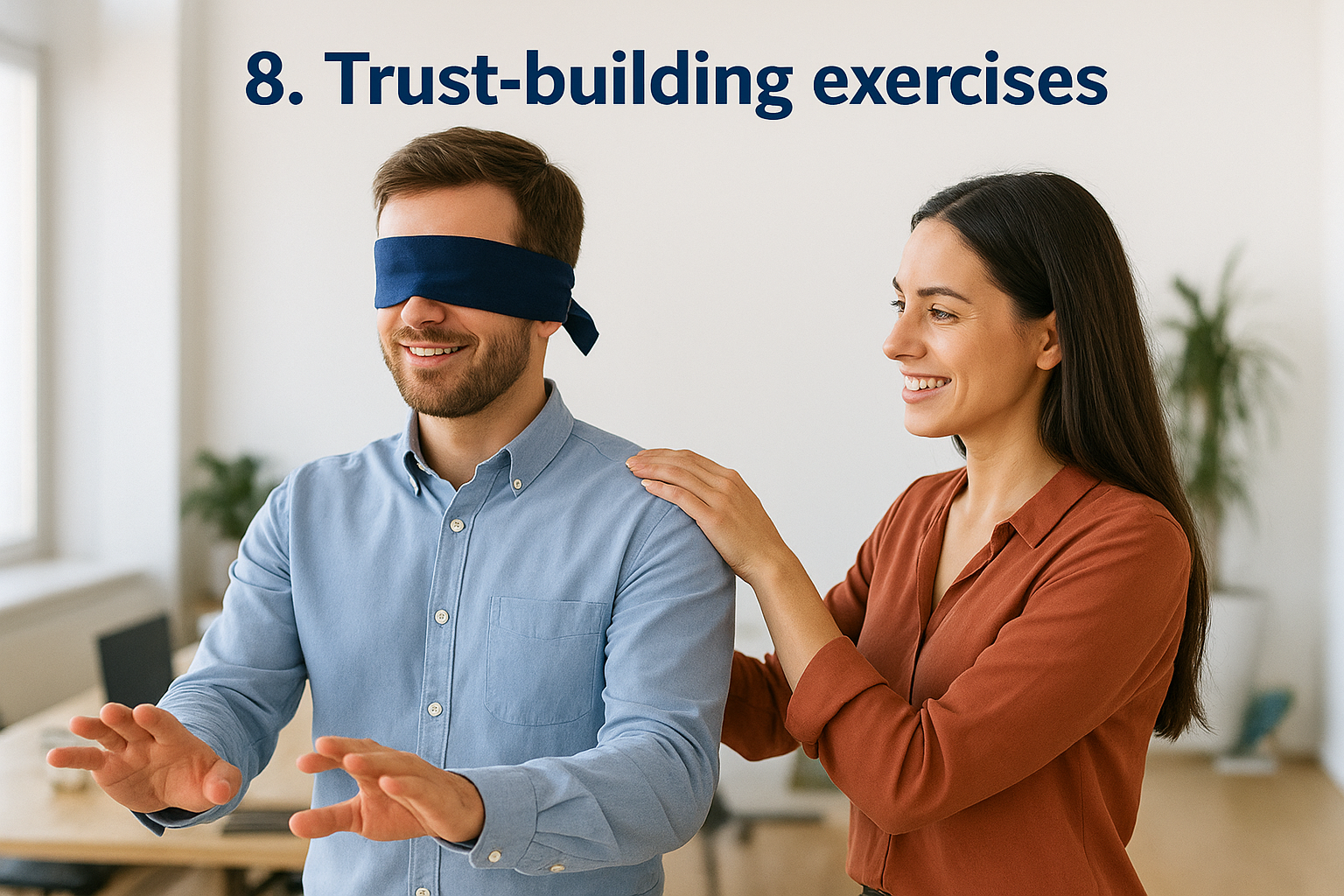
    1. Robyn Benincasa keynotes and team-building programs

    How it works

    Engagements typically start with a keynote (live or virtual) built around one of her core frameworks, such as WIN AS ONE or INSPIRING GREATNESS THROUGH G.R.I.T. From there, many organizations extend the engagement into workshops or offsites where teams apply the concepts to their own conflicts and silos. Every talk draws on real case studies, including sales teams that moved from 17th to 1st nationally after adopting her culture-building principles, so audiences see the framework tested against actual business results, not hypotheticals.

    A leadership talk only matters if the team still uses it three months later under real pressure.

    Who it’s for

    This format suits executives, HR leaders, and event planners at mid-size to large organizations navigating mergers, sales slumps, or cultural fractures between departments. Companies like Allstate, Boston Scientific, and Northrop Grumman have booked Robyn specifically because their teams needed measurable culture change, not just morale boost for a day. It also works well for sales kickoffs and leadership offsites where the goal is aligning a diverse group around one shared standard.

    Format and cost

    Engagements range from a single 60-minute keynote to multi-day team-building programs, available both in-person and virtually. Pricing varies by format, audience size, and whether you add workshop sessions, so most organizations start with a direct conversation through the booking page. A free 18-page guide summarizing her leadership principles is also available for teams wanting a preview before committing budget.

    2. Center for Creative Leadership

    The Center for Creative Leadership (CCL) is a nonprofit research and training institution that’s been studying management behavior since 1970. Unlike a single keynote, CCL builds its curriculum around decades of published research on how leaders actually develop, which makes it a solid fit for organizations that want data behind their training on leadership investment rather than a motivational push.

    How it works

    Participants typically start with a 360-degree assessment that surfaces blind spots in communication, delegation, and decision-making. From there, cohorts move through workshops covering topics like influence, resilience, and navigating organizational change, often spread across several months rather than a single event. The pacing suits leaders who need repeated practice, not a one-day jolt.
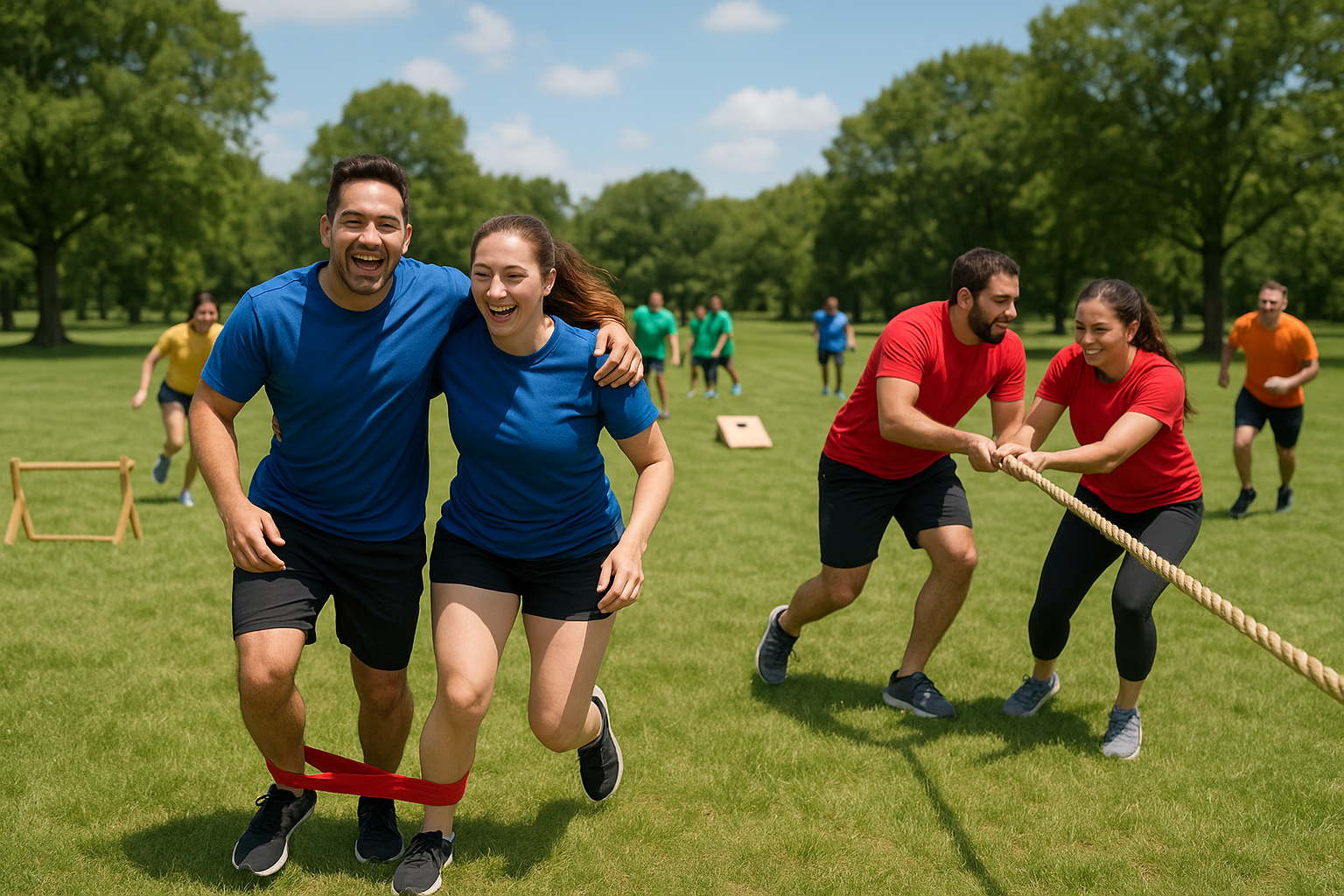
    Research-backed training works best when leaders get months to practice, not one afternoon to absorb it.

    Who it’s for

    CCL fits mid-level and senior managers at large organizations, especially those in regulated industries like healthcare, finance, or government, where structured, evidence-based development carries weight with compliance and HR departments.

    Format and cost

    Programs run in-person at CCL campuses, virtually, or as blended cohorts, and most last several weeks to a few months. Costs typically range from a few thousand dollars per participant for open-enrollment courses to significantly more for custom organizational programs.

    3. Dale Carnegie leadership training for managers

    Dale Carnegie’s leadership training traces back to a 1912 public speaking course, but the modern version focuses squarely on first-time and mid-level managers learning to lead people instead of just tasks. The brand name carries weight with HR departments, and the curriculum leans heavily on interpersonal skills like giving feedback, building trust, and handling conflict without avoiding it.

    How it works

    Classes combine short lectures with heavy role-play, so managers practice difficult conversations in the room before they have them with actual employees. Sessions run weekly over several weeks rather than a single intensive day, which gives participants time to try new habits at work and report back on what happened.

    Managers change behavior faster when they rehearse hard conversations before having them for real.

    Who it’s for

    This program suits new managers and supervisors who need practical people skills, not strategic frameworks. It’s also common as a first step for organizations building an internal leadership pipeline.

    Format and cost

    Courses run in-person, live online, or blended, typically spanning eight to twelve weeks. Public course pricing generally lands between $1,500 and $3,000 per participant, with custom corporate pricing available for larger cohorts.

    4. Harvard division of continuing education leadership programs

    Harvard’s Division of Continuing Education offers certificate programs in leadership through Harvard Professional Development, built for professionals who want the credibility of the Harvard name attached to their training on leadership. Unlike a single workshop, these programs pull from Harvard faculty research on organizational behavior and management strategy, packaged into courses you can complete alongside a full-time job.

    How it works

    Courses run as a mix of live online sessions and self-paced modules, covering topics like strategic decision-making, influence without authority, and leading through change. Most programs stack into a certificate of leadership excellence once you complete a set number of courses, so participants build toward a credential rather than attending a one-off event.
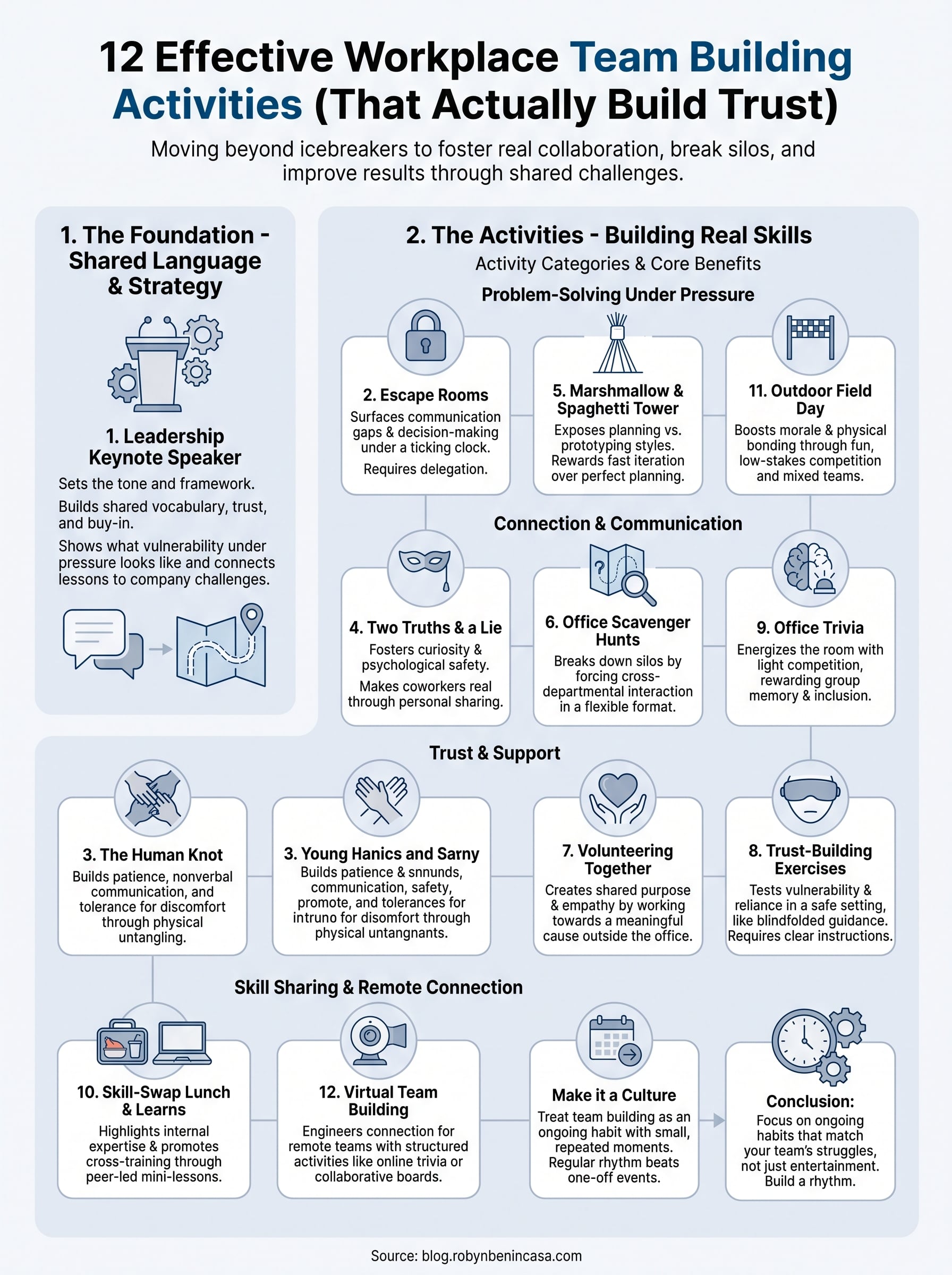
    A credential only means something if the coursework changes how you lead the next day.

    Who it’s for

    This fits individual professionals more than entire teams, particularly mid-career managers and directors who want a resume-worthy credential alongside real skill development. It suits self-motivated learners comfortable studying independently between live sessions.
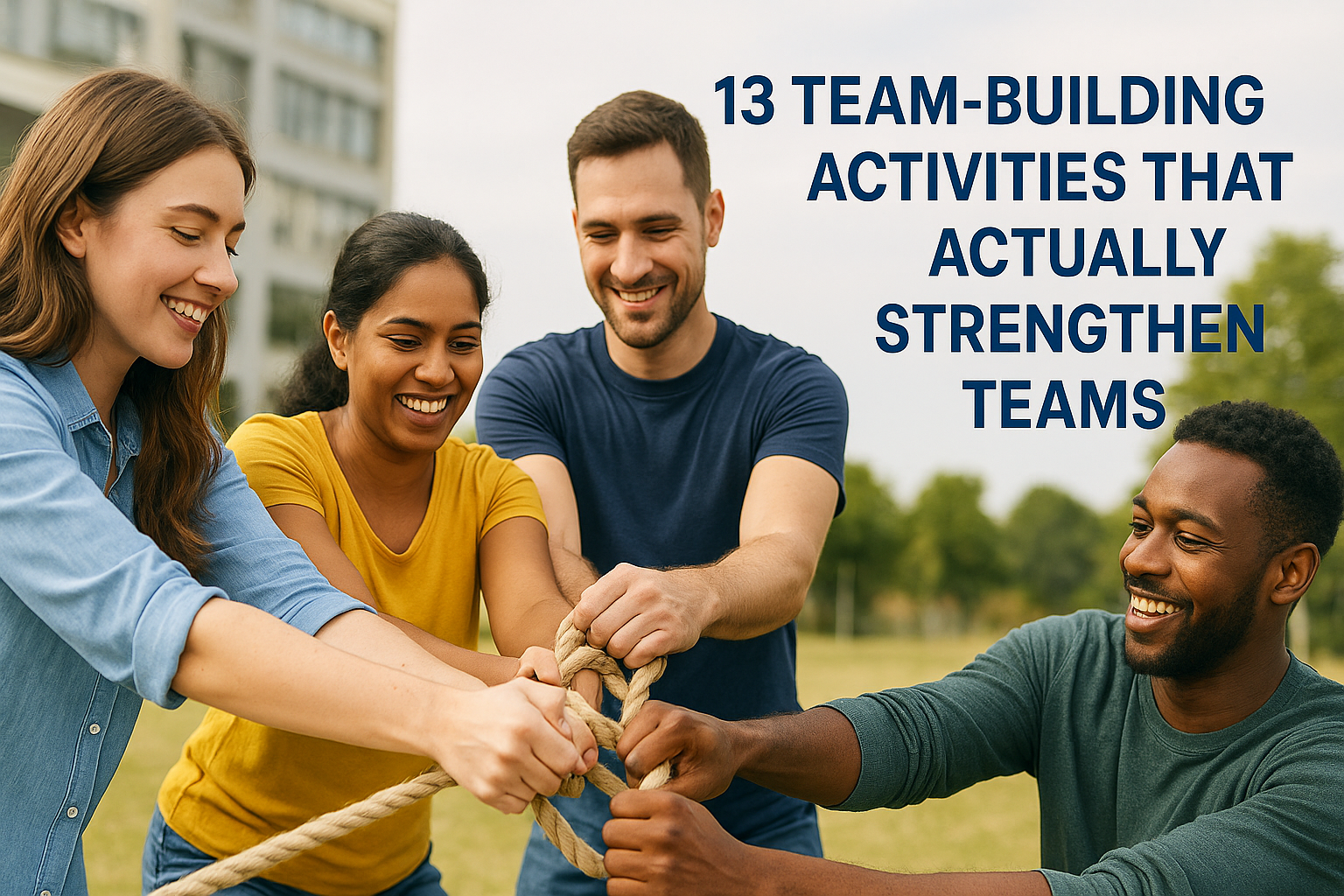
    Format and cost

    Individual courses run three to eight weeks and typically cost $1,600 to $3,000 each. Full certificate tracks require multiple courses, pushing total investment past $8,000 depending on how many credentials you pursue.

    5. American Management Association leadership courses

    The American Management Association (AMA) has run management training since 1923, and its leadership catalog covers everything from first-time supervisor basics to executive-level strategy. Where AMA stands apart from a single keynote or certificate track is breadth: dozens of discrete seminars let you build training on leadership around one specific skill gap, like delegation or difficult conversations, instead of committing to a long program upfront.

    How it works

    You pick individual seminars, most running one to three days, rather than enrolling in a fixed curriculum. Each seminar mixes short lectures with case studies and small-group exercises, and AMA also offers a broader Certified Professional in Management credential for participants who want to stack several courses into a formal qualification.

    A leadership program built from a-la-carte seminars only works if you’re honest about which specific skill gap you’re closing.

    Who it’s for

    AMA suits HR departments filling specific skill gaps across a workforce, like getting a batch of new supervisors trained on feedback and delegation within a quarter. It also works for individual managers whose companies reimburse professional development but don’t have a formal internal program.

    Format and cost

    Seminars run in-person, live online, or on-demand, and single-course pricing generally runs $2,000 to $2,500. AMA membership, priced around $259 annually, lowers per-course costs for organizations sending multiple employees through the catalog each year.

    6. Free online leadership courses from LinkedIn Learning and edX

    LinkedIn Learning and edX both offer self-paced leadership courses at no cost (or low cost for a certificate), making them the easiest entry point if you want to test the waters on training on leadership before committing budget to a bigger program. Neither platform builds a cohort experience or live coaching, so they work better as a supplement than a replacement for structured team development.

    6. Free online leadership courses from LinkedIn Learning and edX
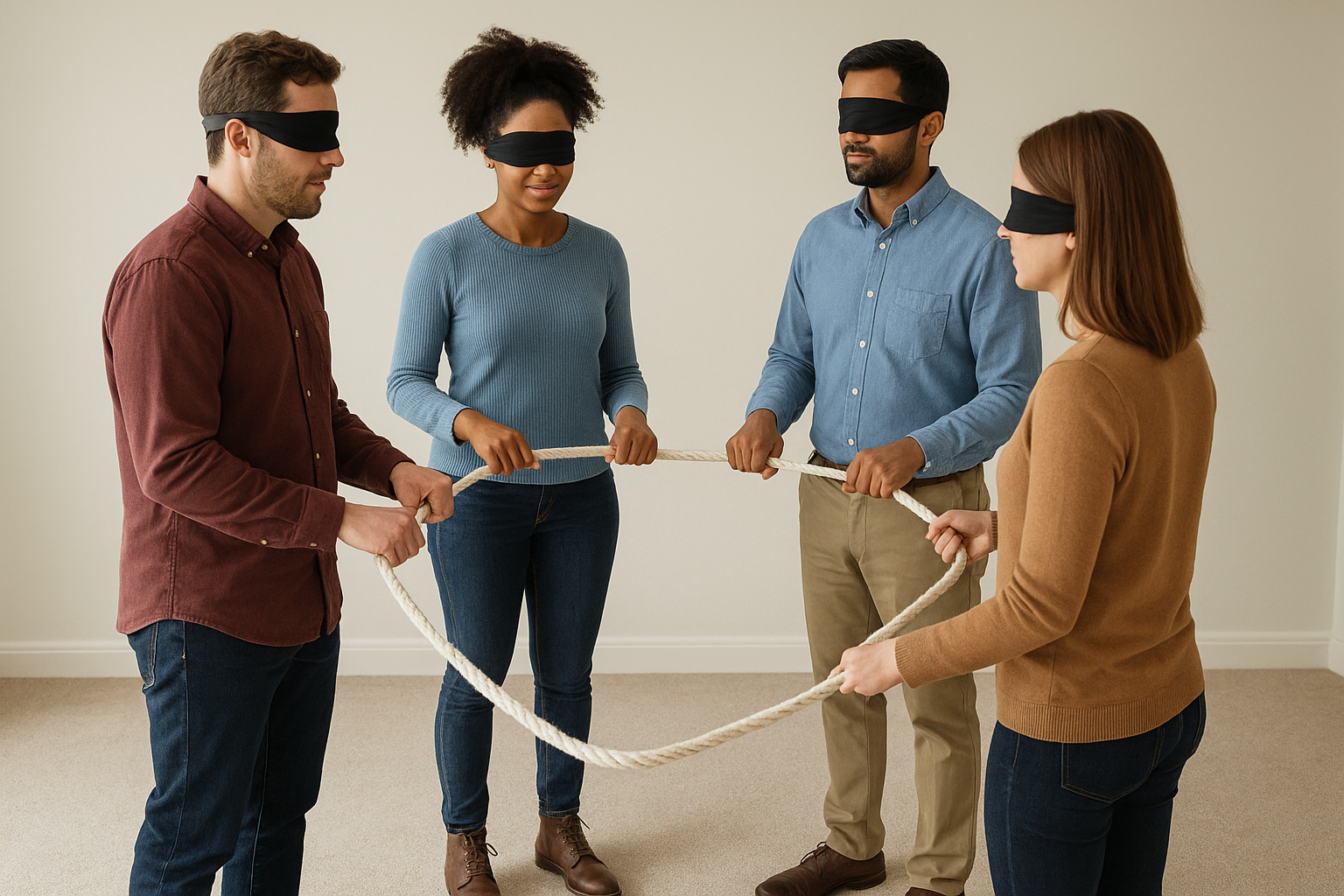
    How it works

    You browse a catalog of video-based courses covering topics like emotional intelligence, delegation, and leading remote teams, then work through them on your own schedule. edX partners with universities like Harvard and MIT for some of its leadership content, so a few courses carry academic rigor beyond typical corporate training videos.

    Free courses build individual knowledge fast, but they rarely change how a whole team behaves under pressure.

    Who it’s for

    This option suits individual learners on a tight budget, new managers wanting a quick primer, or HR teams building a resource library employees can dip into between formal training sessions.

    Format and cost

    Most LinkedIn Learning courses require a subscription, typically $20 to $40 monthly, though many libraries offer a free trial. edX courses are free to audit, with paid certificates ranging from $50 to $300 per course.

    training on leadership infographic

    Finding the right fit for your team

    The right program depends on what’s actually broken. If you need one manager to sharpen delegation skills, a self-paced course from edX or an AMA seminar will do the job cheaply. If your whole leadership bench needs a shared language for handling conflict, a research-backed cohort like CCL or a credential track through Harvard makes sense over several months. But if your team is facing real pressure right now, a merger, a sales slump, a culture split between departments, you need something that hits harder and faster than a video course or a slow-moving certificate program.

    That’s the gap Robyn Benincasa’s keynotes and team-building sessions fill. Her frameworks come from teams that had to perform under genuine stakes, not case studies borrowed from someone else’s org chart. If your leadership team needs that kind of proof, not just another workshop, book Robyn for your next event and see what a battle-tested framework does for your culture.